The Allure of Easy Profits
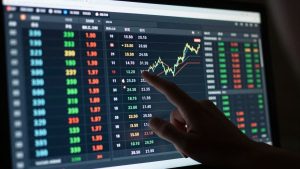
Online trading platforms make investing look effortless. With just a few clicks, you can buy and sell stocks, cryptocurrencies, or forex pairs from your phone. The advertisements highlight success stories of people turning small amounts of money into fortunes overnight.
But here’s the uncomfortable truth: for every person who boasts about their big win, there are dozens quietly losing money. Many obsessively check charts like the xrp price or Bitcoin trends, hoping to catch the right moment, yet most end up reacting emotionally instead of logically. The appeal of quick profits hides the fact that trading is complex, risky, and often unforgiving.

The Psychology Behind Losing Trades
One of the biggest reasons people lose money isn’t lack of information — it’s emotions.
- Greed: Chasing quick wins leads many to double down on risky bets.
- Fear: When the market dips, panic selling locks in losses.
- Overconfidence: Believing you can outsmart the market without experience often ends in frustration.
These emotional traps can cause people to trade impulsively rather than sticking to a clear, tested strategy.
The Problem of Short-Term Thinking
Many new traders jump in expecting fast results. They treat trading like a lottery ticket instead of a skill. Markets move up and down daily, and it’s tempting to overreact. Without patience, traders end up buying high, selling low, and repeating the cycle.
Lack of Education and Preparation
Most online traders lose because they start without a plan. They may:
- Trade without learning how markets actually work.
- Ignore risk management — investing too much in one trade.
- Fail to use stop-losses to protect themselves.
Without the right knowledge, trading becomes more like gambling than investing.
Hidden Costs That Eat Away Profits
Even when traders make good calls, costs often chip away at earnings. Transaction fees, spreads, and even taxes reduce profits. Over time, small costs add up, leaving traders wondering why their account balance isn’t growing as expected.
Practical Steps to Avoid the Trap
If you want to trade online without falling into the common pitfalls, here are some key strategies:
1. Start Small
Don’t throw your savings into your first trade. Begin with small amounts until you learn how markets behave.
2. Use a Clear Plan
Set rules for when to buy and sell. Decide in advance how much you’re willing to risk on each trade.
3. Manage Risk
- Never risk more than you can afford to lose.
- Use stop-loss orders to automatically exit when a trade turns bad.
- Diversify — don’t put all your money into one stock or coin.
4. Focus on Learning, Not Just Earning
Treat your early trades as practice. Study market trends, technical indicators, and news events. Read reliable sources and consider demo accounts before risking real money.
5. Control Emotions
Don’t let greed push you into reckless trades, and don’t let fear drive you to sell in a panic. The best traders are patient and disciplined.
Building the Right Mindset
Successful trading is less about finding “the next big thing” and more about managing yourself. Patience, discipline, and a focus on long-term growth are what separate consistent traders from those who burn out quickly.
If you approach trading as a skill to develop, rather than a quick-money scheme, you’ll give yourself a much better chance of success. Instead of chasing hype or reacting to every market swing, you’ll learn to make decisions based on strategy and logic.

Tradersdna is a leading digital and social media platform for traders and investors. Tradersdna offers premiere resources for trading and investing education, digital resources for personal finance, market analysis and free trading guides. More about TradersDNA Features: What Does It Take to Become an Aggressive Trader? | Everything You Need to Know About White Label Trading Software | Advantages of Automated Forex Trading