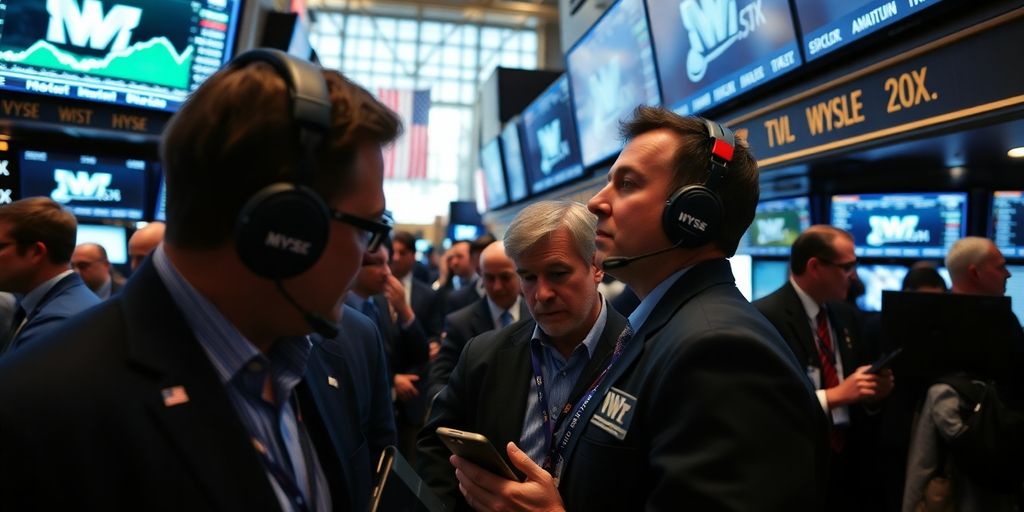
Before the opening bell rings at 9:30 AM EST, there’s a hidden window of action that can set the tone for your trading day: the premarket session. This guide will unpack what these early movers are, why they matter, and how you can use them to sharpen your portfolio’s edge. Whether you’re hunting for breakout stocks or dodging volatility traps, this is your roadmap to mastering the premarket game. We’ll even show you how to analyze these movers for free—up to three stocks a day—with tools designed to put you ahead of the crowd. Let’s get started.
Key Takeaways
- Trading in premarket lets you react to news before the main market opens.
- There’s often less trading activity in premarket, which can make prices jump around more.
- You need to use limit orders when trading in premarket to help control your prices.
- Not all brokers let you trade in premarket, so check their rules first.
- Premarket trading has its own set of risks, like not being able to sell your stock easily, so be careful.
Understanding Premarket Movers
Before the opening bell rings at 9:30 AM EST, there’s a hidden window of action that can set the tone for your trading day: the premarket session. This is where you can find stocks making big moves before most people even have their coffee. It’s a bit like getting a sneak peek at the day’s news before it hits the main headlines.
What Are Premarket Movers?
Premarket movers are stocks that see significant price action during the premarket trading session, which runs from 4:00 AM to 9:30 AM EST. Unlike the regular trading day, this period is a quieter arena—fewer players, lower volume, but often bigger swings. These movers can be gainers climbing on fresh news or losers tumbling before the market fully wakes up. Think of them as the market’s opening whispers, hinting at what’s to come when the bell rings.
So, what sparks these early shifts? It’s usually a mix of:
- Company-Specific News: This could be anything from earnings reports released overnight to unexpected product announcements or management changes. Positive news often leads to price increases, while negative news can cause a stock to drop.
- Broader Market Sentiment: Sometimes, major economic data released overnight or significant global events can influence how investors feel about the market as a whole, affecting even stocks that don’t have specific news.
- Analyst Ratings: Upgrades or downgrades from influential financial analysts can also trigger price movements before the regular session begins.
Why Premarket Trading Matters
You might be wondering, “Why bother with premarket when I can just trade at market open?” Fair question. The truth is, the premarket session isn’t just noise—it’s a goldmine for savvy investors willing to dig. Here’s why it’s worth your attention:
- First-Mover Advantage: Stocks that gap up or down premarket often set the day’s trend. Catching a mover early could mean buying low before a rally or sidestepping a dud before it tanks. This early insight can give you an edge over traders who wait for the regular session to start.
- Volatility Play: Lower volume means wider price swings. For traders who are comfortable with higher risk and have a solid strategy, this volatility can present opportunities for quick profits. However, it also means increased risk, so caution is key.
- Information Reaction: The premarket is where the market digests overnight news. If you’re quick to understand the implications of this news, you can position yourself before the broader market catches on. This is where you can really see how information impacts stock prices in real-time.
Understanding these early movements isn’t about predicting the future with certainty. It’s about recognizing patterns and reacting to information faster than the average trader. The premarket session offers a unique look into market sentiment before it’s influenced by the larger crowd.
For example, a company might announce better-than-expected earnings after the market closes. This news could cause its stock to jump 5% or more in premarket trading. If you see this and believe the positive trend will continue, you might decide to buy shares before the market officially opens. This is a classic example of using pre market trading to your advantage.
How Premarket Trading Works
Premarket trading is essentially trading that happens before the stock market officially opens for the day. Think of it as an early bird special for stocks. This period, typically running from 4:00 AM to 9:30 AM Eastern Time in the US, allows traders to react to overnight news, earnings reports, or any significant events that occurred after the previous day’s close. It’s a different world from the regular trading session, and understanding its mechanics is key.
How Does Premarket Trading Work?
Premarket trading operates through electronic communication networks (ECNs). These are basically digital marketplaces where buyers and sellers can connect and trade directly, without needing a traditional exchange floor. Orders are matched electronically, and prices are determined before the main market opens. It’s important to know that this session is usually less active than regular hours. This means fewer shares are being traded, which can lead to wider gaps between the highest price a buyer will pay (the bid) and the lowest price a seller will accept (the ask). These wider spreads can make it trickier to get the exact price you want.
Here’s a quick rundown of what makes premarket trading unique:
- Limited Hours: Trading usually starts at 4:00 AM ET and wraps up just before the 9:30 AM ET market open.
- Lower Volume: Significantly fewer shares trade hands compared to regular market hours.
- Wider Spreads: The difference between buy and sell prices is often larger.
- Higher Volatility: Prices can jump or drop quite a bit on relatively small trades.
- Limited Stock Availability: Not every stock might be available for trading during this time.
It’s really important to understand that pre-market trading isn’t the same as regular trading. The rules are different, the risks are higher, and you need to be extra cautious. Don’t just jump in without doing your homework.
Benefits of Trading in Premarket
So, why bother with premarket trading? Well, it offers a chance to get ahead of the curve. If a company releases positive earnings after the market closes, you might be able to buy shares at a favorable price before the rest of the market catches on. This early access can be a real advantage. It allows you to react quickly to breaking news and potentially profit from price movements that happen before the main trading session even begins. For those who keep a close eye on market developments, premarket trading activity can offer valuable insights into how a stock might perform once the regular session kicks off. It’s a way to potentially capture gains before the broader market fully engages.
Strategies for Trading in Premarket
Monitoring Earnings Reports and News
Keeping an eye on earnings reports and news is a big deal for premarket trading. Companies often drop their big announcements, like how much money they made, before the regular market even opens. This information can make a stock jump or fall really fast. So, if you’re looking to trade early, you need to be on top of these announcements. It’s not just earnings, either. Any major news, like a product recall or a new partnership, can also cause a stock to move. Being quick to react to these news items can give you an edge.
Here’s what to look for:
- Scheduled Earnings Releases: Know when companies you’re interested in are reporting.
- Press Releases: Many companies issue press releases for significant events.
- Analyst Upgrades/Downgrades: These can shift sentiment quickly.
- Industry-Specific News: Broader news affecting a sector can impact individual stocks.
It’s not enough to just see the news; you need to understand what it means for the company and its stock. A good earnings report might still hide some bad news in the details.
Judging Premarket Sentiment
Figuring out how the market feels about a stock before the main session starts is key. This sentiment can be gauged by looking at a few things. You can check out the volume of shares being traded – a big jump in volume on a price move often means something. Also, look at the bid-ask spread; a widening spread can signal uncertainty or a lack of interest from buyers and sellers. Some traders also watch premarket futures or even look at what’s happening in overseas markets to get a general sense of the mood. Understanding this sentiment helps you anticipate potential moves.
Here are some ways to gauge sentiment:
- Volume Analysis: High volume accompanying a price move often indicates conviction.
- Bid-Ask Spread: A wider spread can suggest less certainty.
- News Flow: Positive or negative news directly impacts sentiment.
- Social Media & Forums: While noisy, these can sometimes reflect early opinions.
Remember that premarket sentiment can change quickly. What seems like a strong trend early on might reverse once more traders enter the market.
Leveraging Tools for Trading in Premarket
Trading in the premarket can feel like a different world compared to regular hours. The right tools can make a big difference, helping you see what’s happening and make smart choices. It’s not just about having access; it’s about using what’s available to your advantage.
Utilizing Online Brokers for Premarket Access
Most online brokers now offer some form of premarket trading, but the features and access can vary a lot. It’s important to check your broker’s specific policies and available hours for extended trading. Some brokers might only allow certain order types, like limit orders, during premarket. Others might have different fees or restrictions on which stocks you can trade. Make sure you know exactly what your broker offers before you jump in. You’ll want to confirm their pre-market trading hours, the types of orders accepted, and any associated costs. Understanding these details helps you avoid surprises and trade more effectively.
Advanced Trading Platforms for Premarket Analysis
Beyond basic broker interfaces, advanced trading platforms offer powerful tools for analyzing premarket activity. These platforms often include sophisticated charting tools, real-time news feeds, and customizable indicators. They can help you visualize price movements, track volume, and identify trends before the main market opens. Some platforms even offer backtesting capabilities, letting you test strategies against historical premarket data. Using these tools can give you a clearer picture of market sentiment and potential price action. They can help you spot unusual volume spikes or significant price gaps that might indicate a strong move once the regular session begins. For instance, platforms like TradesViz provide detailed analytics that can be incredibly useful for dissecting premarket performance.
Premarket trading isn’t just about speed; it’s about informed action. Having access to reliable data and analytical tools is key to making sense of the early market moves and distinguishing genuine opportunities from noise.
Managing Risks in Premarket Trading

Trading before the regular market opens can feel like having a secret advantage, but it comes with its own set of challenges. It’s not quite the Wild West, but you do need to be aware of the potential pitfalls. The biggest hurdle most people face is the difference in how the market operates compared to normal hours. Understanding these differences is key to not losing your shirt.
Addressing Lack of Liquidity in Premarket
When you’re trading before the main session, there are simply fewer buyers and sellers around. Think of it like trying to sell a niche item at a small town fair versus a massive convention – the pool of potential customers is much smaller. This lower activity means that even relatively small trades can cause bigger price swings than you’d see during regular hours. To help manage this, it’s a good idea to use limit orders. These let you set a specific price you’re willing to buy or sell at, so you don’t end up with a deal you regret if the price suddenly moves. It’s a way to put a cap on how much you’re willing to pay or accept.
Overcoming Inability to Execute Trades
Sometimes, even with a limit order, your trade might just not go through. This usually happens because there aren’t enough people on the other side of the trade at your chosen price. It can be pretty frustrating when you see a good opportunity, place your order, and then… nothing. You might miss out on a profit or be unable to exit a position that’s moving against you. To try and get around this, you need to be realistic about pricing. Sometimes, you might need to adjust your limit price slightly to meet the market. It’s a balancing act between getting the price you want and actually getting the trade done. Being prepared to adjust your expectations can make a big difference.
Access to Information for Trading in Premarket
Getting reliable information quickly is super important in premarket trading. Because things move fast, you need to know what’s happening as soon as possible. This means having access to news feeds, company announcements, and maybe even social media sentiment that could affect stock prices. The information advantage is often what drives premarket activity. However, it’s also important to remember that not all information is created equal, and sometimes rumors can cause false moves. It’s wise to stick to reputable sources and cross-reference information before making any big decisions. Being informed is good, but being misinformed can be costly. You’ll want to find a broker that provides good real-time data feeds to help you stay on top of things. Pre-market trading in the US stock market requires this kind of timely data.
Trading with the Professionals
When you’re getting into premarket trading, it’s easy to feel like you’re up against giants. The big players, like institutional investors and hedge funds, are often the ones setting the pace before the regular market even opens. They’ve got teams of analysts and deep pockets, so they can really move the needle. Learning from these pros, even from a distance, can give you a serious edge. It’s not about directly competing, but understanding their actions and the information they’re reacting to.
Learning from Experienced Traders
Think about it: these experienced traders have seen it all. They’ve developed strategies over years, learning from both wins and losses. They often focus on specific types of news or events that tend to shake up prices before the opening bell. For instance, they might be watching for how a company’s earnings report is being received overnight, or how a major economic announcement is impacting a whole sector. You can learn a lot by observing which stocks are making big moves in the premarket and trying to figure out why. It’s like studying game film, but for the stock market. You can also find trading communities where experienced traders share their insights. These places can be goldmines for understanding market sentiment and identifying potential opportunities.
Simpler Trading Room Benefits
Sometimes, trying to figure out the premarket on your own can feel like being lost in the woods. That’s where joining a community like a simpler trading room can really help. These rooms often have experienced traders who are actively trading and sharing their thought process in real-time. You get to see how they approach premarket opportunities, what tools they use, and how they manage risk. It’s a chance to ask questions and get direct feedback, which is way better than just guessing. Plus, you can often see how they react to unexpected news or price swings, giving you a practical education in real-time. It’s a way to get that guidance and mentorship that can make a big difference when you’re trying to make those early market moves. You can get access to live trading chats and learning centers, which is pretty neat.
Trying to trade premarket without a solid plan or some guidance is like trying to build a house without blueprints. You might get something up, but it’s probably not going to be stable. Learning from those who’ve been there can save you a lot of headaches and costly mistakes.
Final Thoughts on Premarket Trading
So, we’ve covered a lot about trading before the main market opens. It’s clear that while this early session can give you a jump on news and company updates, it’s definitely not for every trader. There are real risks involved, like less trading activity meaning prices can swing wildly, and you might have trouble getting your orders filled exactly how you want them. Using limit orders and checking your broker’s specific rules are super important steps to take. If you’re thinking about diving into premarket trading, remember to start small, manage your risk carefully, and always do your homework. It can be a way to get ahead, but only if you’re prepared for its unique challenges.
Frequently Asked Questions
What exactly are premarket movers?
Premarket movers are stocks that show big price changes before the regular stock market opens. This usually happens because of important news or events that came out after the market closed or early in the morning. Think of them as the first hints of how the market might move for the day.
Why is trading in the premarket important?
Premarket trading matters because it lets you get ahead of big price moves. If a stock’s price changes a lot before the market opens, it often sets the trend for the rest of the day. Getting in early on these moves can help you make profits or avoid losses before most other traders even start.
How does premarket trading actually work?
In premarket trading, you buy and sell stocks before the main market opens, usually between 4 AM and 9:30 AM EST. The goal is to act on news or events that happened overnight or early in the morning, potentially making money before the regular trading day begins. It’s a way to get an early jump on the market.
What are the main benefits and drawbacks of premarket trading?
A big advantage is getting a first look at market changes. You can react to news like earnings reports before others do. However, there’s less trading activity, meaning prices can jump around more, and it might be harder to buy or sell at the exact price you want. You also need to check if your broker offers premarket access.
What should I focus on when looking for premarket trading opportunities?
You should always watch for company news, especially earnings reports, as these often cause big price swings. Also, pay attention to how the overall market is doing and if other news might be affecting the stock or its industry. Looking at trading volume can also tell you if a price move has strong support.
What tools are helpful for trading in the premarket?
It’s crucial to use tools that give you real-time information and analysis. Many online brokers offer premarket access, but check their specific hours and rules. Advanced trading platforms can provide better charts and news feeds to help you understand price movements and volume. Using these tools helps you make smarter decisions.