Alright, so you’re looking to trade forex in the US and need to figure out which broker is the best fit. It can be a bit of a maze out there, with so many options and regulations to consider. The US has some pretty strict rules in place to keep things safe for traders, which is good, but it also means not every broker you see online is actually allowed to take your money. We’ve gone through the process to find the top contenders for 2026, focusing on those that are properly regulated and offer solid platforms. Let’s break down who made the cut for the best broker for forex trading.
Key Takeaways
- tastyfx is highlighted as the top overall choice for US forex traders in 2026, known for its broad range of products and strong regulatory backing.
- Interactive Brokers is recommended for professional traders, offering advanced tools and access to a wide market.
- FOREX.com stands out for its educational resources, making it a good option for those looking to learn more about forex trading.
- Charles Schwab is noted for its reliable customer support and a robust platform suite, appealing to traders who value assistance.
- OANDA is recognized as a trusted broker with a solid research offering, providing valuable market insights for its users.
1. tastyfx
tastyfx is our top pick for forex trading in the US for 2026. It’s basically IG’s US brand, and it really benefits from IG’s solid infrastructure. Think of it as getting all the good stuff from a big, established company but with a focus on US traders. The trading platforms are stable, the pricing is competitive, and they offer a good amount of research to help you out.
For platforms, tastyfx gives you access to MetaTrader 4 (MT4) and ProRealTime. MT4 is a classic, and many traders know their way around it. ProRealTime is pretty strong too, especially if you like detailed charts and need a reliable way to place orders. It’s a good setup for traders who like to analyze charts closely or even automate some of their trading.
Here’s a quick look at what they offer:
- Trading Platforms: MetaTrader 4, ProRealTime, and a proprietary mobile app.
- Forex Pairs: Access to 91 different currency pairs.
- Research Tools: Market commentary and third-party signals.
- Regulation: Regulated by the CFTC and a member of the NFA.
tastyfx really shines with its mobile app. It’s packed with features, has advanced charting for a mobile device, and makes managing trades pretty simple. Plus, you can get trading signals right in the app, which is neat if you’re into that sort of thing.
When it comes to fees, the spreads are generally competitive, especially on the major currency pairs. They also provide access to tools like AutoChartist and PIA First, which can help structure your trading ideas without telling you exactly what to do. The research available, coming from IG’s global network, is usually pretty timely and practical for making trading decisions.
2. FOREX.com
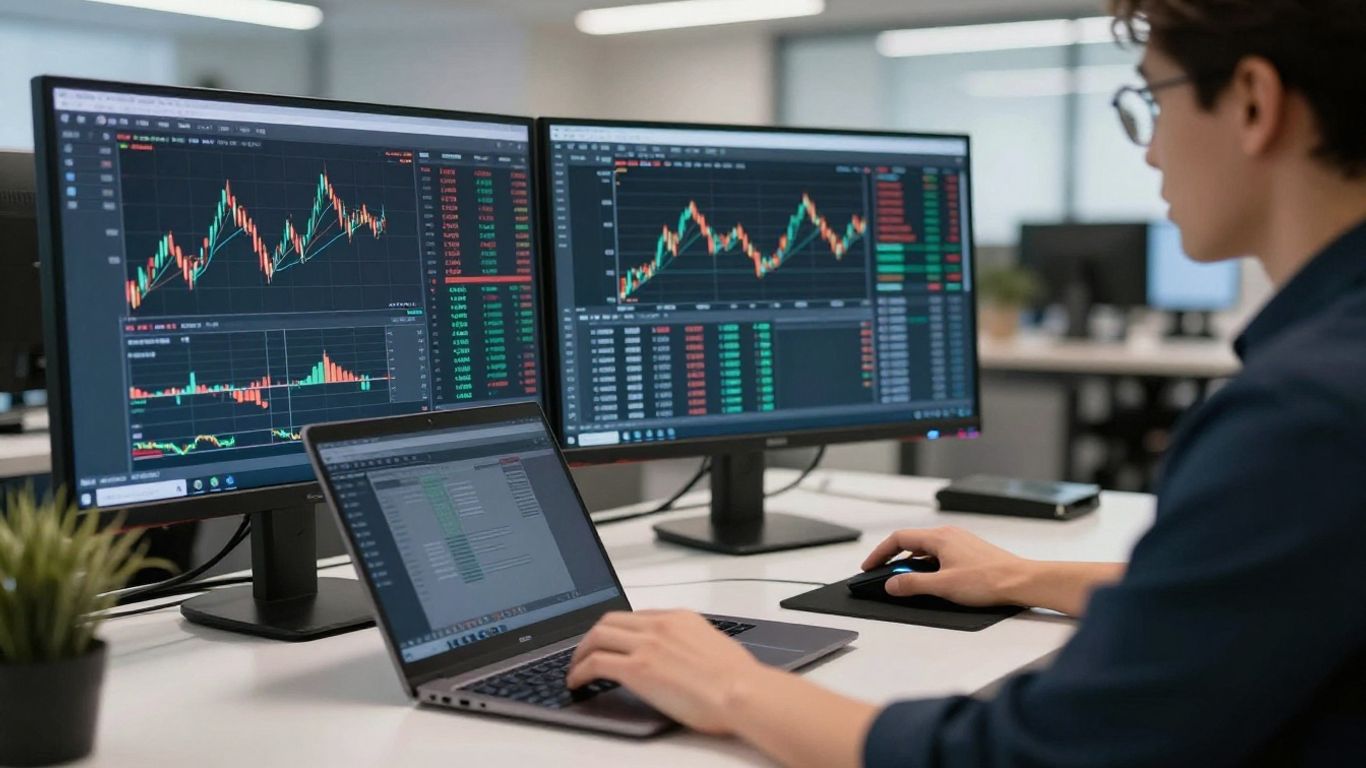
FOREX.com, backed by StoneX Group Inc., has carved out a solid reputation by offering a wide selection of trading options alongside platforms that are pretty easy to get the hang of, even if you’re just starting out. For folks in the US, the main focus is on spot forex, operating under the watchful eyes of the CFTC and NFA. What really makes FOREX.com stand out, though, is how their learning resources and trading tools seem to work together. It’s a good setup for anyone looking to build their trading skills in a structured way.
When it comes to trading platforms, FOREX.com gives you a couple of solid choices. There’s the Advanced Trading desktop platform, which is packed with tools and more customizable for those who like to tinker. Then there’s the Web Trading platform, a simpler, browser-based option that’s really clean and easy to navigate. Both come with strong charting features, and the integration with TradingView means you’ll likely find familiar layouts, plenty of timeframes, and a good range of indicators. If you’re already comfortable with MetaTrader 4 or 5, don’t worry, they’re still available. Plus, they’ve added performance analytics tools that can actually show you patterns in your own trading habits, not just what the market is doing.
Here’s a quick look at what they offer:
- Platforms: Advanced Trading (desktop), Web Trading, MetaTrader 4, MetaTrader 5.
- Charting: Integrated TradingView, numerous indicators, multiple timeframes.
- Analytics: Performance analytics to review your trading behavior.
- Education: The Trading Academy offers courses, videos, and quizzes.
FOREX.com really shines when it comes to making things user-friendly. Whether you’re using their mobile app or the more advanced desktop version, managing trades and finding information feels pretty straightforward. The interface is clean, and features like customizable watchlists help keep you organized.
Their educational section, called the Trading Academy, is a big plus. It’s set up in modules, so you can work through it step-by-step, building your knowledge over time. The courses are organized by experience level, and they mix interactive lessons with quizzes and regular video updates. This approach helps connect what you learn with how you actually trade in the market.
3. OANDA
OANDA is a pretty solid choice, especially if you’re just getting into forex trading. They’ve been around for a while and have a good reputation for being transparent and reliable. One of the things that really stands out is their platform – it’s pretty easy to figure out, even if you’re not a tech whiz. This makes it a good place for beginners to start out.
They also offer a demo account, which is super helpful. You can practice trading with virtual money before you put your own cash on the line. It’s a great way to get a feel for the market and test out different strategies without any risk. Plus, opening an account is usually a quick process with no minimum deposit required, making it really accessible for anyone wanting to jump in.
Here’s a quick look at some of OANDA’s features:
- User-friendly platform: Easy to navigate for new traders.
- Demo account: Practice trading with virtual funds.
- Research and analysis tools: Helps you stay informed about market movements.
- Multiple trading platforms: Supports OANDA’s own platform, TradingView, and MetaTrader 4.
When it comes to costs, OANDA’s standard spreads can sometimes be a bit higher than what you might find elsewhere. However, if you’re trading with a larger amount, say $10,000 or more, you can opt for their Core Pricing. This option lowers the spreads but adds a small commission. For those who trade a lot, they also have an Elite Trader program that offers additional rebates. So, while the basic spreads might not be the absolute lowest, the overall cost structure can be competitive depending on your trading volume. It’s worth checking out their pricing details to see what fits your style.
OANDA is known for providing clear market commentary and research. This can be a big help when you’re trying to make sense of what’s happening in the currency markets. They really focus on making information accessible, which is a big plus for traders who want to stay on top of things.
Overall, OANDA is a strong contender, particularly for those who value a straightforward platform and good research resources. They’ve got a solid regulatory standing, which is always a good sign when you’re choosing a broker.
4. Charles Schwab
Charles Schwab is a big name in the financial world, and they’ve brought their extensive services to forex trading, mostly through their thinkorswim platform. If you’re already a Schwab customer for stocks or other investments, adding forex might feel like a natural next step. They really shine when it comes to offering a wide variety of investment options all under one roof.
The thinkorswim platform is where the action happens for forex at Schwab. It’s packed with tools for charting, analysis, and even some automated trading capabilities. You get access to hundreds of indicators and can customize your charts quite a bit. Plus, Schwab’s reputation as a solid, trustworthy institution gives you some peace of mind.
Here’s a quick look at what they offer for forex:
- Platform: Primarily thinkorswim (desktop, web, mobile).
- Forex Pairs: Offers around 73 currency pairs.
- Account Minimum: $0.
- Support: Generally knowledgeable staff across their broad range of services.
It’s worth noting that some of Schwab’s standard web platform features aren’t available for forex trading, and the forex-specific resources are mainly on thinkorswim. Also, they have a minimum trade size of 10,000 units, which might not be ideal for everyone just starting out or looking for very small trades.
For traders who are already invested in the Charles Schwab ecosystem and want a robust platform for their forex activities, it’s a sensible choice. The integration with their other accounts and the powerful thinkorswim tools are big draws.
5. Interactive Brokers
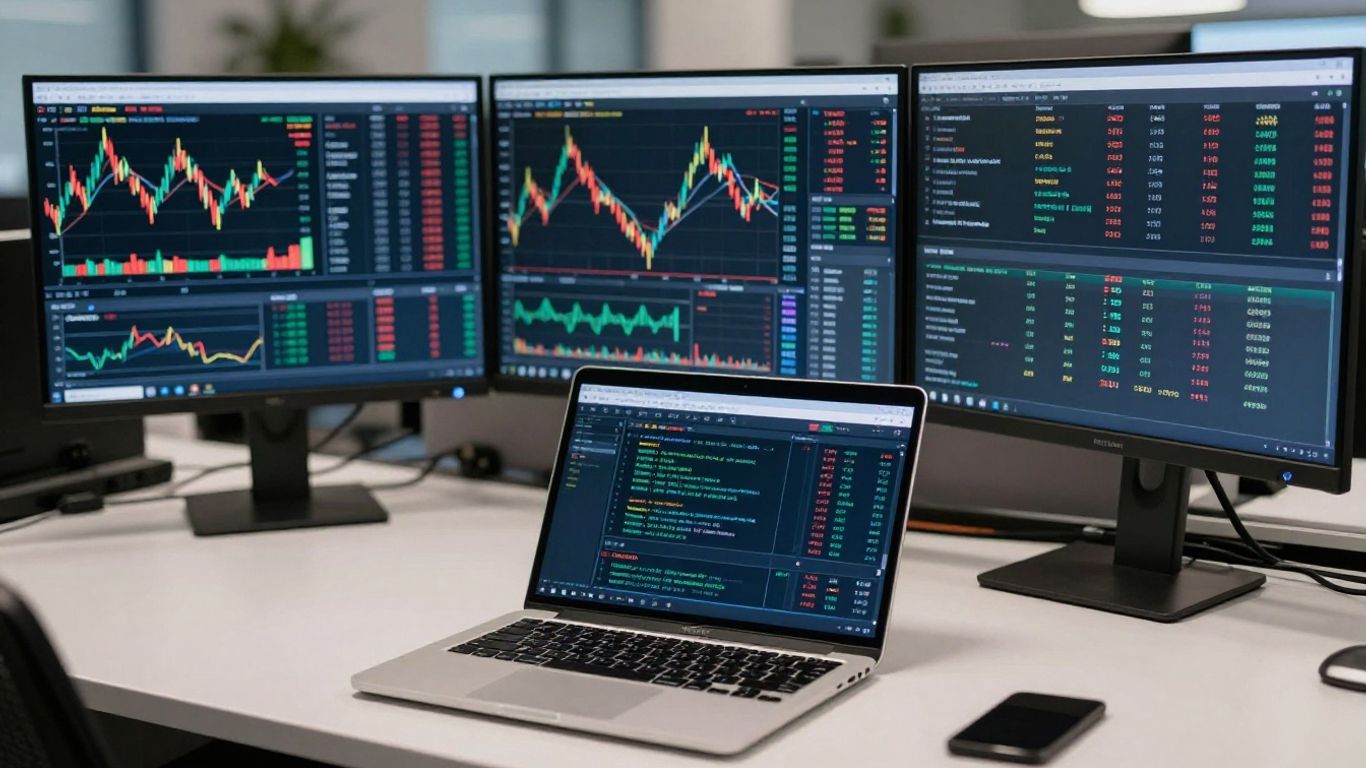
Interactive Brokers (IBKR) is a solid choice for experienced forex traders, especially those who like to dig into the data. Their platform setup, including TWS, IBKR Desktop, and the Client Portal, really supports making informed decisions. It might seem a bit much at first if you’re new, but if you need a lot of customization and control over your trades, this complexity is actually a good thing.
What sets IBKR apart in forex is how they handle costs. Instead of just adding to the spread, they pull prices from a bunch of banks and charge a commission. This means you usually get tighter spreads, and your costs are directly related to how much you trade. This is great for people who trade standard amounts or need very specific fills. If you trade a lot, you can even get lower commission rates, which really adds up for active traders.
When it comes to research, IBKR has a lot going on. You get news from big wires, economic calendars, and access to third-party research. Their own Traders’ Insight blog and other content give you context during busy market times. For serious traders, this means you can really shape your information flow to what you need.
Important Note for US Traders: To trade forex with Interactive Brokers in the US, you generally need to be classified as an Eligible Contract Participant (ECP). This usually means having over $10 million in assets, or $5 million if you’re hedging trades.
Here’s a quick look at some of their features:
- Global Market Access: IBKR provides access to a huge number of global markets and assets, which is a big plus for diversification.
- Trading Costs: Known for very low trading costs and competitive margin rates, making it attractive for active traders.
- Platform Tools: Offers advanced trading tools and customization options suitable for professional traders.
- Asset Variety: Access to 115 forex pairs, along with futures and other asset classes.
While the platform can be a bit overwhelming for beginners, for those who need its depth and global reach, Interactive Brokers is a top contender. You can find more details about their forex services on ForexBrokers.com.
6. Trading.com
Trading.com is a newer player in the US forex scene, but they’re making some noise. They focus pretty heavily on offering a wide range of currency pairs, which is great if you’re looking to trade more than just the majors. Their platform aims to be straightforward, which can be a good thing for folks just getting their feet wet in forex.
They offer a few different ways to trade, including the popular MetaTrader 4 (MT4) platform, which many traders are already familiar with. This means you can often bring your existing strategies or Expert Advisors (EAs) over without much hassle. They also have their own web-based platform that’s designed to be easy to use right from your browser.
Here’s a quick look at what they bring to the table:
- Platform Options: Access to MT4 and a proprietary web platform.
- Currency Pairs: A broad selection, going beyond the usual suspects.
- Account Types: Different options to suit various trading styles.
- Educational Resources: They provide some learning materials to help you get up to speed.
When you’re looking at brokers, especially newer ones, it’s always smart to check out their fee structure and how they handle customer service. Trading.com seems to be building a reputation for competitive pricing, but it’s worth comparing their spreads and any other costs against other brokers on this list.
Choosing a forex broker involves looking at a lot of different factors. While some brokers might excel in one area, like having the most advanced charting tools, others might focus on providing a simpler experience for beginners. It’s about finding the right balance for your personal trading needs and comfort level. Don’t just pick the first one you see; take the time to compare and see what fits best.
Wrapping It Up
So, we’ve looked at some of the top forex brokers available in the US for 2026. Remember, the market is big, and picking the right place to trade is a big deal. All the brokers we talked about are regulated, which is super important for keeping your money safe. Whether you’re just starting out or you’ve been trading for a while, there’s a platform out there that fits what you need. Take your time, do a little more digging if you need to, and happy trading!
Frequently Asked Questions
Is it okay to trade forex in the United States?
Yes, trading forex is totally allowed in the U.S. The government has rules, overseen by groups like the CFTC and NFA, to keep things fair and safe for traders. Brokers have to follow strict rules, like having a certain amount of money and keeping client funds separate, to make sure everything is on the up and up.
Which forex brokers can I use in the U.S.?
Only a few brokers are allowed to offer forex trading to people in the U.S. These brokers must be registered with the CFTC and be members of the NFA. Some popular ones include tastyfx, FOREX.com, and OANDA. Always check if a broker is properly registered before you start trading.
Do I have to pay taxes on my forex earnings in the U.S.?
You sure do. If you’re a U.S. resident or citizen, you need to report all your income, including any money you make from forex trading. This income is usually taxed as capital gains. It’s a good idea to talk to a tax expert to understand exactly how your trading profits will be taxed.
What are the main rules for forex trading in the U.S.?
The U.S. has some specific rules to protect traders. For example, there are limits on how much borrowed money (leverage) you can use, and you can’t trade in and out of the same currency pair within the same account. These rules help prevent traders from taking on too much risk.
What’s the best way to start trading forex if I’m new?
If you’re new to forex, it’s smart to start with a broker that offers great learning tools and a user-friendly platform, like tastyfx. Most brokers also provide a demo account, which lets you practice trading with fake money. This is a fantastic way to get comfortable with the platform and try out different strategies without risking your own cash.
Can I trade forex on my phone in the U.S.?
Absolutely! Many U.S. brokers offer excellent mobile trading apps. tastyfx, for instance, has a really good app with advanced tools and easy-to-use features. These apps let you manage your trades and keep an eye on the market wherever you are.