
Picking a broker for your investments in 2026 can feel like trying to find the right pair of shoes—there are just so many choices, and not all of them are going to fit your needs. With so many platforms advertising zero fees, slick apps, and fancy features, it’s easy to get a bit lost. The good news is that some top broker firms have really set themselves apart, whether you’re a beginner or you’ve been trading for years. Let’s walk through a few of the best options you’ll find this year, so you can figure out which one makes sense for your money and your style.
Key Takeaways
- The top broker firms in 2026 make investing easier, not harder, by offering simple-to-use platforms and helpful tools.
- Look for brokers that don’t charge commissions on stock and ETF trades, so more of your money stays invested.
- Good customer support and plenty of educational resources can make a big difference, especially if you’re new to investing.
- Some brokers are better for active traders, while others are designed for people who want to set it and forget it.
- Your best pick will depend on your own habits—think about what you need most before choosing a broker.
1. Fidelity Investments
Fidelity Investments has been around for ages, and for good reason. They’re a solid choice for pretty much anyone looking to invest, from folks just starting out to those who’ve been doing this for a while. What really stands out is how much they offer without charging you an arm and a leg. You can trade stocks and ETFs with no commission, and they have a huge list of mutual funds you can buy without any transaction fees. Plus, they don’t hit you with a bunch of hidden account fees, which is a big relief.
Getting started is also super easy. There’s no minimum to open an account, and you can even buy fractional shares starting at just $1. This means you don’t need a ton of cash to begin building your portfolio. They also have a reputation for really good customer service, which is always a plus when you’re dealing with your money.
Here’s a quick look at some key features:
- Commission-free trading for stocks and ETFs.
- A vast selection of no-transaction-fee mutual funds.
- $0 account minimum to get started.
- Fractional share investing available.
- Strong research and educational resources for investors of all levels.
Fidelity is often praised for its investor-friendly approach. They seem to genuinely want to make investing accessible and less intimidating. It’s a place where you can feel comfortable learning and growing your investments over time.
If you’re looking for a broker that does a lot of things well and is a great place for automated investing, Fidelity is definitely worth a look. They offer a convenient set-and-forget strategy for investors who prefer a hands-off approach to growing their assets. You can check out their automated investing options to see if it fits your style.
2. Charles Schwab

Charles Schwab keeps making a mark among investor favorites, and it’s not hard to see why. This platform balances no-frills trading with enough advanced options to satisfy both beginners and seasoned traders. You’ve got zero commissions for stocks, ETFs, and options, which is a big deal if fees add up for you. Plus, there’s no account minimum, so you can start with any amount—no need to save up just to open your first account.
Here’s a quick table showing their main pricing:
| Product | Commission |
|---|---|
| Stocks/ETFs | $0 |
| Options | $0 + $0.65/contract |
| Mutual Funds (NTF) | $0 |
What stands out most with Schwab is how approachable they make things without sacrificing quality:
- Easy-to-use platforms, including the feature-rich thinkorswim.
- Thousands of no-transaction-fee mutual funds for long-term investors.
- Fast, helpful customer support that’s actually reachable (not just a chatbot guessing at answers).
If you’re someone who likes a mix of reliability and options, Charles Schwab feels almost like the default choice—it just works well for most people, most of the time. Beginners can get up to speed without feeling ignored, and more advanced folks find enough power tools to keep them busy.
Overall, Schwab kind of grows on you. Whether you’re paper trading for practice or jumping headfirst into new investments, it’s got the tools to help you reach your next goal—and maybe even stick around long term.
3. Interactive Brokers
Interactive Brokers is a bit of a powerhouse, especially if you’re someone who likes to trade a lot or needs access to a wide range of investment tools. They’ve got this reputation as a ‘broker to the pros,’ and honestly, it fits. It might look a little plain at first glance, but don’t let that fool you. They’ve really focused on making things work well for active traders, which means things like fast trade execution are a big deal here.
This broker is a solid choice for investors who are really focused on keeping their trading costs as low as possible. They offer a couple of different ways to trade. With their Pro platform, active traders pay a small fee per share, but there’s a minimum per trade. On the other hand, their Lite service lets you trade stocks and ETFs without paying any commission at all. Plus, they boast a huge selection of mutual funds – over 20,000 – and you won’t pay a transaction fee for most of them. That’s pretty impressive.
Here’s a quick look at what they offer:
- Trading Platforms: They have sophisticated platforms designed for active traders, offering advanced charting and order types.
- Commissions: You can choose between their Lite service ($0 commission for stocks/ETFs) or Pro service (low per-share fees with volume discounts). Options contracts have a separate fee.
- Investment Selection: Access to a vast array of stocks, ETFs, options, futures, bonds, and a massive selection of no-transaction-fee mutual funds.
- Account Fees: Generally, they avoid common account or transfer fees, which is a nice perk.
If you’re the type of investor who needs a lot of control, wants to trade frequently, and keeps a close eye on every penny spent on fees, Interactive Brokers is definitely worth a serious look. They’ve built their system around speed and cost-effectiveness for the serious trader.
4. E-Trade
E-Trade has been around for a while, and it’s a solid choice, especially if you like to trade more often. They have a few different trading platforms that people seem to like, and they give you access to a good amount of research and market news. You can handle a bunch of different investments with their tools, like stocks, bonds, options, ETFs, and even crypto. Plus, they have over 5,000 mutual funds you can buy without paying a transaction fee.
If you ever get stuck or have questions, E-Trade has customer support available 24/7 through email, phone, and online chat. That’s pretty convenient.
Here’s a quick look at their fees:
- Stocks and ETFs: $0 per trade
- Options Contracts: 65 cents per contract (gets cheaper if you trade more than 30 contracts per quarter)
E-Trade is known for its educational resources. They offer a lot of webinars, videos, and articles to help investors learn. They even have daily webcasts about the markets and embed Bloomberg TV right into their trading platforms. This can be a big help, especially if you’re still getting the hang of things.
While their platform might seem a little much for someone brand new to investing, all those learning materials really help bridge the gap. They also have a promotion where you can get up to $1,500 when you open and fund an account, though there are terms and conditions to that, of course.
5. Merrill Edge
Merrill Edge is a solid choice, especially if you’re already banking with Bank of America. The integration between the two is pretty slick, letting you see your whole financial picture in one place. Moving money between your bank accounts and your investment accounts is quick and easy. Plus, depending on how much you have invested, you might even get a boost on your credit card rewards, which is a nice perk.
When it comes to research, Merrill Edge really shines. They have a big team of analysts putting out detailed reports on companies. You also get access to research from outside sources, plus ongoing market commentary and economic data. This kind of information can be super helpful when you’re trying to figure out where to put your money.
Here’s a quick look at some of their features:
- Extensive Research: Access to in-house analyst reports and third-party research.
- Bank of America Integration: A unified dashboard for banking and investing.
- Customer Support: Generally well-regarded support channels.
For certain investment strategies, Merrill Edge does have minimums. For example, growth strategies require a $20,000 minimum, while income strategies need $50,000. They also charge an annual management fee, which is 0.85%, and can go up to 1.75% for some specific services. It’s worth checking out their investment minimums to see if it fits your plan.
While they offer a lot, it’s good to be aware of the fees and minimums. For some investors, these might be a bit high compared to other options out there, but the research and integration benefits could make it worthwhile.
6. Robinhood
Robinhood really shook things up when it first came out, and honestly, it still holds a special place for a lot of people getting into investing. It’s known for making the whole process feel super simple, especially if you’re doing it all from your phone. They were one of the first to really push commission-free trading for stocks, ETFs, and options, which was a big deal.
What makes Robinhood stand out is its straightforward app. You can buy stocks, ETFs, options, and even cryptocurrency without paying extra fees on those trades. They also let you buy fractional shares, meaning you don’t need a ton of money to start owning a piece of a company. For those who want a bit more, Robinhood Gold offers a decent interest rate on the cash you’re not actively investing, plus other perks.
Here’s a quick look at what they offer:
- Commission-Free Trading: No fees on stocks, ETFs, and options.
- Fractional Shares: Buy parts of expensive stocks.
- Cryptocurrency Trading: Access to digital currencies.
- Robinhood Gold: Higher interest on cash, margin rates, and other benefits.
- IRAs: Retirement accounts, sometimes with a matching contribution.
Robinhood’s approach is all about accessibility. They aim to remove the typical barriers that might make someone hesitate to start investing. It’s a platform that feels modern and is designed for quick, easy transactions, which appeals to a lot of users who want to manage their investments on the go.
They’ve also introduced an automated portfolio management service, which could be helpful if you prefer a more hands-off approach. While they don’t offer mutual funds, their focus on stocks, ETFs, and crypto makes them a solid choice for many. If you’re looking for a user-friendly way to get started with investing, Robinhood is definitely worth checking out as a beginner-friendly brokerage.
7. Webull
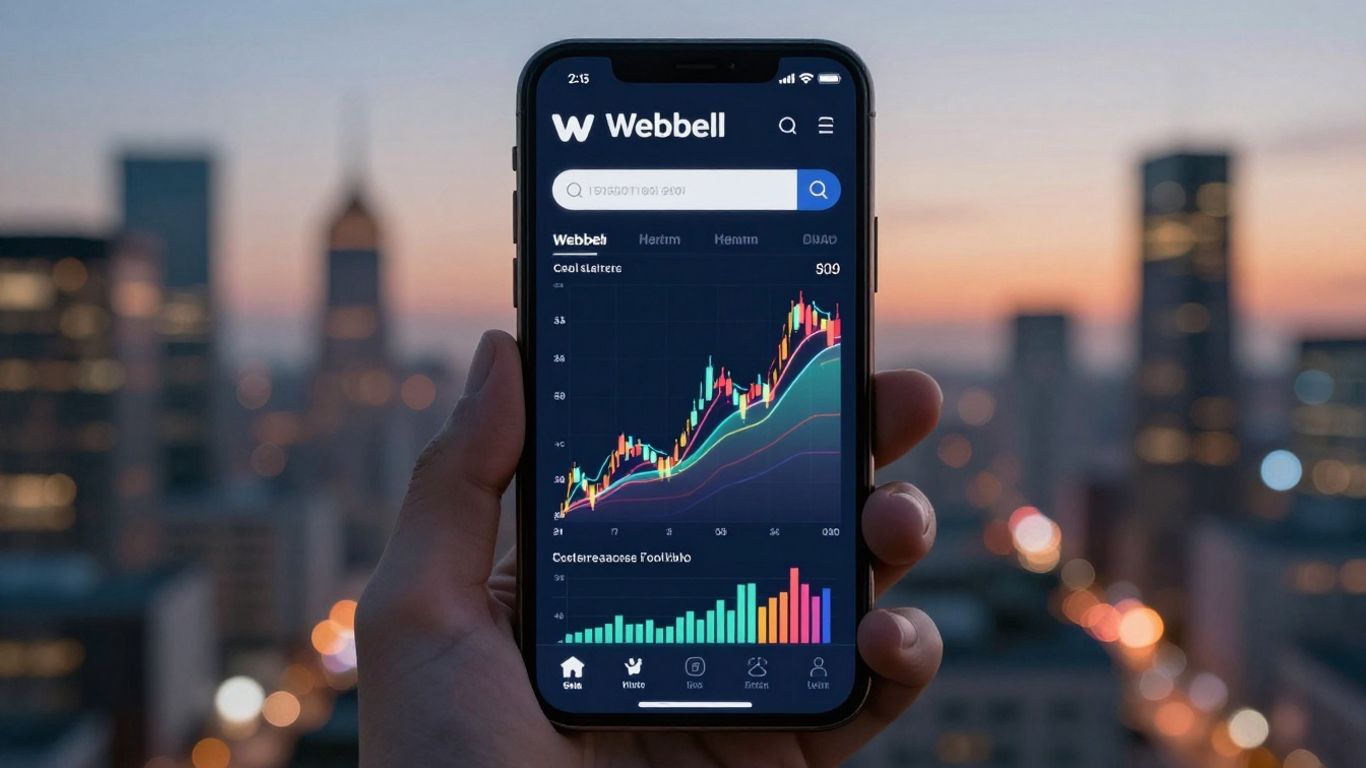
Webull is a trading platform that’s been gaining traction, especially with folks who like to trade on their phones. It’s known for offering commission-free trading on stocks, ETFs, and options, which is a big plus for keeping costs down. They also let you trade cryptocurrencies, which not all brokers do.
One of the things people seem to like about Webull is its charting tools. They’re pretty decent, especially for a mobile app. You get a good look at each stock, with links to news and what other traders are saying. Plus, you can fund your account quickly and buy parts of shares, called fractional shares. This makes it easier to get into investing even if you don’t have a ton of cash to start with.
While Webull aims to attract newer investors, some users have noted that the educational resources could be more robust. It’s a good idea to supplement your learning elsewhere if you’re just starting out.
Here’s a quick look at what Webull offers:
- Commission-free trading for stocks, ETFs, and options.
- Ability to trade cryptocurrencies.
- Fractional shares available for purchase.
- Instant account funding options.
- User-friendly mobile trading experience.
If you’re someone who prefers managing investments from a mobile device and wants a straightforward, low-cost platform, Webull is definitely worth a look. It’s a solid choice for active traders who appreciate good charting tools and the ability to trade a variety of assets without paying per-trade fees. You can check out their platform details to see if it fits your style.
Wrapping It Up
So, picking the right stockbroker really comes down to you and how you like to invest. There’s no single ‘best’ out there for everyone. The platform you choose should make things easier, not harder, for your investing habits. When a brokerage works well, it just sort of fades into the background, letting your money grow while you get on with life. We’ve looked at a lot of options for 2026, and hopefully, this guide has given you a clearer picture of what’s out there. Remember to keep an eye on things, as the market and these platforms are always changing. Happy investing!
Frequently Asked Questions
What makes a stockbroker ‘the best’ for me in 2026?
The ‘best’ stockbroker really depends on you! Think about how you like to invest, if you want to be very hands-on, and what kind of platform makes investing feel easy and natural. A good broker should help you invest smarter, not get in your way.
Are online brokers still important for my investments?
Yes, absolutely! Online brokers are like your gateway to buying and selling stocks. They’ve become super important because they offer easy-to-use tools, often let you trade for free or very cheaply, and give you access to information that helps you make smart choices for your money.
What are the main things to look for when choosing a broker?
When picking a broker, check out their fees to make sure they’re low. Also, see how good their customer service is – can you get help when you need it? Look at the tools they offer for research and learning, and check if they have any special deals for new customers.
How easy are broker platforms to use?
Most modern broker platforms are designed to be user-friendly. They often have simple layouts and clear instructions. Many also have great mobile apps so you can check your investments or make trades right from your phone, wherever you are.
What’s new in the world of stockbrokers for 2026?
The biggest trends are making things even cheaper and easier! Many brokers now offer free stock and ETF trading. They’re also adding cool new tech like AI tools to help with analysis in your day-to-day investing.
Can I trade stocks on my phone?
Yes! Most brokers have really good mobile apps now. This means you can check on your investments, buy or sell stocks, and keep up with market news right from your phone, no matter where you are.