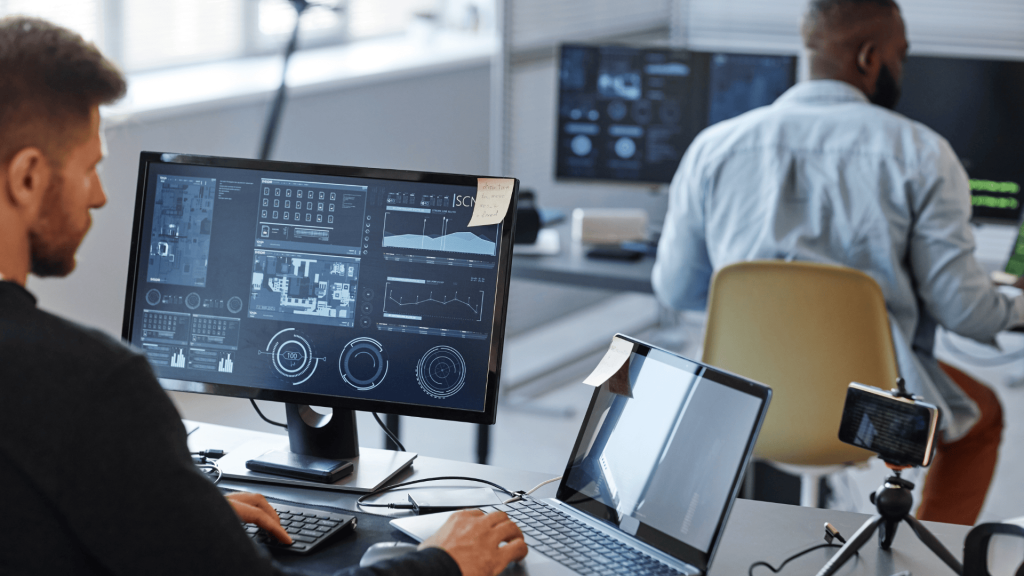
Companies across industries are turning to connected technologies to gain real-time insights into their operations, streamline processes, and enhance overall performance. From logistics to fleet management, the ability to see and respond to what’s happening on the ground can make a significant difference in competitiveness and profitability.
The Role of Connected Technologies in Modern Operations
Connected technologies, often referred to as the Internet of Things (IoT) for business, are transforming how organizations manage their operations. By linking equipment, vehicles, and devices to centralized systems, companies can monitor activity in real-time, automate data collection, and reduce reliance on manual reporting. This increased connectivity not only helps identify inefficiencies but also enables proactive decision-making.
For example, sensors installed in machinery can alert managers to potential malfunctions before they occur, minimizing downtime. Similarly, connected supply chain tools allow for instant updates on inventory levels, helping businesses maintain stock without overordering or facing shortages.
Enhancing Fleet Management and Efficiency
One of the most visible applications of connected technologies is in fleet management. By integrating data from vehicles into a centralized platform, companies can track location, monitor performance, and optimize routes. This visibility ensures that drivers follow planned schedules and reduces fuel consumption, ultimately cutting costs and improving service delivery.
A practical tool in this domain is vehicle tracking, which provides organizations with real-time updates on fleet movements. Beyond simple location tracking, these solutions often include features such as driver behavior monitoring, engine diagnostics, and predictive maintenance alerts. The result is a more efficient, safer, and cost-effective fleet operation.
Real-Time Data for Smarter Decisions
Operational visibility isn’t just about knowing where assets are; it’s about understanding what’s happening across all areas of a business. Connected technologies allow managers to access real-time data on production, distribution, and resource allocation. This immediate insight helps identify bottlenecks, anticipate challenges, and allocate resources where they are needed most.
For instance, in manufacturing, connected machinery can provide ongoing performance metrics, alerting staff to slowdowns or quality issues. In logistics, sensors can monitor temperature-sensitive goods, ensuring that shipments remain within safe conditions. This level of visibility helps businesses act quickly, preventing small issues from escalating into costly problems.
Improving Collaboration Across Teams
Connected technologies also enhance communication and collaboration among teams. With centralized data accessible to multiple stakeholders, employees can coordinate more effectively, make informed decisions, and respond faster to changing circumstances. Cloud-based dashboards, mobile apps, and integrated reporting tools ensure that everyone, from frontline staff to senior management, has access to the same accurate, up-to-date information.
For global organizations, this connected approach eliminates delays caused by fragmented reporting systems or reliance on outdated information. Teams can react proactively to operational challenges, improving service delivery and customer satisfaction.
The Future of Operational Visibility
As businesses continue to adopt connected technologies, operational visibility will become increasingly sophisticated. Artificial intelligence, machine learning, and predictive analytics will further enhance decision-making, allowing companies to anticipate issues before they occur and optimize performance across the board. The organizations that embrace these tools now will be better positioned to thrive in an increasingly competitive landscape.
Ultimately, improving operational visibility through connected technologies is not just a technical upgrade; it’s a strategic investment. By integrating real-time data, vehicle tracking, and collaborative platforms into daily operations, businesses can achieve greater efficiency, reduce costs, and make smarter decisions that drive long-term growth.

Tradersdna is a leading digital and social media platform for traders and investors. Tradersdna offers premiere resources for trading and investing education, digital resources for personal finance, market analysis and free trading guides. More about TradersDNA Features: What Does It Take to Become an Aggressive Trader? | Everything You Need to Know About White Label Trading Software | Advantages of Automated Forex Trading