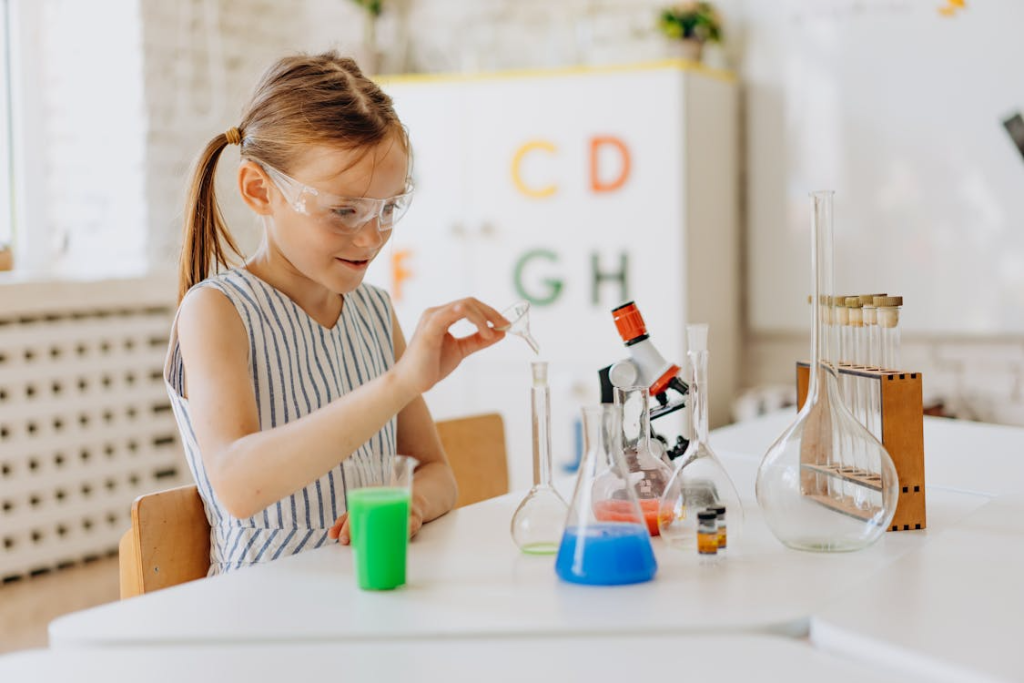
Science class used to mean reading from a heavy book and memorizing a list of parts of a cell. Today, that old way of teaching is changing into something much more active. Students are no longer just absorbing facts; they are figuring out how the world works through their own eyes.
Moving away from lectures creates a space where curiosity is the main driver of the day. Teachers are finding that when students take the lead, they stay engaged for much longer.
Transitioning to Inquiry-Based Models
Science education works best when it mirrors how scientists actually work in the field. Teachers can find a certified OpenSciEd partner and begin using research-based materials that focus on student questions. These instructional shifts help transform the room from a place of listening to a place of doing.
This new model relies on students looking at a puzzling event and trying to explain it. They do not get the answer on the first day.
It is a process that values the journey of learning as much as the final answer. When kids feel like they are the ones solving the mystery, their confidence grows.
Connecting Lessons To Student Curiosity
High-quality tools make a big difference in how much a student cares about a lesson. A report from the National Association of State Boards of Education suggests that high-quality tools link directly to what students wonder about in their own lives.
Instead, it uses the local community as a living lab. Students might study the water in a local creek or the way the sun hits their playground. These connections make the science feel urgent and valuable.
Teachers notice that students are more likely to participate when they see themselves in the material. It stops being a chore and starts being a way to understand their own surroundings.
Engaging With Real World Data
Modern classrooms are beginning to use complex information in ways that were once reserved for professionals. Research published through Digital Promise indicated that specific lesson designs helped students connect better with data sets. This helps them build the skills needed to interpret information in a digital world where data is everywhere.
Instead of looking at static graphs that never change, students interact with shifting numbers. They look for patterns and try to explain why those patterns exist in nature.
It prepares them to be skeptical and thoughtful about the information they see online. They learn to ask where the data came from and what it actually proves.
Meeting The Needs Of A Modern Workforce
The demand for technical skills is growing at a rapid pace across many different industries. Information from the National Science Foundation highlights that STEM jobs now make up 25% of all workers in the country.
Many of these roles are in new fields like artificial intelligence and biotechnology that did not exist a few decades ago.
Students need more than just a passing grade to succeed in these career paths. They need to know how to solve problems that do not have easy answers in the back of a book.
This is why moving beyond textbooks is so critical for the economy. We are training the next generation of engineers and doctors by giving them the tools to explore.
Shifting From Memorization To Investigation
Moving away from traditional methods requires a change in how teachers plan their weeks. The focus is now on investigation rather than just reciting definitions of words. This new way of teaching follows a specific path to help kids learn:
- Students start with a phenomenon they cannot explain.
- They develop models to show their initial thinking.
- The class works together to refine those models over time.
- Final projects show a deep understanding of the core concepts.
This shift makes the classroom a more lively place to be. Every day brings a new puzzle that needs to be solved by the group. It encourages students to talk to each other and share their different perspectives.
The Impact of Hands-On Experience
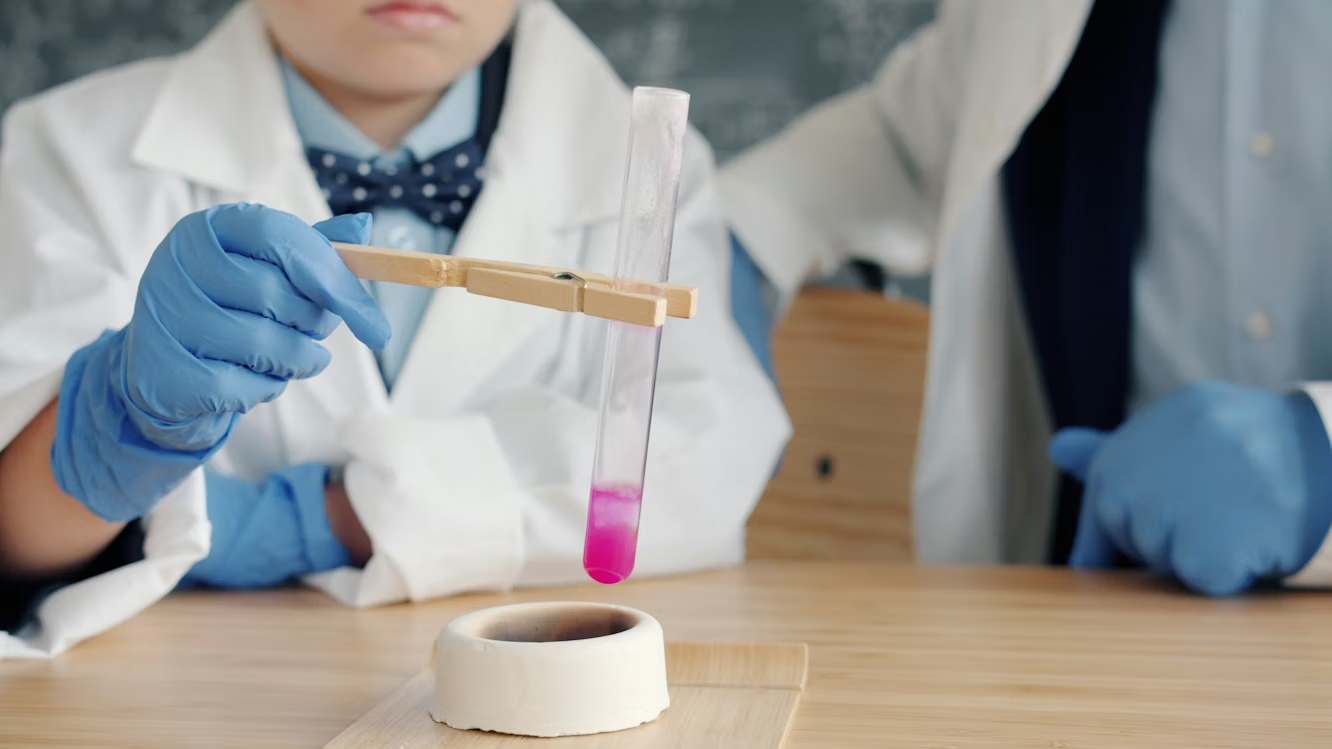
Reading about a chemical reaction is never the same as seeing it happen in front of you. When students use tools to measure and observe, the science becomes real and tangible. It stops being a series of facts and starts being an adventure.
These experiences build a foundation for lifelong learning. Even if a student does not become a scientist, they keep that sense of wonder about the world. They carry that curiosity into whatever job they choose later in life.
Hands-on learning helps students who might struggle with reading or traditional tests. It gives them a different way to show what they know. By using their hands and their eyes, they can practically prove their understanding.
The way we teach science will continue to evolve as new technologies emerge. Keeping students at the center of the discovery process is the best way to prepare them for the future. By moving beyond the textbook, we open up a world of possibilities for the next generation of thinkers.

A dad of 3 kids and a keen writer covering a range of topics such as Internet marketing, SEO and more! When not writing, he’s found behind a drum kit.