
Getting into trading can feel like trying to read a foreign language, right? So many terms, so many charts, and everyone seems to know something you don’t. If you’re just starting out and feeling a bit lost, this guide is for you. We’re going to break down the basics of trading for dummies, making it easier to understand without all the confusing jargon. Think of this as your friendly intro to the trading world, helping you take those first, often intimidating, steps.
Key Takeaways
- To make money trading over time, you really need to take it seriously and do your homework first.
- Successful traders stay focused, objective, and don’t let emotions get the better of them.
- When picking a broker, look for ones that are good for regular traders and have low fees, like Interactive Brokers or Webull.
- Traders often check things like how easy it is to buy and sell assets (liquidity), how much prices move (volatility), and how much interest there is (volume) before choosing what to trade.
- To figure out when to buy, traders look at things like chart patterns, trend lines, and volume to find good entry points.
Getting Started With Trading For Dummies
So, you’re thinking about jumping into the trading world? It can seem a bit overwhelming at first, like trying to figure out a new video game with no instructions. But honestly, it’s not as complicated as it looks. The key is to take it one step at a time and build a solid foundation. This section is all about getting you set up so you don’t feel lost before you even make your first trade.
Understanding The Trading Landscape
Trading involves buying and selling financial products, like stocks or currencies, with the goal of making a profit from small price changes. It’s a dynamic environment, and things can move pretty fast. Markets can be influenced by all sorts of things, from big economic news to what’s happening in other countries. It’s a bit like a busy marketplace where prices are always shifting. For beginners, it’s important to grasp that this isn’t a get-rich-quick scheme; it requires patience and a good dose of learning.
Essential Prerequisites For Success
Before you even think about putting money on the line, there are a few things you really need to have in place. Think of it like preparing for a big trip – you wouldn’t just leave without a map or packing the right clothes, right? For trading, these are your must-haves:
- Education: You need to learn the basics. This means understanding different trading strategies, how markets work, and importantly, how to manage the risks involved. Reading books, taking online courses, or even following reputable financial news can help a lot.
- A Plan: You can’t just trade randomly. You need a clear plan that outlines your goals, how much risk you’re comfortable with, and what your rules are for buying and selling. This plan is your roadmap.
- The Right Tools: This includes choosing a good trading platform and having the necessary capital. We’ll get into selecting a platform and funding your account in the next section.
The trading world can be exciting, but it’s also a place where mistakes can cost you money. That’s why preparation is so important. Don’t skip the learning phase; it’s what separates those who struggle from those who eventually find success.
Your Trading Apprenticeship Begins
Think of your first few months of trading as an apprenticeship. You’re learning a new skill, and it’s okay to not be perfect right away. The goal is to learn from every trade, whether it’s a win or a loss. You’ll want to start by researching different trading approaches and principles. This is where you’ll figure out what kind of trading might suit you best. It’s a good idea to practice with a simulator first, which lets you trade with fake money to get a feel for things without any real risk. This practice can help you get comfortable with how trading platforms work before you commit your own funds.
Building Your Trading Foundation
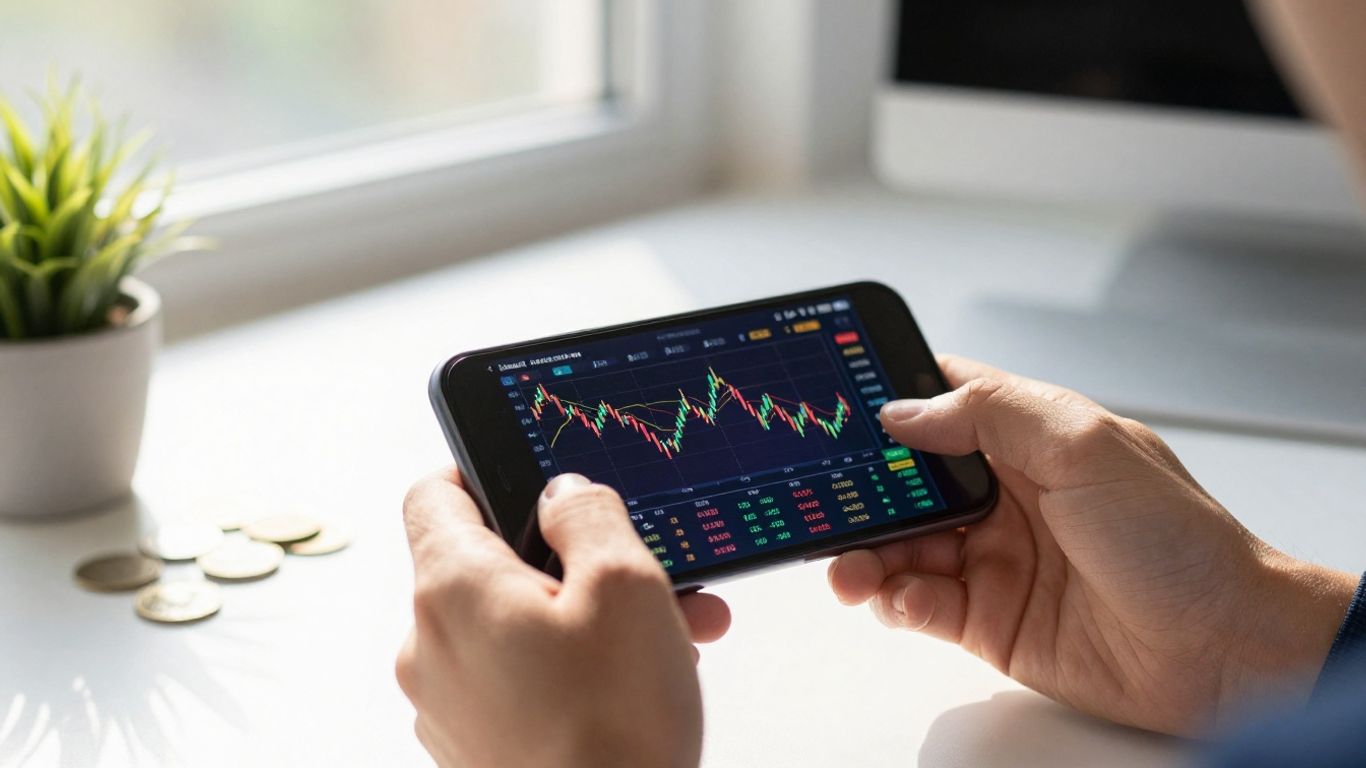
Getting your trading journey off the ground means setting up a solid base. It’s not just about picking stocks; it’s about having a plan and the right tools. Think of it like building a house – you wouldn’t start putting up walls without a blueprint and a strong foundation, right? Trading is similar. You need to know what you’re doing, have a clear strategy, and be set up with a reliable platform.
Researching Trading Strategies And Principles
Before you even think about placing a trade, you need to learn the ropes. This isn’t like learning to ride a bike where you can just hop on and figure it out. You need to understand how the markets work, what makes prices move, and what different approaches traders use. This means hitting the books, watching tutorials, and really digging into how things operate. You’ll want to get familiar with concepts like technical analysis, which involves looking at charts and patterns to predict future price movements. Also, understanding trading psychology is a big one – knowing why you might be tempted to make certain decisions and how to avoid them is key. And don’t forget risk management; this is super important for not losing all your money.
Developing Your Trading Plan
Once you’ve got a handle on the basics, it’s time to create your own roadmap. Your trading plan is your personal guide. It should clearly state what you aim to achieve, how much risk you’re comfortable with, and the specific strategies you’ll use. This plan needs to cover:
- Entry and Exit Points: When will you buy a particular asset, and when will you sell it?
- Risk Management Rules: How much money are you willing to lose on any single trade? A common rule is to risk only a small percentage of your total trading capital, like 1-2%.
- Asset Selection Criteria: What kind of assets will you focus on, and why?
It’s a good idea to test this plan out using a simulator before you put real money on the line. It helps you see how it works in practice without any financial pain.
Selecting A Trading Platform And Funding Your Account
Now you need a place to actually make your trades. This means choosing a trading platform, often provided by a broker. Look for one that’s known for being reliable, has reasonable fees, and executes your orders quickly. You don’t want a platform that lags when you’re trying to get in or out of a trade.
Once you’ve picked a platform, you’ll need to fund your account. Start with an amount you can afford to lose. Seriously, don’t put in your rent money or your emergency savings. It’s better to begin with a smaller sum while you’re still learning the ropes. This way, any mistakes you make won’t be financially devastating.
Building a solid foundation in trading involves more than just knowing how to click a button. It requires education, a well-thought-out plan, and the right tools. Skipping these steps is like trying to run a marathon without training – you’re likely to stumble.
Navigating Your First Trades
Alright, so you’ve got a plan and a platform ready to go. Now comes the part where you actually put some money on the line. It can feel a bit nerve-wracking, but remember, the goal here is to learn, not to get rich overnight. We’re going to take it slow and steady.
Starting Small With Low Capital
This is probably the most important piece of advice for anyone just starting out. Don’t go throwing your life savings into your first few trades. Seriously. Think of it like learning to swim; you don’t jump into the deep end right away, do you? You start in the shallow end. The same applies here. You want to use money that you can afford to lose without it messing up your rent or grocery budget. Many brokers now let you buy tiny pieces of stocks, called fractional shares. So, if a stock costs $100 a share, you could potentially buy just $10 worth. This lets you get a feel for how things work without risking a lot.
Understanding Order Types
When you decide to buy or sell something, you need to tell your broker how to do it. There are a few ways, but let’s look at the main ones:
- Market Order: This is like saying, "Just get me in or out, whatever the current price is." It’s fast, but you might not get the exact price you were hoping for, especially if the market is moving quickly.
- Limit Order: This is more specific. You say, "I’ll buy this stock only if it drops to $50," or "I’ll sell it if it goes up to $55." Your order will only go through if the market hits your specified price. This gives you more control over the price you pay or receive.
Choosing the right order type can make a big difference in your results, especially when you’re just starting. It’s about managing your expectations and controlling the price you enter or exit a trade.
Timing Your Trades Effectively
When you actually place your buy or sell orders can matter. The market can be pretty wild right when it opens. Prices can jump around a lot as everyone rushes in. For beginners, it’s often a good idea to just watch for the first 15-20 minutes. See how things are moving before you jump in. The middle part of the trading day is usually a bit calmer. Things can get busy again near the closing bell, but those early and late hours can be tricky. Stick to the quieter times when you’re learning the ropes.
Key Strategies For New Traders
Alright, so you’ve got the basics down and you’re ready to actually start making some moves. That’s exciting! But before you jump in headfirst, let’s talk about some smart ways to approach your first trades. It’s not just about picking a stock and hoping for the best; there’s a bit more to it.
What To Look For In Assets
When you’re starting out, trying to figure out which stocks or other assets to trade can feel overwhelming. You don’t want to just pick randomly. Think about things like how easily an asset can be bought and sold without causing a big price change – that’s called liquidity. Also, how much is the price likely to move around? That’s volatility. And finally, how much trading is actually happening? That’s volume. High volume and decent liquidity can make it easier to get in and out of trades without too much trouble. For beginners, it’s often best to stick with assets that are well-known and have plenty of trading activity.
When To Enter Trades
Knowing when to buy is just as important as knowing what to buy. You can’t just say "I’ll buy when the price goes up." That’s too vague. You need specific conditions. For example, you might decide to buy a stock only when its price breaks above a certain chart pattern, and only if that pattern happened after the stock was already trending upwards. It sounds complicated, but it’s about having a clear signal. Many traders look at charts, like candlestick charts, to spot these patterns. They also pay attention to news that could affect prices.
Deciding When To Exit Trades
This is where a lot of new traders stumble. You’ve made a trade, and it’s going well, or maybe it’s not. You need a plan for getting out. This usually involves two things: taking profits and cutting losses. A profit target is a price you set where you’ll sell to lock in your gains. On the flip side, a stop-loss order is an automatic sell order if the price moves against you, limiting how much you can lose. Having a clear exit strategy before you even enter a trade is super important. It helps you avoid making emotional decisions when the market is moving fast.
Here’s a simple way to think about exiting:
- Profit Target: Set a realistic price goal for your trade. If it hits that, sell.
- Stop-Loss: Decide the maximum amount you’re willing to lose on this trade. If the price hits that point, sell to prevent bigger losses.
- Time Limit: Sometimes, a trade just isn’t working out, even if it hasn’t hit your stop-loss. You might decide to exit after a certain amount of time if the price isn’t moving as expected.
It’s easy to get caught up in the excitement of a trade, whether it’s winning or losing. But remember, the goal is to have a plan for both scenarios. Don’t let your feelings dictate when you buy or sell. Stick to the rules you set for yourself beforehand. This discipline is what separates traders who consistently make money from those who don’t.
Mastering Trading Discipline

Trading isn’t just about picking the right stocks or knowing when to buy. A huge part of it, maybe the biggest part, is about controlling yourself. It sounds simple, but when real money is on the line, things get complicated fast. Sticking to your plan, even when your gut is screaming at you to do something else, is what separates the traders who stick around from the ones who don’t.
Sticking To Your Trading Plan
Think of your trading plan like a roadmap. You wouldn’t start a road trip without one, right? Your plan should lay out exactly what you’re looking for in a trade, when you’ll get in, and most importantly, when you’ll get out. This includes setting specific price targets and stop-loss levels. A stop-loss order is basically an instruction to sell a security if it drops to a certain price, limiting your potential losses. It’s a safety net. Without a clear plan, you’re just guessing, and guessing with money is a bad idea.
Here’s a quick rundown on why a plan is so important:
- Clarity: It tells you what to do in different market situations.
- Consistency: It helps you make similar decisions over and over, which is key to finding what works.
- Risk Management: It defines how much you’re willing to lose on any single trade, preventing big, sudden losses.
Remember, your plan isn’t set in stone forever, but you shouldn’t change it on a whim just because a trade isn’t going your way. Adjustments should be thoughtful, based on data and analysis, not emotion. For beginners, viewing the initial strategy as an apprenticeship is a good mindset; focus on building a solid process rather than just chasing profits. This initial approach helps build a foundation for long-term success.
Controlling Emotions In Trading
This is where things get really tough. Fear and greed are the two biggest enemies of a trader. Fear can make you sell too early, missing out on potential gains. Greed can make you hold on too long, hoping for just a little bit more, and then watch your profits disappear. It’s a constant battle.
When you’re in a trade, especially one that’s losing money, it’s easy to get emotional. You might feel a strong urge to keep trading, hoping to
Essential Tips For Trading For Dummies
Getting into trading can feel like a lot, and honestly, it is. But there are some straightforward things you can do to make it less overwhelming and, hopefully, more successful. Think of these as the basic rules of the road before you even get behind the wheel.
Knowledge Is Power In Trading
Seriously, don’t just jump in without knowing what you’re doing. It’s like trying to bake a cake without a recipe. You need to learn the basics of how markets work, what different terms mean, and what kind of news might actually move prices. Spend time reading up on how trading works, maybe take a free online course, and keep an eye on reliable financial news sources. The more you know, the less likely you are to make a costly mistake.
Setting Aside Dedicated Funds
This is a big one. Only trade with money you can genuinely afford to lose. Don’t use your rent money or your emergency savings. A good rule of thumb is to figure out a small percentage of your total trading capital that you’re willing to risk on any single trade. For example, if you have $10,000 in your trading account, risking maybe 1% ($100) per trade is a lot more sensible than risking $1,000.
Committing Sufficient Time To Trading
Trading isn’t something you can do effectively while also juggling a full-time job and a social life, especially when you’re starting out. You need to be able to watch the markets, react to changes, and stick to your plan. If you can only spare an hour here or there, you might want to reconsider day trading and look at longer-term investment strategies instead. You need to be present and focused.
Here’s a quick look at how much you might risk:
| Account Size | Risk Per Trade (1%) | Max Loss Per Trade |
|---|---|---|
| $1,000 | $10 | $10 |
| $5,000 | $50 | $50 |
| $10,000 | $100 | $100 |
| $25,000 | $250 | $250 |
Remember, these are just examples. The key is to set a limit that feels comfortable for your financial situation and stick to it. It’s about managing risk, not just chasing profits.
Wrapping It Up
So, you’ve taken your first steps into the trading world. It might feel a bit overwhelming right now, and that’s totally normal. Remember, nobody starts out as a pro. The key is to keep learning, stick to your plan, and manage your risks. Don’t let emotions get the better of you, and always remember to only trade with money you can afford to lose. Trading is a marathon, not a sprint, so be patient with yourself and celebrate the small wins along the way. Keep practicing, keep refining your approach, and you’ll find your footing.
Frequently Asked Questions
What’s the first thing I should do before I start trading?
Before you even think about trading, it’s super important to learn the basics. Think of it like learning the rules of a game before you play. You need to understand different trading methods and how the market works. Reading books, taking simple online courses, and studying how prices move are great ways to start. Also, always learn about managing your money and the risks involved.
Do I need a lot of money to start trading?
Not necessarily! You can start trading with a small amount of money. The key is to only use money you can afford to lose, especially when you’re just learning. Many platforms let you trade with small sums, and some even allow you to buy parts of a share, which is called a fractional share. Starting small helps you learn without risking too much.
What’s a trading plan and why is it important?
A trading plan is like a roadmap for your trading journey. It includes your goals, how much risk you’re okay with, and the specific strategies you’ll use. It tells you exactly when to buy and sell, and how much money you’ll risk on each trade. Having a plan helps you stay focused and avoid making impulsive decisions based on emotions.
How do I know when to buy or sell a stock?
Figuring out the best time to buy or sell takes practice. Traders often look at things like how easily a stock can be bought or sold (liquidity), how much its price moves around (volatility), and how many people are trading it (volume). They also use tools like charts and news to spot patterns and decide on entry and exit points. It’s often wise for beginners to wait a bit after the market opens to see how things are moving before making a trade.
What are some common mistakes new traders make?
New traders often let their emotions get the best of them, leading them to chase losses or make impulsive decisions. Another mistake is not having a solid trading plan or not sticking to it. Some also jump into trading without enough knowledge or try to trade risky things like penny stocks. It’s also common to invest money they can’t afford to lose.
How important is discipline in trading?
Discipline is incredibly important, maybe even the most important thing! It means sticking to your trading plan even when things get tough or exciting. It’s about controlling your emotions, like fear or greed, so they don’t make you make bad choices. Successful traders always plan their trades and then trade their plan, no matter what.