Day trading is a fast-paced game. You’re trying to catch small price changes to make money, and you have to do it all in the same day. This means you need the right tools. Having the right trading platform is super important; it can really make or break your trading. If you want to play in the quick-moving markets, you need something that lets you make fast choices, see accurate data, and get your trades done smoothly. This guide looks at the best day trading platforms for beginners in 2026.
Key Takeaways
- Webull is a good all-around choice for beginners, mixing easy use with decent tools and no commissions.
- Charles Schwab offers the thinkorswim platform, which is great for learning with its simulator and lots of educational material.
- Interactive Brokers’ IBKR Lite is a solid pick for those who want more advanced tools as they get better at trading.
- Robinhood is the simplest to start with, perfect if you just want to get going without a lot of fuss, but it lacks deep educational features.
- Fidelity is also a good option for new traders, being easy to use and customize, which helps when you’re learning the ropes.
1. Webull
Webull is a pretty solid choice if you’re just starting out with day trading, especially if you like doing things on your phone. It’s got this really clean look to it, which makes it less intimidating than some of the more complex platforms out there. They offer commission-free trading for stocks, ETFs, and options, which is a big deal when you’re trying to keep costs down. Plus, you get access to free Level 2 market data, which is usually something you have to pay extra for. This can help you see what’s going on with buy and sell orders, giving you a bit more insight.
Here’s a quick look at what Webull offers:
- Commission-Free Trades: No fees for stocks, ETFs, and options.
- Extended Trading Hours: Trade from 4 AM to 8 PM EST.
- Paper Trading: Practice with virtual money before using real cash.
- Charting Tools: Over 50 technical indicators and customizable charts.
- Mobile-First Design: Great for trading on the go.
They also have a paper trading account, which is super useful. It lets you mess around with trades using fake money so you can get a feel for the platform and test out strategies without risking your own cash. It’s a good way to build some confidence before you jump into real trading.
Webull’s platform is designed to be user-friendly, making it easier for new traders to learn the ropes. The community forums can also be a good place to see what other traders are talking about and pick up some ideas.
While Webull is great for beginners, it’s worth noting that some more experienced traders might find it lacks the depth of research tools or direct market access that other platforms provide. But for getting started and learning the basics, it’s definitely a strong contender.
2. Charles Schwab
Charles Schwab is a big name in the investing world, and for good reason. They’ve really stepped up their game, especially with the integration of the thinkorswim platform. This makes it a powerhouse for day traders, even beginners, who want serious tools without a huge learning curve.
If you’re just starting out, Schwab offers a $0 minimum deposit for active investing, which is pretty sweet. You also get commission-free trades for stocks and ETFs, and they don’t charge transaction fees on a ton of mutual funds. That can really add up when you’re trading frequently.
Here’s a quick look at some of their trading costs:
| Trade Type | Cost |
|---|---|
| Stock/ETF Trades | $0.00 |
| Options (Contract) | $0.65 |
One of the coolest things is their "Stock Slices" feature. It lets you buy parts of shares from S&P 500 companies for as little as $5. So, you can get into some big names without needing a lot of cash upfront. They also have a robo-advisor service called Schwab Intelligent Portfolios, which is a nice option if you want some automated help managing your money.
The thinkorswim platform is where Schwab really shines for active traders. It’s packed with advanced charting tools, hundreds of technical indicators, and drawing tools. You can even test out trading strategies to see how they might have performed in the past. It’s designed for speed, with features like one-click order entry and customizable hotkeys to make your trading faster and more efficient.
Schwab also provides a lot of research material, like market commentary and earnings reports from reputable sources. Plus, they have over 300 physical branches if you ever need in-person help, and their customer support is available 24/7 by phone or chat. They really cover all the bases.
3. Interactive Brokers
Interactive Brokers, often called IBKR, is a big player in the trading world, especially if you’re looking to get serious about day trading. They’ve got this platform called Trader Workstation (TWS) that’s packed with tools. Think of it like a professional’s toolkit – it’s got advanced order types, direct market access, and ways to automate your trades. It’s not the simplest thing to learn at first, but for active traders, it’s pretty powerful.
IBKR offers some of the lowest margin rates out there, which can make a big difference if you’re borrowing money to trade. They also give you a clear view of your margin usage in real-time, so you know exactly where you stand before you even place a trade. This transparency is a big deal for managing risk.
Here’s a quick look at what they offer:
- Trader Workstation (TWS): This is their main desktop platform. It’s super customizable, letting you set up your screens exactly how you want them, with charts, news feeds, and whatever else you need. You can even set up bracket orders right away to manage your risk automatically.
- Global Market Access: If you’re interested in trading stocks beyond the US, IBKR gives you access to over 150 markets worldwide. That’s a lot of options for diversifying your portfolio.
- Paper Trading: They have a simulator so you can practice trading with fake money before you risk your own. It’s a good way to test out strategies without any real-world consequences.
While IBKR is fantastic for experienced traders, beginners might find the sheer number of features a bit overwhelming initially. It takes time to get comfortable with all the options, but the platform definitely grows with you as your trading skills develop. It’s a solid choice if you plan to stick with trading long-term and want a platform that can keep up with your ambitions.
4. Robinhood
Robinhood really shook things up when it first came out, basically kicking off the whole commission-free trading trend. For folks just dipping their toes into the stock market, it’s pretty much the go-to for its super simple, mobile-first approach. You open the app, and it just feels easy to use, which is a big deal when you’re trying to figure out buying and selling without getting overwhelmed.
It’s designed to be straightforward, making the whole process of trading stocks, ETFs, and even some cryptocurrencies feel less intimidating. They also let you buy fractional shares, meaning you don’t need a ton of cash to start owning a piece of a company. Plus, you can often get instant access to deposited funds, so you can jump into trading pretty quickly.
Here’s a quick look at what Robinhood offers:
- Commission-Free Trading: No fees for buying or selling stocks, ETFs, and options.
- Fractional Shares: Buy parts of shares, making expensive stocks more accessible.
- Crypto Trading: Integrated crypto trading within the same app.
- 24-Hour Trading: Available on select stocks and ETFs, which is a nice perk.
- Robinhood Gold: A subscription option that gives you access to margin trading and more in-depth research.
While Robinhood makes trading incredibly accessible, it’s worth noting that the platform is pretty basic when it comes to research tools and educational materials. You’re mostly on your own to figure things out and build your investment strategy. It’s great for getting started, but serious traders might find it lacks the depth they need down the line.
It’s definitely a platform that prioritizes ease of use above all else. If you want a no-frills way to start trading on your phone, Robinhood is a solid choice. Just be aware that the learning curve for advanced trading strategies might be steeper since the platform doesn’t offer much in the way of built-in guidance or complex analytical tools.
5. Fidelity
Fidelity is a solid choice for beginners dipping their toes into day trading. They’ve got this platform called Active Trader Pro, which sounds intense, but it’s actually pretty user-friendly once you get the hang of it. It’s customizable, which is nice, and they even have guided tutorials to help you figure things out without feeling totally lost. What really makes Fidelity stand out is their focus on education and support.
One of the coolest things is their Active Trader Strategy Desk. It’s like having a coach available for real-time help and learning new strategies. Plus, they have paper trading, so you can practice making trades with fake money before you risk your own cash. This is super important for learning the ropes without making expensive mistakes right out of the gate. They also don’t take payment for order flow, which they say means better prices for your trades.
Here’s a quick look at some of their fees:
| Trade Type | Cost |
|---|---|
| Stock/ETF Trades | $0.00 |
| Options (Per Contract) | $0.65 |
| Mutual Funds | $0.00* |
*Note: Some mutual funds may have transaction fees.
Fidelity also has a ton of educational material, from basic stuff to more advanced trading ideas. They even have live events and webinars. It feels like they really want you to succeed, which is a big plus when you’re just starting out. You can even buy fractional shares for as little as $1, which is great for managing your money when you’re new to [investing].
They make it pretty clear how margin works on your positions, which is something that can really confuse new traders. Seeing your margin requirements right there helps you understand your risk better.
6. E*TRADE
ETRADE is a solid choice for beginners looking to get into day trading, especially if you’re interested in options. They have a couple of different platforms, which is pretty neat. You’ve got the standard ETRADE web platform, which is pretty straightforward, and then there’s Power ETRADE. This Power ETRADE is where things get more interesting for active traders. It’s a web-based platform, so no need to download anything, and it’s built for speed and flexibility.
The Power E*TRADE platform really shines with its options trading tools. It’s got customizable options chains, makes it easy to build multi-leg strategies, and shows you risk and probability visuals clearly. Plus, the economic and earnings calendar is super helpful for spotting potential trading opportunities right from events. It’s a good place to start if you want to learn the ropes without feeling overwhelmed.
Here’s a quick look at some of the costs:
| Trade Type | Cost |
|---|---|
| Stock Trades | $0.00 |
| ETF Trades | $0.00 |
| Options (Per Contract) | $0.65 |
E*TRADE provides a good mix of tools for both new investors and more active traders. Their educational resources are also quite extensive, covering a lot of ground from basic investing concepts to more advanced trading strategies. This makes it a platform that can grow with you as your skills develop.
They also have a paper trading feature, which is great for practicing your strategies without risking real money. It’s a smart way to get a feel for the platform and test out your trading ideas before you commit your capital. You can explore the E*TRADE platform to see if it fits your trading style.
7. TradeStation
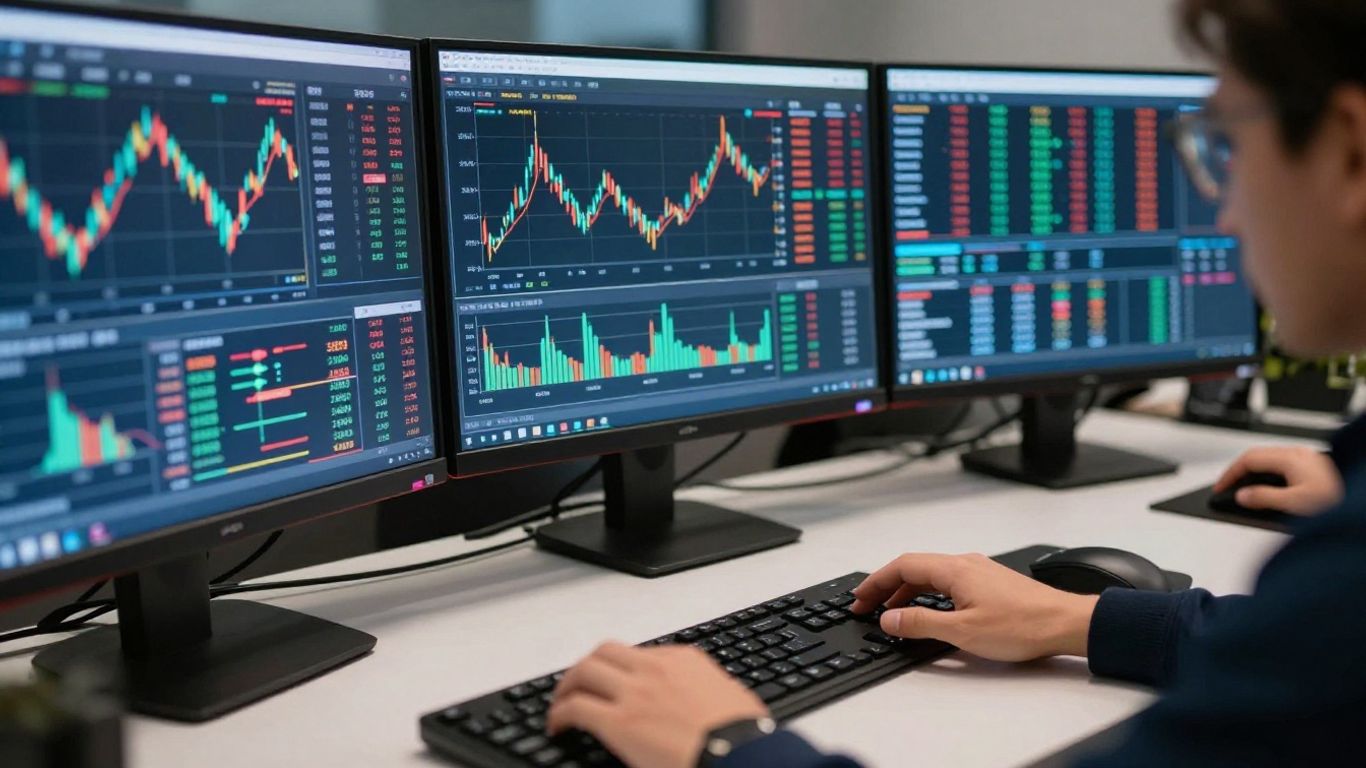
TradeStation is a brokerage that really leans into serving active traders, and their platform, especially the newer Titan X, shows it. It’s built for people who want speed and control, not so much for folks just dipping their toes in. If you’re big into technical analysis or complex options plays, this might be your spot.
Their charting tools are a major highlight. You get over 100 indicators you can tweak, and the drawing tools are pretty precise. When it comes to placing trades, it’s also well-designed. You can set up bracket orders easily, figure out your risk based on percentages, and see all the important Greeks for options trades. It feels like it’s made for making quick, informed decisions.
Here’s a quick look at some of their pricing:
| Feature | TradeStation |
|---|---|
| Minimum Deposit | $0.00 |
| Stock Trades | $0.00 |
| Options (Per Contract) | $0.60 |
TradeStation isn’t really for the casual investor. It’s geared towards those who spend a lot of time analyzing charts and executing specific strategies. If you’re a beginner, you might find it a bit much to handle at first. They also charge fees for things like IRA maintenance and exercising options, which is something to keep in mind.
It’s a solid choice if you’re serious about technical trading and options strategies, but maybe not the first place to look if you’re just starting out and want something super simple.
8. tastytrade
tastytrade is a pretty interesting platform, especially if you’re into options trading. They really focus on education and have a ton of content to help you learn the ropes, which is great for beginners who want to get a handle on things.
Their whole approach is built around a "small risk, high probability" trading philosophy. They encourage you to trade frequently but with smaller amounts, aiming for consistent, small wins rather than big, risky bets. This can be a good mindset for new traders to adopt.
Here’s a quick look at some of their features:
- Options Focus: They offer a lot of tools and research specifically for options. If that’s your main interest, you’ll probably feel right at home.
- Educational Resources: Seriously, they have a lot. Videos, webinars, articles – it’s all there to help you understand their trading style and the markets.
- Trading Platform: It’s pretty straightforward. You can trade stocks, ETFs, and options. They have a simulator too, which is super handy for practicing without losing real money.
- Commissions: They used to charge for options trades, but now they’ve gone commission-free for stocks and ETFs, and have a flat fee for options trades, which is a big plus.
| Feature | Details |
|---|---|
| Minimum Deposit | $0 |
| Stock/ETF Trades | $0 commission |
| Options Contracts | $0 commission (plus $10 per trade fee) |
| Platform | Web-based, Desktop, Mobile |
| Trading Style Focus | Small risk, high probability options trading |
While tastytrade is great for learning and practicing options strategies, remember that any trading involves risk. It’s wise to start small and use their simulator extensively before committing significant capital. Their educational content is a big draw, but it’s important to develop your own trading plan based on your personal financial situation and risk tolerance.
9. thinkorswim

When you’re ready to get serious about day trading, thinkorswim, now part of Charles Schwab, is a platform that really stands out. It’s not just another trading app; it’s a full-blown desktop trading station packed with tools that even seasoned pros use. This platform is built for traders who want to analyze everything.
Thinkorswim offers some of the best charting tools out there. You get hundreds of indicators, drawing tools, and ways to look at price action that can help you spot patterns. It’s also got this feature called paperMoney, which is basically a simulator. You can practice trading with fake money in real market conditions, which is super helpful for testing out new strategies without risking your actual cash. It’s a great way to get a feel for the platform and see how your ideas play out before you put real money on the line.
Here’s a quick look at what makes it tick:
- Advanced Charting: Access to a huge library of technical indicators and drawing tools.
- Strategy Backtesting: Test your trading ideas against historical data.
- Options Analysis: Powerful tools for understanding and trading options.
- Market Data: Real-time news, economic calendars, and Level 2 data.
- Customization: Tailor the platform to fit your specific trading style.
The interface might seem a bit much at first, especially if you’re used to simpler apps. It takes some time to learn all the ins and outs, but the effort is usually worth it for the level of control and insight you gain. It’s designed for active traders who want to dig deep into the market.
If you’re looking for a platform that offers serious analytical power and a robust trading environment, thinkorswim is definitely worth checking out. It’s a platform that grows with you as your trading skills develop, providing the depth needed for complex strategies and detailed market analysis. You can explore more about its capabilities on the Charles Schwab website.
10. Power E*TRADE
Power ETRADE is ETRADE’s high-powered choice for folks who want speed, flexibility, and all the advanced trading bells and whistles, right in their browser. It’s built to serve both stock and options traders who don’t want to install any extra software but still need a ton of features at their fingertips. What makes Power E*TRADE stand out is how many tools and customizations it packs into a simple online format—without making things overwhelming for beginners.
Here’s a quick look at the main costs on Power E*TRADE:
| Product | Minimum Deposit | Stock Trades | Options (Per Contract) |
|---|---|---|---|
| Power E*TRADE | $0.00 | $0.00 | $0.65 |
If you’re new, here are the top features you’ll notice:
- Super customizable charts, with dozens of studies and overlays.
- An options tool that’s actually easy to use—great for building complex, multi-leg strategies without headaches.
- A slick calendar tool that lets you spot market events, see predicted moves, and even build trades around them.
- Real-time news, advanced screeners, and trade alerts to help you stay ahead.
When I opened my Power E*TRADE account, I expected to get lost in the menus. Instead, I ended up spending hours just trying out different chart tools and watching how quickly things updated.
One heads-up: sometimes Power ETRADE blends advanced info with basic stuff, so complete newcomers might hit a learning curve (onboarding for new users). If you’ve got a bit of patience, though, the platform’s flexibility really pays off. For anyone hoping to start basic but grow into more advanced trades—especially with options—Power ETRADE is worth your attention.
Wrapping Up Your Platform Search
So, you’ve looked at the options for day trading platforms in 2026. Remember, picking the right one is a big step, but it’s not the only step. The best platform is just a tool, and like any tool, it works best when you know how to use it. Focus on learning the ropes, practicing with demo accounts until you’re comfortable, and always, always keep an eye on your risk. Don’t jump in with money you can’t afford to lose. Keep learning, stay disciplined, and you’ll be well on your way to making informed decisions in the fast-paced world of day trading.
Frequently Asked Questions
How much money do I actually need to start day trading?
While many platforms let you start with any amount, there’s a big rule in the U.S. called the pattern day trader rule. If you want to make more than three trades in five days, you need at least $25,000 in your margin account. If you have less, you’re limited. It’s smart to have at least $10,000 to $15,000 to have some real buying power, but remember, many beginners lose money at first, so only use money you can afford to lose.
What’s the easiest day trading platform for someone who’s never done it before?
For total beginners, platforms like Webull and Robinhood are super easy to use, especially on your phone, and they don’t charge commissions. Webull is a bit better because it has more tools for charting and a practice mode. If you want to learn a lot and get serious quickly, Charles Schwab with its thinkorswim platform or Interactive Brokers’ IBKR Lite are good choices too.
Can I use more than one trading platform at the same time?
Yes, it’s totally common for day traders to have accounts with different brokers and use multiple trading platforms. Sometimes one platform is better for looking at charts, while another is better for trading options. It’s also a good idea to have a backup account ready in case your main platform has a technical issue.
Which day trading platform is the fastest?
The fastest platforms are usually desktop-based ones like TradeStation, tastytrade, Charles Schwab’s thinkorswim, Interactive Brokers’ Trader Workstation (TWS), and Webull. This is because the program runs right on your computer. However, really well-made web platforms can be just as fast. Your internet connection is often the biggest factor in how fast trades go through.
What’s the best mobile app for day trading?
For 2026, Interactive Brokers’ trading app is considered the best. Our tests show it has advanced tools, detailed order options, and is easy to use, which is super important when you’re trading on your phone. While other apps are good, IBKR’s app offers the most complete set of tools for active traders on the go.
How long does it usually take to get good at day trading and make money?
Becoming a consistently profitable day trader usually takes at least six months to two years of really focused practice. Many traders never reach that point. It involves learning how to read charts, managing your emotions, controlling risks, and spotting patterns. Think of it like learning a demanding job – it takes a lot of time and effort. It’s not a get-rich-quick scheme.