
So, you’re looking to trade forex in the US and need to find the best forex trading broker? It can feel a bit overwhelming with all the options out there. We’re talking about a market that moves trillions every single day, and picking the right place to trade is a big deal. It’s not just about getting the lowest price on a trade; it’s about feeling secure, having tools that work for you, and knowing you can get help if you need it. This guide is here to break down what really matters when you’re choosing a broker in the US for 2026, so you can focus on your trading.
Key Takeaways
- Always check that your broker is regulated by US authorities like the CFTC and is a member of the NFA. This is super important for your protection.
- Look beyond just the spread. Factor in all the fees, like commissions and overnight charges, to get the real cost of trading.
- The trading platform you use is your main tool. Make sure it’s easy to use, has the charts and data you need, and works well on your phone.
- Don’t forget about customer service. When things go wrong, or you have a question, you want to talk to someone who knows what they’re doing.
- Consider what else you can trade besides forex. Some brokers offer stocks, crypto, and other things, which might be useful down the line.
Understanding the Core Requirements for US Forex Brokers
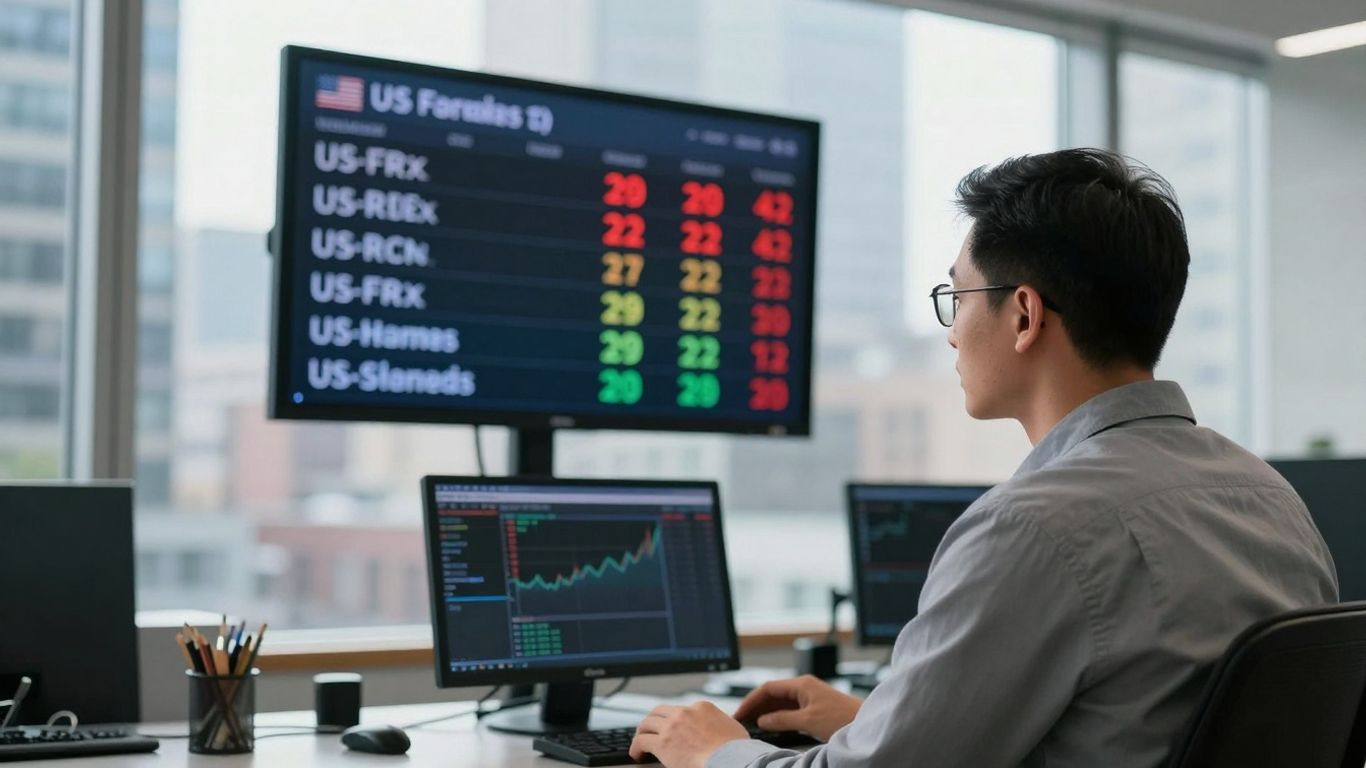
When you’re looking to trade forex in the United States, it’s not just about finding a platform with a lot of bells and whistles. There are some really important things you need to check first, especially when it comes to making sure your money is safe and that the broker is playing by the rules. Think of it like building a house; you need a solid foundation before you start decorating.
Regulatory Compliance and Oversight
This is probably the biggest one for US traders. Brokers operating in the US have to follow some pretty strict rules. They need to be registered with the Commodity Futures Trading Commission (CFTC) and be a member of the National Futures Association (NFA). This oversight is there to protect you, the trader, from fraud and bad practices. It means they have to keep client money separate from their own business funds and meet certain financial requirements. You can usually find their registration details right on their website. If a broker isn’t upfront about this, it’s a big red flag.
Here’s a quick rundown of what US regulation typically means:
- CFTC Registration: Required for any firm offering forex trading to US residents.
- NFA Membership: Brokers must be members of the NFA, which sets and enforces rules for the forex industry.
- Segregated Client Funds: Your money is kept separate from the broker’s operating capital.
- Leverage Limits: The CFTC and NFA impose limits on how much leverage traders can use (often capped at 1:50 for major pairs).
- SIPC Protection: While not directly for forex, some brokers might offer additional protections through the Securities Investor Protection Corporation (SIPC) for other assets they might hold.
Always verify a broker’s regulatory status with the NFA and CFTC websites. Don’t just take their word for it. This step is non-negotiable for your security.
Evaluating Trading Costs and Fees
Okay, so the broker is legit. Now, let’s talk about money. Trading forex isn’t free, and different brokers charge in different ways. You’ve got spreads, commissions, and sometimes other fees to think about. Spreads are the difference between the buy and sell price of a currency pair. Some brokers have very tight spreads but charge a commission on each trade, while others might have wider spreads but no commission. It really depends on how you trade.
Here’s a look at common costs:
- Spreads: The difference between the bid and ask price. Can be fixed or variable.
- Commissions: A fee charged per trade, often based on the volume traded.
- Swap Fees (Overnight Fees): Charged if you hold a position open overnight. These can be positive or negative depending on the currency pair and interest rates.
- Inactivity Fees: Some brokers charge a fee if your account remains inactive for a certain period.
It’s important to do the math based on your own trading habits. If you make a lot of small trades, commissions might add up. If you hold trades for a long time, swap fees could become significant. Look at the broker’s fee schedule carefully.
Assessing Platform Technology and Features
This is where you’ll actually be doing your trading. The trading platform is your window to the market, so it needs to work well for you. You want something that’s reliable, easy to use, and has the tools you need for your analysis. Some platforms are super basic, while others are packed with advanced charting and analysis tools. Think about what kind of trader you are. Are you someone who needs lots of technical indicators, or do you prefer a simpler interface?
Key platform aspects to consider:
- User Interface: Is it intuitive and easy to navigate, especially during fast market moves?
- Order Execution: How quickly and reliably are your trades placed? Look for information on slippage and requotes.
- Charting Tools: Does it offer the charts, indicators, and drawing tools you need for your technical analysis?
- Data Feeds: Are the price quotes real-time and accurate?
- Mobile Access: Can you trade effectively from your smartphone or tablet if needed?
Many brokers offer demo accounts, which are a fantastic way to test out their platform without risking real money. Seriously, use them! It’s the best way to see if the technology fits your trading style before you commit.
Key Factors in Selecting Your Best Forex Trading Broker
Picking the right forex broker in the US is a big deal, kind of like choosing a reliable car for a long road trip. You don’t want to get stuck somewhere with no help, right? So, let’s break down what really matters.
Broker Reliability and Trustworthiness
First off, you need to know your money is safe. In the US, this means the broker has to follow strict rules set by groups like the CFTC and NFA. It’s like having a referee making sure everyone plays fair. A broker that’s upfront about its regulations and has a solid history is usually a good sign. You can often find this info right on their website. Don’t be shy about looking into their background; it’s your money we’re talking about here.
Customer Support and Service Quality
What happens when you have a question at 10 PM on a Saturday? Good customer support is like having a helpful friend on standby. You want to be able to reach them easily, whether it’s by phone, email, or chat, and get clear answers. Check out what other traders are saying online about their support experiences. Sometimes, a quick chat with a support agent can save you a lot of headaches later on.
Educational Resources for Traders
Nobody starts as an expert. Even seasoned traders can learn new tricks. A broker that offers good educational materials can really help you grow. Think webinars, tutorials, market analysis, and guides. These can be super helpful whether you’re just starting out or looking to refine your strategy. It’s like having a personal coach to help you improve your game.
Choosing a broker isn’t just about the lowest fees or the fanciest platform. It’s about building a partnership. You need to feel confident that the broker is stable, will be there when you need help, and is invested in your learning and success as a trader.
Comparing Top Forex Brokers for US Traders
Alright, so you’re in the US and looking to trade forex. It’s a bit different here because of the regulations, which is actually a good thing for us traders. It means the brokers we can use have to play by some pretty strict rules. We’ve looked at a few that stand out for US folks, and here’s a quick rundown.
Forex.com: A Leading Choice for US Traders
Forex.com is a big name, and for good reason. They’ve been around, and they’re regulated here in the US. What really caught our eye is their mobile platform. If you’re someone who likes to trade or manage your account while you’re out and about, their app is pretty slick. It’s easy to use and has a good mix of features without feeling cluttered. They offer a decent number of currency pairs, and their trading tools are solid for both beginners and those with more experience.
- Regulatory Compliance: Fully regulated by the CFTC and NFA.
- Platform: User-friendly proprietary platform with a strong mobile app.
- Tradable Pairs: Offers 87 currency pairs.
- Account Minimum: $100 to get started.
While Forex.com has a lot going for it, it’s worth noting that for US clients, their product selection is limited to spot forex trades. Also, they don’t offer guaranteed stop loss orders for US clients, which is something to consider depending on your risk management strategy.
Interactive Brokers: Comprehensive Trading Solutions
Interactive Brokers is a bit of a powerhouse. They’re not just for forex; they offer a huge range of assets. If you want one place to trade forex, stocks, options, and more, they’re a strong contender. Their platform is packed with tools and data, which can be great if you’re an active trader who likes to dig deep. It might feel a little overwhelming at first if you’re brand new, but the sheer amount of resources and markets available is impressive.
- Broad Market Access: Trade forex alongside stocks, options, futures, and more.
- Advanced Platform: Feature-rich trading platform with extensive analytical tools.
- Global Reach: Access to numerous global markets.
- Pricing: Generally competitive, especially for active traders.
Tastyfx: Tailored for US Forex Participants
Tastyfx is another broker that specifically caters to US traders and has a good reputation. They focus on forex and offer a solid trading experience. You get access to a good selection of currency pairs, and their trading costs are generally competitive. They also provide a demo account, which is super helpful for practicing your strategies without risking real money. For US traders looking for a dedicated forex experience, Tastyfx is definitely worth a close look.
- US Focus: Designed with US traders in mind.
- Currency Pairs: Offers around 80+ forex pairs.
- Trading Costs: Competitive spreads and transparent fee structure.
- Practice Account: Demo account available for new traders.
Advanced Features and Trading Tools
Beyond the basics, the tools a broker provides can really make a difference in how you trade. We’re talking about the charting capabilities, how easy it is to trade on the go, and if you can automate your strategies. These aren’t just nice-to-haves; they can seriously impact your ability to react to market changes and execute your plans.
Charting Capabilities and Technical Analysis
When you’re looking at charts, you want to see everything clearly. Good charting tools let you zoom in on specific timeframes, draw trendlines, and apply indicators to spot patterns. Some platforms offer dozens of built-in indicators, while others let you create your own or use custom ones. The best platforms make it easy to switch between different chart types and timeframes without a hitch. For example, TradingView is known for its extensive charting features, with over 160 indicators and drawing tools available, plus the ability to use custom indicators through Pine Script. This makes it a strong choice for traders who focus heavily on technical analysis.
Mobile Trading Accessibility
Let’s face it, not all trading happens at a desk. Having a solid mobile app means you can check your positions, place trades, or react to news while you’re out and about. You’ll want an app that’s not just functional but also intuitive. Can you access all the same charts and tools you use on your desktop? Is it easy to manage your account and place orders quickly? A clunky mobile app can be a real headache when you need to act fast.
Automated Trading Options
Automated trading, often called algorithmic trading or using Expert Advisors (EAs), lets you set up trades to execute automatically based on predefined rules. This can be great for taking emotion out of trading and for executing strategies consistently. Platforms like MetaTrader 4 and MetaTrader 5 have built-in support for EAs, and many brokers offer access to these. Some newer platforms also provide their own automation tools, sometimes without requiring you to code, which can be a big plus for traders who aren’t programmers. It’s worth checking out Interactive Brokers if you’re interested in a wide range of markets and professional-grade tools, as their platforms support various trading strategies.
The right tools can transform your trading experience. Think about what you need most: detailed charts for analysis, the flexibility to trade from anywhere, or the power to automate your strategies. Don’t settle for less when so many brokers offer advanced features that can give you an edge.
Broker Offerings and Asset Variety
When you’re looking at forex brokers in the US, it’s not just about the currency pairs they offer. You’ve got to think about the whole picture – what else can you trade, how much can you borrow, and what are the rules around that? It’s like picking a restaurant; you want more than just one dish on the menu, right?
Range of Tradable Currency Pairs
Most US-based brokers will give you access to the major currency pairs, like EUR/USD, GBP/USD, and USD/JPY. That’s pretty standard. But some go further, offering a wider selection of minor and exotic pairs. If you’re interested in trading less common currency combinations, you’ll want to check how many pairs each broker provides. It’s not uncommon to see brokers offering anywhere from 50 to over 100 different currency pairs. More pairs mean more opportunities, but also potentially more complexity if you’re not familiar with them.
Access to Other Financial Instruments
Forex isn’t the only game in town for many brokers. Some US platforms let you trade other things too, all from the same account. Think stocks, exchange-traded funds (ETFs), futures, and even cryptocurrencies. This can be super convenient if you want to diversify your investments without opening multiple accounts. For example, Interactive Brokers is known for letting you trade a huge variety of assets across different markets and countries. It’s worth seeing if a broker’s extra offerings match your broader investment goals.
Leverage and Margin Considerations
This is a big one, and it’s where things can get a bit tricky. Leverage lets you control a larger position with a smaller amount of your own money, which is called margin. In the US, regulators like the CFTC and SEC put a cap on how much leverage retail traders can use. Currently, the maximum leverage for major currency pairs is typically 1:50. This means for every dollar you put up, you can control up to fifty dollars’ worth of the currency. It’s important to understand that while leverage can amplify your profits, it can also magnify your losses just as quickly. Always be aware of the margin requirements and the risks involved before you start trading with borrowed funds.
Making an Informed Decision for Your Trading Journey

So, you’ve looked at the regulations, checked out the costs, and maybe even played around with a few platforms. That’s great! But before you jump in with real money, let’s talk about how to really make sure you’re picking the right partner for your trading adventures. It’s not just about picking a name; it’s about finding a broker that fits you.
Aligning Broker Choice with Trading Style
Think about how you like to trade. Are you someone who likes to jump in and out of trades quickly, looking for small, frequent wins? Or do you prefer to set up a trade and let it run for days or even weeks? Your style matters a lot. A broker that’s great for a day trader might not be the best fit for a long-term investor, and vice versa. It’s like choosing the right tool for a job – you wouldn’t use a hammer to screw in a bolt, right?
Here are a few things to consider about your own trading habits:
- Frequency of Trades: How often do you plan to enter and exit the market?
- Time Horizon: Are you looking at short-term gains or long-term growth?
- Risk Tolerance: How much are you comfortable potentially losing on any given trade or overall?
- Technical vs. Fundamental Analysis: Do you rely more on charts and indicators, or news and economic data?
Understanding these points will help you narrow down brokers that offer the specific tools and account types that suit your approach. For instance, if you’re big on technical analysis, you’ll want a broker with top-notch charting tools. If you’re more about news trading, fast execution and access to real-time data become super important.
The Importance of a Demo Account
Seriously, don’t skip this step. Almost every good broker offers a demo account, which is basically a practice account with fake money. It’s your chance to get a feel for the trading platform without risking a dime. You can test out their charting tools, practice placing trades, and see how fast their system is. It’s also a fantastic way to try out different trading strategies to see what works for you. Think of it as a test drive before you buy the car. You wouldn’t buy a car without driving it first, would you? This is the same idea, just with your trading capital on the line. You can get a feel for the platform and even test out some of the strategies you’ve been reading about. Many traders find that using a demo account for a few weeks helps them get comfortable with the broker’s setup before they commit real funds. It’s a smart move that can save you a lot of headaches later on.
Choosing a forex broker is a significant step in your trading journey. It’s not a decision to be rushed. Take your time, do your homework, and make sure the broker aligns with your personal trading style, risk appetite, and long-term goals. A well-chosen broker can be a reliable partner, while a poor choice can lead to frustration and losses.
Long-Term Broker Relationship Factors
Finally, think about the future. You’re not just picking a broker for today; you’re looking for a partner for the long haul. What happens if you have a question at 2 AM? Is their customer support actually helpful, or do you just get a chatbot? Check out reviews specifically mentioning customer service quality. Also, consider how the broker handles withdrawals – you want to be able to get your money out easily when you need it. Some brokers might have great introductory offers, but their ongoing service or fee structure might not be as good. It’s worth looking into brokers that have a solid reputation for reliability and fair dealing over many years. For example, if you’re interested in exploring options beyond the US, you might want to look into how brokers operate in other regions, like finding a Canadian forex broker if that becomes relevant down the line.
Here are some things to keep in mind for the long run:
- Customer Support Availability: Are they there when you need them, and are they actually helpful?
- Withdrawal Process: Is it straightforward and timely to get your funds?
- Platform Stability: Does the platform consistently work well, or does it crash at bad times?
- Transparency in Fees: Are all costs clearly laid out, with no nasty surprises?
- Reputation: What do other traders say about them over the long term?
Wrapping It Up
So, picking the right forex broker in the US for 2026 really comes down to what you need. We looked at a bunch of them, checking out things like how they’re regulated, what their fees are like, and if their trading platforms are easy to use. Remember, there’s no single ‘best’ for everyone. It’s more about finding the one that fits your trading style, whether you’re just starting out or you’ve been doing this for a while. Take your time, do your homework on regulation and costs, and pick a broker that feels right for you. Happy trading!
Frequently Asked Questions
What does it mean for a forex broker to be regulated in the US?
In the United States, forex brokers need to be registered with important groups like the CFTC (Commodity Futures Trading Commission) or be part of the NFA (National Futures Association). This means they have to follow strict rules to keep traders safe and ensure fair practices. It’s like having a referee making sure everyone plays by the rules.
Are there hidden costs when trading forex?
Yes, besides the main trading costs like spreads (the difference between buying and selling prices), there can be other fees. These might include commissions for trades or overnight fees if you hold a trade open past the trading day. It’s smart to check for all these potential costs to understand the total expense.
Why is the trading platform important?
The trading platform is your main tool for trading. A good platform is easy to use, especially when markets are moving fast. It should give you real-time information, helpful charts for analysis, and ideally, work well on your phone so you can trade from anywhere.
What are leverage and margin in forex trading?
Leverage lets you control a larger amount of money with a smaller amount of your own. Margin is the deposit you need to make to use leverage. While leverage can boost your profits, it also increases your risk of big losses very quickly. It’s like using a powerful tool that needs careful handling.
What is a demo account and why should I use one?
A demo account is a practice account that uses virtual money. It’s a fantastic way to learn how to trade, test different strategies, and get familiar with a broker’s platform without risking any real cash. Think of it as a training ground before you jump into the real game.
How do I know if a broker is trustworthy?
Look for brokers that are well-regulated by authorities like the CFTC and NFA in the US. Also, check reviews from other traders, see how long they’ve been in business, and if they are transparent about their fees and operations. Good customer support is another sign of a reliable broker.