Looking to get into stocks trading in 2026? It can feel like a lot, with so many apps out there all promising the moon. But honestly, the best app for you is just the one you’ll actually use. We’ve looked at a bunch of them to help you figure out which apps for stocks trading might be a good fit. It’s all about finding something that makes sense for how you want to invest, whether you’re just starting out or have been doing this for a while.
Key Takeaways
- Finding the right apps for stocks trading means picking one you’ll actually use, not just the one with the most features.
- Many apps now offer commission-free trades for stocks and ETFs, making it cheaper to start investing.
- Look for apps with a user-friendly design; you want to be able to see your investments and make trades without a headache.
- Safety is important, so make sure any app you use is backed by SIPC insurance.
- Consider apps that offer educational tools if you’re new to investing or want to learn more.
1. Fidelity
Fidelity is a big name in the investing world, and for good reason. Their stock trading app manages to be both powerful and pretty easy to use, which is a nice combo. They back their platform with solid research, low costs, and tools that actually help you figure out what you’re doing with your money. You can trade stocks and ETFs for free, and they have some neat planning tools, plus curated lists of stocks if you’re not sure where to start.
What’s cool about their app is that it’s more than just a place to trade. You can watch short educational videos, catch live Bloomberg TV, and even check your credit score. Fidelity doesn’t get paid for directing your trades, so you can feel better about the quality of your transactions. For folks thinking long-term, features like automatic reinvestment and mutual funds with no expense fees can help build your portfolio without costing an arm and a leg.
Here’s a quick look at what they offer:
- Free Trades: $0 commission for online U.S. stock and ETF trades.
- Account Minimum: $0 to open an account.
- Investment Options: Stocks, ETFs, options, mutual funds, bonds, and even crypto.
- Planning Tools: Retirement calculators and goal-setting features.
- Educational Resources: Videos, articles, and live market news.
One thing to note is that Fidelity doesn’t have a paper trading account, so you can’t practice making trades with fake money before you jump in. Also, while their research is deep, some of the features can feel a bit buried compared to slicker, newer platforms.
Fidelity is a solid choice for most people, especially if you’re looking for a reliable broker with good research and low fees. They’ve won awards for being a top broker, and it’s easy to see why when you look at what they provide for both new and experienced investors.
2. SoFi Active Investing
SoFi Active Investing is really trying to be a one-stop shop for a lot of people, especially those who are newer to investing or just want things to be pretty straightforward. They’ve built an app that feels clean and easy to use, which is a big plus if you’re not looking to get bogged down in complicated charts and data. It’s designed for folks who want to build their wealth over time without a ton of daily fuss.
One of the cool things they promote is the ability to automate your contributions, and you can even invest the rewards you get from your SoFi credit card. It’s all about making investing a regular part of your financial life, almost like paying a bill. This app is a solid choice if you’re the ‘set it and forget it’ type of investor who prefers a long-term approach.
However, if you’re someone who likes to actively trade, day trade, or needs really detailed, real-time analysis tools, SoFi Active Investing might feel a bit limited. It’s more geared towards buy-and-hold strategies rather than high-frequency trading.
Here’s a quick look at some key features:
- Commission-Free Trades: You won’t pay commissions on stocks, ETFs, and options.
- Account Minimum: There’s no minimum to open an account, making it accessible.
- Fractional Shares: You can buy parts of shares, which is great for investing smaller amounts.
- Investment Options: Trade stocks, ETFs, options, and more.
While SoFi Active Investing is great for long-term goals and simplifying your investment process, it’s not the best fit for active traders who need advanced charting tools. It aims to make investing feel less intimidating and more integrated into your daily finances.
They do have promotions sometimes, like getting a bit of stock when you fund a new account, but always check the fine print on those. You usually need to deposit at least $50 within a certain timeframe to qualify, and the chance of getting the maximum bonus amount can be pretty small.
3. E*Trade
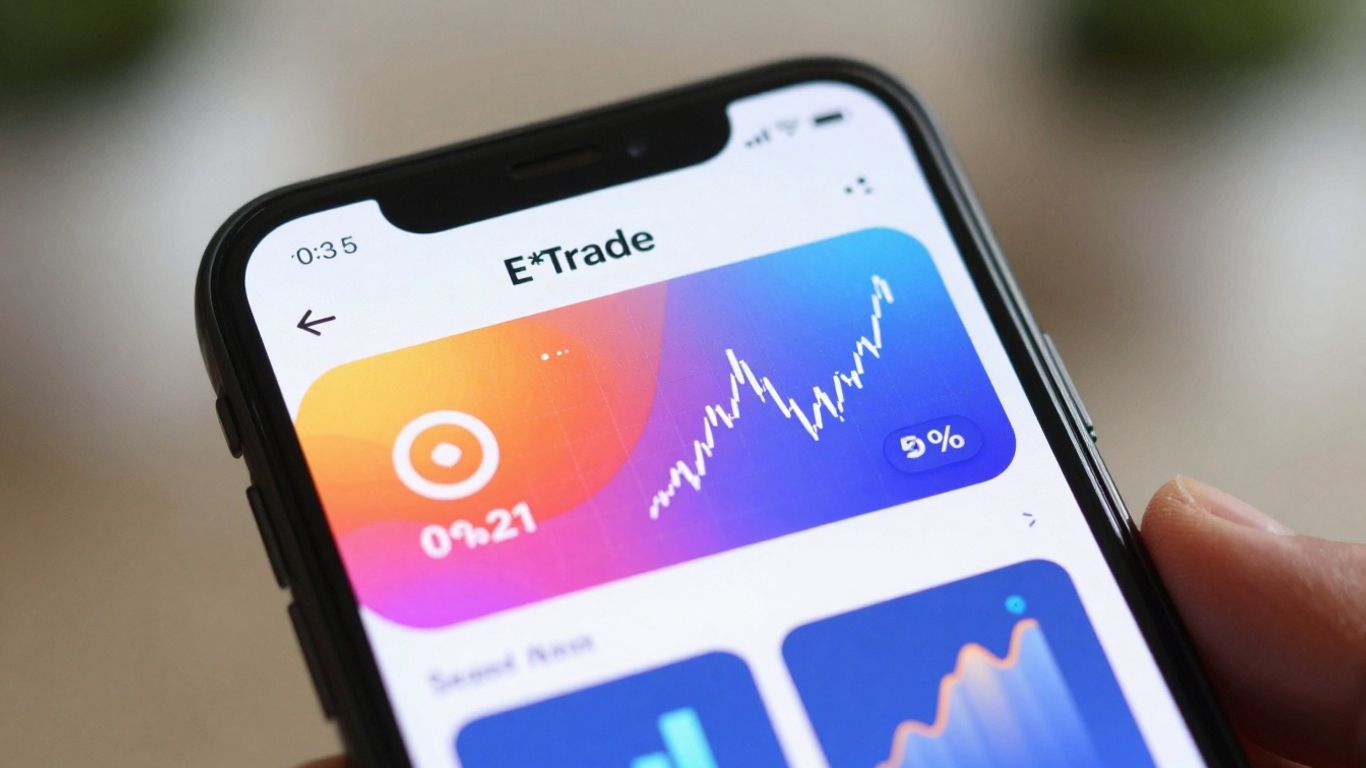
ETrade, now part of Morgan Stanley, is a pretty solid choice for a lot of different investors. Whether you’re just dipping your toes into the stock market or you’re already trading pretty actively, they’ve got something for you. They actually have two main apps, which is kind of neat. The main ETrade app is designed to be straightforward, good for beginners who are still learning the ropes. Then there’s the Power E*Trade app, which is where the more serious traders hang out. It’s got more advanced charting tools and ways to trade options, if that’s your thing.
What I like is that they offer commission-free trading on stocks and ETFs, which really cuts down on costs. Plus, you can trade most mutual funds without a commission, which is a nice bonus if you’re into that. They also give you access to market news, alerts, and tools like stock screeners to help you find investments. It feels like an app that can grow with you as your investing knowledge expands.
Here’s a quick look at what they offer:
- For Beginners: Easy-to-use interface, educational content, curated news, and basic research tools.
- For Active Traders: Advanced charting, options trading capabilities, and customizable layouts in the Power E*Trade app.
- Investment Variety: Access to stocks, ETFs, mutual funds, and bonds.
However, it’s not all perfect. Some of the more in-depth research tools and market data require you to have at least $1,000 in your account. That might be a bit of a barrier if you’re just starting out with a smaller amount. Also, they don’t currently support direct cryptocurrency trading or fractional shares of individual stocks, which some other apps do offer. And while options trading is available, there are commissions involved, so keep that in mind.
E*Trade strikes a good balance between being accessible for newcomers and providing the depth that experienced traders need. The dual-app approach is smart, letting users pick the platform that best suits their current skill level and trading style. It’s a platform that doesn’t shy away from offering a wide range of investment choices, making it a flexible option for many.
4. Charles Schwab
Charles Schwab is a big name in the investing world, and for good reason. They’ve been around forever, offering a solid platform for pretty much anyone looking to trade stocks. Whether you’re just starting out or you’ve been doing this for years, Schwab has tools that can help.
One of the things that stands out is their commitment to education. They have a ton of resources to help you learn the ropes, which is great if you’re new to all this. Plus, they offer $0 commissions on stock and ETF trades, which is pretty standard these days but still good to see. You can also trade fractional shares of S&P 500 companies, giving you a way to buy into big names without needing a lot of cash upfront.
For those who like to get a bit more serious with their trading, Schwab has the thinkorswim mobile app. It’s packed with advanced features, like over 350 technical studies and different order types that even experienced traders appreciate. It’s like having a professional trading desk right in your pocket.
However, it’s not all perfect. Some folks find the main Schwab app a little less slick than some of the newer, trendier apps out there. It can feel a bit clunky at times, and if you’re looking to trade cryptocurrencies directly, you won’t find that here. You can invest in crypto through ETFs, but buying coins like Bitcoin isn’t an option on the platform. Also, the fractional shares are limited to S&P 500 companies, which might not be enough if you’re eyeing smaller stocks.
While Schwab might not always win awards for its app’s looks, it makes up for it with a wide range of investment choices and strong research tools. It’s a reliable choice for long-term investors who value stability and a full suite of services.
Here’s a quick look at what Schwab offers:
- $0 commissions for online stock, ETF, and options trades.
- Fractional shares available for S&P 500 companies.
- Extensive educational resources for all levels of investors.
- thinkorswim mobile app for advanced trading.
- Automated investing options and access to financial advisors.
If you’re looking for a well-rounded brokerage with a long track record and plenty of tools, Charles Schwab is definitely worth checking out. You can explore their investment options to see if it fits your needs.
5. Webull
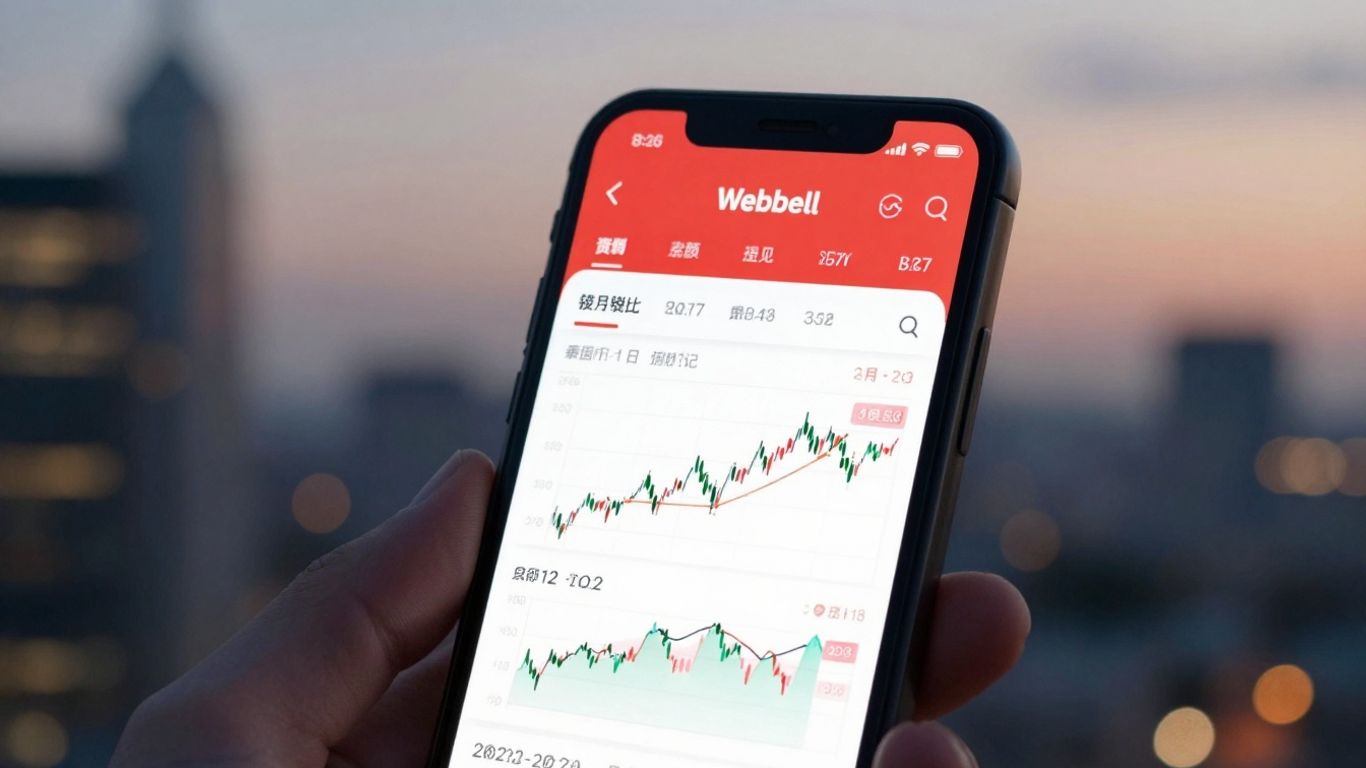
Webull is a trading app that really hits a sweet spot for people who want a modern, slick interface without sacrificing too many useful tools. It feels like a good middle ground between the super-simple apps and the more complex platforms out there. If you’re into active trading and appreciate a clean, mobile-first design, Webull is definitely worth a look.
What’s cool about Webull is that it offers commission-free trading on stocks, ETFs, and even options. No extra fees per contract, which is nice. They also have this paper trading feature, which is basically a simulator. It’s a great way to practice making trades and get a feel for the market without risking any real money. Plus, they offer fractional shares, so you can buy pieces of expensive stocks if you don’t have the full amount.
Here’s a quick rundown of what you get:
- Commission-Free Trades: Stocks, ETFs, and options trading without per-trade or per-contract fees.
- Paper Trading: A robust simulator to practice your trading strategies.
- Fractional Shares: Allows you to invest in stocks with smaller amounts of money.
- Customizable Interface: You can tweak the app to show the data you care about most.
- Recurring Investments: Set up automatic investments as little as $5 to build your portfolio over time.
Now, it’s not perfect for everyone. Webull doesn’t offer things like mutual funds or forex trading. If those are on your radar, you’ll need to check out a different app. Also, while they have educational content, it’s not always the most organized, and the research tools aren’t as deep as what you’d find at some of the older, bigger brokerages. So, it’s probably best suited for folks who already have a decent grasp on trading.
Webull’s strength lies in its trading-focused platform. It provides a lot of data and tools that active traders want, all wrapped up in an easy-to-use package. It’s a solid choice if you’re comfortable with the basics and want to actively manage your investments on the go.
6. Robinhood
Robinhood really made a splash when it first came out, and it’s still a big name, especially for folks just getting their feet wet in the stock market. The whole idea behind Robinhood is to make investing super simple and accessible, and honestly, they do a pretty good job of that. Their app is really clean and easy to figure out, which is a huge plus if you’re not trying to get bogged down in complicated charts and data right away.
One of the things that stands out is their commitment to zero commissions. That means you’re not paying extra fees just to buy or sell stocks, ETFs, or even crypto. They also offer fractional shares, so you don’t need a ton of money to start owning a piece of a company you like. Plus, they have this 24-hour trading feature, which is kind of neat if you want to react to news outside of regular market hours.
Here’s a quick look at what they offer:
- Zero commissions on stocks, ETFs, and options.
- Fractional shares let you buy parts of expensive stocks.
- Cryptocurrency trading is available directly in the app.
- Recurring investments help you build your portfolio over time automatically.
- 24-hour trading for select stocks.
Robinhood also has a section for learning, and it’s actually pretty decent. They explain things in a way that doesn’t make your head spin, which is great for beginners. They even have a feature where you can get a free stock just for signing up and linking a bank account, which is a nice little welcome gift.
However, it’s important to know what you’re getting into. While Robinhood is great for getting started, it’s not really built for serious, in-depth analysis. If you want to dig deep into company financials, compare your portfolio against market benchmarks, or use advanced charting tools, you’ll probably find Robinhood a bit lacking. For those kinds of things, you might need to look at other platforms.
So, if you’re looking for a straightforward, no-frills way to start trading and learn the basics without a lot of complexity, Robinhood is definitely worth considering. It’s designed to be user-friendly and get you into the market quickly.
7. Public
Public is a pretty interesting app, especially if you’re newer to investing or just like seeing what other people are doing. It feels more like a social network than a stuffy old brokerage, which can make things feel a lot less intimidating. You can follow other users, see their trades (if they make them public, of course), and chat about market news. It’s a neat way to get ideas and feel connected to the investing world.
What really caught my eye are a couple of their features. First, they have this high-yield cash account that’s paying a pretty good interest rate – definitely something to look into if you want your spare cash to earn a bit more. Second, they offer an options rebate, which is kind of unusual; it means they actually pay you a small amount when you trade options. That’s a nice little perk.
Here’s a quick rundown of what Public offers:
- Social Investing Features: Follow other investors, read their commentary, and react to market news in real time.
- High-Yield Cash Account: Earn a competitive APY on your uninvested cash.
- Options Rebates: Get paid a small amount for trading options.
- Diverse Assets: Trade stocks, ETFs, crypto, Treasurys, and corporate bonds.
- Fractional Shares: Buy pieces of expensive stocks.
However, it’s not all sunshine and rainbows. If you want access to more detailed research tools, advanced charting, or in-depth options data, you’ll likely need to pay for their premium subscription. That costs $10 a month unless you have a pretty large account balance ($50,000 or more), which is a bit of a barrier for folks just starting out. Also, while they offer bonds, sometimes they might include lower-quality ones without making it super clear, so you have to be a bit careful there.
Public is trying to make investing feel more accessible and community-driven. It’s a good spot for beginners who appreciate a social angle and want to earn a bit extra on their cash. Just be aware that the advanced features come with a price tag, and you’ll need to keep an eye on the details for certain investments like bonds.
Overall, Public is a solid choice if you like the social aspect and want those unique cash and options perks. It’s definitely shaking things up in the investing app world, even if it’s a bit newer than some of the other big names.
8. TradeStation
TradeStation is a serious platform for folks who are really into active trading. It’s not really for someone just dipping their toes into the stock market. Think of it like a souped-up sports car – powerful, fast, and packed with features, but it takes some skill to handle.
This platform gives you some really advanced tools. You get real-time data, charts you can tweak endlessly, and ways to analyze options that are pretty professional. They also have a mobile app that works well, and you can trade a bunch of different things like stocks, ETFs, options, and futures. If you’re into options trading specifically, their educational stuff and strategy support are top-notch.
However, if you’re new to investing, TradeStation might feel like too much. The desktop software has a bit of a learning curve, and the research tools are mostly focused on technical analysis. They don’t offer much help with basic investing principles or building a portfolio from scratch. Plus, there are fees if your account sits idle and doesn’t meet certain balance or trading minimums, which could be a turn-off for casual investors.
Here’s a quick look at their fees:
| Trade Type | Cost (per trade) |
|---|---|
| Stocks & ETFs | $0.00 |
| Options (per contract) | $0.60 |
| Futures (per contract) | ~$1.50 |
TradeStation is best suited for those who want to move beyond the basics and are willing to put in the time to learn its advanced capabilities. It offers a pathway for growth if you’re a hands-on learner ready for a more complex trading environment. You can even practice with their paper trading feature before using real money.
If you’re looking to get serious about trading and want a platform with a lot of depth, TradeStation is definitely worth checking out. You can explore their platform and see if it fits your trading style on TradeStation’s website.
9. Vanguard
Vanguard is a name many investors know, and for good reason. They manage a huge selection of mutual funds, many of which have pretty low costs. If you’re into index funds, they’ve got a solid lineup, but they also have actively managed ones if that’s more your style. You can also trade stocks, ETFs, bonds, and CDs here.
When it comes to account types, Vanguard covers the bases. You can open regular brokerage accounts, retirement accounts like IRAs, and even education savings accounts. They also have advisory services, but be aware that these often come with minimum investment requirements, sometimes starting at $3,000 and going up quite a bit.
While you don’t need a specific amount to just open an account with Vanguard, some of their specific funds do have minimums. For example, their Target Retirement Funds usually need at least $1,000 to get started, and many of their actively managed funds require $3,000.
- Wide range of low-cost funds, especially index funds.
- Offers various account types including retirement and education savings.
- Advisory services available, though with account minimums.
Vanguard is often seen as a solid choice for those who prefer a more hands-off approach to investing, particularly with their extensive index fund options. It’s a place where many people start their long-term investment journey.
10. Betterment
Betterment is a robo-advisor that focuses on making investing simple and accessible, especially for those who might find traditional investing a bit overwhelming. They use algorithms to build and manage diversified portfolios based on your goals and risk tolerance. It’s a good option if you want a hands-off approach to growing your money.
Their main goal is to automate your investment strategy.
Here’s a quick look at what they offer:
- Goal-Based Investing: You can set up different investment goals, like saving for retirement, a down payment, or a vacation, and Betterment will tailor portfolios for each.
- Automatic Rebalancing: The platform automatically adjusts your portfolio to keep it aligned with your target asset allocation as market conditions change.
- Tax-Loss Harvesting: For taxable accounts, Betterment offers a feature that can help reduce your tax bill by selling investments that have lost value to offset gains elsewhere.
- Human Advice: While it’s a robo-advisor, you can opt for access to certified financial advisors for personalized guidance, though this usually comes with an extra fee.
When it comes to fees, Betterment typically charges an annual management fee based on a percentage of your assets under management. This is usually quite competitive, especially compared to traditional human financial advisors. For example, their standard plan might be around 0.25% annually, with premium plans offering more access to advisors at a higher rate.
Betterment really shines for people who want a set-it-and-forget-it kind of investment experience. It takes a lot of the guesswork out of building and maintaining a portfolio, which can be a huge relief for busy individuals or those new to investing. The focus on automation and smart features like tax-loss harvesting makes it a solid choice for long-term wealth building without requiring constant attention.
Wrapping It Up
So, picking the right stock trading app in 2026 really comes down to what feels right for you. We’ve looked at some solid options, from beginner-friendly choices like Fidelity and SoFi to platforms that offer more if you’re looking to get serious. Remember, the best app isn’t always the one with the most bells and whistles, but the one you’ll actually use to make smart moves with your money. Take your time, check out a few, and get started on your investing journey. Happy trading!
Frequently Asked Questions
What’s the best app for someone just starting out with stocks?
If you’re new to investing, Fidelity is a solid choice. It’s easy to get around, lets you trade without paying extra fees, and has lots of helpful guides to learn from. SoFi is also a good option if you like things simple and want your investments to be managed automatically.
Are the apps that let you trade for free actually safe to use?
Yes, they are safe if you use a trusted company. The apps we picked are protected by something called SIPC insurance. This helps keep your money safe, up to a certain amount, if the company ever has problems. Just make sure you download the right app and turn on extra security steps like two-factor authentication.
Can I begin investing with only $100?
Definitely! Many top trading apps let you buy small pieces of stocks, called fractional shares. This means you can invest with as little as $1. So, you can own a bit of big companies like Amazon or Apple without needing a lot of money to start.
Which app is better for investing for a long time?
For investing over many years to grow your money slowly and steadily, look for apps that can manage your investments for you, have low costs, and offer good research tools. Fidelity, Schwab, and SoFi are all great choices for people who want a reliable and simple way to invest for the long haul.
What should I look for in a trading app?
You’ll want an app that’s easy to use, so you can check your investments or make trades without confusion. It should also be secure, with features like SIPC insurance. Good apps also provide tools to help you research stocks and understand the market better, so you can make smart choices.
Do I need a lot of money to start trading stocks?
Not at all! Many apps now let you buy fractional shares, meaning you can invest with just a few dollars. This makes it possible for almost anyone to start building their investment portfolio, even with a small amount of money.