
Thinking about jumping into the stock market? It can feel a bit overwhelming at first, right? Like, where do you even begin without risking your hard-earned cash? Well, that’s where a stocks trading simulator comes in. It’s basically a practice ground, a way to get your feet wet and figure things out before you put real money on the line. We’ll walk you through what these simulators are all about and how to use them to get better at trading.
Key Takeaways
- A stocks trading simulator lets you practice buying and selling stocks with fake money, so you don’t lose anything if you make mistakes.
- There are different kinds of simulators, like stock market games for fun and virtual trading platforms that mimic real trading.
- Using a simulator helps you learn how the market works, try out different trading ideas, and get used to trading tools without any risk.
- You can test out various investment strategies and see how they perform before you use them with actual money.
- Simulators are a good bridge from learning about trading to actually doing it with real money, helping you build confidence and manage risk.
Understanding Stock Trading Simulators
What is a Stock Trading Simulator?
Think of a stock trading simulator as a practice field for the stock market. It’s a digital environment where you can buy and sell stocks, exchange-traded funds (ETFs), and sometimes even other assets like cryptocurrencies, all without using your actual money. You’re given a virtual cash balance, and you can make trades based on real-time or slightly delayed market data. The main goal is to learn and experiment without the fear of losing your hard-earned cash. It’s like test-driving a car before you buy it, or playing a video game version of a sport to get the hang of the rules and strategies.
Types of Stock Market Simulators
Stock market simulators aren’t all the same. They generally fall into a couple of main categories:
- Stock Market Games: These are often more about competition and fun. You might join a league with friends or strangers, manage a portfolio, and aim to have the best returns over a set period. The focus here is usually on learning basic investing principles and enjoying the challenge, rather than intricate trading tactics.
- Virtual Trading Platforms: These are closer to the real deal. They often mimic the actual trading platforms used by brokers. You’ll find tools for research, order execution, and performance tracking. The idea is to get comfortable with the mechanics of trading, test out specific strategies, and even get a feel for how a particular broker operates.
Some platforms might blend these features, offering both competitive games and serious virtual trading tools.
Benefits of Using a Stocks Trading Simulator
Why bother with fake money when you could just jump into the real market? Well, simulators offer a bunch of advantages, especially for beginners:
- Risk-Free Learning: This is the big one. You can make mistakes, learn from them, and figure out what went wrong without any financial consequences. It’s a safe space to get your feet wet.
- Strategy Development and Testing: Simulators let you try out different trading strategies. Want to see if a day trading approach works for you, or if a long-term buy-and-hold strategy is more your style? You can test these ideas extensively.
- Platform Familiarization: If you’re planning to use a specific online broker, their simulator can help you learn their platform’s ins and outs. You’ll know where to find charts, how to place orders, and where to check your account balance before you commit real funds.
- Understanding Market Behavior: By actively making trades and watching the results, you start to get a feel for how the market reacts to news, economic data, and other events. It’s one thing to read about market dynamics, and another to see them play out with your virtual portfolio.
Simulators provide a bridge between theoretical knowledge and practical application. They allow individuals to build confidence and refine their decision-making processes in a controlled environment before facing the pressures and real-time stakes of live trading. It’s a crucial step for anyone serious about developing trading skills.
Choosing the Right Stocks Trading Simulator
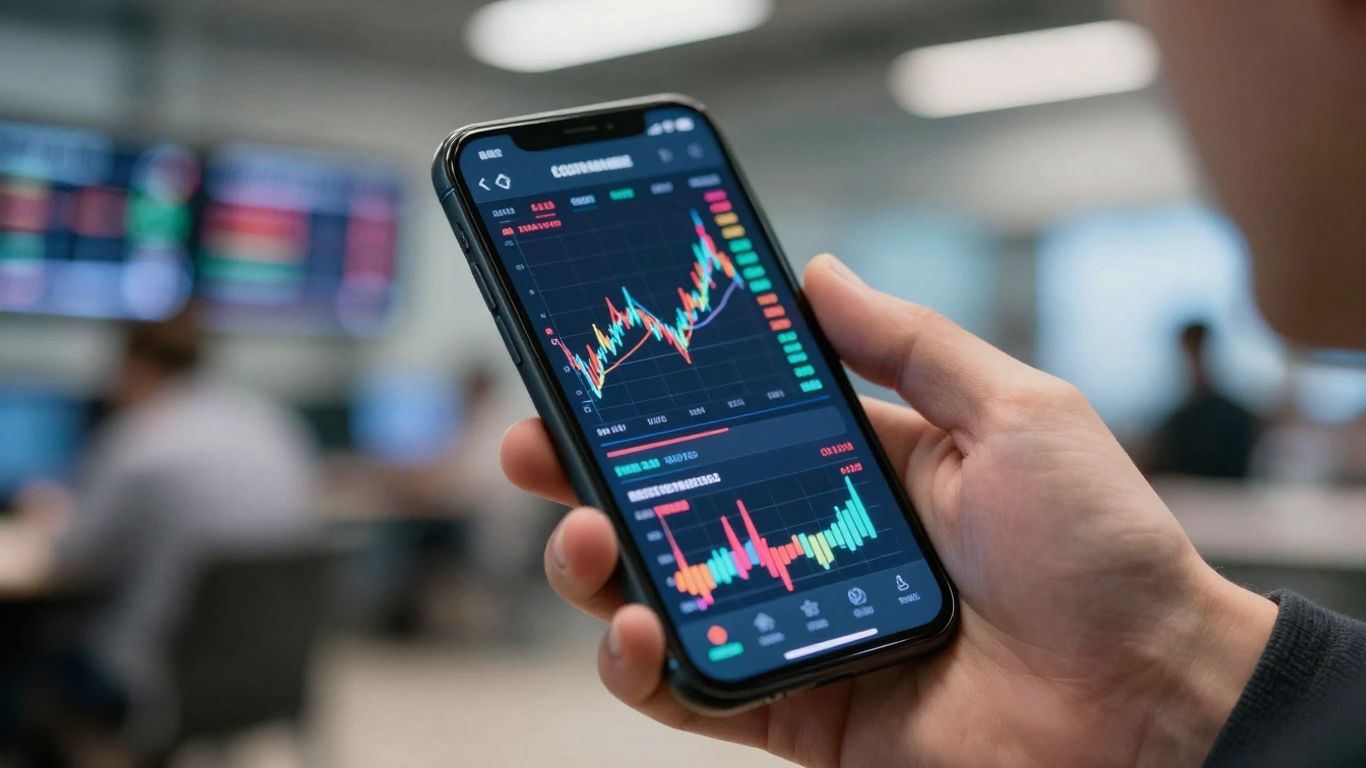
So, you’ve decided to dip your toes into the stock market simulation world. Awesome! But with so many options out there, how do you pick the one that’s actually going to help you learn and not just waste your time? It’s not as simple as just picking the first one you see. You need to think about what you want to get out of it.
Key Features to Look For
When you’re shopping around for a simulator, keep an eye out for a few things. The best ones will mimic real trading conditions as closely as possible. This means looking at:
- Real-time or near real-time data: If the prices are super delayed, you’re not really learning how to react to the market as it moves.
- A wide range of tradable assets: Can you trade stocks, ETFs, options, or even crypto? More options mean more practice.
- Order types: Does it support market, limit, and stop orders? Knowing how to use these is pretty important.
- Research tools: Does it have a stock screener or company financial data? Being able to research before you trade is a big part of the game.
- Performance tracking: You need to see how you’re doing! Look for detailed reports on your portfolio’s performance, gains, and losses.
Evaluating Simulator Platforms
Not all simulators are created equal. Some are more like games, focusing on competition and fun, while others are built to feel like a real trading platform. Think about your goals. Are you trying to get a feel for a specific broker’s platform, like Interactive Brokers? Or are you just looking to practice basic buying and selling? Some platforms are better for beginners, offering lots of educational content, while others are geared towards more experienced traders who want to test complex strategies.
It’s easy to get caught up in the virtual money, but remember the goal is to learn. A good simulator will give you the tools and data to make informed decisions, just like you would with real cash on the line. Don’t just randomly click buttons; try to apply what you’re learning.
Top Stocks Trading Simulator Options
There are a bunch of solid choices out there. For a more game-like experience where you can compete with friends or strangers, platforms like Wall Street Survivor or HowTheMarketWorks are popular. They often give you a set amount of virtual cash and let you see how your picks stack up over time. If you’re looking for something that feels more like actual trading, platforms like TradingView or the simulators offered by brokers such as Charles Schwab or eToro are worth checking out. These often provide a more robust set of tools and a trading interface that’s closer to what you’d find on a live account. Each has its own strengths, so it’s worth exploring a couple to see which one clicks with your learning style.
Mastering Your Trades with a Simulator
Alright, so you’ve got the hang of the basics, and you’re ready to really put your trading skills to the test without risking your actual cash. This is where the simulator becomes your best friend. It’s not just about clicking buttons; it’s about building a solid foundation for when the real money is on the line. Think of it as your personal trading gym.
Developing Effective Trading Strategies
This is where the simulator truly shines. You can try out all sorts of ideas without any real-world consequences. Maybe you want to see how day trading with a specific indicator works, or perhaps swing trading based on chart patterns is more your speed. The key is to be systematic about it. Don’t just randomly place trades. Pick a strategy, stick with it for a set period, and record everything.
Here’s a way to structure your strategy testing:
- Weeks 1-2: Focus on a specific technical indicator strategy (e.g., MACD crossovers).
- Weeks 3-4: Test a swing trading approach based on support and resistance levels.
- Weeks 5-6: Experiment with a simple moving average crossover strategy.
- Weeks 7-8: Try a strategy involving volume analysis.
Keep a detailed log. Note down the entry and exit points, the reason for the trade, the outcome, and how you felt during the process. This data is gold.
Testing Different Asset Classes
Don’t get stuck only trading stocks. The market is way bigger than that. Your simulator is the perfect place to dip your toes into other areas. You might find you have a knack for trading forex, or maybe options strategies are more your style. It’s all about broadening your horizons and seeing where you perform best.
Consider exploring:
- Equities: Different sectors, large-cap vs. small-cap.
- ETFs: Trading broad market indexes or specific industry ETFs.
- Forex: Major currency pairs like EUR/USD or GBP/JPY.
- Commodities: Futures on gold, oil, or agricultural products.
- Options: Simple strategies like covered calls or protective puts.
Understanding how different markets move and react is a huge advantage.
Understanding Market Dynamics
Simulators help you see the bigger picture. You can observe how news events impact prices, how economic data releases affect currency pairs, or how sector-specific news influences related stocks. It’s about learning to connect the dots between what’s happening in the world and how it plays out in the charts.
The biggest mistake people make in simulators is treating virtual money like Monopoly money. If you’re using a $100,000 virtual account but plan to start real trading with $5,000, you’re not learning realistic risk management. Adjust your virtual capital to match your intended starting capital for live trading. This forces you to think about position sizing and risk per trade in a way that actually matters.
Pay attention to things like bid-ask spreads, how quickly orders get filled (or don’t), and how prices react to news. These are the subtle dynamics that can make or break a trade in the real market.
Advanced Simulator Techniques
Once you’ve got a handle on the basics, simulators offer ways to really dig deep and refine your approach. It’s not just about making trades; it’s about making smart trades and understanding why they work.
Automated Trading Strategy Validation
This is where things get interesting. You can take a trading strategy you’ve developed and test it rigorously using historical data. Think of it like a science experiment for your trading ideas. You feed the strategy into the simulator with past market information and see how it would have performed. This helps you tweak parameters, identify weaknesses, and avoid common pitfalls before you ever risk real money. It’s a way to get a more objective look at your strategy’s potential.
- Historical Optimization: Adjusting strategy rules based on past performance data.
- Walk-Forward Analysis: Applying optimized rules to more recent historical periods to check robustness.
- Results Comparison: Evaluating how the strategy holds up across different market conditions.
This systematic approach helps prevent overfitting, where a strategy works perfectly on past data but fails in live markets.
Analyzing Performance Metrics
Simulators give you a ton of data, but you need to know what to look for. Just seeing a profit number isn’t enough. You need to understand the details of your trades.
Here’s a quick look at some key metrics:
| Metric | What it Tells You |
|---|---|
| Win Rate | Percentage of profitable trades |
| Profit Factor | Gross profits divided by gross losses |
| Max Drawdown | Largest peak-to-trough decline in account value |
| Sharpe Ratio | Risk-adjusted return |
| Average Gain | Average profit on winning trades |
| Average Loss | Average loss on losing trades |
Looking at these numbers helps you see where you’re strong and where you need to improve. For example, a high win rate with huge losses on the losing trades might mean your risk management needs work.
The real value here is in understanding the why behind your results. Did a trade lose because of bad execution, a change in market conditions, or an emotional decision? The simulator can help you trace these events.
Leveraging Research Tools
Many advanced simulators come with built-in research tools. These can include real-time news feeds, economic calendars, and even advanced charting packages. You can use these to:
- Identify Market Trends: Spotting broader movements in the market.
- Understand Economic Impacts: Seeing how news events might affect asset prices.
- Explore Different Asset Classes: Testing strategies on forex, commodities, or even cryptocurrencies, not just stocks. Many platforms, like VT Markets, offer extensive forex demo accounts.
Using these tools within the simulator environment lets you practice incorporating research into your trading decisions without real-world consequences. It’s about building the habit of informed trading.
Transitioning from Simulation to Live Trading

So, you’ve spent a good chunk of time in the simulator, racking up virtual wins and learning the ropes. That’s awesome! But now comes the big question: when do you actually take the plunge into real money trading? It’s not just about hitting a certain profit target in your demo account; it’s about being mentally ready for the real deal. The simulator is like a flight simulator for pilots – it teaches you the controls and procedures, but it doesn’t quite capture the feeling of actually being up in the air.
Bridging the Psychological Gap
This is probably the biggest hurdle. When you’re trading with fake money, a loss is just a number on a screen. When it’s real cash, that loss can feel a lot more personal, triggering stress and fear. You might find yourself hesitating on good trades or holding onto losing ones for too long, just hoping they’ll turn around. It’s a different ballgame entirely. The simulator can’t replicate the physical stress response that comes with risking actual money. You might even notice your sleep gets affected when real capital is on the line.
The emotional reality of trading with real money is a significant departure from simulated environments. Factors like loss aversion and the thrill of genuine profits can profoundly influence decision-making, often leading traders to deviate from their carefully planned strategies. This psychological shift is a primary reason why many traders struggle when moving from demo to live accounts.
Recognizing When You’re Ready
How do you know you’re truly prepared? It’s a mix of things. You should have a solid, documented trading plan that you’ve followed consistently in your simulator. Beyond just profit, look at your consistency. Have you been able to stick to your strategy through different market conditions? A good rule of thumb is to have at least three consecutive months of positive results in your simulator, with a win rate that feels sustainable. Also, consider how many trades you’ve executed; aiming for over 200 trades gives you a decent sample size. It’s also wise to use the same platform for your practice as you plan to use for live trading, like the tools offered by Interactive Brokers.
Here’s a quick checklist:
- Trading Plan Adherence: Consistently follow your documented plan (aim for 80%+ adherence).
- Profitability: Achieve consistent profits over at least three months.
- Trade Volume: Execute a significant number of trades (e.g., 200+).
- Emotional Control: Demonstrate discipline and avoid impulsive decisions during simulated trades.
Managing Risk in Real Markets
When you finally start trading with real money, it’s smart to ease in. Don’t go all-in on day one. Think about a graduated approach. Start with very small position sizes, maybe just a few shares or the smallest contract size available. This lets you experience the real market emotions and execution without risking a significant amount of capital. You can continue using your simulator alongside this to test new ideas. As you get more comfortable and your confidence grows, you can gradually increase your position sizes. This phased entry helps you build real-world confidence and adapt to the psychological pressures, much like how traders in Canada practice in risk-free environments before committing capital. Remember, the goal is to transfer your simulator skills to live trading while managing the inherent risks effectively.
Wrapping It Up
So, you’ve learned all about stock market simulators, from the fun games to the more serious virtual trading platforms. It’s pretty cool that you can try all this out without actually risking your own cash. Whether you’re just curious or looking to get serious about trading, these tools give you a safe space to figure things out. You can test out strategies, get a feel for how the market moves, and even see how you stack up against others. Just remember, while the practice is super helpful, real trading comes with its own set of challenges, especially the emotional side. But hey, starting with a simulator is a smart first step on your trading journey. Give it a shot and see where it takes you!
Frequently Asked Questions
What exactly is a stock trading simulator?
Think of a stock trading simulator like a video game for learning how to trade stocks. You get to play with fake money, trying out different buying and selling moves without any real risk. It’s a safe place to practice and get comfortable with how the stock market works before you ever put your own money on the line.
Why should I bother using a simulator instead of just jumping into real trading?
Using a simulator is super smart because it lets you learn the ropes without losing cash. You can test out your ideas, see what works and what doesn’t, and get a feel for the ups and downs of the market. It’s like practicing a sport before the big game – you get better and avoid costly mistakes.
Are all stock simulators the same?
Not really! Some are like games where you compete with others to see who can grow their fake money the most. Others are more like practice versions of real trading platforms, letting you use the same tools and see how trades actually happen. Some even let you try trading different things like ETFs or crypto.
How do I know when I’m ready to trade with real money?
You’ll know you’re getting close when you consistently do well in the simulator over a good period of time. You should feel confident in your strategy and understand how to handle losses without panicking. It’s also important to have a clear plan for how much money you’re willing to risk.
Can simulators help me learn about different types of investments?
Definitely! Many simulators let you try trading more than just regular stocks. You can often experiment with things like exchange-traded funds (ETFs), options, and sometimes even cryptocurrencies. This helps you understand how different investments behave and which ones might fit your style.
What’s the difference between a simulator and ‘paper trading’?
They’re basically the same thing! ‘Paper trading’ is just another name for using a simulator. Both terms refer to practicing stock trades with fake money in a simulated market environment. The goal is always to learn and practice without risking any real money.