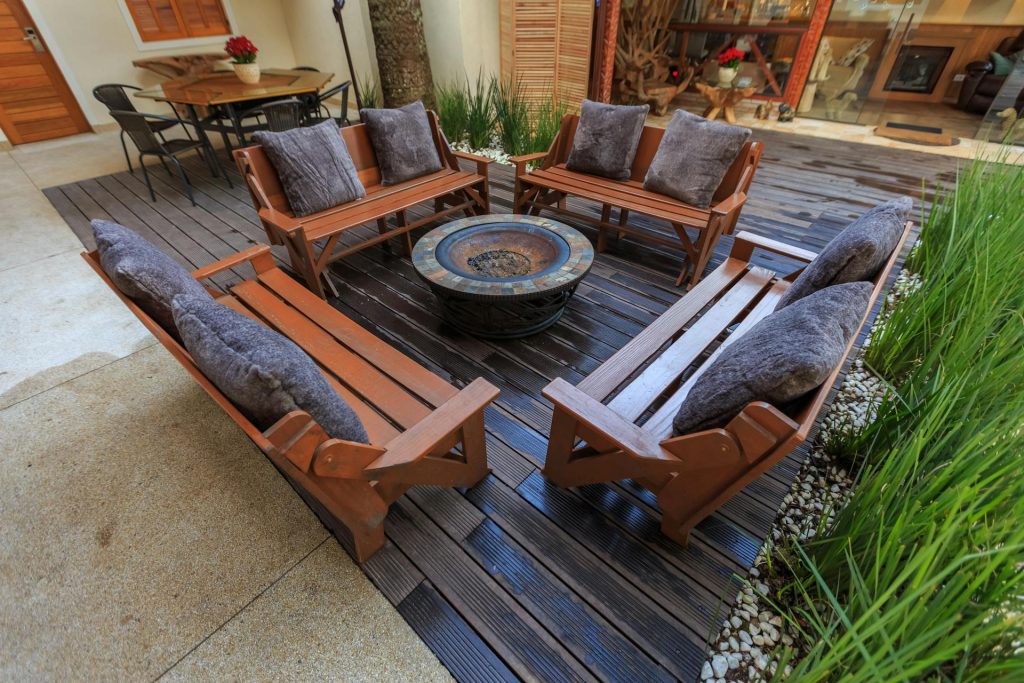
Outdoor living areas have shifted from simple add-ons to purposeful extensions of the home, shaped as much by design decisions as by available space. The way a patio, deck, or garden area is planned directly affects how often it is used and how comfortably it supports daily activities. Design influences circulation, comfort, and adaptability, guiding how people gather, relax, or work outdoors. When layout, materials, and features align with real usage patterns, outdoor spaces become reliable environments rather than occasional retreats. Thoughtful planning reduces friction between intention and reality, making these areas easier to maintain and more inviting year-round. Functionality grows from choices that respect climate, household routines, and long-term durability. Design, in this sense, becomes a practical tool rather than a purely visual exercise.
Layout Decisions and How People Move Through Space
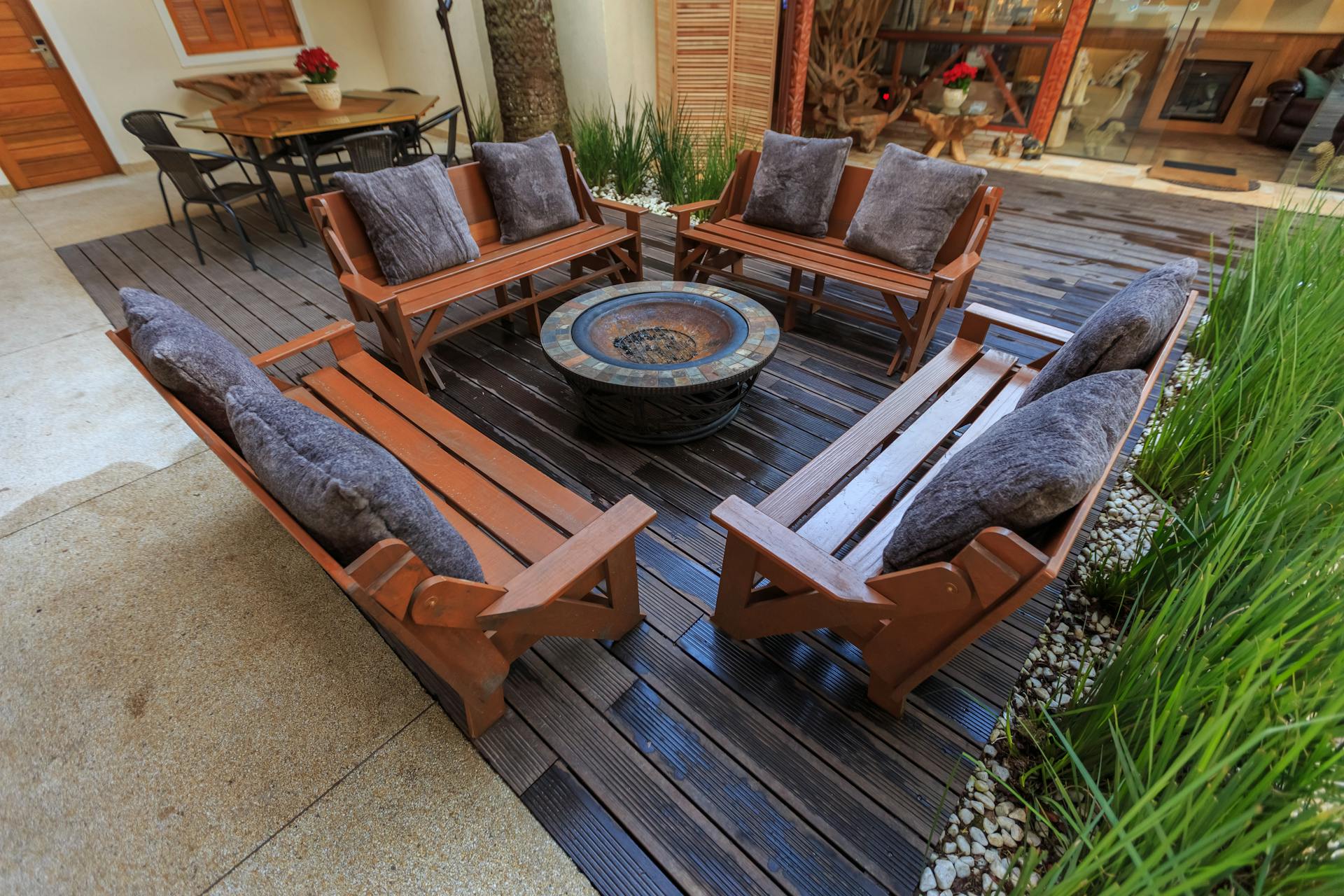
The layout of an outdoor living area determines whether it feels intuitive or awkward during everyday use. Pathways, seating zones, and access points should reflect how people naturally move between indoor and outdoor spaces. A poorly aligned layout can interrupt flow, creating bottlenecks that discourage frequent use.
When zones are clearly defined without feeling boxed in, activities can coexist without conflict. Dining, lounging, and cooking areas benefit from subtle separation rather than rigid boundaries. Sightlines toward gardens or open views help the space feel connected rather than enclosed. A functional layout balances openness with purpose, allowing the area to adapt to both quiet evenings and larger gatherings.
Functional Features That Support Everyday Activities
Design elements that support real tasks often matter more than decorative additions. Outdoor kitchens, storage benches, and weather protection influence how often spaces are used rather than admired. Many homeowners work with experts, such as reliable patio builders, to create outdoor spaces that feel easier to use and more accommodating for real-life activities. When features are tailored to habits, outdoor areas become dependable extensions of daily routines.
Functional enhancements reduce the need to move between indoors and outdoors repeatedly. Thoughtful integration keeps these features from feeling added on. Design choices here connect intention directly to use.
Material Selection and Its Impact on Daily Use
Material choices influence comfort, safety, and maintenance demands in outdoor environments. Surfaces that retain too much heat or become slippery after rain quickly limit usability. Durable materials that weather gradually rather than deteriorate suddenly reduce long-term upkeep. Texture plays a role as well, affecting how furniture sits and how people move barefoot or with shoes.
Color selection influences glare and perceived temperature, shaping how long the space remains comfortable during warmer months. When materials align with local climate conditions, the area remains usable across more seasons. Practical material selection supports consistent use without constant adjustment.
Furniture Scale, Placement, and Comfort
Furniture decisions often determine whether an outdoor space feels welcoming or cramped. Oversized pieces can overwhelm smaller patios, while undersized furniture may fail to support intended activities. Placement matters as much as selection, since poorly arranged seating disrupts conversation and movement.
Comfort encourages longer stays, which reinforces the value of the space. Adjustable or modular furniture allows layouts to change without redesigning the entire area. When furniture complements the proportions of the space, functionality becomes effortless.
Lighting and Its Role Beyond Visibility
Lighting shapes how outdoor spaces function after daylight fades. Poor lighting shortens usable hours and creates safety concerns around steps or uneven surfaces. Layered lighting supports different activities, from dining to quiet relaxation. Fixtures integrated into architecture feel less intrusive than temporary solutions.
The balance between brightness and softness affects mood without sacrificing clarity. Well-planned lighting extends usability without overpowering the surrounding environment. Functional lighting design encourages consistent evening use, rather than limiting outdoor spaces to daytime use.
Climate Considerations and Seasonal Flexibility
Climate shapes functionality more than any single design trend. Shade structures, wind breaks, and drainage solutions influence comfort throughout the year. Designs that ignore seasonal changes often result in spaces used only briefly. Flexibility allows outdoor areas to adapt as conditions shift, supporting use beyond ideal weather.
Materials and structures that respond well to temperature changes reduce wear and discomfort. When climate is treated as a design partner, functionality improves without sacrificing aesthetics. Seasonal awareness keeps outdoor spaces relevant rather than forgotten.
Details That Quietly Improve Daily Experience
Small design decisions often have an outsized effect on functionality. These details rarely dominate attention, yet they shape everyday experience in subtle ways:
- Built-in seating that doubles as storage reduces clutter without adding furniture.
- Strategic outlet placement supports lighting, music, or work needs outdoors.
- Gradual transitions between surfaces improve safety and comfort.
- Covered areas extend usability during light rain or strong sun.
- Integrated planters soften boundaries while defining zones naturally.
Each detail contributes to smoother use without demanding constant awareness.
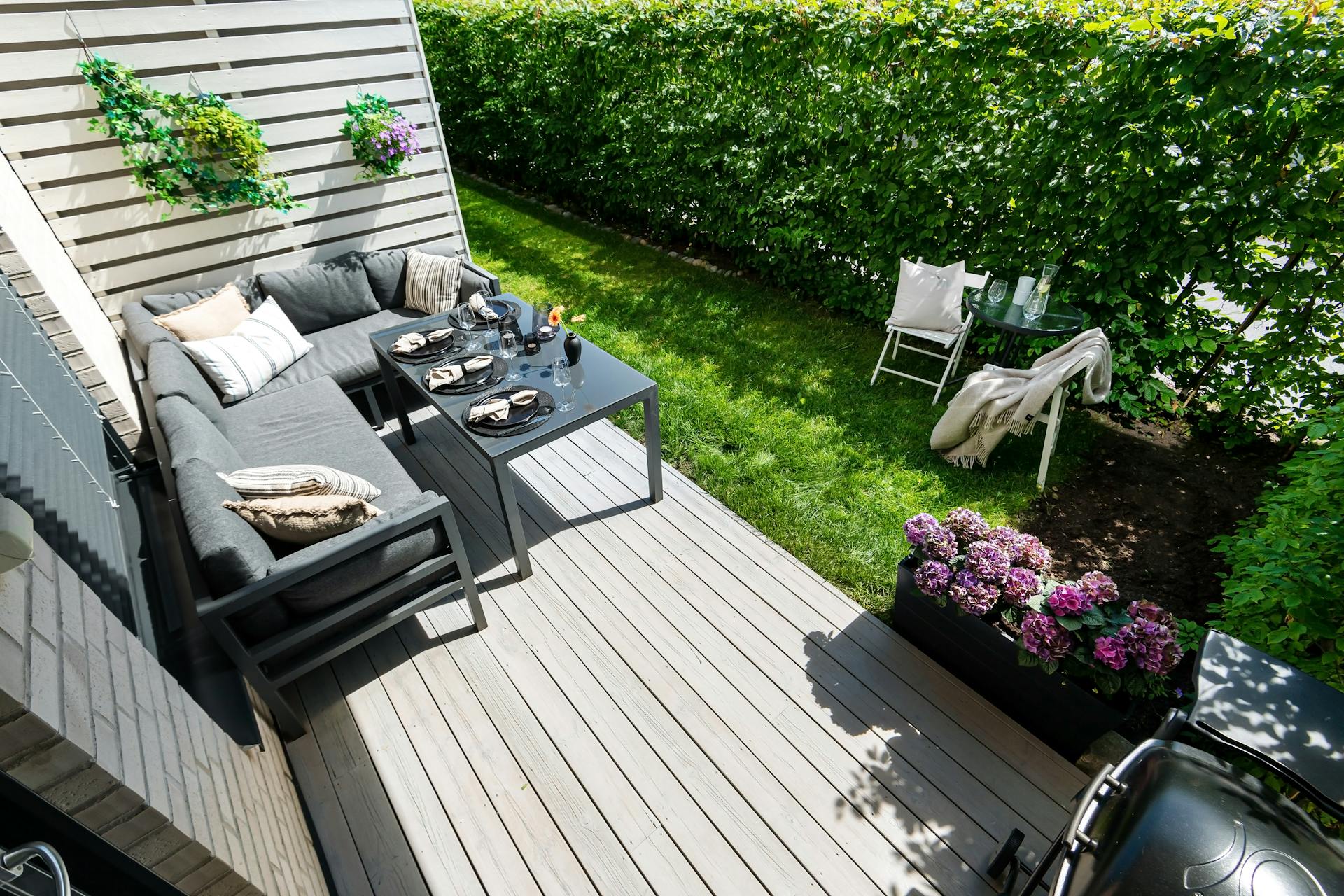
Design choices determine whether outdoor living areas function as practical spaces or remain underused features. Layout, materials, furniture, and climate considerations work together to shape how people interact with these environments. When decisions are guided by real habits rather than abstract ideas, functionality emerges naturally. Outdoor spaces designed with intention support comfort, adaptability, and long-term use. Thoughtful design transforms patios and gardens into reliable settings for daily life.

A dad of 3 kids and a keen writer covering a range of topics such as Internet marketing, SEO and more! When not writing, he’s found behind a drum kit.