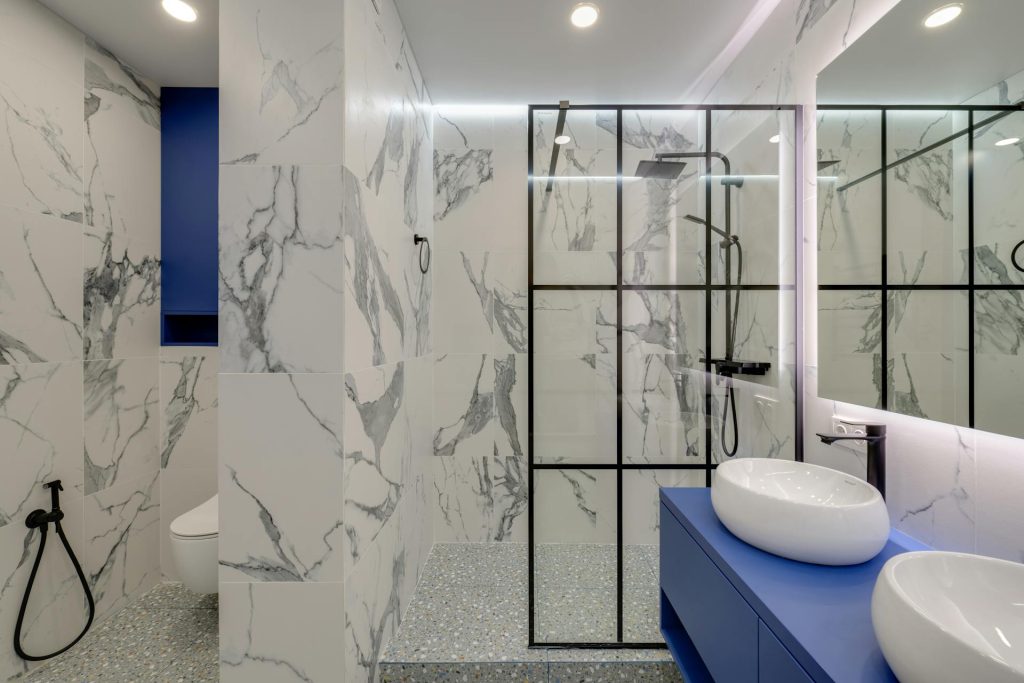
The best bathroom renovations start with a few smart choices that guide everything else. Get the layout, moisture control, and lighting right, and the space feels bigger, cleaner, and easier to use.
From there, finishes and fixtures become the polish instead of the fix. Your goal is a room that handles daily traffic, stays dry, and looks good under any light or season.
Set Your Layout First
Shape the room so it works with how you move. Keep the wet zone together so water stays where it should, and give the dry zone a clear path for dressing and storage. Place the vanity where natural light helps, not where steam lingers.
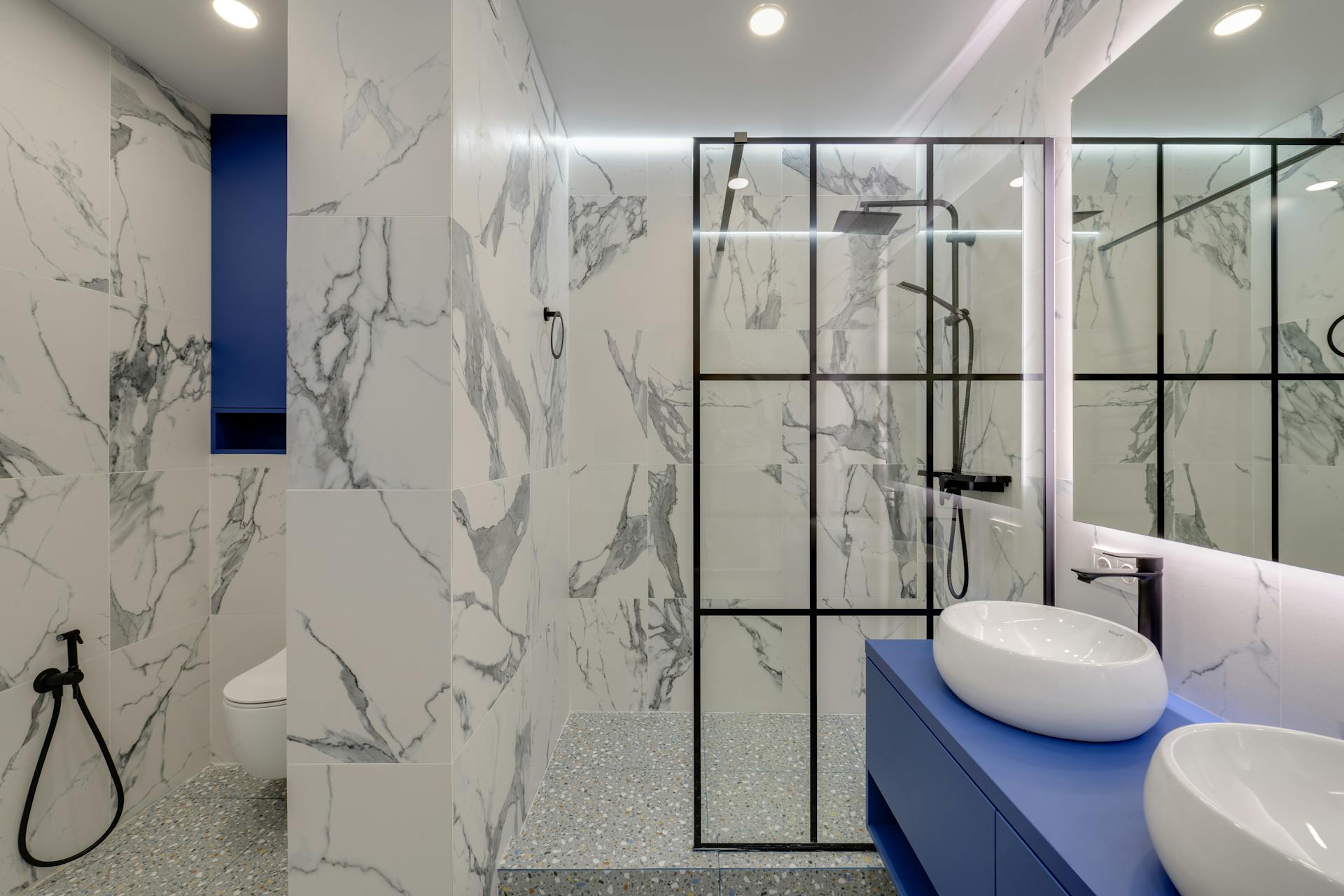
Consider an open-plan shower if it suits your home. One design guide points out that wet room bathrooms use a walk-in layout that creates a seamless flow while keeping the look clean. A slight floor pitch and a well-placed drain approach are practical day to day.
Plan for maintenance access. Leave space around valves and traps, and make panels discreet but reachable. In the future, you will appreciate the thought when small fixes are needed.
Heating, Comfort, And Daily Use Details
Comfort is a design choice. Warm floors or a small radiant panel can take the edge off cold mornings, and a quiet fan prevents lingering damp. Add a landing spot for clothing so the space stays tidy.
Drying towels matters more than you think, because warm, dry fabric helps control moisture in the room. Build a simple routine around where towels hang and dry, and place hooks or rails within easy reach of the shower so drips stay in the wet zone rather than across the floor, which is why links like https://yabby.com.au/collections/towel-rails are handy for planning locations and sizes. Keep clear wall space so multiple towels can dry without crowding.
Mind the little touches. Soft-close seats, magnetic shower seals, and easy-grip handles make daily use feel better. These choices are small, but they add up to a room that works.
Choose Durable, Moisture-Smart Materials
Water wins if you let it. Select large-format porcelain or sealed stone for floors and walls because fewer grout lines mean fewer places for moisture to sit. Use epoxy or urethane grout where splashes and steam are constant.
Balance texture and safety. A smooth tile looks sleek but can get slippery, so choose a slip-rated finish for floors in the wet zone. On walls, a satin or matte sheen hides water spots better than gloss.
Protect what you cannot see. Cement backer board, waterproof membranes, and careful seam tape are your insurance. Spend time on corners, niches, and transitions so hidden layers stay tight.
Lighting Layers That Flatter And Function
Think in layers instead of a single bright light. Ambient light fills the room evenly, the task light at the mirror prevents shadows, and the accent light adds warmth. Put each layer on its own switch or dimmer so you can tune the scene.
At the vanity, mount lights near face level to minimize harsh shadows. A pair of sconces or vertical bars often beats a single overhead. Choose bulbs with consistent color temperature so skin tones look natural.
Bring light into the shower safely. A sealed, wet-rated fixture lets you see shelves and controls without glare. Night lights under the vanity or toe-kick make late trips easy without waking you up.
Ventilation And Drainage That Prevent Headaches
Get moisture out fast and keep it moving to a drain. Size the exhaust fan for the volume of the room and the length of the duct run. Use a timer or humidity sensor so the fan runs long enough after showers.
Set up drainage so water never lingers. A linear drain can simplify the pitch for large tiles and make an open shower feel seamless. In smaller rooms, a center drain still works well if the slope is even.
Seal the envelope. Caulk at changes of plane, and check it once or twice a year. Replace worn door sweeps and keep shower glass seals clean so they do not trap water.
Storage, Niches, And Space Savers
Bring storage into the walls where you can. A recessed niche in the shower keeps bottles off the floor and out of the spray. Over the toilet, a shallow cabinet can hold paper and cleaning supplies without crowding the room.
Make the vanity do more than hold a sink. Deep drawers with dividers beat a big, open cabinet for daily items. Add an outlet inside for chargers and hair tools so cords stay out of sight.
Use mirrors and glass strategically. A broad mirror over a narrow vanity doubles the visual width. Clear shower glass opens the room, while fluted glass adds privacy without closing it in.
A bathroom that feels great and stays dry starts with a few core choices. Set the layout, handle moisture, and build in comfort where it counts. The rest is refinement.
With those foundations in place, your finishes and fixtures shine. You will spend less time fighting fogged mirrors and soggy towels and more time enjoying a space that simply works.

A dad of 3 kids and a keen writer covering a range of topics such as Internet marketing, SEO and more! When not writing, he’s found behind a drum kit.