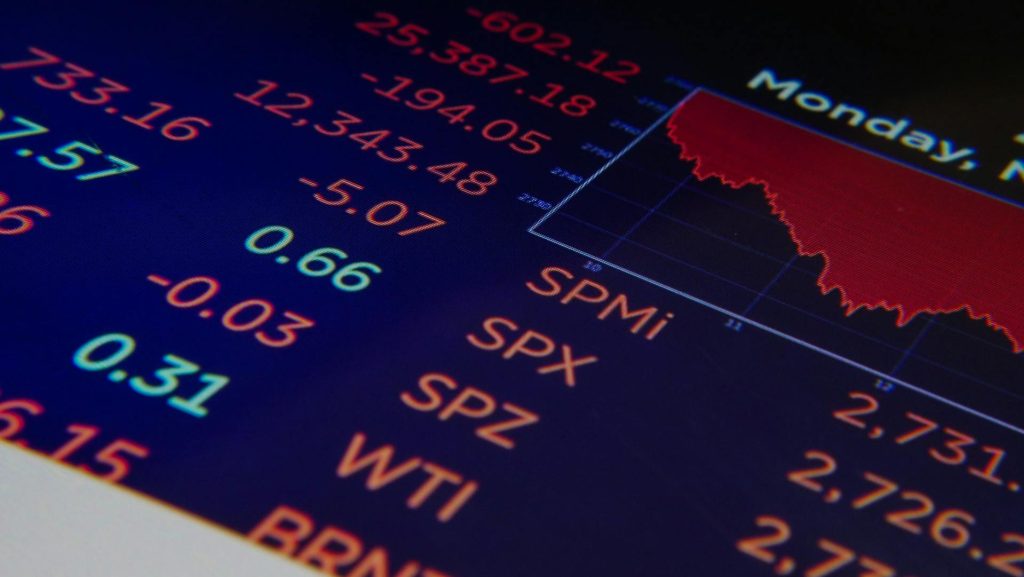
Many people associate the stock market with hasty trading floors and complex charts, but at its core, it’s a platform for buying and selling ownership in public companies.
It serves as a vital component of the economy, allowing businesses to raise capital for growth and giving investors an opportunity to share in their success. Thinking about the stock market this way clarifies it and reveals it as a marketplace where fortunes can be built through careful participation.

Supply, Demand, and Prices
The price of a stock is determined by the simple principles of supply and demand. When more people want to buy a stock than sell it, its price goes up. Conversely, if more people are selling a stock than buying, its price will fall.
A company’s performance, industry trends, and broader economic news all influence this dynamic. This constant fluctuation is what creates both opportunity and risk for investors. Knowing how did the stock market start can offer valuable context for why these forces are so central to its function today.
Key Players
The stock market isn’t just one monolithic entity; it’s a network of different participants working together. Individual investors like you, institutional investors such as pension funds, and brokers who execute trades all play a role.
When you work with a platform like SoFi, you are engaging with this ecosystem. Each player has different goals and strategies, and their collective actions contribute to the market’s daily activity and overall direction.
Opening Your Brokerage Account
To invest in stocks, you first need to open a brokerage account. This account acts as your gateway to the market, allowing you to deposit funds and place orders to buy or sell shares. The process is typically straightforward and can often be completed online in just a few minutes.
You’ll need to provide some personal information and link a bank account to get set up for your first investment.
Research and Analysis
Successful investing involves more than just picking stocks at random. It requires research to evaluate a company’s financial health and growth potential. You might look at its revenue, earnings, and debt levels to get a clear picture.
Some investors also analyze broader market trends and economic indicators to inform their choices. Taking the time to do this homework can help you make decisions based on solid information rather than speculation.
Risks and Rewards
Investing in the stock market comes with a spectrum of potential outcomes. While stocks offer the possibility of significant financial growth, they also carry the risk of loss. Market volatility means that stock values can decline, sometimes sharply.
A diversified portfolio, which spreads investments across various companies and industries, is one common strategy to help manage this risk while still aiming for positive returns.
Long-Term Investing
Many successful investors focus on long-term growth rather than short-term gains. This involves holding investments for several years, allowing them to grow through market cycles.
A long-term perspective can help you weather temporary downturns and benefit from the power of compounding, where your returns begin to generate their own returns. It’s a patient way to build wealth over time.

Shikha Negi is a Content Writer at ztudium with expertise in writing and proofreading content. Having created more than 500 articles encompassing a diverse range of educational topics, from breaking news to in-depth analysis and long-form content, Shikha has a deep understanding of emerging trends in business, technology (including AI, blockchain, and the metaverse), and societal shifts, As the author at Sarvgyan News, Shikha has demonstrated expertise in crafting engaging and informative content tailored for various audiences, including students, educators, and professionals.