Ever heard people talking about futures and wondered what exactly they’re getting into? It sounds complicated, maybe even a little intimidating, right? Well, you’re not alone. Many folks hear terms like ‘commodities,’ ‘speculation,’ and ‘leverage’ and think it’s just for the big players on Wall Street. But honestly, it’s not as mysterious as it seems. This guide is here to break down what is a trading future in simple terms. We’ll cover the basics, how it all works, and what you should know before you even think about jumping in. Let’s make sense of this financial tool together.
Key Takeaways
- A trading future is basically a contract where you agree to buy or sell something specific at a set price on a future date. Think of it like pre-ordering something, but for financial assets.
- These contracts are standardized, meaning everyone agrees on the details like quantity and quality, making them easy to trade on exchanges.
- People use futures to either bet on whether an asset’s price will go up or down, or to protect themselves from price changes in things they already deal with.
- Trading futures can be risky because of something called leverage, which means you can make big profits, but also big losses, much faster than you might expect.
- Before trading futures, it’s smart to understand things like margin (the money you put down to open a trade) and when the contract actually ends or needs to be settled.
Understanding What Is A Trading Future
So, what exactly is a trading future? At its core, it’s a financial agreement, a contract, really. This contract obligates one person to buy and another person to sell a specific thing, at a set price, on a future date. Think of it like pre-ordering something, but with a bit more complexity and a lot more potential for both profit and loss. These aren’t just random deals; they’re highly organized.
Defining Futures Contracts
A futures contract is essentially a standardized legal agreement to buy or sell a particular commodity or financial instrument at a predetermined price on a specified date in the future. It’s not about owning the actual asset right now, but rather agreeing on the terms of a transaction that will happen later. This allows people to speculate on whether the price of that asset will go up or down by the time the contract expires.
The Role Of Standardized Agreements
One of the key things that makes futures markets work is standardization. These contracts aren’t custom-made for each trade. Instead, they have set specifications for the quality, quantity, and delivery of the underlying asset. This standardization is super important because it makes the contracts easily tradable on exchanges. It means a contract for, say, crude oil is the same no matter who is buying or selling it, as long as it’s on the same exchange. This uniformity simplifies trading and makes it easier to compare prices.
Speculating On Future Asset Prices
People get into futures trading for a couple of main reasons. A big one is speculation. Traders look at market trends, news, and economic data, and they make a bet on where they think the price of an asset will be in the future. If you think oil prices are going to climb, you might buy a futures contract for oil. If you’re right, you can sell that contract for a profit before the delivery date. It’s a way to try and profit from anticipated price movements, but it definitely comes with its own set of challenges.
Futures contracts are not about owning the asset itself at the time of the agreement, but rather about agreeing to a future transaction at a price decided today. This distinction is vital for understanding how futures markets operate and the opportunities they present.
How Does Futures Trading Work
So, how does this whole futures trading thing actually go down? It’s not like buying a stock where you get a little piece of a company. Instead, you’re stepping into a formal agreement, a contract, to buy or sell something specific later on. Think of it like pre-ordering something, but with a lot more financial muscle behind it.
Entering Into Obligatory Contracts
When you trade futures, you’re not just making a suggestion; you’re entering into a binding contract. This means you’re obligated to either buy or sell the underlying asset. On the flip side, someone else is obligated to do the opposite. It’s a two-way street, and once you’re in, you’re in until the contract is settled or you offload it to someone else.
Predetermined Prices And Future Dates
The real magic, or maybe the real risk, lies in the predetermined price and future date. You and the other party agree today on the price you’ll exchange an asset for on a specific date in the future. This price is set regardless of what the market price does between now and then. It’s a bet, or a hedge, on where that price will be when the contract’s due date arrives.
Buying And Selling Specific Quantities
Futures contracts aren’t vague. They specify exactly what you’re dealing with. You’re not just buying ‘some oil’; you’re buying a contract for a specific quantity of oil, like 1,000 barrels. This standardization is key because it makes contracts easily tradable on exchanges. You know exactly what you’re getting into, quantity-wise, which helps keep things orderly.
The core idea is locking in a price for a transaction that will happen later. This can be a good thing if you want to protect yourself from price swings, or a bad thing if the price moves against you and you’re stuck with a less favorable rate.
Key Components Of Futures Contracts
So, you’re looking to get into futures trading? That’s cool. But before you jump in, you gotta know what you’re actually signing up for. A futures contract isn’t just some abstract idea; it’s got some pretty specific parts that make it tick. Understanding these bits and pieces is super important, like knowing the ingredients before you bake a cake.
Identifying The Underlying Asset
First off, every futures contract is tied to something else. This
Benefits Of Trading Futures
So, why would anyone jump into the futures market? It’s not just about betting on what oil prices will do next month, though that’s part of it. Futures trading offers some pretty neat advantages for both seasoned investors and folks just looking to protect their existing assets. Let’s break down what makes futures contracts so appealing.
Leveraging Market Movements
This is a big one. Futures contracts let you control a large amount of an asset with a relatively small amount of your own money. Think of it like putting down a deposit to control something much bigger. This is called leverage. If the market moves in your favor, your potential profits can be much larger than if you had just bought the asset outright. It’s like getting more bang for your buck, but you’ve got to be smart about it because the opposite is also true – losses can be magnified too.
Hedging Against Price Volatility
Imagine you’re a farmer who grows corn. You’re worried that by the time you harvest, the price of corn might drop significantly, hurting your income. Futures contracts can be a lifesaver here. You can sell a futures contract for corn at a price you’re happy with, locking it in. This way, even if the market price plummets, you’ve already secured a decent price for your crop. It’s a way to shield yourself from nasty price swings in the market, giving you more certainty.
Enhancing Market Liquidity
Liquidity basically means how easy it is to buy or sell something without drastically changing its price. Futures markets are generally super liquid. There are always plenty of buyers and sellers around. This is great because it means you can usually get into or out of a trade pretty quickly at a price close to what you expect. For traders who need to move in and out of positions fast, this is a huge plus.
Facilitating Price Discovery
Futures markets are like a giant, ongoing auction for future prices. All the buying and selling activity helps to figure out what an asset is really worth in the future. This process, called price discovery, is super important for everyone involved in that asset, from producers to consumers. It gives everyone a clearer picture of future supply and demand trends.
Futures trading isn’t just for big-time speculators. It provides practical tools for managing risk and potentially growing your investments, making it a versatile part of the financial world for many different types of market participants.
Here’s a quick look at how these benefits play out:
- Amplified Returns: Due to leverage, even small price changes can lead to significant percentage gains on your initial capital.
- Risk Management: Protect existing investments or future production from unfavorable price movements.
- Accessibility: Trade a wide variety of assets, from agricultural products to financial indexes, all through standardized contracts.
- 24-Hour Markets: Many futures markets operate around the clock, offering flexibility for trading opportunities whenever they arise.
Risks Associated With Futures Trading
So, you’re thinking about futures? That’s cool. They can be a great way to make money, but let’s be real, they’ve also got some serious downsides you need to know about. It’s not all sunshine and rainbows, and ignoring these risks is a fast track to losing your shirt.
The Impact Of Leverage Risk
This is probably the biggest one. Leverage in futures trading is like a double-edged sword. It means you can control a big chunk of an asset with just a small amount of your own money. Sounds awesome, right? It can be, if the market moves in your favor. But if it goes the wrong way, even a little bit, your losses can pile up way faster than you might expect. You could end up owing more than you initially put in. It’s why managing your risk is super important when you’re using leverage. You can read more about how leverage works in futures trading.
Navigating Market Volatility
Futures markets can be wild. Prices can swing up and down really quickly, sometimes without much warning. This means you can make money fast, but you can also lose it just as fast. It’s not uncommon to see big price jumps or drops, especially with certain commodities or during big economic news events. You’ve got to be prepared for these sudden moves and have a plan for how you’ll react.
Understanding Liquidity And Systemic Risks
Most of the time, futures markets are pretty liquid, meaning there are usually plenty of buyers and sellers around. This makes it easy to get in and out of trades. However, for some less common contracts, liquidity can dry up. If you can’t find someone to buy your contract when you want to sell, you might be stuck with it, even if the price is dropping. Then there’s systemic risk. This is a bit more abstract, but it’s the idea that a problem in one part of the financial system could spread and cause bigger issues for everyone. It’s rare, but it’s something to be aware of.
Adapting To Regulatory Changes
Governments and financial watchdogs keep an eye on futures markets. Sometimes, they change the rules. These changes can affect how you trade, what you can trade, or even how much margin you need. It’s a good idea to stay updated on any new regulations that might pop up, because they can definitely impact your trading strategy.
Futures trading isn’t for the faint of heart. The potential for big gains is there, but so is the potential for significant losses. It requires a solid understanding of the markets, a disciplined approach, and a robust risk management plan. Don’t jump in without doing your homework.
Types Of Futures Contracts Available
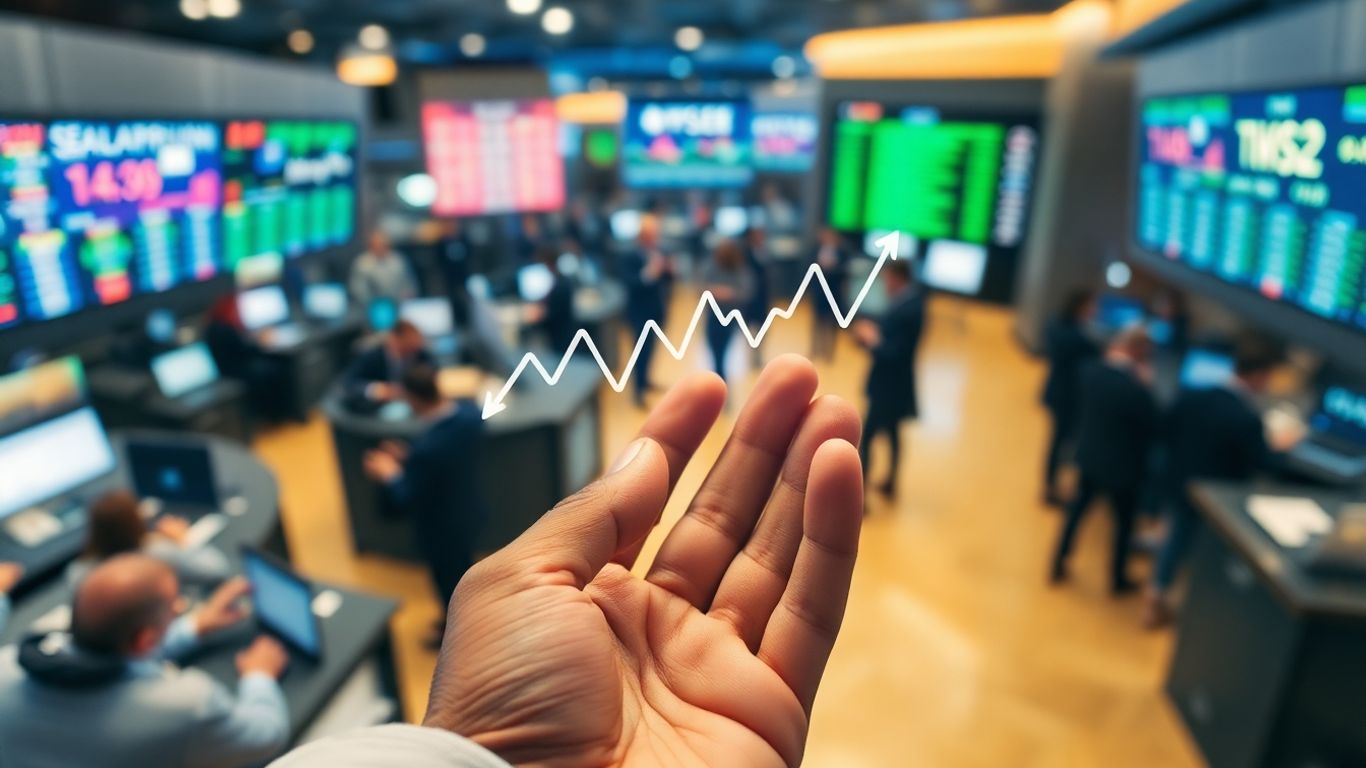
When you start looking into futures, you’ll quickly see there isn’t just one kind of contract. The market has evolved to cover a wide range of assets, giving traders different avenues to explore. Understanding these categories is key to picking the right contract for your trading goals. It’s not just about guessing where a price will go; it’s about understanding the underlying market itself.
Exploring Commodity Futures
These are probably the oldest type of futures contracts out there. Think of raw materials – things like crude oil, natural gas, gold, silver, corn, wheat, or even coffee. Farmers might use these to lock in a price for their harvest, while energy companies might use them to secure a future supply. For traders, these contracts offer a way to bet on the price swings of these essential goods. The prices can be pretty wild sometimes, influenced by weather, global demand, and political events. It’s a big market, and you can find contracts for a lot of different commodities.
Understanding Financial Futures
This category is pretty broad and includes contracts based on financial instruments. We’re talking about things like:
- Currencies: Contracts based on the exchange rates between different countries’ money. If you think the Euro is going to strengthen against the US Dollar, you could trade a currency future.
- Interest Rates: These contracts are tied to the future direction of interest rates, often used by banks and large institutions to manage their borrowing costs.
- Stock Indexes: Instead of betting on a single stock, you can trade futures based on major indexes like the S&P 500 or the Nasdaq 100. This lets you speculate on the overall direction of the stock market. You can find more information on trading these types of contracts on financial futures exchanges.
Considering Individual Stock Futures
These are a bit more straightforward. An individual stock future is a contract based on the price of a single company’s stock. So, instead of trading the stock itself, you’re trading a contract that derives its value from that stock’s price. It’s like a bet on whether Apple’s stock price will go up or down by a certain date. They offer a way to get exposure to a specific company’s performance without actually owning the shares, and they can be quite volatile, just like the stocks they’re based on.
It’s important to remember that each type of futures contract has its own unique set of market drivers and risks. What affects oil prices might be completely different from what affects currency exchange rates. Doing your homework on the specific asset behind the contract is a big part of successful futures trading.
Essential Knowledge Before Trading Futures
Alright, so you’re thinking about jumping into futures trading. That’s cool, but before you go throwing money around, there are a few things you really need to get a handle on. It’s not rocket science, but it’s also not something you want to wing. Think of it like learning to cook – you wouldn’t just start throwing random ingredients in a pot, right? You need to know what you’re doing.
Initial and Maintenance Margins Explained
This is a big one. When you open a futures contract, you don’t pay the full price upfront. Instead, you put down something called an ‘initial margin.’ This is basically a good-faith deposit to show you’re serious. It’s a fraction of the contract’s total value, and it’s how futures trading uses leverage. But here’s the catch: if the market moves against you and your account balance drops below a certain level, you’ll get a ‘margin call.’ That means you need to add more money to bring your account back up to the ‘maintenance margin’ level. If you can’t, your position might get closed out automatically, and you could lose money.
Here’s a quick look at how it generally works:
- Initial Margin: The amount needed to open a new futures position.
- Maintenance Margin: The minimum balance required in your account to keep a position open.
- Margin Call: A demand for more funds when your account balance falls below the maintenance margin.
It’s super important to remember that margin isn’t profit. It’s just the money you need to have in your account to trade. Using margin can amplify both your gains and your losses, so you’ve got to be really careful with it.
Settlement Prices and Delivery Dates
Every day, futures contracts have a ‘settlement price.’ This is the price used to figure out how much money you’ve made or lost that day. It’s also used to calculate margin requirements. Think of it as the official closing price for the day’s trading. Then there’s the ‘delivery date.’ This is the date when the contract actually expires. If you hold the contract until expiration, you might have to actually take or make delivery of the underlying asset. Most traders close out their positions before this date to avoid the hassle of physical delivery, but it’s good to know it’s there.
The Importance of Trading Platforms
Nowadays, you’re not going to be trading futures with a quill pen and a carrier pigeon. You’ll be using an online trading platform. These platforms are your window into the market. They show you prices, let you place orders, and track your positions. Not all platforms are created equal, though. Some are super basic, while others have advanced charting tools, news feeds, and research. You’ll want to pick one that fits your style of trading and that you feel comfortable using. A good platform makes a huge difference in how smoothly you can operate. Make sure it’s reliable, fast, and has the features you need to make informed decisions.
Wrapping Things Up
So, we’ve gone over what futures trading is all about. It’s basically a contract to buy or sell something later, at a price decided now. It can be for things like oil, gold, or even stock market indexes. People use it to try and make money if prices change, or sometimes to protect themselves from price swings. It’s not exactly simple, and there are definitely risks involved, especially with something called leverage. You’ve got to know what you’re doing and be careful. But if you do your homework and have a plan, it could be a way to add another tool to your investing toolbox. Just remember to start small, learn as you go, and don’t put all your eggs in one basket.
Frequently Asked Questions
What exactly is a futures contract?
Think of a futures contract as a promise. It’s an agreement where someone agrees to buy a certain thing, like oil or gold, at a set price on a specific date in the future. The other person agrees to sell it at that same price and date. It’s like pre-ordering something, but for bigger stuff and with more rules.
How does trading futures actually work?
When you trade futures, you’re basically buying or selling these ‘promises’ or contracts. You might buy a contract if you think the price of the item will go up, or sell one if you think it will go down. You don’t actually own the item itself until the future date, you’re just trading the contract.
Why would someone trade futures instead of just buying the actual item?
People trade futures for a couple of main reasons. Some use it to protect themselves from price changes, like a farmer wanting to lock in a price for their crops. Others, called speculators, try to make money by guessing if prices will go up or down. It’s also often faster and easier to trade the contract than the real item.
What are the biggest dangers when trading futures?
One big danger is something called leverage. It means you can control a lot of value with a small amount of your own money. This can make your profits bigger, but it can also make your losses much bigger, very quickly. Prices can also jump around a lot, which can be risky.
What kinds of things can you trade futures on?
You can trade futures on lots of different things! There are futures for raw materials like corn, oil, and gold. You can also trade them on financial things like stock market indexes (which are like a group of stocks), currencies (like dollars or euros), and even individual stocks.
Do I need a lot of money to start trading futures?
While you can technically start with a small amount, it’s generally not recommended to trade futures with very little money, like just $100. Because of leverage, you need enough money to cover potential losses, which can happen fast. Most brokers also have minimum amounts you need to have in your account.