Trading has always been just as much about mindset as it has been about the markets. While tools and tech do matter, most successful traders would be quick to tell you that it really boils down to discipline, risk management, and how you respond under pressure. There are very few people who understand this better than Zak Westphal.
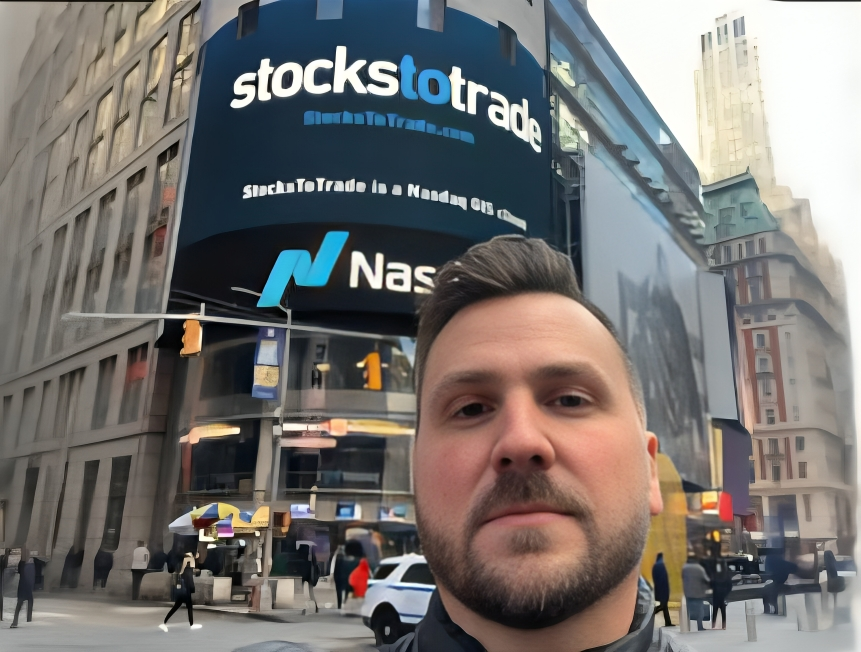
Before becoming the Co-Founder and CEO of StocksToTrade, Westphal was a trader himself. He has lived through the uphill battles that retail traders face as they compete against institutions with access to more high-powered data, technology, and resources. Rather than let this defeat him, he channeled that frustration into building something new —a platform designed to give everyday traders access to professional-grade technology.
Now, with over 30,000 traders using StocksToTrade, Zak Westphal is battling the same mission he has always had, helping individuals trade smarter, not just faster. Along the way, he has learned precisely what qualities separate the traders who make it from those who get burned and never come back. In this interview, he shares the tips and lessons he believes every trader needs to hear, from avoiding common mistakes to building a mindset for success.
Q1. You have experience with thousands of traders using your platform. What separates the ones who succeed from those who struggle?
In my opinion, the difference often comes down to discipline. Successful traders approach trading as a process, not as though they’re buying a lottery ticket. They have a defined plan before opening a position, follow their risk limits, and evaluate what worked and what didn’t once the trade is completed.
On the other hand, traders who don’t fare as well often just chase hype. They will take action in the stock market because they heard a few people talking about it, or because it’s trending on r/WallStreetBets. While that may work from time to time, it’s definitely not the best play over the long term. In fact, it will likely end in ruin for the vast majority of the time.
The traders who survive are those with a long-term focus. They’re focused on improving their decision-making process, not just on hitting successive big wins.
Q2. What’s a common mistake new traders make, and how should they avoid it?
The main mistake that I notice is overtrading. Most new traders believe that trading frequently leads to more opportunities to win, but in reality, it just leads to more opportunities to make mistakes.
I always encourage traders to take a step back. Search for setups that fit your criteria, even if that means waiting longer to initiate trades. Forcing trades is never a good idea. And if you don’t see a clear opportunity to trade, then don’t trade. Don’t feel pressure to trade. Sometimes, no trade at all is the best trade.
Another mistake is not keeping a record of trades. A trading journal may not sound too exciting, but you will find that it is one of the best ways to identify patterns. Over time, you learn which setups suit you better and which setups to avoid.
Q3. How significant is risk management to the success of trading?
Risk management is everything. It won’t matter how great your strategy is because, at some point, you will have a bad trade that wipes you out if you aren’t limiting your losses.
Risk management starts with position sizing. You should never risk more in a trade than you are willing to lose. Use stop losses. And the mental aspect of risk is just as important. You have to be honest with yourself about what level of risk you can actually take. If you’re losing sleep or over-stressing about a position, you’re risking too much. The goal is to take emotion out of the equation as much as you possibly can.
What I tell traders is this; your number one job is not to make money, it is to protect the money you have. If you do that consistently, the profits will follow.
Q4. Given the abundance of new fintech tools, how should traders approach technology without becoming overly reliant on it?
I see technology as a partner, not a replacement. AI and algorithmic tools will help you gather and make sense of data faster than any human could, but these tools don’t know your personal goals or tech risk tolerance.
In cybersecurity, as reported by cyber news, AI can accelerate threat detection and streamline responses; however, only human judgment can align these insights with your organization’s unique risk appetite and strategic priorities.
The best way to use these tools is to let them scan the market, highlight unusual activity, or flag potential setups. But before you act, run it through your own filter. Does it fit your plan? Does the risk/reward make sense?
The problem arises when new traders view technology as a magic bullet. It’s not. These tools simply give you a way to increase your efficiency, but the judgment still has to come from you.
Q5. What advice can you give traders who want to improve their trading this year?
First things first, be process-focused rather than profit-driven. If you only reward yourself for trades that profit, you’re going to miss some important lessons along the way. Sometimes, you’ll make a good decision but still lose money. That’s fine. Sometimes, you can make a big mistake and end up making a significant profit. That’s not ideal. What matters is whether you followed your plan.
Next, be sure to keep a trading journal. Make note of why you entered the trade, where you exited, and what you were thinking during the trade. Over time, you’ll start to notice patterns in your behavior in terms of good or bad decisions to learn from.
Next, treat mistakes as tuition. Every trader pays a certain amount for their education, whether in terms of time or money. The goal is to learn from mistakes so you’re not paying for the same lesson time and time again.
Finally, take care of your mind and body outside of trading. When you are tired, anxious, or feeling distracted, it will show in your decision-making. Trading is hard work, and you need to be as mentally sharp as possible.

Tradersdna is a leading digital and social media platform for traders and investors. Tradersdna offers premiere resources for trading and investing education, digital resources for personal finance, market analysis and free trading guides. More about TradersDNA Features: What Does It Take to Become an Aggressive Trader? | Everything You Need to Know About White Label Trading Software | Advantages of Automated Forex Trading