
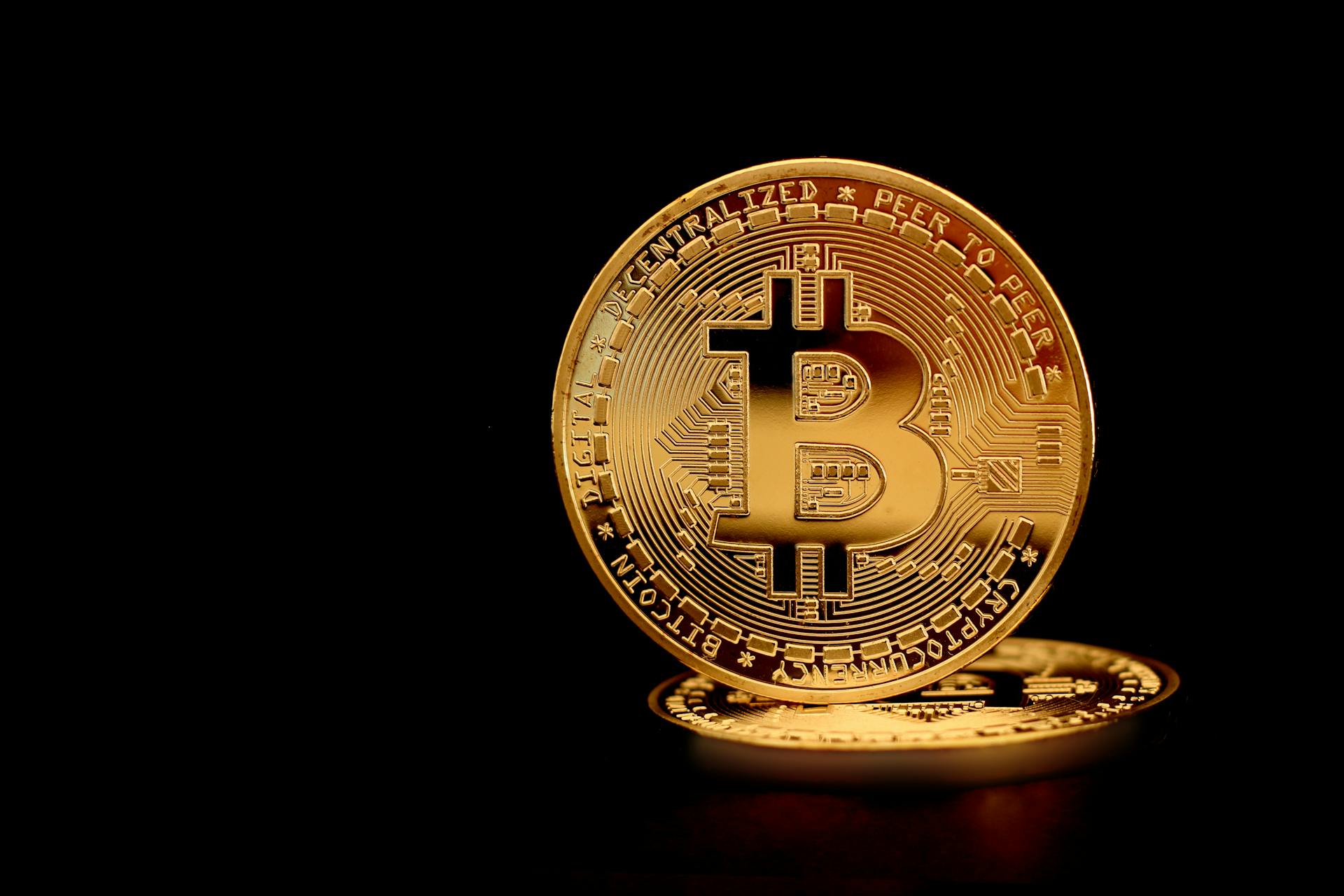
Stay one step ahead of fraudsters with our top tips to avoid crypto trading scams. Safeguard your investments and trade with confidence!
Understanding Crypto Trading Scams
The allure of cryptocurrencies has captured the imagination of investors worldwide, promising lucrative returns and a revolutionary way to handle transactions. However, with the rise of crypto trading, there has also been an increase in fraudulent activities. Understanding the landscape of crypto trading scams is the first step in protecting yourself from falling prey to these malicious schemes. Scammers often exploit the complexities and the decentralized nature of cryptocurrencies to deceive unsuspecting investors. By gaining a comprehensive understanding of how these scams operate, you can safeguard your assets and trade confidently.
Crypto trading scams come in various forms, each leveraging different strategies to deceive investors. From phishing schemes to Ponzi schemes, the variety of scams can be overwhelming. Many scams prey on the lack of knowledge and the hype surrounding new technologies. For instance, some fraudsters create fake Initial Coin Offerings (ICOs) to entice investors with promises of high returns, only to disappear with the funds. Others may set up fake exchanges that appear legitimate but are designed to steal your money or personal information.
The decentralized and anonymous nature of cryptocurrencies, while offering many benefits, also makes it easier for scammers to operate. Unlike traditional financial systems that have regulatory bodies and safety nets, the crypto world is still evolving in terms of regulatory oversight. This lack of regulation can create a fertile ground for scammers to flourish. Therefore, a crucial aspect of protecting yourself is staying informed about the different types of scams and understanding the tactics used by fraudsters. Knowledge is your first line of defence in the volatile world of crypto trading.
Common Types of Crypto Scams
One of the most prevalent crypto scams is the Ponzi scheme, where early investors are paid returns from the contributions of newer investors rather than from profit earned. These schemes often collapse when there are not enough new investors to pay returns to earlier ones. Ponzi schemes can be particularly deceptive because they often promise high returns with little or no risk, appealing to the greed and financial desperation of potential victims. Always be wary of investment opportunities that seem too good to be true, as they often are.
Another common scam is the phishing attack, where scammers try to steal personal information such as usernames, passwords, and private keys by masquerading as a trustworthy entity. These attacks often come in the form of emails, messages, or websites that appear legitimate but are designed to trick you into revealing your sensitive information. To avoid falling victim to phishing scams, always double-check the URLs of websites you visit and be cautious of unsolicited communications asking for personal information.
Fake exchanges and wallets are also rampant in the crypto world. Scammers create websites that look like legitimate exchanges or wallet services to lure users into depositing their funds. Once the funds are deposited, the scammers disappear with the money. To avoid this, ensure that any exchange or wallet service you use is reputable and has a track record of reliability. Research the platform thoroughly and look for reviews from other users to verify its legitimacy. By staying vigilant and informed, you can avoid these common scams and protect your investments.
Red Flags to Watch Out For
Recognizing red flags is crucial in avoiding crypto trading scams. One of the most significant warning signs is the promise of guaranteed returns. In the world of investments, there are no guarantees, especially in the highly volatile crypto market. If an investment opportunity promises high returns with no risk, it’s likely a scam. Always be sceptical of such claims and remember that if something sounds too good to be true, it probably is. Conduct thorough research and seek advice from trusted financial advisors before making any investment decisions.
Another red flag is the lack of transparency. Legitimate crypto projects are usually open about their development team, business model, and technological framework. If a project lacks detailed information about its team or operation, it’s a cause for concern. Scammers often hide behind anonymity to avoid accountability. Ensure that you can verify the identities and qualifications of the people behind the project. Additionally, check if the project has a clear and detailed whitepaper outlining its goals, technology, and roadmap. A lack of transparency is a significant red flag that should not be ignored.
High-pressure tactics are also a common red flag in crypto scams. Scammers may try to create a sense of urgency to pressure you into making hasty decisions. They might claim that the investment opportunity is limited or that you need to act quickly to take advantage of a special deal. These tactics are designed to prevent you from taking the time to research and think critically about the investment. Always take your time to thoroughly evaluate any investment opportunity and avoid making decisions under pressure. By recognizing and responding to these red flags, you can protect yourself from falling victim to crypto trading scams.
How to Research a Cryptocurrency Project
Conducting thorough research is essential before investing in any cryptocurrency project. Start by examining the project’s whitepaper, which should provide a comprehensive overview of the project’s goals, technology, and roadmap. A well-written and detailed whitepaper is a sign that the project is serious and has put thought into its development. Pay close attention to the problem the project aims to solve, how it plans to achieve its goals, and the potential use cases for its technology. If the whitepaper is vague or lacks detail, it’s a red flag that the project may not be legitimate.
Next, research the team behind the project. A legitimate project will have a transparent team with verifiable qualifications and experience. Look for information about the team members’ backgrounds, previous work, and their roles in the project. Check if they have a presence on professional networking sites like LinkedIn and if they have been involved in other successful projects. A strong and qualified team is a positive indicator of the project’s potential for success. Conversely, if the team members are anonymous or have unverifiable credentials, it’s a cause for concern.
Another important aspect to research is the project’s community and social media presence. A legitimate project will have an active and engaged community on platforms like Telegram, Reddit, and Twitter. Join these communities to see how the project interacts with its supporters and how transparent it is about its progress. Look for updates, announcements, and discussions about the project’s development. A strong and supportive community is a positive sign that the project is legitimate and has a solid foundation. By conducting thorough research, you can make informed decisions and avoid falling victim to crypto trading scams.
Best Practices for Secure Trading
Practicing secure trading habits is essential to protect your investments in the volatile world of cryptocurrencies. One of the most important practices is enabling two-factor authentication (2FA) on all your trading accounts. 2FA adds an extra layer of security by requiring you to provide a second form of verification, such as a code sent to your mobile device, in addition to your password. This makes it much more difficult for hackers to gain access to your accounts, even if they manage to obtain your password. Always use a reputable 2FA app, such as Google Authenticator or Authy, rather than SMS-based 2FA, which can be vulnerable to SIM swapping attacks.
Another best practice is to use strong, unique passwords for each of your trading accounts. Avoid using easily guessable information, such as your name or birthdate, and include a mix of upper- and lower-case letters, numbers, and special characters. Using a password manager can help you generate and store strong passwords securely. Additionally, regularly update your passwords and avoid reusing them across different accounts. Strong, unique passwords are a crucial defence against unauthorized access to your accounts.
It’s also important to be cautious when accessing your trading accounts and wallets. Avoid using public Wi-Fi networks, as they can be vulnerable to hacking attempts. Instead, use a secure and private internet connection, such as your home network. Consider using a virtual private network (VPN) to encrypt your internet traffic and protect your privacy. Additionally, always log out of your accounts when you’re finished trading and avoid leaving your devices unattended. By following these best practices, you can enhance the security of your trading activities and protect your investments from potential threats.
The Importance of Using Reputable Exchanges
Choosing the right exchange is crucial for the security of your crypto trading activities. Reputable exchanges have robust security measures in place to protect your funds and personal information. They often undergo regular security audits and employ advanced encryption techniques to safeguard against hacking attempts. Before choosing an exchange, research its security features, such as 2FA, cold storage for funds, and insurance policies for user assets. Using a reputable exchange significantly reduces the risk of losing your funds to fraud or hacking.
Another important factor to consider when choosing an exchange is its regulatory compliance. Reputable exchanges operate in accordance with the regulatory requirements of the jurisdictions in which they operate. This ensures that they adhere to strict standards for security, transparency, and customer protection. Check if the exchange is registered with relevant regulatory bodies and if it follows Know Your Customer (KYC) and Anti-Money Laundering (AML) procedures. Regulatory compliance is a strong indicator of the exchange’s legitimacy and commitment to protecting its users.
Customer support is also a crucial aspect of a reputable exchange. In the event of any issues or concerns, you should be able to reach out to the exchange’s support team for assistance. Look for exchanges that offer responsive and helpful customer support through multiple channels, such as email, live chat, and phone. Additionally, check for user reviews and feedback about the exchange’s customer service. A reputable exchange will prioritize its users’ needs and provide timely support to resolve any issues. By choosing a reputable exchange, you can trade with confidence and minimize the risk of falling victim to crypto trading scams.
To ensure you aren’t falling victim to these fraudulent schemes, we invite you to get professionally trained by us at https://npfinancials.com.au/cryptocurrency-trading/ so you can navigate the markets safely and securely.
Protecting Your Private Keys and Wallets
The security of your private keys and wallets is paramount in protecting your crypto assets. Private keys are essentially the keys to your digital wallet, and anyone who has access to them can control your funds. Therefore, it’s crucial to keep your private keys secure and never share them with anyone. One of the best ways to protect your private keys is by using a hardware wallet. Hardware wallets store your private keys offline, making them immune to online hacking attempts. Popular hardware wallets, such as Ledger and Tresor, offer robust security features and are widely recommended by the crypto community.
Another important practice is to create secure backups of your private keys and wallet information. If you lose access to your wallet, or it becomes compromised, having a backup can help you recover your funds. Store your backups in a secure location, such as a safe or a secure cloud storage service with strong encryption. Additionally, consider using a password manager to securely store and manage your private keys and other sensitive information. Regularly update your backups to ensure they are up to date with your latest transactions and wallet information.
It’s also important to be cautious of phishing attempts and malware that can compromise your private keys and wallets. Always double-check the URLs of websites you visit and avoid clicking on suspicious links or downloading unknown files. Use reputable antivirus and anti-malware software to protect your devices from malicious attacks. Additionally, enable security features such as 2FA on your wallet accounts to add an extra layer of protection. By taking these precautions, you can safeguard your private keys and wallets and protect your crypto assets from potential threats.
Reporting and Recovering from Scams
If you fall victim to a crypto trading scam, it’s important to take immediate action to mitigate the damage and increase your chances of recovering your funds. The first step is to report the scam to the relevant authorities and platforms. Contact the exchange or wallet service where the scam occurred and provide them with all the necessary details, such as transaction IDs, communication logs, and any other evidence you have. Reputable platforms will have procedures in place to investigate and address such incidents. Additionally, report the scam to your local law enforcement agencies and provide them with all the relevant information.
Another important step is to inform the crypto community about the scam. Share your experience on social media platforms, forums, and community groups to warn others and prevent them from falling victim to the same scam. The crypto community is often proactive in identifying and exposing scams, and your information can help others stay safe. Additionally, consider reaching out to organizations and websites that track and report crypto scams, such as the Better Business Bureau (BBB) and the Federal Trade Commission (FTC). These organizations can provide additional resources and support to help you recover from the scam.
Recovering from a crypto scam can be challenging, but there are steps you can take to protect yourself from future incidents. Conduct a thorough review of your security practices and identify any vulnerabilities that may have been exploited. Strengthen your security measures, such as enabling 2FA, using strong passwords, and securing your private keys and wallets. Additionally, stay informed about the latest scams and security threats in the crypto world by following reputable news sources and joining community discussions. By taking these steps, you can recover from a scam and enhance your security to prevent future incidents.
Staying Informed: Resources and Communities
Staying informed about the latest developments and threats in the crypto world is essential for protecting yourself from scams. There are numerous resources and communities that can help you stay updated and make informed decisions. Reputable news websites, such as CoinDesk, CoinTelegraph, and CryptoSlate, provide timely and accurate information about the crypto market, regulatory changes, and security threats. Subscribe to their newsletters and follow their social media channels to stay informed about the latest news and trends in the crypto world.
Joining online communities and forums is another effective way to stay informed and connect with other crypto enthusiasts. Platforms like Reddit, Telegram, and Discord have dedicated communities where users share information, discuss trends, and warn each other about potential scams. Participating in these communities can help you gain valuable insights and stay updated on the latest developments. Additionally, consider joining local meetups and events where you can network with other crypto enthusiasts and learn from their experiences. Engaging with the community can provide you with valuable support and knowledge to navigate the crypto landscape safely.
Educational resources, such as online courses and webinars, can also help you enhance your understanding of cryptocurrencies and security practices. Websites like Coursera, Udemy, and Khan Academy offer courses on blockchain technology, crypto trading, and cybersecurity. Investing time in learning about these topics can empower you to make informed decisions and protect your investments. Additionally, follow reputable influencers and experts in the crypto space, such as Andreas M. Antonopoulos and Vitalik Buterin, to gain insights from their expertise and stay updated on the latest trends and best practices. By leveraging these resources and communities, you can stay informed and protect yourself from crypto trading scams.
Conclusion: Empowering Yourself Against Scams
In the dynamic and rapidly evolving world of cryptocurrencies, staying one step ahead of fraudsters is crucial to safeguarding your investments. By understanding the various types of crypto trading scams and recognizing the red flags, you can protect yourself from potential threats. Conducting thorough research on cryptocurrency projects, using reputable exchanges, and practicing secure trading habits are essential steps in enhancing your security. Additionally, protecting your private keys and wallets, reporting scams, and staying informed through reputable resources and communities can further empower you to navigate the crypto landscape safely.
It’s important to remember that while the crypto market offers exciting opportunities, it also comes with risks. Vigilance, knowledge, and proactive measures are your best defences against scams. Always approach investment opportunities with a critical mindset and avoid making hasty decisions under pressure. By taking the time to educate yourself and implement robust security practices, you can trade with confidence and protect your assets from fraudsters.
Empowering yourself against crypto trading scams is an ongoing process that requires continuous learning and adaptation. Stay curious, stay informed, and stay connected with the crypto community. By doing so, you can not only protect your investments but also contribute to a safer and more secure crypto ecosystem for everyone. With the right knowledge and tools, you can confidently navigate the world of cryptocurrencies and make the most of the opportunities it offers.
Written by

Partha
Partha Banerjee is the Founder, Principal Trader, and Director of N P Financials Pty Ltd, one of Australia’s most respected ASIC-regulated proprietary trading and trader-training firms and an AFSL holder. With decades of experience across multiple market cycles, Partha is known for his disciplined, structure-first trading approach, grounded in transparency, risk management, and real-market execution.
He actively trades the same strategies he teaches, specialising across Forex, Equities, Commodities, Indices, Cryptocurrencies, and intraday markets. Under his leadership, N P Financials has become a globally recognised trading education and proprietary trading organisation, earning multiple national and international awards for regulatory excellence, educational depth, and long-term trader outcomes.
Connect with Us:
info@npfinancials.com.au
+61 3 9790 6476