Metapay is a decentralised payment system that makes trading faster, cheaper, and safer. By reducing fees, speeding up transfers, and including people without bank accounts, it opens global markets to more traders. Can Metapay truly make international trading accessible for everyone?
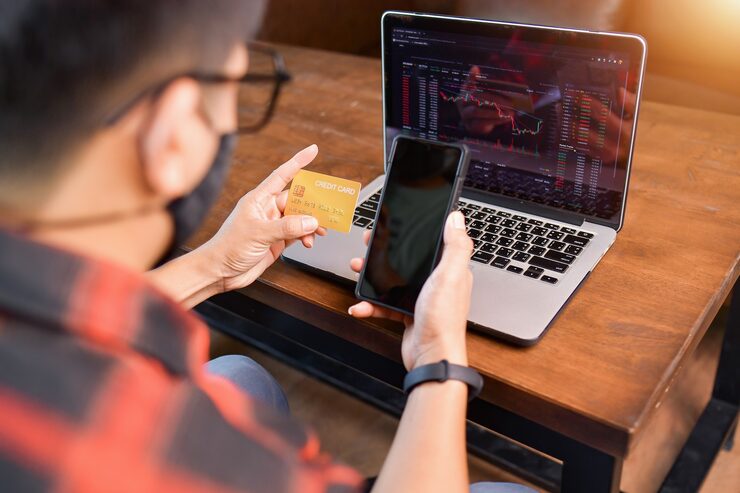
Trading across countries has always been difficult. High fees, long wait times, and complicated bank processes make it hard for many traders and businesses to take part in global markets. Around 1.7 billion people worldwide still do not have access to bank services, meaning a large number of potential traders cannot join international markets.
This is where Metapay comes in.
Metapay is a decentralised payment system made to make payments faster, cheaper, and easier for everyone. By removing middlemen and using blockchain technology, it hopes to give more people the chance to trade.
But can decentralised payments like Metapay really change market access?
Understanding decentralised payments
Decentralised payments are payments that do not need a central authority, like a bank, to work. Instead, they use digital networks to check and record payments. Metapay is one platform that lets people send and receive payments directly. It uses blockchain technology to keep payments safe and clear.
Traditional banking can be slow and expensive. Sending money across borders often takes several days and has many fees. In comparison, decentralised systems like Metapay can send payments in minutes, or sometimes even seconds, and at a much lower cost. For example, sending money through a bank can cost 3–7% in fees, while using Metapay could cost less than 1%.
Decentralised payments are not limited by location. Anyone with internet access can use them, making global trading open to more people. By making payments simpler and cheaper, Metapay can let millions more traders take part in international markets.
How Metapay works in trading
Using Metapay for trading is easy. First, users make a digital wallet on the platform. This wallet holds their money safely and allows them to send or receive payments. When making a payment, the user enters the recipient and the amount. The payment is then checked and recorded on the blockchain, so it cannot be changed or copied.
One main benefit is speed. Payments that could take days with a bank can be done in minutes with Metapay. Also, changing money from one currency to another is automatic. Traders can pay in the currency they want without worrying about bank charges or exchange rates.
Security is another benefit. Every payment is encrypted and stored on a public record, which reduces fraud. Traders can also watch payments in real time, making money management easier and clearer.
Benefits of Metapay for market access
- Lower Barriers for Small Traders
Metapay cuts the cost and difficulty of joining trading markets. Small traders do not need to depend on banks, which often ask for high fees and paperwork. This lets people who were left out before take part.
- Faster Payments
Sending money through banks across countries can take 2–5 business days. Metapay can do this in minutes, letting traders act quickly on chances in the market.
- Cheaper Transactions
Bank fees often reduce traders’ profits. By lowering fees, Metapay lets traders keep more of their money. Traders could save up to 70% on fees compared to using banks for international payments.
- Financial Inclusion
Over a billion people in the world do not have a bank account. Decentralised payments can help include them. Metapay allows anyone with the internet to trade, giving a fairer chance for more people.
- Clear and Safe Payments
Every payment on Metapay is on the blockchain, making it unchangeable. Traders can check every payment, lowering the risk of fraud and increasing trust in payments.
Challenges and risks
Even with its benefits, Metapay has some challenges.
- Rules and regulations
Not all countries have clear rules for decentralised payments. This can make using Metapay hard in some places. Unclear rules can slow down use or create legal problems for traders.
- Changing value
Some digital payment systems are linked to cryptocurrencies, which can change in value. While Metapay tries to keep value stable, users still need to be aware of possible changes.
- Technical skills needed
Using decentralised payments requires some knowledge of digital wallets and blockchain. New users may find it hard to set up accounts or make payments.
- How many people use it
For Metapay to work well, many people and businesses need to use it. If not enough people use it, it can be less useful and slow down the benefits for market access.
Metapay is working to fix these problems with easy guides, simple interfaces, and partnerships with financial services.
The future of Metapay in trading
The potential for Metapay is big. As more traders and businesses use decentralised payments, market access could improve a lot. Estimates show that the digital payment market could reach $10 trillion in the next ten years, helped by platforms like Metapay.
Financial inclusion will continue to rise, letting people who could not trade before take part in global markets. With faster payments, lower costs, and safe transactions, Metapay could change how people trade worldwide.
Metapay may also work with other financial systems, like digital wallets, online stores, and trading software, making money management easier for traders.
Metapay is a big step forward for decentralised payments and global trading. By cutting costs, speeding up payments, and keeping transactions safe, it could make market access fairer and easier.
While there are still challenges, like rules and technical knowledge, the benefits of Metapay are clear. Decentralised payments can let traders of all sizes join global markets, opening up new chances for growth and inclusion.
In a world where many people cannot use normal banking, platforms like Metapay could be the key to giving more people access to trading.
Metapay is not just a payment system; it is a way to make global trading more open and fair for everyone.

Shikha Negi is a Content Writer at ztudium with expertise in writing and proofreading content. Having created more than 500 articles encompassing a diverse range of educational topics, from breaking news to in-depth analysis and long-form content, Shikha has a deep understanding of emerging trends in business, technology (including AI, blockchain, and the metaverse), and societal shifts, As the author at Sarvgyan News, Shikha has demonstrated expertise in crafting engaging and informative content tailored for various audiences, including students, educators, and professionals.