SK Hynix has achieved record earnings, widening its lead over Samsung in the competitive high-bandwidth memory (HBM) segment, driven by the booming demand for artificial intelligence (AI) technologies. The South Korean chipmaker, a key supplier to Nvidia, reported a remarkable growth in revenue and profit, further solidifying its position as the top provider of HBM products for AI systems.
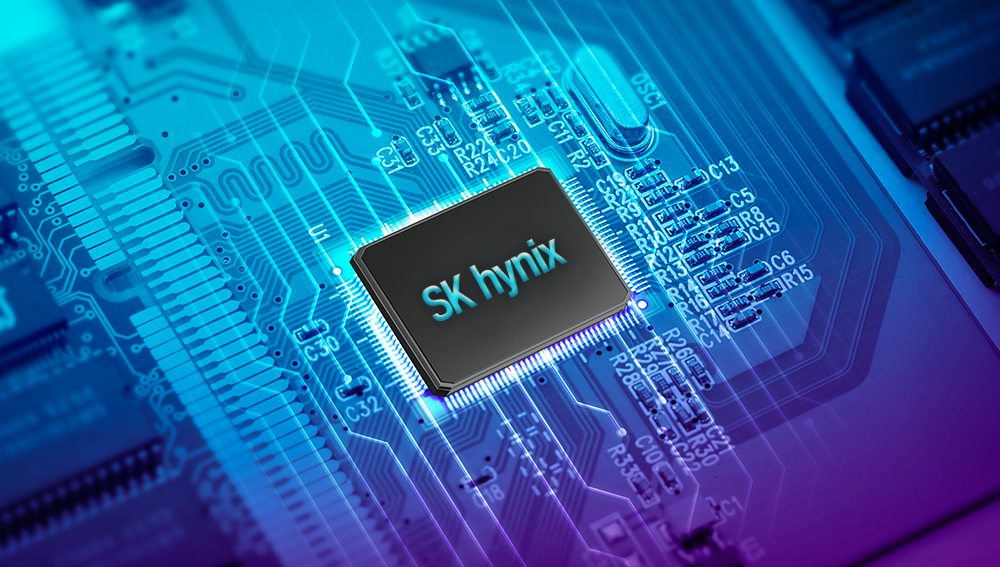
SK Hynix, a leader in memory chip technology, has delivered an impressive second-quarter performance, far surpassing its competitors, including Samsung. The company’s remarkable success is largely attributed to its cutting-edge high-bandwidth memory (HBM) products, which are essential for the growing demand in artificial intelligence (AI) systems. As global investments in AI continue to surge, SK Hynix stands at the forefront, positioning itself as the primary supplier of HBM chips to Nvidia, one of the world’s leading AI technology companies.
In the competitive semiconductor market, SK Hynix has made a significant leap, surpassing rival Samsung for the second consecutive quarter. With a strategic focus on high-performance memory solutions, the company is poised to benefit from the global AI boom, making it a key player in the evolving tech landscape. As AI technologies push the boundaries of innovation, SK Hynix’s growth trajectory remains promising, backed by strong demand for its state-of-the-art memory products.
SK Hynix reports record-breaking earnings amid AI surge
SK Hynix’s second-quarter earnings have set a new benchmark for the company, reflecting a robust growth trajectory. The company posted an operating profit of Won9.2 trillion ($6.7 billion), marking an impressive 68 per cent year-on-year increase.
Revenue for the quarter reached Won22.2 trillion ($16.1 billion), up 35 per cent compared to the same period last year. This stellar performance exceeded analysts’ expectations, with the company’s operating margin rising from 33 per cent to 41 per cent.
The growth is largely driven by SK Hynix’s continued leadership in high-bandwidth memory (HBM), a crucial technology used in AI systems. The surge in global AI investments, especially by major tech players, has been a driving force behind the growing demand for HBM. With a focus on meeting this demand, SK Hynix is well-positioned to capitalise on the expanding AI market.
Strategic positioning: Leading the AI memory market
The key to SK Hynix’s success lies in its technological edge in the HBM market. As a critical supplier to Nvidia, a company that powers some of the world’s most advanced AI systems, SK Hynix has established itself as a leader in the memory sector. The company’s strategic focus on delivering high-performance memory solutions has helped it gain a significant market share in the AI space, outpacing Samsung for the first time in recent quarters.
This position is expected to strengthen further as the demand for AI technologies continues to grow. SK Hynix anticipates that investments in “sovereign AI” – where countries aim to build their own AI data centre capabilities – will continue to spur long-term demand for memory chips. As nations increasingly focus on developing independent AI infrastructures, SK Hynix is set to benefit from these shifts in the global tech landscape.
SK Hynix’s future prospects: Navigating a competitive market
Despite its current dominance, SK Hynix faces potential challenges as competition in the HBM market heats up. Industry analysts have highlighted the possibility of a “speed bump” in the HBM market by 2026, as more companies increase their production of high-bandwidth memory products. This growing competition could impact pricing, which may shift in favour of larger customers, such as Nvidia.
However, SK Hynix remains confident in its position, with analysts projecting continued growth in global revenues from the HBM sector. The market is expected to grow from $35.7 billion in 2023 to $57.5 billion by 2027. Despite the looming competition, SK Hynix’s strong ties with Nvidia and its focus on innovation in HBM products ensure that the company will continue to hold a significant share of the market.
Samsung’s struggles and opportunities for the guture
In contrast to SK Hynix’s success, Samsung has faced difficulties in maintaining its position as a major supplier for Nvidia’s advanced AI chips. Samsung has experienced a significant dip in its second-quarter earnings, with a 56 per cent year-on-year decline in operating profit.
The company is currently struggling to pass stringent qualification tests for Nvidia’s most advanced AI chips, which has hindered its ability to compete with SK Hynix in this crucial market.
However, there are positive signs for Samsung as well. The company is expected to benefit from the resurgence of Nvidia’s less advanced H20 AI chips, especially in the Chinese market.
Additionally, Samsung is poised to capitalise on the demand for customised memory products for application-specific integrated circuit (ASIC) chips, a growing segment within the HBM market. As companies like Google, Amazon, Microsoft, Meta, and Tesla develop their own AI-specific chips, Samsung’s expertise in this area may provide new opportunities for growth.
A promising future for SK Hynix
SK Hynix’s record-breaking earnings and technological leadership in the high-bandwidth memory market position it as a dominant player in the AI chip industry. With AI investments continuing to rise globally, the demand for HBM products is expected to grow, offering significant opportunities for SK Hynix.
While competition in the market is intensifying, SK Hynix’s strong partnerships, especially with Nvidia, and its focus on innovation in AI memory technology ensure that it remains well-positioned for sustained growth.
As the AI revolution continues to unfold, SK Hynix’s strategic investments in high-performance memory products are likely to drive its success in the coming years, further solidifying its place as a global leader in the semiconductor industry.

Shikha Negi is a Content Writer at ztudium with expertise in writing and proofreading content. Having created more than 500 articles encompassing a diverse range of educational topics, from breaking news to in-depth analysis and long-form content, Shikha has a deep understanding of emerging trends in business, technology (including AI, blockchain, and the metaverse), and societal shifts, As the author at Sarvgyan News, Shikha has demonstrated expertise in crafting engaging and informative content tailored for various audiences, including students, educators, and professionals.