
Thinking about trading forex in the US? It’s a bit of a maze out there, with rules and regulations that can make your head spin. The US has some pretty strict rules to keep traders safe, which is good, but it also means not every broker you see advertised is actually allowed to operate here. We’ve looked into what’s available for US forex broker options in 2026, focusing on who’s legit and what they offer. This isn’t about finding the fanciest platform, but the ones that are properly regulated and make sense for someone looking to trade currencies.
Key Takeaways
- Interactive Brokers is a top choice for US forex traders, known for its strong platform and wide range of tools.
- NinjaTrader offers advanced charting and a robust platform, making it suitable for active traders.
- tastyfx, formerly IG US, is highlighted as a leading US forex broker with a strong parent company and good mobile trading options.
- OANDA US provides a good selection of currency pairs and a capable in-house trading platform.
- FOREX.com is a well-established US forex broker with a solid reputation and various trading tools.
1. Interactive Brokers
Interactive Brokers, often just called IBKR, is a big name in the trading world, and for good reason. They’ve built a reputation for being a solid choice, especially if you’re past the beginner stage and know your way around a trading platform.
They really shine when it comes to providing advanced tools and access to a wide range of global currency markets. This makes them a strong contender for traders who need a lot of control and data at their fingertips. It’s not just about forex either; they have a huge selection of other assets too.
When it comes to costs, IBKR does things a bit differently. Instead of just adding a markup to the spreads you see, they charge a commission. This can be really transparent, and often leads to tight spreads. It’s a structure that tends to work well for traders who move a lot of volume or need very specific trade executions.
Here’s a quick look at some of their forex specifics:
- Spreads: You’ll find spreads like 0.08-0.20 bps on major pairs like EUR/USD and GBP/USD, depending on your trade value. This is pretty competitive.
- Leverage: They offer leverage up to 1:50. This is lower than some other brokers, which can be a good thing for risk management.
- Minimum Deposit: Good news here, there’s no minimum deposit required to open an account, making it accessible.
IBKR also packs in a lot of research and analysis tools. You get news feeds, economic calendars, and access to third-party research. Their own ‘Traders’ Insight’ blog is also a good spot for market commentary. It can feel a bit overwhelming at first because there’s so much information, but for experienced traders, being able to customize your data flow is a big plus. If you’re looking for a robust platform with deep market access, IBKR is definitely worth checking out for your forex trading needs.
2. NinjaTrader
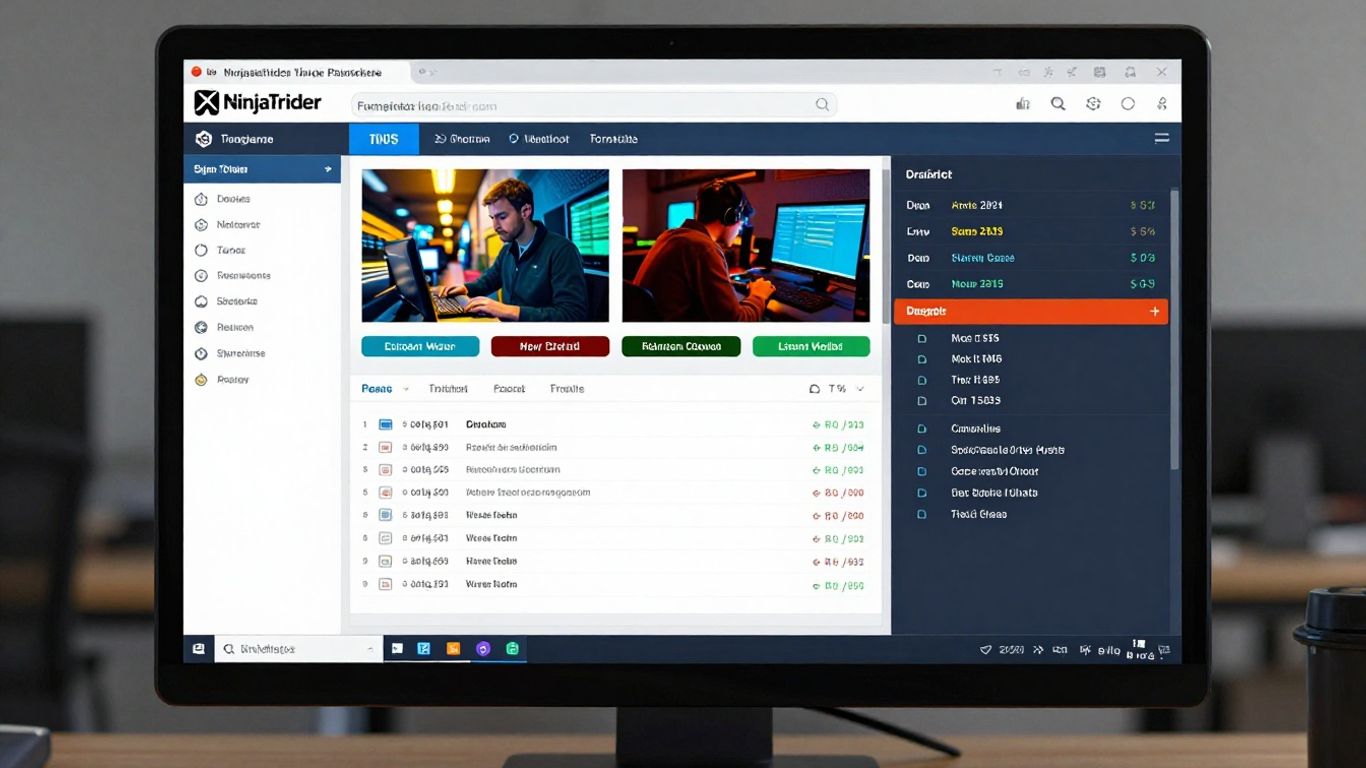
NinjaTrader is a platform that really shines for active futures traders, and it’s also a solid choice for forex if you’re into technical analysis. They’ve packed it with some seriously good charting tools – think hundreds of indicators and over ten different chart types. It feels like they built this thing with charting enthusiasts in mind.
One of the coolest features is the market replay. You can grab historical data, go back to any point, and basically trade it like it’s live. It’s super handy for testing out strategies or just getting more practice without risking real money. Plus, NinjaTrader has this huge ecosystem of add-ons and custom tools from developers all over the world. If you can think of a specific indicator or strategy, chances are someone has built it for NinjaTrader.
Here’s a quick look at some of its features:
- Nano Contracts: These are tiny contracts, a hundredth the size of standard ones. They let you get really precise with your position sizing and manage risk on a smaller scale, which is great if you like to build into a position slowly.
- Extensive Charting: Access to over 50 indicators and more than 10 chart types means you can really dig into the price action.
- Market Replay: Download tick-by-tick data and replay past trading sessions.
- Third-Party Ecosystem: Thousands of add-ons and custom tools are available from a global developer community.
However, it’s not all smooth sailing. If you’re big on fundamental analysis – looking at company earnings or economic reports – you’ll find NinjaTrader pretty lacking. It’s almost entirely focused on technicals. Also, be aware that intraday margin requirements can jump up quite a bit right before major economic news releases, sometimes by four times the usual amount. This can catch traders off guard if they aren’t prepared.
NinjaTrader was acquired by Kraken in May 2025. While it’s still operating independently for now, it’s something to keep in mind if you’re thinking about long-term platform stability and potential changes to pricing or features down the road.
Overall, NinjaTrader is a powerful platform, especially if you’re a technically-minded trader who values advanced charting and strategy backtesting. Just make sure its focus on technicals aligns with your trading style.
3. tastyfx
tastyfx really stands out this year, and honestly, it’s because they’ve built a solid trading setup using IG’s established tech. Even though it’s rebranded from IG US, the core stuff is still the same – how trades get done, the prices, the platform’s reliability, and the research tools are all still there. For folks trading forex in the U.S., tastyfx just works well for day-to-day trading across a bunch of different currency pairs.
They give you access to a couple of popular platforms: MetaTrader 4 and ProRealTime. If you like to use charts in a structured way or want to automate some of your trading, these are good choices. ProRealTime, especially, is a strong desktop charting option for U.S. traders, with dependable order handling and a layout that lets you really dig into technical analysis. Plus, tastyfx uses IG’s connections for liquidity and how orders are routed, so even bigger trades usually go through without much price slippage, which is a big deal if you’re moving larger positions or trading in fast markets.
When it comes to fees, the spreads on major and minor currency pairs are pretty competitive. You can also add on third-party signals from AutoChartist and PIA First, which can help structure your trade planning without telling you exactly what to do. The market commentary and research coming from IG’s global network also feeds into the tastyfx experience, giving traders generally useful and up-to-date market insights.
tastyfx feels like a platform that’s easy to get around but still has the tools serious traders need. The way it’s laid out makes it simple to keep track of things, and the actual execution of trades feels solid, likely because of IG’s backing.
Here’s a quick look at some of their features:
- Platforms: MetaTrader 4, ProRealTime, and a proprietary mobile app.
- Regulation: Regulated by the CFTC and NFA in the U.S.
- Research: Access to market commentary and analysis from IG’s global network.
- Tools: Includes third-party signals like AutoChartist and PIA First.
4. OANDA US
OANDA US has been around for a while, and it’s a solid choice for traders in the US who like having clear market insights and a platform that’s pretty easy to get the hang of. They’re regulated in a few major places, and here in the States, they’re one of the few allowed to offer retail spot forex trading. Their own platform, plus their mobile app, are straightforward to use. Plus, if you like using TradingView, MT4, or even building your own tools with APIs, OANDA has you covered.
When it comes to costs, OANDA can be a bit pricier. Their standard spreads are usually a little wider than what you see elsewhere. However, if you’ve got $10,000 or more to put in your account, you can get on their Core Pricing plan. This brings the spreads down, but there’s a commission added for each trade. For really active traders, there’s also an Elite Trader program that offers more discounts. If you care more about the quality of research and how easy the platform is to use than getting the absolute tightest spreads, OANDA is definitely worth a look.
Here’s a quick look at some of their features:
- Platform Options: OANDA’s own platform, MT4, TradingView, and API support.
- Currency Pairs: Offers a wide selection, reportedly over 68 pairs.
- Research Tools: Known for clear market commentary and analysis.
- Regulation: Regulated by major authorities, including in the US.
One thing to keep in mind for US clients is that OANDA doesn’t offer negative balance protection. This means, in rare cases, you could end up owing more than what you initially deposited into your account. Also, their demo accounts are only good for 90 days, which might not be enough time to really get a feel for trading strategies before they expire.
5. FOREX.com
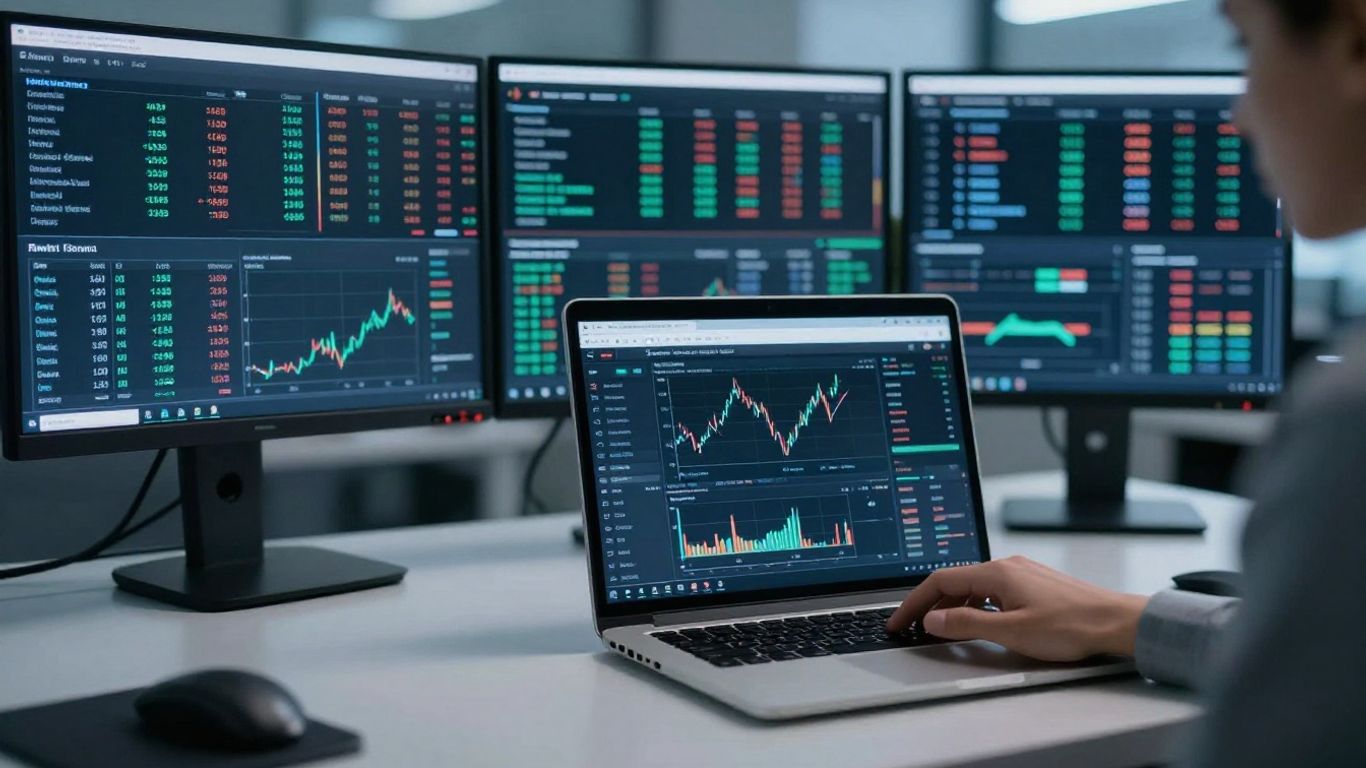
FOREX.com is a big name in the forex trading world, and for good reason. They’ve been around for a while, and being owned by StoneX Group Inc. gives them a solid backing. For traders in the US, they really focus on spot forex, sticking to the rules set by the CFTC and NFA. It’s a place that feels pretty reliable, whether you’re just starting out or you’ve been trading for years.
When it comes to platforms, FOREX.com gives you a few solid choices. There’s the Advanced Trading desktop platform, which is packed with tools if you like to dig deep into the charts and customize your setup. Then there’s the Web Trading platform, which is simpler and runs right in your browser – good if you prefer a cleaner look. Both use TradingView charting, so you’ll likely find the layouts familiar with lots of indicators and timeframes. If you’re already comfortable with MetaTrader 4 or 5, they have those available too. Plus, they’ve added performance analytics tools that can actually show you patterns in your own trading habits, not just market movements.
What really sets FOREX.com apart, though, is their education. They call it the Trading Academy, and it’s pretty well-organized. You can find written guides, videos, and courses broken down by experience level. It’s designed to help you build your skills step-by-step, and they even have quizzes to check your understanding. This structured approach makes it easier to connect what you’re learning with how the platform actually works and how to use it in real market situations. It’s a good place to start if you want a clear path to learning more about forex trading.
FOREX.com offers a strong mix of tools and educational resources, making it a good choice for traders who want a structured way to learn and improve. Their platforms are robust, and the focus on education helps traders build confidence.
Here’s a quick look at some of their features:
- Platforms: WebTrader, Mobile, MT4, MT5, TradingView integration
- Account Currencies: USD, EUR, GBP, CAD, AUD, JPY, CHF, PLN
- Spreads: Starting from 0.0 pips on some pairs
- Regulatory Oversight: CFTC and NFA regulated
They also have competitive pricing, with cashback rebates available for active traders. It’s definitely worth checking out if you’re looking for a broker that supports your learning journey alongside providing solid trading tools. You can explore their forex trading options to see if it fits your needs.
6. Optimus Futures
Optimus Futures is a solid choice if you’re into active day trading, especially in the futures market. They really seem to focus on giving traders the tools they need to succeed. You can set up your trading environment just how you like it, using different platforms they support. This flexibility is a big plus for anyone who likes to customize their setup.
They’ve also made some noticeable upgrades lately, like adding multi-bracket orders and a better futures lineup. It shows they’re paying attention to what active traders want. Plus, their day trading margins on micro futures are pretty low, starting around $50 per contract. This can give smaller accounts a decent amount of buying power.
Here’s a quick look at some key points:
- Low Day Trading Margins: Starting at $50 per contract for micro futures.
- Competitive Commissions: Fair rates for futures trading.
- Platform Choice: Access to Optimus Flow, MT5, TradingView, and more.
- Transparent Costs: A fee calculator helps you see potential trading expenses upfront.
Setting up your account and getting everything running might take a little extra effort. Key functions like risk settings and software downloads are spread out a bit, so you might need to do some digging to find everything you need. It’s not a single dashboard for all your needs.
While they have a good selection of currency pairs, it’s worth noting that the day trading markets are mainly limited to forex and crypto. Also, payment options are a bit restricted, and there aren’t many ways to get money out without fees. Customer support can also be a bit of a mixed bag; while they have a bot for live chat, getting to a human agent might be tricky when you really need one. If you’re looking for a broker that caters specifically to active futures traders, Optimus Futures is definitely worth checking out for their low per-contract costs.
7. TD Ameritrade
TD Ameritrade, now part of the Charles Schwab family, used to be a big name for US forex traders. While they’ve integrated into Schwab, the legacy platform, Thinkorswim, is still a powerhouse for those who like a lot of tools.
Thinkorswim is known for its advanced charting and analysis capabilities. It’s not just for stocks; you can trade forex on it too. It offers a ton of indicators and drawing tools, which can be great if you really like to dig into the charts. Plus, they have a paper trading (demo) account that’s pretty robust, letting you practice without risking real money.
Here’s a quick look at what it offered:
- Extensive charting tools and technical indicators
- Robust paper trading account for practice
- Integration with a larger financial ecosystem
For a long time, TD Ameritrade was a go-to for traders who wanted a platform packed with features. The transition to Schwab means some things might feel different, but the core trading experience, especially on Thinkorswim, remains a strong option for those who appreciate detailed analysis and a wide array of trading instruments.
While TD Ameritrade itself is no longer a standalone entity for new forex accounts, its platform, Thinkorswim, continues to be a significant player. If you’re looking for a platform with deep analytical capabilities and a familiar interface for many experienced traders, it’s worth checking out what Schwab offers through Thinkorswim.
8. ThinkorSwim
ThinkorSwim, a platform under the Charles Schwab umbrella, is a pretty solid choice if you’re already using Schwab for other investments like stocks or options. It’s not exactly a standalone forex broker, but it does offer forex trading within its existing framework. This means you get the benefit of a big, established financial institution backing your trades.
For those who like to tinker with their trading environment, ThinkorSwim’s charting tools are quite good. You’ve got a bunch of indicators you can play with, and you can set up your charts just the way you like them. It’s especially handy for keeping an eye on quick price movements, which is important for active traders.
Here’s a quick look at what it offers:
- Integrated Trading: Forex trading is part of a larger suite of investment tools.
- Advanced Charting: Access to numerous indicators and flexible chart layouts.
- Research and Education: Benefit from Schwab’s broader resources, though not always forex-specific.
The main draw here is convenience if you’re already a Schwab customer. You don’t have to open a separate account with a different broker just to trade forex. It’s all under one roof, which simplifies things a lot. However, it’s worth noting that forex trading on ThinkorSwim has a minimum trade size of 10,000 units, so it might not be the best fit for everyone, especially those just starting out or trading smaller amounts.
If you’re looking for a forex-focused platform with tons of specialized tools, this might not be your first pick, but for existing Schwab clients, it’s a sensible option to consider.
9. Ally Invest
Ally Invest is a solid choice for traders looking for a straightforward, reliable platform. While they might not have the sheer volume of advanced tools some other brokers boast, they make up for it with ease of use and good customer support. It’s a place where you can get your trading done without feeling overwhelmed.
Ally Invest is a trusted and tested broker available in the US. They offer a decent range of markets, including forex, stocks, ETFs, and options, making it a versatile option for those who trade more than just currency pairs. The platform itself is pretty intuitive, which is a big plus if you’re not spending all day glued to charts.
Here’s a quick look at what Ally Invest brings to the table:
- Trading Platforms: They offer both a web-based platform and a downloadable desktop version. Both are designed to be user-friendly, with clear layouts and easy access to trading functions. You won’t find a ton of complex charting tools here, but what they have works well for most.
- Account Features: Ally Invest provides commission-free trading on stocks and ETFs, which is a nice perk. For forex, they have competitive spreads, though it’s always good to compare these with other brokers.
- Customer Support: This is an area where Ally Invest generally shines. They have a reputation for being responsive and helpful, which can be a real lifesaver when you run into issues.
When you’re starting out, or even if you’re a seasoned trader who just wants a no-fuss experience, a broker like Ally Invest can be a good fit. They focus on making the trading process smooth and accessible, which is something many traders appreciate.
While Ally Invest might not be the first name that comes to mind for hardcore algorithmic traders, they are a dependable option for many. If you’re interested in a more detailed look at their services, you can check out the comprehensive Ally Invest review for 2026.
10. IG US
IG US, now operating under the tastyfx brand for US forex traders, has a long history in the financial markets, boasting over 50 years of experience. This extensive background means they’ve built a solid reputation, and importantly for US traders, they are regulated by the CFTC and NFA. This oversight provides a layer of security, including rules around client fund segregation and leverage limits, which is a big deal when you’re putting your money on the line.
The transition to tastyfx means that US clients inherit the robust infrastructure and trading environment that IG is known for globally. While the name has changed, the core trading mechanics, pricing, and platform stability remain. This continuity is good news for existing IG US clients, as the switch should be pretty smooth. For new traders, it means getting access to a well-established system.
IG US, through tastyfx, provides access to popular trading platforms like MetaTrader 4 and ProRealTime. ProRealTime, in particular, is noted for its strong charting capabilities, which can be really helpful for those who like to dig deep into technical analysis or want to automate some of their trading strategies. They also benefit from IG’s established liquidity connections, which helps in getting better prices, especially for larger trades or in fast-moving markets.
Here’s a quick look at some key aspects:
- Regulation: CFTC and NFA regulated in the US.
- Experience: Over 50 years in the financial industry.
- Platforms: Access to MetaTrader 4 and ProRealTime.
- Parent Company: Publicly traded and well-capitalized.
For traders looking for a dependable platform with strong regulatory backing and a history of solid execution, the IG US operation, now branded as tastyfx, presents a compelling choice. The combination of global experience and US-specific regulation creates a trading environment that many find trustworthy and effective for their forex activities.
Wrapping It Up
So, picking the right forex broker in the US for 2026 really comes down to what you need. We’ve looked at some solid options, all regulated and ready to go. Remember, the US has some of the strictest rules out there, which is good for keeping things safe. Whether you’re just starting out or you’ve been trading for a while, take your time. Check out what each broker offers, compare their fees, and see which platform feels right for you. Trading forex involves risk, so always trade smart and only with money you can afford to lose. Good luck out there!
Frequently Asked Questions
What makes US forex brokers different from those in other countries?
In the U.S., forex brokers have to follow strict rules set by groups like the CFTC and NFA. This means they need a lot of money in their business, report their activities carefully, and have limits on how much money traders can borrow. These rules are designed to keep your money safer and make trading fairer compared to some other countries where rules can be less strict.
Which forex broker is considered the best in the US for 2026?
For 2026, tastyfx is often highlighted as a top choice for US forex traders. It’s part of IG, a well-known company, and offers a great trading experience. It’s regulated by the CFTC and NFA, and its parent company is financially strong and licensed in many places.
Can I trade forex on my phone with US brokers?
Yes, most top US forex brokers offer mobile apps for trading on the go. tastyfx, for example, has a highly-rated mobile app with advanced features like trading signals and easy-to-use charts. Many also let you use popular trading apps like MetaTrader 4.
What is the minimum amount of money needed to start trading forex in the US?
The minimum deposit can vary between brokers. Some might let you start with a smaller amount, while others may require more. It’s a good idea to check with each broker you’re interested in to see their specific deposit requirements. Remember, you should only trade with money you can afford to lose.
What does ‘leverage’ mean in forex trading?
Leverage is like borrowing money from your broker to trade a larger amount than you have in your account. For example, with 10:1 leverage, you can control $10,000 worth of currency with just $1,000 in your account. While it can increase your potential profits, it also greatly increases your potential losses, so it’s important to use it carefully.
Are there any risks involved in forex trading?
Absolutely. Forex trading is very risky, and most people who trade forex lose money. The value of currencies can change very quickly, and using leverage can make those changes even bigger, leading to significant losses. It’s crucial to understand these risks and only trade with money you can afford to lose.