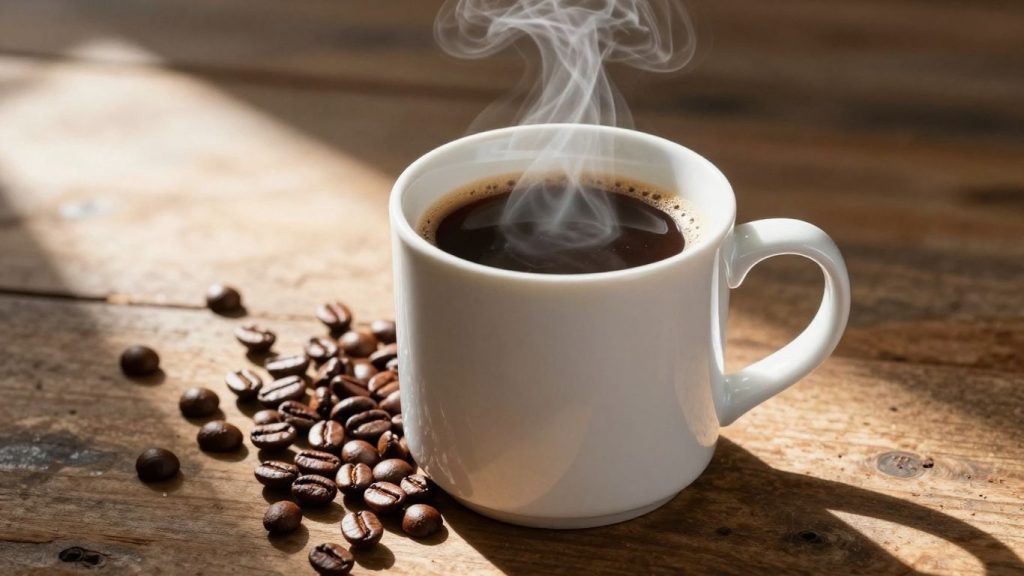
So, you want to get into trading coffee? It’s more than just brewing a cup. This guide is here to walk you through the whole process, from where the beans come from to how the market works. We’ll cover the basics and some of the more involved stuff, so you can get a better handle on trading coffee. It might seem like a lot at first, but we’ll break it down.
Key Takeaways
- Understanding the different coffee bean origins and varieties is key to appreciating their unique flavors and how they perform in the market.
- Mastering coffee roasting techniques, from understanding roast levels to small-batch methods, directly impacts the final taste and value.
- Exploring various brewing methods helps in developing a palate and understanding the nuances that influence coffee’s perceived quality.
- Learning about coffee futures, options, and market influences is vital for anyone serious about trading coffee.
- Developing your palate through tasting and cupping is essential for identifying quality and making informed trading decisions.
Understanding Coffee Bean Origins And Varieties
Exploring Global Coffee Growing Regions
Coffee plants, believe it or not, are pretty picky about where they grow. They mostly like it between the Tropics of Cancer and Capricorn, a zone often called the "Bean Belt." This area circles the globe, hitting up places in South America, Africa, Asia, and even some islands in the Pacific. Each region has its own vibe, thanks to things like altitude, soil type, and climate. For example, beans from Ethiopia, often considered coffee’s birthplace, tend to have these bright, floral, or fruity notes. Then you’ve got Colombia, known for its balanced, nutty, and chocolatey profiles, usually grown at higher altitudes. Brazil, a huge producer, often gives us coffees that are smooth and low in acidity, great for espresso blends. And don’t forget about Central America – places like Costa Rica and Guatemala often produce coffees with a nice sweetness and a clean finish.
Here’s a quick look at some major players:
- Africa: Ethiopia, Kenya, Rwanda (known for bright, fruity, floral notes)
- South America: Brazil, Colombia, Peru (often balanced, nutty, chocolatey, or caramel-like)
- Central America: Guatemala, Costa Rica, Honduras (typically clean, bright acidity, citrusy)
- Asia: Indonesia, Vietnam, India (can be earthy, bold, sometimes spicy)
The Impact of Bean Varietals on Flavor
Just like wine grapes, coffee beans come in different types, or varietals. The two big ones you’ll hear about are Arabica and Robusta. Arabica is generally seen as the fancier one, making up most of the specialty coffee market. It’s known for its complex flavors, higher acidity, and aromatic qualities – think fruity, floral, or even wine-like notes. Robusta, on the other hand, is, well, more robust. It has more caffeine, a bolder, often harsher flavor, and is commonly used in espresso blends for crema and body, or in instant coffee. But even within Arabica, there are tons of sub-varietals like Typica, Bourbon, Geisha, and Pacamara, each with its own subtle (and sometimes not-so-subtle) flavor characteristics. A Geisha bean, for instance, might blow you away with jasmine and bergamot notes, while a Bourbon might offer a sweeter, more caramel-like experience.
Sustainable Sourcing and Ethical Coffee Production
This is a big deal these days, and for good reason. Coffee farming can be tough on the environment and the people who do the work. Sustainable sourcing means looking at how coffee is grown, processed, and traded to make sure it’s good for the planet and fair to farmers. This can involve things like shade-grown coffee, which helps biodiversity, or water conservation methods during processing. Ethical production often ties into fair wages and good working conditions for farm laborers. When you see certifications like Fair Trade or Rainforest Alliance, they’re trying to signal that certain standards have been met. It’s not always a perfect system, but it’s a step towards making sure the coffee we enjoy doesn’t come at too high a cost to the people growing it or the environment.
The journey from a tiny coffee cherry on a branch to the cup in your hand is long and involves many hands. Understanding where your coffee comes from and how it was produced can really change how you appreciate it.
Mastering Coffee Roasting Techniques
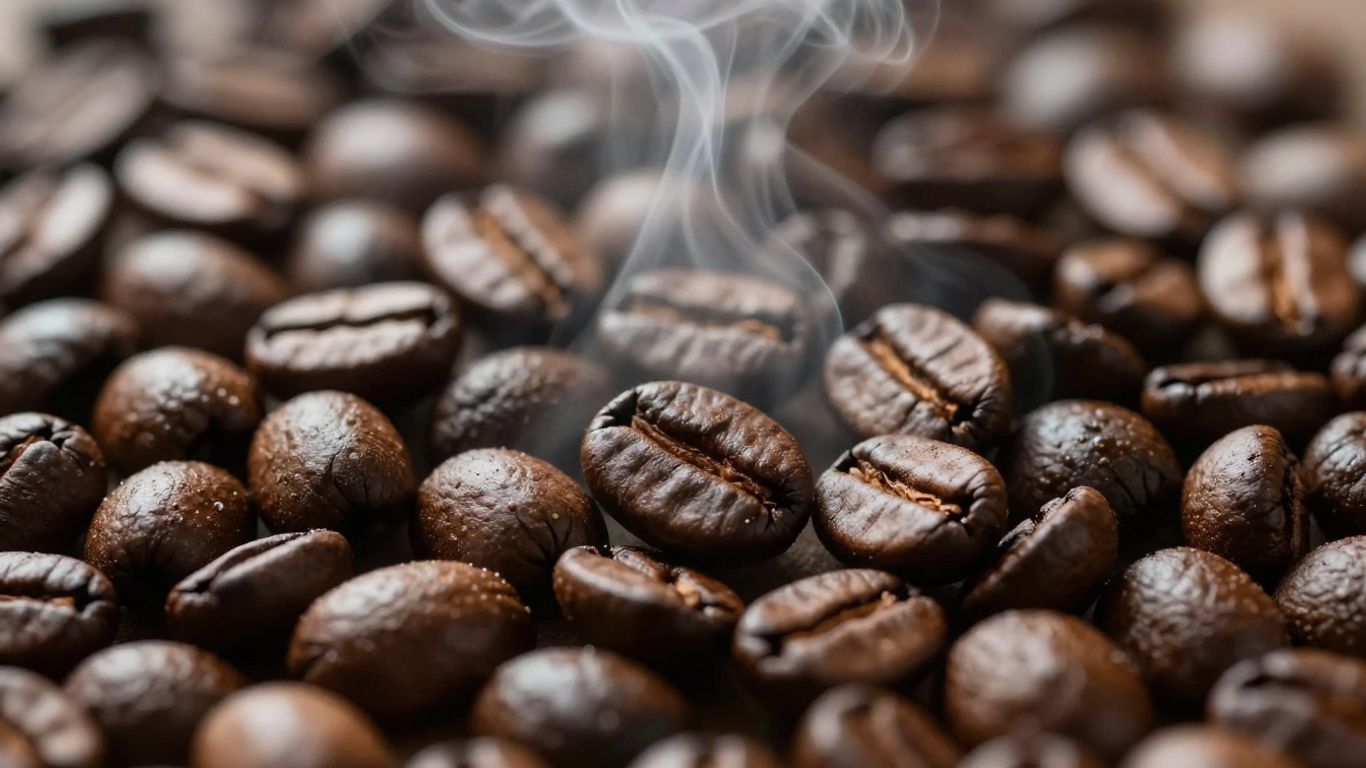
Roasting coffee is where the magic really happens, transforming those green, grassy beans into the aromatic, flavorful gems we know and love. It’s a delicate dance between heat and time, and getting it right makes all the difference in the final cup. Understanding the science and art behind roasting is key to unlocking a coffee’s full potential.
From Green Bean to Roasted Perfection
Green coffee beans, straight from the farm, are dense and have a hay-like smell. Roasting starts this incredible chemical transformation. As the beans heat up, they begin to change color, from green to yellow, then to cinnamon, and finally to the rich browns we associate with roasted coffee. This process involves several stages:
- Drying Phase: Moisture is driven out of the bean.
- Maillard Reaction: Sugars and amino acids react, creating hundreds of flavor compounds and browning the bean.
- Caramelization: Sugars further break down, adding sweetness and complexity.
- First Crack: A distinct popping sound, similar to popcorn, signals the release of internal pressure and the beginning of significant flavor development.
- Development Phase: The time between first crack and the end of the roast, where flavors deepen and body develops.
- Second Crack: A quieter, more rapid crackling sound indicates the bean is breaking down further, leading to lighter, brighter flavors in lighter roasts and more body in darker roasts. Pushing too far past second crack can lead to burnt flavors.
Understanding Roast Levels and Their Effects
The roast level dictates a lot about the coffee’s final taste. It’s not just about color; it’s about how long and how hot the beans were roasted, which impacts their chemical makeup.
| Roast Level | Color | Acidity | Body | Flavor Profile |
|---|---|---|---|---|
| Light (Cinnamon) | Light Brown | High | Light | Bright, fruity, floral, often with grassy notes |
| Medium (City) | Medium Brown | Medium | Medium | Balanced, sweet, caramel, nutty, chocolate notes |
| Medium-Dark (Full City) | Dark Brown | Low | Full | Rich, chocolatey, smoky, hints of spice |
| Dark (French) | Very Dark | Very Low | Heavy | Bold, smoky, bittersweet, often with carbon notes |
The Art of Small-Batch Roasting
Roasting in small batches allows for much greater control and precision. It means you can really dial in the roast profile for specific beans, highlighting their unique origin characteristics. Instead of just blasting beans with heat, small-batch roasters can carefully manage the temperature curve, the airflow, and the cooling process. This attention to detail is what separates good coffee from truly exceptional coffee. It’s about coaxing out the best flavors, not just cooking the bean.
Roasting is a dynamic process. The same bean can taste wildly different depending on the roast profile. It’s a constant learning curve, adjusting variables based on the bean’s density, moisture content, and origin. The goal is always to find that sweet spot where the bean’s inherent qualities shine through without being masked by the roast itself.
Brewing Methods For Optimal Coffee Flavor
So, you’ve got your beans, you’ve roasted them just right, and now it’s time for the main event: brewing. This is where all that effort really pays off, and honestly, it’s pretty amazing how different methods can totally change the taste of the same coffee. It’s not just about getting a hot drink; it’s about coaxing out all those complex flavors we talked about earlier.
Espresso Fundamentals
Espresso is like the concentrated heart of coffee. It’s made by forcing hot water, under high pressure, through finely-ground coffee beans. This process is quick, usually taking about 20-30 seconds, and it results in a small, intense shot with a rich crema on top. Getting espresso right is all about balance: the grind size, the amount of coffee, the water temperature, and the pressure all have to be just so. Mess one thing up, and you’ll end up with something too bitter or too weak.
- Grind: Needs to be very fine, almost like powdered sugar.
- Dose: The amount of coffee grounds in the portafilter.
- Tamp: How firmly you press the grounds down.
- Brew Time: The sweet spot is usually 25-30 seconds.
- Yield: The amount of liquid espresso you get out.
The magic of espresso lies in its intensity and the beautiful crema that forms. It’s the base for so many popular drinks, but it’s also fantastic on its own.
Pour-Over and Drip Coffee Techniques
These methods are all about control and clarity. With pour-over, you’re manually pouring hot water over coffee grounds in a filter. This lets you really play with the water flow, temperature, and saturation to highlight specific flavors. Drip coffee machines do a similar thing, but they automate the process. The key here is a consistent grind size (usually medium) and the right water temperature (around 200°F or 93°C).
- Pour-Over: Offers the most control, allowing for nuanced flavor extraction. Popular devices include the Hario V60, Chemex, and Kalita Wave.
- Drip Coffee: Convenient for larger batches, but quality can vary greatly depending on the machine.
Exploring Alternative Brewing Methods
Beyond the usual suspects, there’s a whole world of brewing methods that can bring out unique characteristics in your coffee. Think about the French press, which uses a metal filter to let more oils and fine sediment through, giving you a full-bodied cup. Or the AeroPress, a versatile gadget that can make something close to espresso or a cleaner filter-style coffee. Even cold brew, which uses time instead of heat, results in a smooth, low-acid concentrate that’s great for iced drinks.
- French Press: Produces a rich, full-bodied coffee due to the metal filter.
- AeroPress: Highly adaptable, capable of brewing in multiple styles.
- Cold Brew: Steeped for long hours at room temperature, yielding a smooth, less acidic concentrate.
The Economics Of Coffee Trading
Coffee Futures and Options Explained
Trading coffee isn’t just about the beans themselves; it’s also about the contracts that represent them. Coffee futures are agreements to buy or sell a specific amount of coffee at a predetermined price on a future date. Think of it like placing a bet on what the price of coffee will be months from now. Options give you the right, but not the obligation, to buy or sell a futures contract at a specific price. These tools are used by everyone from big coffee producers looking to lock in prices for their harvest to traders trying to profit from price swings.
Understanding these financial instruments is key to participating in the broader coffee market. They allow for price discovery and risk management on a global scale.
Market Influences on Coffee Prices
So, what makes coffee prices go up or down? It’s a mix of things, really. Weather is a huge factor – a drought in Brazil or frost in Vietnam can seriously mess with supply. Political stability in major growing regions also plays a part; unrest can disrupt harvests and exports. Then there’s the global economy – when people have more money, they tend to drink more coffee, and vice versa. Consumer trends matter too; think about the rise of specialty coffee shops. Even currency exchange rates can shift prices, especially since coffee is traded in U.S. dollars.
Here’s a quick look at some common influences:
- Supply Shocks: Major weather events (droughts, floods, frost) in key producing countries like Brazil, Vietnam, Colombia, and Indonesia.
- Demand Fluctuations: Changes in global economic conditions, consumer preferences, and the growth of coffee consumption in emerging markets.
- Geopolitical Events: Political instability, trade disputes, or changes in government policies in coffee-producing nations.
- Currency Exchange Rates: Fluctuations in the value of currencies of major coffee exporters against the U.S. dollar.
- Input Costs: Changes in the cost of fertilizers, labor, and transportation affecting production expenses.
Risk Management Strategies for Traders
Trading coffee, like any market, comes with risks. You can’t just jump in without a plan. One common strategy is hedging. This is where producers or large buyers use futures contracts to protect themselves against unfavorable price movements. For example, a coffee roaster might buy futures contracts to lock in the price they’ll pay for beans later in the year, even if the market price goes up. Another approach is diversification – not putting all your trading capital into just coffee, but spreading it across different commodities or assets. Setting stop-loss orders is also pretty standard; this is an order to sell a commodity if it drops to a certain price, limiting your potential losses. It’s all about having a strategy to handle the ups and downs.
The coffee market is a complex ecosystem where agricultural realities meet financial markets. Understanding the interplay between crop yields, global demand, and speculative trading is vital for anyone looking to make informed decisions, whether they’re buying a bag of beans or trading futures contracts.
Developing Your Coffee Palate
Sensory Skills for Coffee Tasting
Alright, so you’ve got your beans, you’ve roasted them (or bought them roasted), and you’ve brewed up a cup. Now what? It’s time to actually taste the coffee. This isn’t just about whether you like it or not; it’s about understanding why you like it, or why you don’t. Developing your palate is like learning a new language, but instead of words, you’re using flavors and aromas. It takes practice, but it’s totally doable.
Start by paying attention to the basics. What do you smell when you first get close to the coffee? Is it floral, fruity, nutty, or maybe something like chocolate or caramel? Then, take a sip. Don’t just gulp it down. Let it sit in your mouth for a moment. Notice the texture, or ‘mouthfeel’ as some folks call it. Is it thin and watery, or thick and syrupy? Then, think about the taste. Is it sweet, sour, bitter, or salty? Most coffees will have a mix, but one or two might stand out.
The goal is to move beyond just ‘good’ or ‘bad’ and start identifying specific characteristics.
Here are a few things to focus on:
- Aroma: What scents do you detect? Try to be specific. Instead of just ‘fruity,’ is it more like berries, citrus, or stone fruit?
- Flavor: What tastes are present? Think about sweetness, acidity (that bright, tangy sensation), bitterness, and even saltiness.
- Mouthfeel: How does the coffee feel in your mouth? Is it light, heavy, smooth, rough, or creamy?
- Aftertaste: What flavors linger after you swallow? Is it pleasant and long-lasting, or does it disappear quickly?
Identifying Flavor Notes and Aromas
This is where things get really interesting, and maybe a little tricky at first. You’ll hear people talk about coffee tasting like blueberries, or jasmine, or even dark chocolate. How do they do that? Well, it’s all about connecting what you’re experiencing to a known reference point. The Specialty Coffee Association’s Flavor Wheel is a super helpful tool for this. It breaks down flavors into categories, starting broad and then getting more specific.
For example, you might smell something fruity. The wheel can help you narrow that down. Is it a berry? If so, which one? Raspberry? Blueberry? Strawberry? Or is it more of a citrus note, like lemon or orange? It’s not about guessing randomly; it’s about training your brain to recognize these subtle differences. The more you practice, the more connections you’ll make.
Don’t get discouraged if you can’t pinpoint a specific flavor right away. It’s a skill that develops over time. Just keep tasting, keep thinking about what you’re experiencing, and keep referring to resources like the flavor wheel. You might be surprised at what you start to notice.
Cupping Protocols and Evaluation
So, how do the pros do it? They often use a method called ‘cupping.’ It’s a standardized way to taste coffee, designed to get the most accurate and consistent results. While you might not need to do a full formal cupping at home every time, understanding the basic steps can really help you evaluate your coffee more effectively.
Here’s a simplified look at how it generally works:
- Grind the coffee: Freshly ground coffee is key. The aroma released during grinding is the first clue.
- Add hot water: Water is poured over the grounds, and you’ll notice the ‘crust’ that forms on top as the coffee blooms.
- Break the crust: After a few minutes, the crust is gently broken with a spoon, releasing a burst of aroma.
- Skim the grounds: Any foam or grounds floating on top are skimmed off.
- Slurp: This is the fun part! You slurp the coffee from the spoon, drawing air into your mouth. This helps to aerate the coffee and spread it across your palate, allowing you to taste all the nuances.
Evaluating coffee involves a systematic approach to identify its key attributes. This includes assessing its aroma, flavor profile, acidity, body, and finish. By focusing on these elements, one can gain a deeper appreciation for the coffee’s origin, processing, and roasting.
By practicing these steps, even informally, you’ll start to notice more about the coffee you’re drinking. It’s all about slowing down and giving your senses a chance to do their work. Happy tasting!
Navigating The Global Coffee Market
So, you’re interested in the coffee trade, huh? It’s a massive business, way bigger than most people realize. The whole global coffee market was worth about $176.55 billion back in 2025, and it’s only expected to get bigger. We’re talking projections of reaching $238.99 billion by 2031. It’s a complex web of producers, roasters, traders, and consumers, all connected by this little bean.
Key Players in Coffee Trading
When you look at who’s actually moving coffee around the world, it’s a mix of big companies and smaller, specialized outfits. You’ve got the major trading houses that handle huge volumes, often dealing directly with cooperatives or large estates in producing countries. Then there are the specialty importers who focus on specific origins or quality levels, working closely with roasters who want unique profiles. Don’t forget the brokers, who act as intermediaries, connecting buyers and sellers. It’s a whole ecosystem.
Understanding Supply and Demand Dynamics
Like any market, coffee prices swing based on how much is available and how much people want it. Weather is a huge factor – a drought or frost in Brazil can send prices soaring. Political stability in producing countries also plays a role. On the demand side, trends in coffee consumption, like the rise of specialty coffee shops or new brewing methods, can shift things too. Keeping an eye on these forces is key to understanding price movements.
The Role of Coffee Exchanges
These are the big marketplaces where coffee is bought and sold, often through futures contracts. Think of places like the Intercontinental Exchange (ICE) in New York, which lists Arabica futures, or Euronext.Liffe in London for Robusta. These exchanges provide a way to price coffee and manage risk. They’re where a lot of the big financial players make their moves, but they also reflect the real-world conditions on the ground for farmers and roasters. You can find more about the market’s value and growth trends at global coffee market.
The journey from a coffee cherry on a tree to a cup in your hand involves countless hands and decisions. Understanding the market means appreciating the scale and the interconnectedness of it all, from the farmer’s harvest to the final sale.
Wrapping Up Your Coffee Trading Journey
So, we’ve covered a lot of ground, from understanding the beans to figuring out the market. It’s not always going to be easy, and sometimes you’ll feel like you’re just guessing. But remember all the tips and tricks we talked about. Keep learning, keep tasting, and don’t be afraid to try new things. The coffee world is huge, and there’s always something new to discover. Whether you’re brewing at home or thinking about the bigger picture, the journey itself is pretty rewarding. Just keep at it, and you’ll find your own rhythm in the world of coffee.
Frequently Asked Questions
Where do coffee beans come from, and why do they taste different?
Coffee beans grow in many parts of the world, mostly near the equator. Different places have different weather and soil, which makes the beans taste unique. Think of it like apples – some are sweet, some are tart, depending on where they grow. The type of coffee plant, called a varietal, also changes the flavor a lot.
What’s the deal with roasting coffee?
Roasting is like cooking coffee beans. It changes them from green and grassy to the brown beans we know. Lighter roasts keep more of the bean’s original flavor, while darker roasts taste more like the roast itself, sometimes a bit smoky or bitter. Roasting is a careful process to bring out the best taste.
How do I make the best cup of coffee at home?
There are many ways! Espresso machines make strong, concentrated coffee. Pour-over methods let you control the water flow for a clean taste. Drip coffee makers are easy for everyday use. Trying different methods like French press or Aeropress can show you how different techniques change the flavor.
How does coffee trading work?
People buy and sell coffee beans like they buy and sell stocks. They use something called futures and options to guess the price of coffee in the future. Prices can change a lot because of weather, how much coffee is grown, and what people want to buy. Traders try to make money by guessing these changes right.
How can I learn to taste coffee better?
It’s like learning to taste wine! You need to pay attention to the smells and tastes. Is it fruity, nutty, or chocolatey? Does it have a bitter or sweet aftertaste? Tasting coffee with others and using a special method called ‘cupping’ helps you learn to identify all the different flavors and smells.
Who are the big players in the coffee market?
There are farmers who grow the beans, companies that buy and roast them, and big exchanges where coffee is traded. The amount of coffee grown (supply) and how much people want to buy (demand) greatly affect the price. Big events around the world can also change how much coffee is available or how much people can afford.