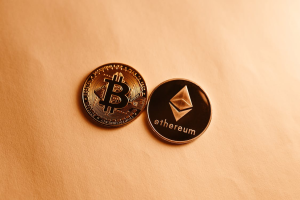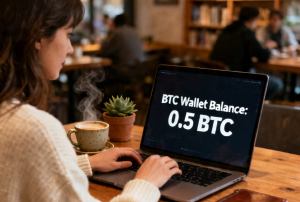
Digital coins are changing how people think about money and shopping. Many shops accept these assets for daily items or big purchases. This shift represents a new way to handle finance without traditional bank accounts.
You should ask if it is the right choice for your wallet right now. Understanding the balance between convenience and safety helps you decide if digital cash fits your life. Everyone has a different comfort level with new technology.
The Basics Of Digital Asset Payments
Using digital coins is becoming a common way to settle bills online or in person. You simply send funds from your digital wallet to the seller. This process skips the middleman and speeds up the transaction time.
Many businesses prefer this method to avoid high credit card fees. When you work with services such as Southwest Recovery in Columbus for debt needs, you see how local firms value modern financial tools. These professional services help keep your business cash flow healthy and moving forward.
The tech behind these payments is fast and works 24 hours a day. It removes the need for banks to check every single transaction you make. This system is efficient – and you stay in control of your money at all times.
Rapid Growth In Ownership And Adoption
More people are joining the digital economy every day. A report from Demand Sage found that 559 million people own digital coins in 2026. This number grows as more people look for alternatives to traditional banking.
This means about 9.9% of the global population is now part of this ecosystem. Retailers are noticing this trend and adding new payment options to stay competitive. They want to reach customers who prefer decentralized finance.
Having a large user base makes the system more stable for everyone. It shows that digital assets are moving from a niche hobby to a main tool. The network effect helps lower costs for everyone involved.
Stablecoins And Daily Spending
Volatility is a big concern for many people when they look at digital coins. Stablecoins aim to solve this by tying their value to the US dollar or other assets. This makes them much better for buying regular goods.
McKinsey recently shared that stablecoin payment volume reached $390 billion in 2025. This volume has more than doubled from the previous year. It shows that people are using these assets for real commerce.
This growth is impressive since the supply of these coins hit $273 billion in early 2026, according to BVP. Having a larger supply means more liquidity for shoppers and owners. It helps the market function without sudden price spikes.
Current Use Cases For Digital Assets
Most people still use digital coins for things other than buying coffee. The World Economic Forum noted that 92% of stablecoin value in 2024 was linked to trading. The market is still finding its footing in the real world.
There are several ways that people use these funds today:
- Buying digital art and collectibles.
- Sending money to family in other countries.
- Paying for web hosting or tech services.
As more people use these for trading, the infrastructure for regular payments improves. Businesses are learning how to handle these assets without fear of sudden price drops. The future looks bright for wider acceptance.
Managing Risks And Market Volatility
Prices for some digital assets can go up or down very fast in one day. This risk makes some shoppers nervous about using their holdings for payments. You do not want your $50 dinner to cost $100 the next morning.
Services like Swapin help businesses by automatically converting coins into regular cash. This tool protects the seller from price swings during the transaction. It makes accepting digital assets much safer for small shops.
Research and Markets expects the bitcoin payment market to reach $1.79 billion in 2026. This growth suggests that risk management tools are working well for most users. People feel more confident when they have these safety nets.
Irreversibility And Legal Realities
One big difference between digital coins and credit cards is that you cannot undo a payment easily. Once the money is sent, it is gone unless the seller sends it back. There is no central bank to call for help.
ResearchGate highlighted that this irreversibility makes it hard to fix errors or deal with bad contracts. This legal risk is something every international trader must consider. You are your own bank in this world.
This lack of a chargeback system means you need to trust the person you are paying. Always double-check the wallet address before you click the send button on your phone. One small typo can result in losing all your funds.
Paying with digital coins offers a fast and modern way to handle your money. It cuts out the middleman and works across borders without any delays. The tech keeps getting better every year.
You must weigh these benefits against the risks of scams and price changes. Staying informed helps you use these tools safely in the modern world. Take your time to learn before you spend.

A dad of 3 kids and a keen writer covering a range of topics such as Internet marketing, SEO and more! When not writing, he’s found behind a drum kit.