Thinking about getting into the financial markets? It’s easy to get confused between who does what. You hear terms like ‘broker’ and ‘trader’ thrown around, and they sound similar, but they’re actually quite different. Understanding this difference, the whole broker vs trader thing, is pretty important for figuring out your own path with money. This article breaks down what each one does, how they fit together, and what you need to know to start your own financial journey.
Key Takeaways
- A broker acts as an intermediary, connecting traders to financial markets, while a trader actively buys and sells assets to make a profit.
- Traders use brokers to gain access to exchanges and execute their trades; brokers don’t typically trade for themselves in the same way.
- Different trading styles exist, like day trading (short-term) and swing trading (medium-term), each with its own approach and risk level.
- Tools such as charting software and news feeds are important for traders to analyze markets, but choosing the right brokerage platform is also key.
- Managing risk is vital for traders to protect their capital, and developing a clear trading plan with defined goals and strategies is crucial for success.
Understanding The Broker vs Trader Distinction
When you first start thinking about trading or investing, you’ll hear two terms a lot: broker and trader. They sound similar, and they’re both involved in the financial markets, but they do very different jobs. It’s like the difference between a real estate agent and someone who buys and sells houses for a living. One facilitates the transaction, and the other is actively participating in the market with their own money and strategy.
Defining The Role Of A Broker
A broker is essentially a middleman. They are licensed professionals or firms that act as an intermediary between you (the client) and the financial markets. Think of them as the gatekeepers. You can’t just walk onto the stock exchange floor and buy shares yourself. You need someone who has the access and the license to place those orders for you. Brokers provide the platform and the tools that allow individuals to buy and sell various financial instruments like stocks, bonds, options, and currencies. They make money through commissions on trades, fees, or by profiting from the bid-ask spread.
Defining The Role Of A Trader
A trader, on the other hand, is an individual or entity that actively buys and sells financial instruments with the aim of making a profit from short-term price movements. Traders use their own capital, or sometimes manage funds for others, to speculate on market fluctuations. They are the ones making the decisions about what to buy, when to buy it, when to sell it, and when to sell it. Their success depends on their ability to predict market direction, manage risk, and execute trades effectively. Traders can range from individuals trading from their homes to large teams working at financial institutions.
Key Differences In Responsibilities
The core difference lies in their primary function and risk exposure. Brokers facilitate transactions and provide market access, while traders actively participate in the market, taking on risk for potential profit. Here’s a quick breakdown:
- Broker Responsibilities:
- Providing a trading platform and execution services.
- Holding client funds and securities.
- Offering research and analytical tools.
- Ensuring regulatory compliance.
- Trader Responsibilities:
- Developing and executing trading strategies.
- Analyzing market data and news.
- Managing personal or managed capital.
- Implementing risk management techniques.
The financial world can seem complex, but understanding these basic roles is the first step. A broker gives you the keys to the car, but it’s the trader who actually drives it, deciding where to go and how fast.
Essentially, you need a broker to trade, but being a broker doesn’t make you a trader, and vice versa. They are distinct but interconnected parts of the financial ecosystem.
Navigating The Financial Markets
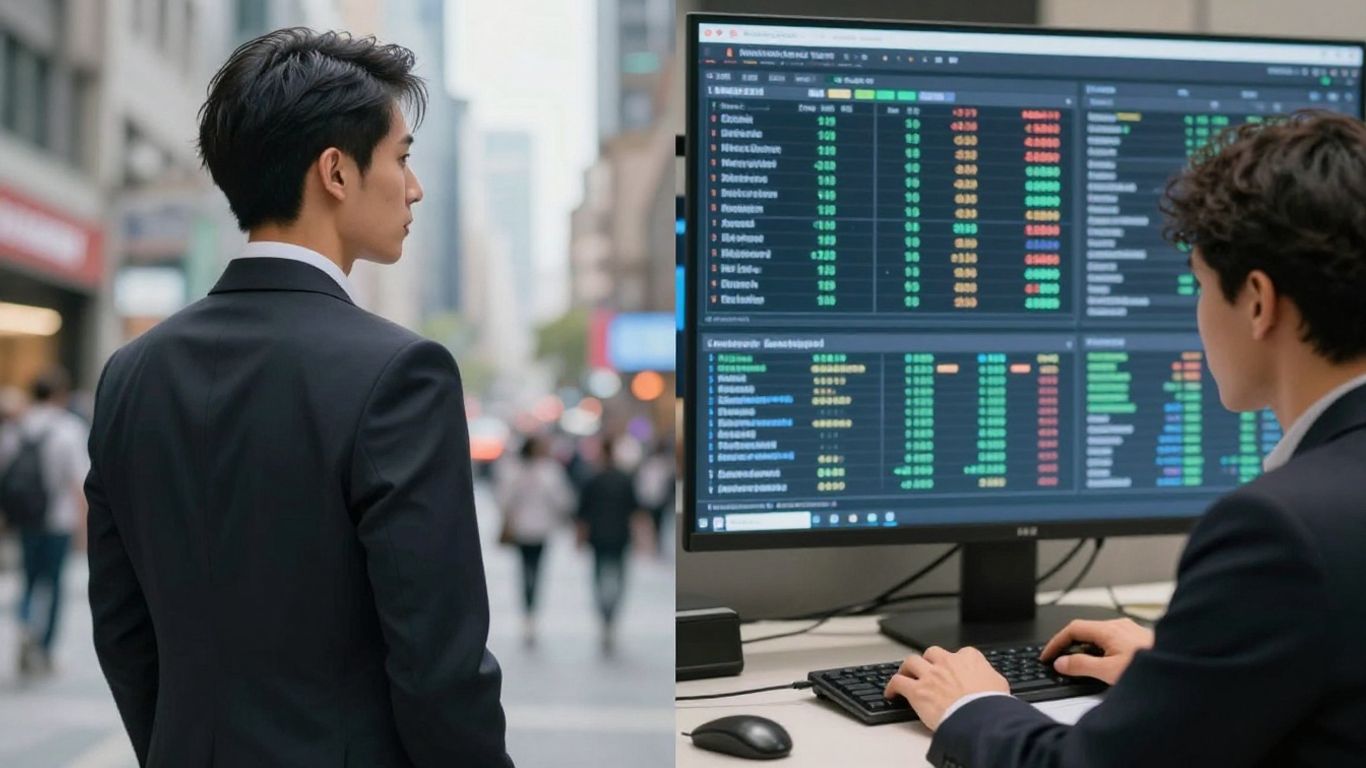
So, you’ve got a handle on what brokers and traders do. Now, let’s talk about how you actually get into the market and start doing things. It’s not like walking into a store; it’s a bit more involved, but totally doable once you know the steps.
Accessing Markets Through A Broker
Think of a broker as your personal key to the financial world. You can’t just walk up to the New York Stock Exchange and buy a share of Apple. You need an intermediary, and that’s where your broker comes in. They’re the licensed professionals or firms that handle your buy and sell orders. When you open an account with a brokerage firm, you’re essentially setting up a direct line to various markets like stocks, bonds, or even cryptocurrencies. They provide the infrastructure and the regulatory compliance needed to make these transactions happen legally and smoothly. Choosing the right broker is a big deal, too. You’ll want one that fits your needs, whether that’s low fees, a user-friendly app, or specific research tools. Many people find that a good broker makes the whole process feel much less intimidating.
Executing Trades As A Trader
Once you’ve got your broker set up, it’s your turn to act. As a trader, you’re the one making the decisions about what to buy, when to buy it, and when to sell. This involves a lot of research, analysis, and, let’s be honest, gut feeling sometimes. You’ll be looking at charts, reading news, and trying to predict where prices might go. The actual act of trading means placing an order through your broker’s platform. This could be a market order (buy/sell immediately at the best available price) or a limit order (buy/sell only at a specific price or better). It’s a dynamic process, and what works for one trader might not work for another. Different styles exist, like day trading, where you close all positions before the market closes, or swing trading, holding positions for a few days or weeks. It’s all about finding a rhythm that suits your personality and your schedule.
The Broker’s Role In Trade Execution
While you, the trader, decide what and when to trade, your broker is the one who makes it happen. They take your order and send it to the appropriate exchange or market maker. For example, if you want to buy 100 shares of XYZ company, you tell your broker. Your broker’s system then finds a seller for those shares and completes the transaction. They handle the technical side of getting your order filled. This includes:
- Order Routing: Sending your order to the right place for execution.
- Clearing and Settlement: Making sure the money and the securities change hands properly after the trade.
- Record Keeping: Maintaining accurate records of all your transactions.
It’s a behind-the-scenes job, but it’s absolutely vital. Without brokers, executing trades would be incredibly difficult, if not impossible, for individual investors. They are the plumbing of the financial markets, making sure everything flows correctly. You can find more information on how to select the right broker for your needs by looking into brokerage account options.
The relationship between a trader and their broker is built on trust and efficiency. The trader relies on the broker for access and execution, while the broker provides the necessary tools and services to facilitate trading activities. It’s a partnership where clear communication and understanding of each other’s roles are key to a successful trading experience.
Essential Trading Strategies And Styles
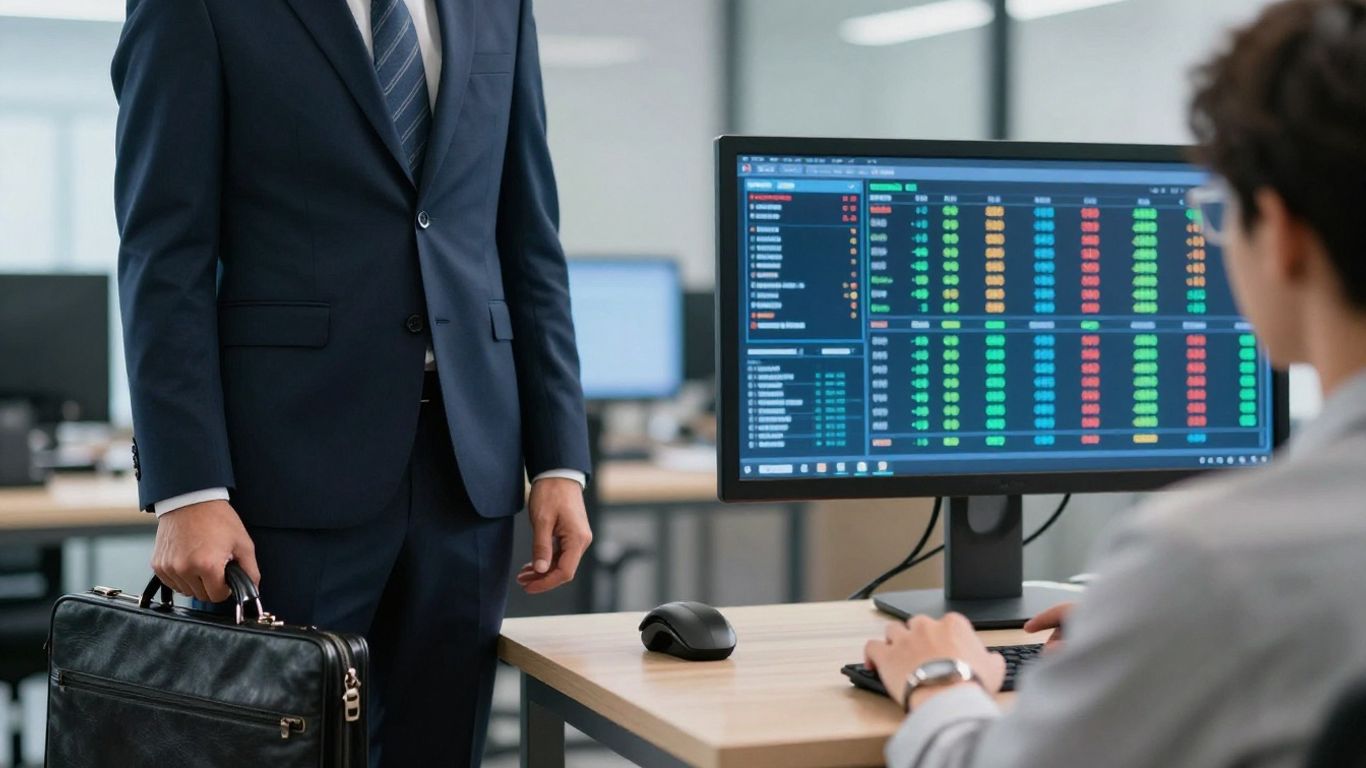
So, you’re looking to get into trading, huh? It’s not just about picking stocks randomly and hoping for the best. There are actual methods, ways people approach the market to try and make money. Think of it like learning different ways to cook – you wouldn’t just throw ingredients in a pot and expect a gourmet meal. You need recipes, techniques. Trading is similar.
Exploring Day Trading And Scalping
Day trading is pretty much what it sounds like: you buy and sell assets within the same trading day. The goal is to catch small price moves. It’s fast-paced, requires a lot of focus, and you can’t be afraid to make quick decisions. Scalping is an even shorter version of this, where traders try to grab tiny profits from many trades throughout the day. It’s like picking up pennies off the sidewalk, but you have to do it a lot.
- Day Trading: Positions opened and closed within the same day.
- Scalping: Extremely short-term trades, aiming for very small profits.
- Requires constant attention and quick reactions.
Understanding Swing Trading And Positional Trading
Swing trading is a bit more relaxed than day trading. Here, you hold positions for a few days, or maybe a couple of weeks. The idea is to capture a bigger chunk of a price move, a ‘swing’. You’re not glued to the screen all day, but you still need to keep an eye on things. Positional trading is even longer-term, holding for weeks, months, or even years. These traders are often looking at bigger economic trends or the long-term health of a company. It’s less about daily noise and more about the big picture.
| Strategy | Holding Period | Focus |
|---|---|---|
| Day Trading | Minutes to Hours | Small, frequent price movements |
| Swing Trading | Days to Weeks | Medium-term price trends |
| Positional Trading | Weeks to Years | Long-term market or company trends |
Differentiating Between Trading And Investing
This is a big one. Trading and investing are often mixed up, but they’re different beasts. Trading is generally short-term, focused on profiting from price fluctuations. You might buy a stock today and sell it next week. Investing, on the other hand, is typically long-term. You buy an asset, like a stock or a bond, with the expectation that it will grow in value over a long period, often years. Investors are usually looking for companies with solid fundamentals that they believe will increase in worth over time, and they’re less concerned with short-term market ups and downs. It’s like the difference between a sprint and a marathon.
When you’re deciding on a strategy, think about how much time you can realistically commit. Day trading needs a lot of your attention, while investing might just need a check-in now and then. Your personality and how you handle stress also play a role. Some people thrive on the fast action, others prefer a slower, more steady approach.
Tools And Resources For Financial Success
Alright, let’s talk about the gear you’ll need to get around in the financial markets. Think of these as your trusty sidekicks. Without the right tools, you’re basically trying to build a house with just your bare hands – tough and slow going.
Leveraging Charting Software And News
Charting software is your window into what the market’s doing. It shows you price movements over time, letting you spot patterns that might signal a good time to buy or sell. Tools like TradingView or MetaTrader 4 give you all sorts of charts and indicators. You can see trends, momentum, and all sorts of other data points. It’s like having a weather map for the financial world.
And you can’t forget the news. Staying updated on what’s happening globally is super important. Big news events can shake up markets fast. Following reliable sources like Reuters, Bloomberg, or even just good financial news sites keeps you in the loop. You’ll want to keep an eye on economic calendars too – things like interest rate changes or job reports can really move prices.
Utilizing Brokerage Platforms Effectively
Your brokerage platform is where the actual buying and selling happens. It’s your direct line to the market. Different brokers have different platforms, and some are way easier to use than others. Look for one that feels comfortable for you, with clear order entry and good account management. Some popular ones include Thinkorswim or Interactive Brokers.
Here’s a quick look at what to consider:
- Ease of Use: Can you figure out how to place trades without a manual?
- Charting Tools: Does it have the charts and indicators you need?
- Research: Does it offer market analysis or news feeds?
- Fees: How much does it cost to trade?
The right platform can make a big difference in how smoothly you can operate.
The Importance Of Educational Resources
Nobody starts out knowing everything. That’s where education comes in. There are tons of resources out there to help you learn. Many brokers offer their own educational materials, like articles, webinars, and tutorials. Online courses and financial websites are also great places to pick up knowledge.
Learning isn’t a one-time thing in trading. Markets change, and new strategies pop up. You’ve got to keep learning and adapting. Think of it like learning a new skill – the more you practice and study, the better you get. Don’t be afraid to try different learning methods to see what clicks for you.
Remember, these tools and resources are there to help you make smarter decisions. They won’t guarantee profits, but they’ll certainly give you a better shot at success if you use them wisely alongside a solid plan.
Managing Risk In Your Financial Journey
Trading can feel exciting, like you’re on the edge of something big, but let’s be real – it also comes with its own set of worries. The biggest one? Losing money. It’s totally normal to feel a bit anxious about that. Protecting your hard-earned cash needs to be your number one priority, no matter how good your trading ideas seem. You’ll have losing trades, that’s just part of the game. Risk management is all about making those losses as small as possible and making sure you can keep trading another day.
The Inherent Risks Of Trading
Markets move. Prices go up, prices go down. Sometimes they do it really fast. This constant movement is where the risk comes from. You might buy something thinking it will go up, but then it drops. Or you might sell something expecting it to fall, and it shoots up instead. There are different kinds of risks, too. There’s the risk that a company you invested in has bad news, or that a whole industry suddenly faces problems. Then there’s the general market risk, where everything might dip because of big economic events.
It’s easy to get caught up in the potential for big wins, but it’s way more important to focus on not losing big. Think of it like driving a car; you want to get to your destination, but you also need to wear your seatbelt and follow the rules of the road to avoid accidents.
Strategies For Protecting Your Capital
So, how do you actually protect your money? It starts with a few key ideas:
- Know Your Limits: Before you even place a trade, figure out how much you’re okay with losing on that specific trade. This helps you set limits.
- Use Stop-Loss Orders: These are like automatic sell buttons. If the price of your investment drops to a certain point, the order kicks in and sells it, stopping further losses. You need to place these smartly, not just randomly.
- Don’t Bet It All: Never put all your money into one single trade. A good rule of thumb is to risk only a small slice, like 1% or 2%, of your total trading money on any one trade. This way, one bad trade won’t wipe you out.
- Spread Things Out: Don’t put all your eggs in one basket. Invest in different types of assets, different industries, and even different trading styles. This helps balance things out.
Developing A Robust Risk Management Plan
Creating a plan for managing risk isn’t just a suggestion; it’s a necessity. It’s your blueprint for staying safe in the market. Here’s how to build one:
- Define Your Goals: What are you trying to achieve with trading? Be clear about this. It gives you direction.
- Pick Your Style and Tactics: Decide if you’re a day trader, a swing trader, or something else. Then, write down the exact rules for when you’ll buy, when you’ll sell, and how much you’ll risk.
- Set Your Risk Rules: This is where you detail your risk tolerance, how you’ll use stop-loss orders, and how you’ll decide how much money to put into each trade. This is a really important part of your overall trading plan.
- Test and Tweak: Before you use real money, try out your plan on a practice account. See how it works and make changes. This helps you get comfortable and find out what needs improvement. You can find good brokers that offer these practice accounts, like Fidelity.
Remember, managing risk isn’t a one-time thing. It’s something you do all the time. Keep an eye on your plan, adjust it when the market changes, and always, always stick to your rules. This discipline is what helps you survive and hopefully thrive over the long haul.
Building Your Trading Plan
Alright, so you’ve got a handle on what brokers and traders do, and maybe you’ve even started looking at different ways to trade. But before you jump in with real money, you absolutely need a plan. Think of it like a roadmap for your trading journey. Without one, you’re just kind of wandering around, hoping for the best, and that’s usually not a recipe for success.
Setting Clear Financial Goals
First things first, what are you actually trying to achieve with trading? Don’t just say "make money." Get specific. Are you looking to add a little extra cash to your savings each month? Or is this a bigger ambition, like eventually replacing your current income? Having clear, measurable goals gives your trading a purpose. It helps you decide how much time and effort to put in, and it gives you something to aim for.
Here are a few examples:
- Generate an extra $500 per month within the next year.
- Grow a trading account by 15% annually.
- Transition to full-time trading within five years.
Choosing Your Trading Style and Strategies
This is where you figure out how you’re going to try and reach those goals. Remember those different trading styles we talked about? Day trading, swing trading, positional trading? You need to pick one that fits your personality, your schedule, and your risk tolerance. Once you’ve settled on a style, you then need to define the specific strategies you’ll use within that style. This means writing down the exact rules for when you’ll enter a trade and, just as importantly, when you’ll exit it. No guessing allowed here.
Testing and Refining Your Approach
So, you’ve got your goals and your strategies written down. Great! But don’t just start trading with your hard-earned cash yet. You need to test your plan. The best way to do this is by using a demo account. This lets you practice with virtual money, so you can see how your plan holds up in real market conditions without any risk. You can also "backtest" your strategies, which means looking at historical data to see how they would have performed in the past. This is your chance to tweak things, fix what’s not working, and build confidence in your approach before you put real money on the line.
A trading plan isn’t just a document you write and forget. It’s a living guide that you need to follow consistently. Sticking to your plan, especially when emotions like fear or greed start to creep in, is what separates successful traders from those who struggle. Discipline is your best friend here.
Your trading plan should cover:
- Entry and Exit Rules: Exactly when you’ll buy and sell.
- Risk Management: How much you’re willing to lose on any single trade and overall.
- Position Sizing: How much capital to allocate to each trade.
- Trading Schedule: When you’ll be actively trading.
- Review Process: How often you’ll check your performance and adjust the plan.
Wrapping It Up
So, we’ve looked at brokers and traders, and they’re really different jobs. One helps you get into the market, and the other is actively playing in it. Deciding whether you want to be more like a broker or a trader in your own financial life means thinking about what you want to do. Do you want to just set things up and let them grow over time, like investing? Or are you looking for more action, trying to make quicker moves, like trading? It really comes down to your own goals, how much risk you’re okay with, and how much time and effort you can put in. Take a good look at your situation, your money, and what you know, and then pick the path that feels right for you. It’s not a one-size-fits-all thing, so figure out what works best for your journey.
Frequently Asked Questions
What’s the main difference between a broker and a trader?
Think of a broker as the person who helps you buy and sell things in the market, like a helpful shop assistant. A trader is the person who actually decides what to buy and sell, like the customer choosing items.
How do I start trading if I’m new?
First, learn the basics! Understand what trading is and how the market works. Then, find a good broker to open an account with. Start small and maybe practice with fake money first to get the hang of it.
Is trading the same as investing?
Not quite! Investing is usually for the long run, like planting a tree and waiting for it to grow. Trading is more about short-term actions, like buying and selling things quickly to make a profit, kind of like flipping houses.
What are some common ways people trade?
There are different styles! Some people trade within a single day (day trading), others hold for a few days or weeks (swing trading), and some hold for months (positional trading). Each has its own way of trying to make money.
Why is managing risk important in trading?
Trading can be risky, and you can lose money. Managing risk means having a plan to protect your money, like not putting all your eggs in one basket and knowing when to stop trading to avoid bigger losses.
What tools do traders use?
Traders use special computer programs called charting software to look at price history and predict future movements. They also keep up with news and use their broker’s online platform to make trades.