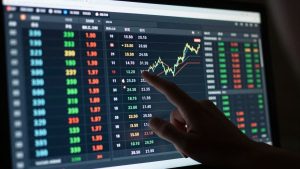
Thinking about investing in the stock market in 2026? It can seem complicated, right? You might be wondering how to even get started or how to make sure you’re doing it right. That’s where a stock market broker comes in. They’re like your guide in the world of stocks. This article will walk you through what a broker does, how to pick one, and how to work with them to reach your money goals. We’ll also touch on how technology and rules affect things.
Key Takeaways
- A broker of stock market helps you buy and sell stocks, acting as a link between you and the stock exchange.
- In 2026, brokers offer more than just trades; they provide research, tools, and advice to help you invest smarter.
- Choosing the right broker means looking at your own money goals, how much risk you’re okay with, and what the broker charges.
- Technology is changing how you invest, with apps making trading easy and AI offering new insights, but security is also more important than ever.
- Building a good relationship with your broker involves clear talk, understanding what they can and can’t do, and working together for your financial future.
Understanding The Role Of A Stock Market Broker

Defining The Modern Brokerage Landscape
So, what exactly does a stock market broker do in 2026? Gone are the days when a broker was just a person you called to buy or sell shares. Today’s brokerage landscape is a lot more complex, blending technology with personalized service. Think of them as your guide through the often-confusing world of investing. They’re the folks who connect you to the stock exchanges, making it possible for you to actually buy and sell those stocks, bonds, and other financial products. The core function remains facilitating transactions, but the ‘how’ has changed dramatically.
Key Responsibilities Of A Broker Of Stock Market
Brokers have a few main jobs. First, they execute trades on your behalf. You tell them what you want to buy or sell, and they make it happen. They also provide access to market data and research, which can be super helpful when you’re trying to figure out where to put your money. Beyond that, many brokers offer advice, though the level of this advice can vary a lot. Some are purely transactional, while others act more like financial advisors.
Here’s a quick rundown:
- Trade Execution: Buying and selling securities as per your instructions.
- Account Management: Keeping track of your investments, statements, and overall portfolio.
- Market Access: Providing the platform and tools to interact with stock exchanges.
- Information Provision: Offering research, news, and analysis to help inform your decisions.
- Guidance (Optional): Some brokers offer advice on investment strategies and product selection.
Evolution Of Brokerage Services In 2026
By 2026, the role of a broker has really shifted. Technology has taken over a lot of the basic tasks. You can now open an account, deposit funds, and place trades all from your phone. This means brokers have had to adapt. Many are now focusing more on providing sophisticated tools, educational resources, and specialized advice. Some are even integrating AI to offer personalized insights or manage portfolios automatically. It’s less about just placing an order and more about being a partner in your financial journey.
The financial markets are always moving, and what worked even a few years ago might not be the best approach now. Brokers have to keep up with new technologies and changing investor needs to stay relevant. It’s a constant learning process for them, just like it is for us investors.
Choosing The Right Broker Of Stock Market For Your Needs
Picking the right stock market broker is a big deal, kind of like choosing a travel buddy for a long trip. You want someone reliable, who knows the way, and doesn’t charge a fortune for snacks. In 2026, with so many options out there, it’s easy to get overwhelmed. But don’t sweat it; we’ll break down how to find the best fit for your money goals.
Assessing Your Investment Goals And Risk Tolerance
Before you even look at broker websites, take a moment to think about what you want to achieve with your investments. Are you saving for a down payment in five years, or are you thinking about retirement decades from now? Your timeline matters. Also, how much risk are you comfortable with? Some people are okay with big swings for potentially bigger gains, while others prefer a steadier, slower climb. Knowing your own financial personality is the first step to finding a broker that aligns with it.
Here’s a quick way to think about it:
- Aggressive: You’re okay with higher risk for potentially higher returns. Think growth stocks, maybe some newer tech companies.
- Moderate: You want a balance between growth and safety. A mix of stocks and bonds might be your style.
- Conservative: Your main goal is preserving your capital. You’re likely looking at bonds, dividend stocks, or even just keeping cash in a high-yield savings account.
Evaluating Brokerage Fees And Commission Structures
Fees can really eat into your profits over time, so it’s super important to understand how a broker makes money. Some charge a flat fee per trade, others take a percentage, and some have monthly or annual account fees. Many brokers now offer commission-free trades on stocks and ETFs, which is great, but watch out for other charges.
Here’s a look at common fees:
- Commissions: Fees for buying or selling specific investments.
- Account Maintenance Fees: Annual or monthly charges for simply having an account.
- Transfer Fees: Costs associated with moving your account to another broker.
- Inactivity Fees: Charges if you don’t trade or log in for a certain period.
It’s also worth checking out their margin rates if you plan on borrowing money to invest, as these can vary quite a bit.
Researching Platform Features And User Experience
Think of the broker’s platform as your dashboard for managing your money. You’ll be spending a lot of time here, so it needs to be easy to use and have the tools you need. Does it have a clean layout? Can you find the information you’re looking for quickly? Are there good research tools, like charts, news feeds, and analyst reports?
For many investors, especially those just starting out, a simple, intuitive interface is more important than a million bells and whistles. You want to be able to place trades without feeling like you need a degree in computer science. If the platform feels clunky or confusing, you might end up making mistakes or just avoiding investing altogether.
Consider these points:
- Ease of Use: Is the website or app straightforward?
- Research Tools: Does it provide market data, news, and analysis?
- Order Types: Does it offer different ways to buy and sell (like limit orders, stop orders)?
- Customer Support: How easy is it to get help when you need it? Is there phone, chat, or email support available?
Navigating Investment Strategies With Your Broker
So, you’ve got your broker sorted, and you’re ready to start putting your money to work. But where do you begin? It’s not just about picking stocks randomly; it’s about having a plan. Your broker can be a huge help here, guiding you through the maze of investment choices.
Leveraging Broker Research And Analysis Tools
Most brokers today provide a wealth of research and analysis tools right on their platforms. Think of it like having a built-in research department. These tools can range from simple market news feeds to complex charting software and analyst reports. Using these resources effectively can give you a significant edge. They help you understand market trends, company performance, and potential investment opportunities. Don’t just skim them; really dig in. Look for reports that explain the ‘why’ behind a stock’s movement, not just the ‘what’. Many brokers also offer educational materials that can help you understand different analytical approaches.
Understanding Different Investment Vehicles
Stocks are just the tip of the iceberg. Your broker can help you explore other ways to invest, each with its own risk and reward profile. Here are a few common ones:
- Exchange-Traded Funds (ETFs): These are like baskets of stocks or bonds, offering instant diversification. They’re often a good starting point for beginners.
- Mutual Funds: Similar to ETFs, but often actively managed, meaning a fund manager makes decisions about what to buy and sell.
- Bonds: Essentially loans you make to governments or corporations, generally considered less risky than stocks.
- Options: These are contracts that give you the right, but not the obligation, to buy or sell an asset at a specific price. They’re more complex and carry higher risk.
Your broker can explain the pros and cons of each, helping you choose what fits your financial goals. For instance, if you’re looking for steady income, bonds might be more appealing than volatile growth stocks. The S&P 500 index, for example, is expected to continue its upward trend in 2026, but understanding how different assets perform within that trend is key brokerages anticipate.
Executing Trades Effectively Through Your Broker
Once you’ve decided on an investment, you need to actually buy or sell it. This is where your broker’s platform comes into play. Understanding different order types is important. A ‘market order’ buys or sells immediately at the best available price, while a ‘limit order’ lets you set a specific price you’re willing to trade at. This can help you avoid paying more than you intended or selling for less.
Working with your broker means you’re not alone in the market. They provide the tools and the execution platform, but the strategy and the ultimate decisions are yours. It’s a partnership where clear communication and understanding are key to making smart moves.
Remember, investing involves risk, and past performance is no guarantee of future results. Always do your homework and consult with your broker if you’re unsure about any aspect of your investment strategy.
The Impact Of Technology On Brokerage Services
Technology has really changed how we interact with the stock market, and by 2026, it’s only going to be more integrated into our investment lives. It’s not just about faster trades anymore; it’s about smarter tools and more access than ever before.
Rise Of Algorithmic Trading And AI
Algorithmic trading, often called ‘algo trading,’ uses computer programs to execute trades at high speeds based on pre-set instructions. Think of it as a super-fast assistant that can spot opportunities and act on them before a human even has a chance to blink. Artificial intelligence (AI) is taking this a step further. AI can analyze vast amounts of market data, news, and even social media sentiment to predict price movements and identify potential investments. This means brokers can offer more sophisticated strategies, and for individual investors, it can mean access to insights that were once only available to big institutions.
- AI-powered market analysis: Identifying trends and anomalies in real-time.
- Automated trading strategies: Executing complex trades based on defined parameters.
- Personalized investment recommendations: Tailoring suggestions based on individual risk profiles and goals.
- Risk management tools: Using AI to monitor and mitigate potential losses.
The integration of AI and algorithms is shifting the focus from manual trading to data-driven decision-making, making markets more efficient but also more complex to understand for the average person.
Mobile Trading And Accessibility
Remember when you had to be at a computer to check your portfolio? Those days are long gone. Mobile trading apps have made investing incredibly accessible. You can check your investments, make trades, and even get market alerts right from your smartphone. This convenience is a game-changer, especially for younger investors or those who are always on the go. The ability to trade from anywhere at any time has democratized access to financial markets.
Here’s what mobile trading brings to the table:
- Real-time portfolio tracking: See how your investments are doing minute by minute.
- Instant trade execution: Buy or sell stocks with just a few taps.
- Educational resources: Many apps include articles, videos, and tutorials to help you learn.
- Push notifications: Get alerts for price changes, news, or account activity.
Cybersecurity And Data Protection
With all this technology and increased accessibility comes a big responsibility: keeping your information safe. Brokers are investing heavily in cybersecurity to protect your personal data and financial assets from hackers and fraud. This includes things like multi-factor authentication, encryption, and constant monitoring for suspicious activity. It’s important for investors to also do their part by using strong passwords and being aware of phishing attempts. Your broker’s commitment to security is as important as their trading platform.
Key security measures include:
- Secure login protocols: Protecting your account from unauthorized access.
- Data encryption: Scrambling your sensitive information so it can’t be read if intercepted.
- Fraud detection systems: Identifying and flagging unusual account activity.
- Regular security audits: Proactively checking for vulnerabilities.
Regulatory Landscape For Stock Market Brokers
Understanding Compliance and Investor Protection
When you’re dealing with your money in the stock market, it’s not just a free-for-all. There are rules, and they’re there to keep things fair and safe for you, the investor. Think of regulators like the referees of the financial game. They set the boundaries and make sure everyone plays by them. Brokers have to follow a bunch of regulations designed to protect you from fraud, manipulation, and just plain bad practices. This means they have to be upfront about risks, keep your money separate from their own, and generally act in your best interest. It’s all about making sure the playing field is as level as possible.
The Role of Regulators in Broker Oversight
So, who are these regulators? In the US, you’ve got the Securities and Exchange Commission (SEC) and the Financial Industry Regulatory Authority (FINRA). They’re the big players keeping an eye on things. They set the rules for how brokers operate, what information they have to give you, and how they handle your investments. They also investigate when things go wrong and can fine or even ban brokers who break the rules. It’s a constant process of oversight to maintain market integrity.
Staying Informed on Evolving Regulations
Markets change, and so do the rules. What was okay yesterday might not be okay tomorrow, especially with new technologies popping up. Regulators are always looking at how things are changing and updating the rules to match. For example, with more trading happening online and through apps, there’s a bigger focus on cybersecurity and making sure platforms are secure. It’s a good idea to be aware that these rules can shift. You might not need to be an expert, but knowing that your broker is operating within current regulations gives you peace of mind. Your broker should be able to explain how these rules affect your investments and their services.
Building A Successful Relationship With Your Broker

Effective Communication Strategies
Think of your broker as your financial partner. Just like any good partnership, clear and consistent communication is key. Don’t be shy about asking questions, even if they seem basic. A good broker wants you to understand what’s happening with your money. It’s helpful to set up regular check-ins, maybe monthly or quarterly, depending on how active your investments are. This way, you can discuss performance, any changes in your financial situation, and adjust your strategy as needed. Being proactive with your communication will help you stay on track with your financial goals.
Setting Realistic Expectations
It’s easy to get caught up in the hype of the stock market, but it’s important to keep your feet on the ground. Brokers can’t predict the future, and no investment is guaranteed to make you rich overnight. Understand that market fluctuations are normal. Your broker should help you set achievable goals based on your risk tolerance and time horizon. They can explain the potential upsides and downsides of different investments, so you know what to expect. Remember, building wealth is usually a marathon, not a sprint.
Long-Term Partnership For Financial Growth
Your relationship with your broker should ideally be a long-term one. As your life changes – maybe you get married, have kids, or approach retirement – your investment needs will change too. A broker who knows your history and your evolving circumstances can provide tailored advice. They can help you rebalance your portfolio, plan for major life events, and stay disciplined during market ups and downs. Look for a broker who is committed to your financial well-being over the years, not just for a quick transaction. It’s about building a solid financial future together. You can find brokers who are supported by their firms with advanced tools, which helps them serve clients better.
Building trust takes time and consistent effort from both sides. Be honest about your financial situation and your comfort level with risk. Your broker, in turn, should be transparent about their fees, their investment philosophy, and any potential conflicts of interest. This open dialogue forms the bedrock of a strong, lasting relationship that can significantly contribute to your financial success.
Wrapping It Up
So, as we look ahead to 2026, it’s clear that the role of a stock market broker is still super important. They’re not just order-takers anymore; they’re guides in a market that keeps changing. Whether you’re just starting out or you’ve been investing for a while, having someone who knows the ropes can make a big difference. Think of them as your co-pilot, helping you steer through the ups and downs. Do your homework, find someone you trust, and you’ll be in a much better spot to make smart choices with your money.
Frequently Asked Questions
What exactly does a stock market broker do in 2026?
Think of a stock market broker as your guide in the world of buying and selling stocks. In 2026, they help you figure out what to invest in, manage your money safely, and make sure you understand all the steps involved in trading. They use new tech to make things easier and faster for you.
How do I pick the best broker for me?
To find the right broker, first think about what you want to achieve with your money and how much risk you’re okay with. Then, look at how much they charge for their services and check out their online platform or app to see if it’s easy to use. A good broker will also offer helpful tools and information.
Can my broker help me with different ways to invest?
Absolutely! Your broker can show you various investment options beyond just stocks, like bonds or funds. They can also provide research and analysis to help you make smarter choices and guide you on how to actually buy and sell these investments efficiently.
How is technology changing what brokers do?
Technology is making big changes! Brokers now use smart computer programs (like AI) to help with trading and offer advice. Plus, trading on your phone is super common and easy. They also focus a lot on keeping your information and money safe from online threats.
Are there rules that brokers have to follow?
Yes, there are strict rules to protect investors like you. Brokers must follow these rules to ensure fair trading and keep your investments secure. Regulators watch over them to make sure they’re playing by the book.
How can I make sure my relationship with my broker works well?
Good communication is key! Be clear about your goals and what you expect from your broker. Building a strong, long-term relationship means working together, and your broker can help you grow your money over time if you trust and communicate with them openly.