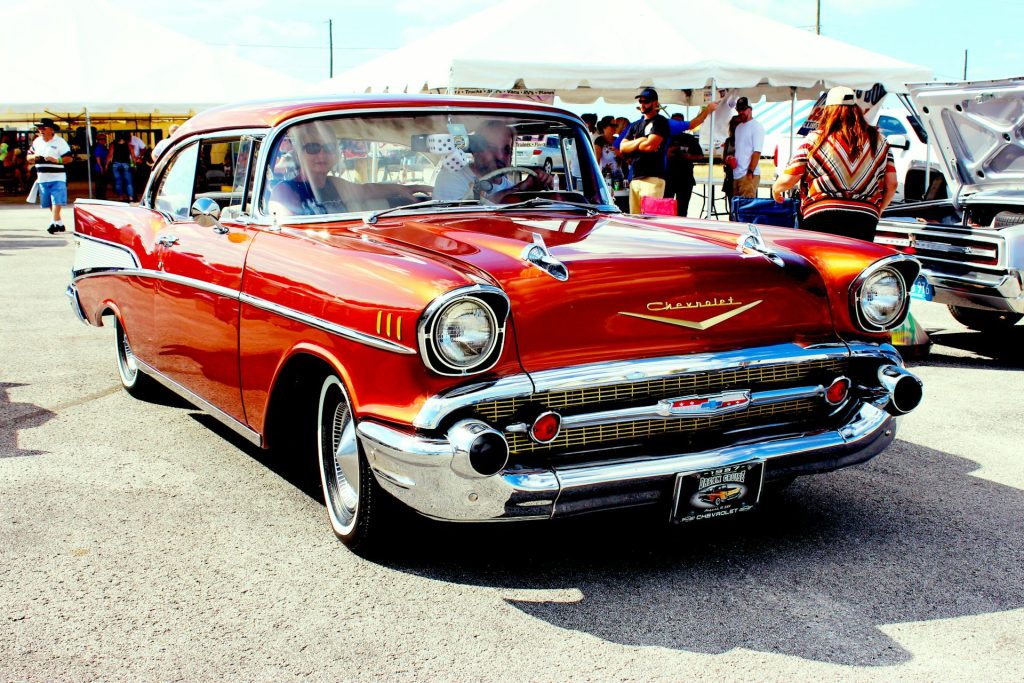
Investors seeking variety often look toward tangible assets that carry history, design, and mechanical character. Collectible cars blend utility with artistry, turning garage spaces into curated holdings. These vehicles draw interest from individuals who value engineering excellence and view rarity as a pathway to long-term value retention. The appeal of automotive heritage continues to rise as distinct models age into prized status.
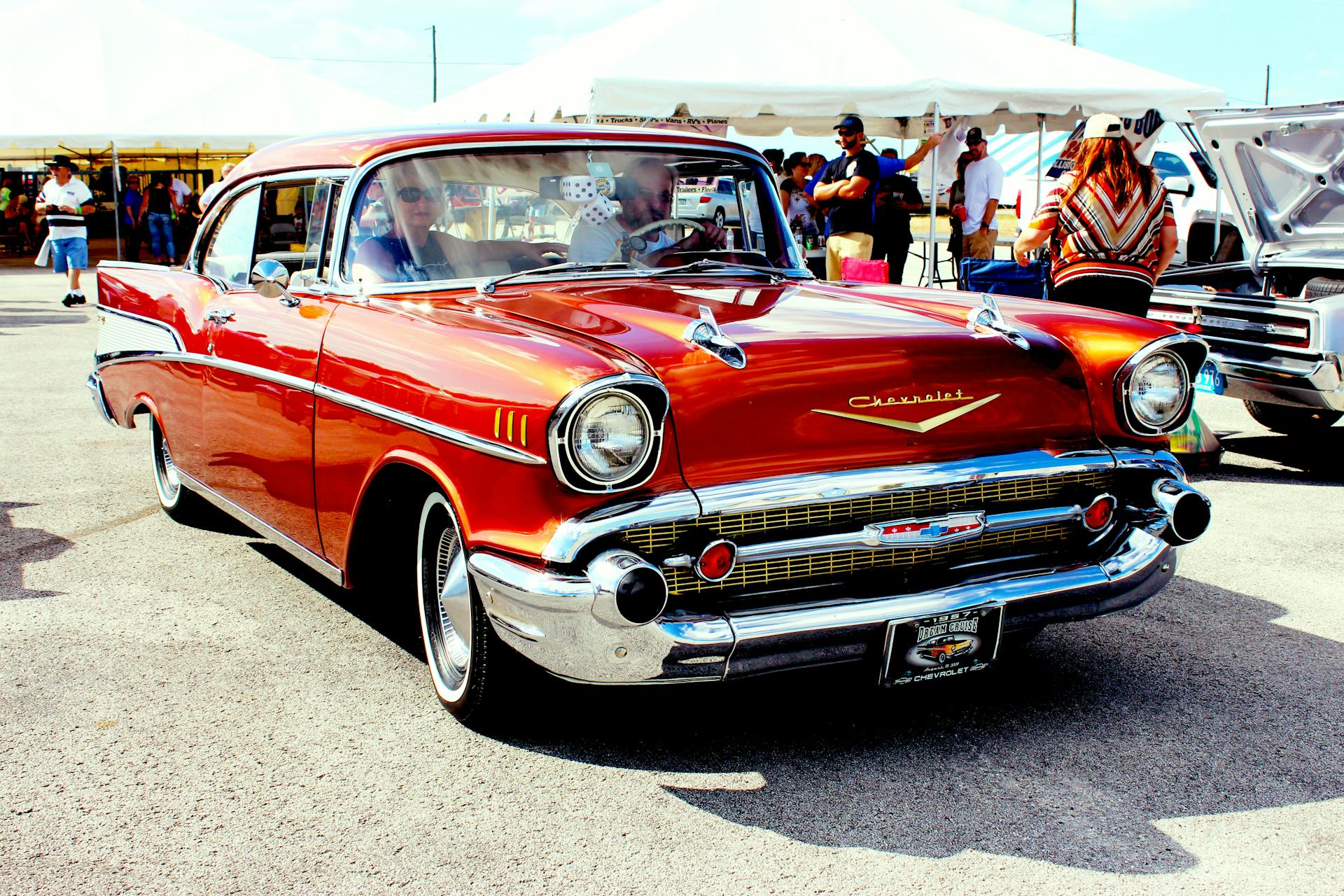
Understanding What Drives Automotive Appreciation
Value growth in collectible vehicles often begins with scarcity. Limited production runs and discontinued models attract attention from enthusiasts and investors who enjoy owning something not easily found.
Rarity creates momentum when tied to strong design lineage or motorsport history, giving certain cars reputational advantages. Heritage brands often produce models that benefit from this type of loyalty-driven demand.
Age alone rarely guarantees appreciation, since condition, originality, and documentation guide interest. Mechanical integrity matters alongside aesthetics, since drivability influences desirability. Market cycles reveal that sentiment shifts based on cultural trends, and models once overlooked can enter periods of renewed popularity.
Choosing Cars With Strong Performance Potential
Many investors gravitate toward vehicles that perform as impressively as they appreciate. Performance cars often maintain loyal followings due to their engineering pedigree. Power output, handling characteristics, and distinctive driving experiences elevate appeal. Vehicles developed for track influences often carry narratives that enhance collectability.
Comfort and design features complement these attributes, creating well-rounded ownership experiences. Mechanical condition becomes crucial, since performance-focused vehicles require attentive maintenance.
Detailed service histories give buyers peace of mind and support valuation. Some vehicles achieve near-cult status because they represent technological milestones. Reviewing era-specific innovations helps clarify why certain cars continue to attract future demand.
Identifying Market Niches Within the Collector Landscape
The collector car market contains distinct segments, each with its own rhythm. Vintage European sports cars carry prestige due to craftsmanship and styling. American muscle cars draw interest with bold engines and cultural symbolism.
Distinctive Japanese performance vehicles continue rising in relevance as generational nostalgia strengthens. Investors often benefit from specializing in a niche to deepen market understanding. Specialization fosters the ability to recognize subtle distinctions between model years that influence pricing. It encourages knowledge of restoration approaches appropriate for specific brands.
Participation in clubs and events helps investors observe emerging trends. Networks that connect classic car buyers and sellers give collectors a clear view of shifting prices, model availability, and emerging interest across different segments. These networks help individuals stay current with model desirability and pricing behaviors as different eras rise in prominence.
Practical Factors That Shape Long-Term Value
Condition plays a central role in how cars appreciate. Original paint, matching-number engines, and intact interior materials strengthen desirability. Restoration work requires skill and authenticity to maintain integrity.
Proper documentation, such as ownership history and service records, provides reassurance to future buyers. Storage conditions affect longevity, with climate control protecting materials from wear. Investors who value long-term growth view preventive maintenance as an investment rather than an expense.
Mileage influences interest as well, with lower-mileage examples commanding stronger attention. Special editions, rare color combinations, and factory performance packages give vehicles unique identities. Mechanical accessibility matters too, since some cars require specialized technicians.
Where Utility Meets Passion and Strategy
Investors drawn to functional art value the dual-purpose nature of collectible cars. These vehicles offer the thrill of driving along with potential portfolio growth. Some owners integrate their cars into touring events or rallies, reinforcing the experiential aspect of the investment.
This involvement creates stronger personal connections and encourages meticulous care. A car that feels engaging on the road enhances the pride of ownership. Investors often discover that emotional satisfaction and financial strategy can coexist harmoniously.
Since involvement deepens knowledge, firsthand experience helps guide smarter decisions. The learning process brings clarity regarding which models deliver rewarding drives and strong appreciation paths.
Evaluating Risk and Responding to Market Shifts
Like any asset class, collector cars come with unpredictability. Shifts in buyer sentiment can lead some models to peak sooner than anticipated. Broader economic changes shape discretionary spending patterns, which influence market pace. Staying informed reduces exposure to unexpected shifts.
Investors cultivate resilience by maintaining a long-term perspective rather than relying on short windows of demand. Balanced portfolios incorporate vehicles across different segments, allowing for varied appreciation cycles. Awareness of regulatory changes, such as emissions rules or restrictions on combustion vehicles, contributes to forward-looking planning.
Before committing to a purchase, many investors consider the following criteria to stay aligned with their goals:
- How the model’s cultural impact compares with similar vehicles
- Availability of authentic parts and service expertise
- Documented history supporting legitimacy
- Known mechanical concerns or strengths
- Likely buyer demographics as the vehicle ages

Collectible cars offer a rewarding intersection of artistry, heritage, and financial potential. Investors willing to study trends, evaluate conditions closely, and participate actively in enthusiast circles can transform appreciation for fine vehicles into informed investment decisions. With balanced expectations and thoughtful selection, this asset class can bring both personal enjoyment and meaningful growth.

A dad of 3 kids and a keen writer covering a range of topics such as Internet marketing, SEO and more! When not writing, he’s found behind a drum kit.