In the world of high-powered careers, business professionals often face relentless demands that extend beyond the office. Long hours, tight deadlines, and frequent travel can push health to the back burner. Eating disorders, though often associated with teenagers or young adults, can affect those in corporate environments without leaving obvious signs. The challenge lies in recognizing subtle patterns amid busy schedules, where meals are skipped, stress levels run high, and appearances are carefully maintained. Understanding these hidden signs can help organizations and individuals take timely action before the consequences escalate.

Recognizing Subtle Symptoms in High-Stress Careers
Eating disorders in business professionals often do not fit the stereotypical image of extreme weight loss or overt food restriction. Common signs may include frequent meal skipping, strict dietary rules, sudden changes in clothing fit, or obsessive focus on body image. Emotional patterns, such as irritability or withdrawal during social events, can also signal underlying struggles. Finding real experts who can guide recovery can be challenging. Accessing trusted resources like https://oasiseatingrecovery.com/ can connect professionals to experienced clinicians, therapists, and nutritionists who understand the specific pressures of corporate life. These experts can offer tailored guidance without judgment.
Barriers to Seeking Help
One of the greatest hurdles for busy professionals is the fear of appearing vulnerable. Many worry that admitting to an eating disorder might affect their career trajectory or reputation. Time constraints can make regular therapy sessions seem impossible, and travel schedules disrupt consistent routines, reducing opportunities for monitoring eating habits. Additionally, workplace cultures that glorify endurance and resilience can reinforce unhealthy coping mechanisms. Social events, client dinners, and networking functions often center on food, making it difficult for someone struggling to navigate these situations without drawing attention.
Common Triggers in Corporate Environments
Certain aspects of corporate life can exacerbate tendencies toward disordered eating:
- Tight deadlines and high-pressure projects create stress that can lead to emotional eating or restrictive behaviors.
- Business travel often involves inconsistent meal times, reliance on fast food, or skipping meals entirely.
- Office cultures emphasizing appearance, weight, or physical fitness may trigger comparison and body dissatisfaction.
- Frequent client meals or entertainment obligations can encourage bingeing or purging behaviors.
- Personal stressors combined with professional demands can amplify anxiety surrounding food and self-image.
Recognizing these triggers can help professionals and support networks develop strategies to reduce risk factors and intervene before habits become entrenched.
The Role of Mental Health in Eating Disorders
Mental health is closely tied to disordered eating, yet it often goes unaddressed in high-functioning professionals. Anxiety, depression, and perfectionism are common in high-achieving individuals and can intensify harmful eating patterns. Professionals may use control over food as a way to manage feelings of uncertainty or inadequacy, and these behaviors can be reinforced by workplace recognition for self-discipline or appearance. Regular mental health check-ins, mindfulness practices, and confidential access to counseling services can mitigate these risks.
Strategies for Early Identification
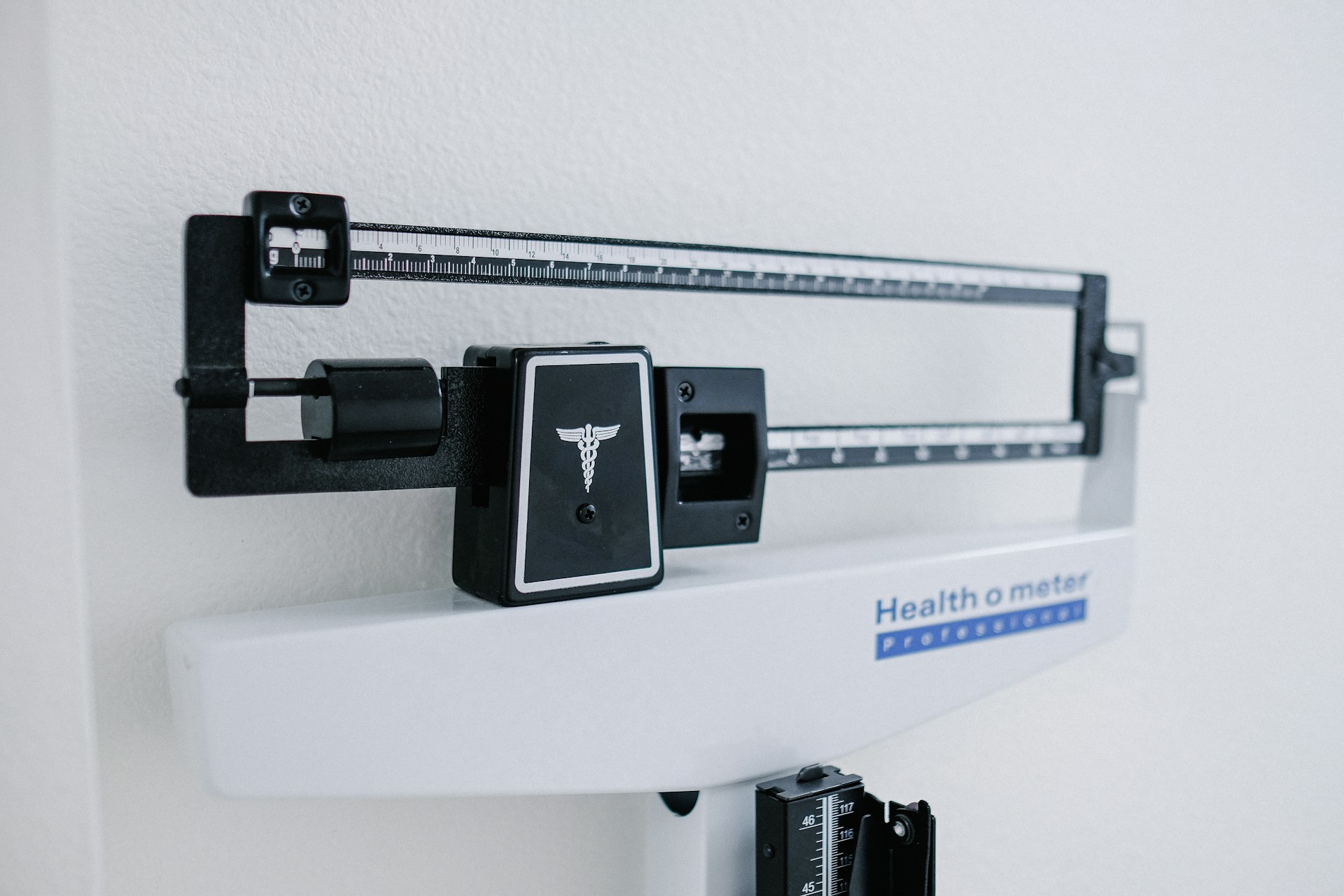
Organizations and individuals can adopt proactive approaches to recognize potential eating disorders before they escalate. Indicators can include:
- Noticeable fluctuations in weight or eating patterns.
- Reluctance to attend meals, social events, or company gatherings involving food.
- Increased preoccupation with dieting, calorie counting, or exercise routines.
- Emotional signs such as irritability, fatigue, or withdrawal during high-stress periods.
- Frequent use of bathroom breaks after meals or unusual behavior around food storage.
By paying attention to these signs, colleagues and supervisors can offer support or guide the individual toward professional resources.
Supporting Recovery While Maintaining Professional Commitments
Recovery from an eating disorder does not require stepping away from a career. Flexible scheduling, remote therapy sessions, and supportive workplace policies can help professionals pursue treatment while maintaining responsibilities. Nutrition planning, therapy, and support groups can be integrated into daily routines without sacrificing productivity. Encouraging open dialogue about mental health and wellness can help normalize the process, making it easier for individuals to seek help without fear of judgment or career repercussions.
Encouraging recovery in high-stress environments also involves addressing the cultural pressures that contribute to disordered eating. Leaders can promote balanced approaches to work, redefine success metrics beyond appearances or endurance, and foster an environment where personal well-being is treated as a priority alongside professional performance.
Eating disorders among business professionals are often hidden but carry serious health implications if left untreated. The combination of workplace pressures, personal expectations, and social norms around food creates an environment where these disorders can thrive unnoticed. Recognizing subtle signs, understanding triggers, and connecting with experts are crucial steps toward effective intervention. By creating supportive networks and accessible resources, professionals can pursue recovery without sacrificing their careers or ambitions. Early attention and compassionate guidance can make a significant difference, helping individuals regain control over their health while continuing to succeed in demanding professional landscapes.

A dad of 3 kids and a keen writer covering a range of topics such as Internet marketing, SEO and more! When not writing, he’s found behind a drum kit.