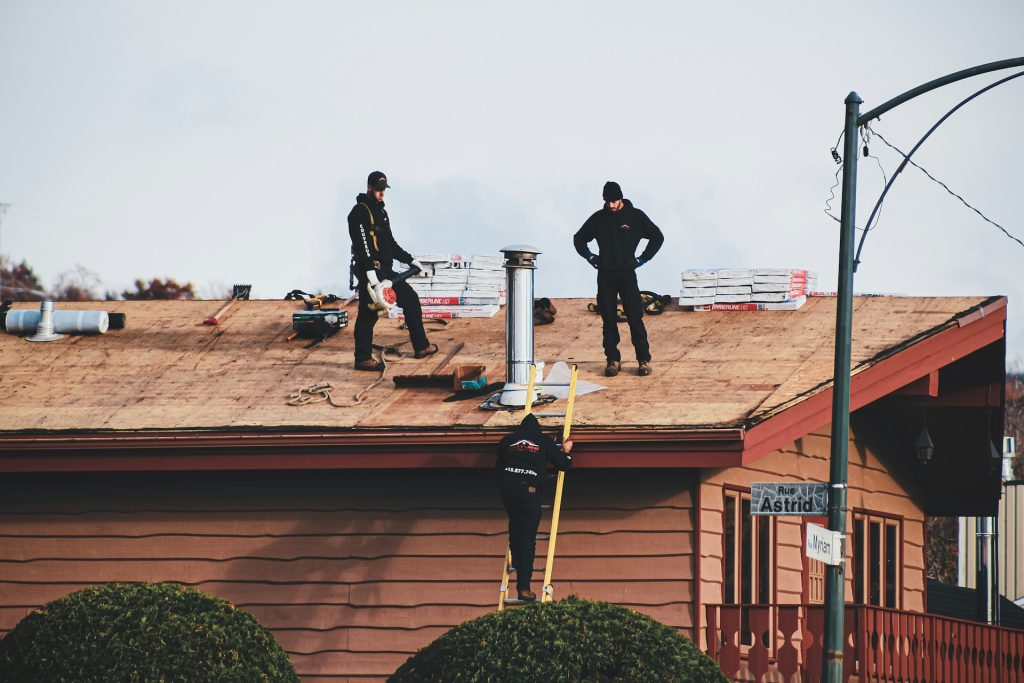
Exterior repairs play a major role in preserving the strength and appearance of a home. Projects that involve roofing, siding, paint, sealants, and structural touch-ups help property owners avoid repeated damage and repeated expenses. A home that receives careful attention from trained specialists stands a far better chance of resisting harsh weather, water intrusion, and wear. With planning, steady upkeep, and thoughtful material choices, these repairs can hold strong for years and support the comfort of those living inside.
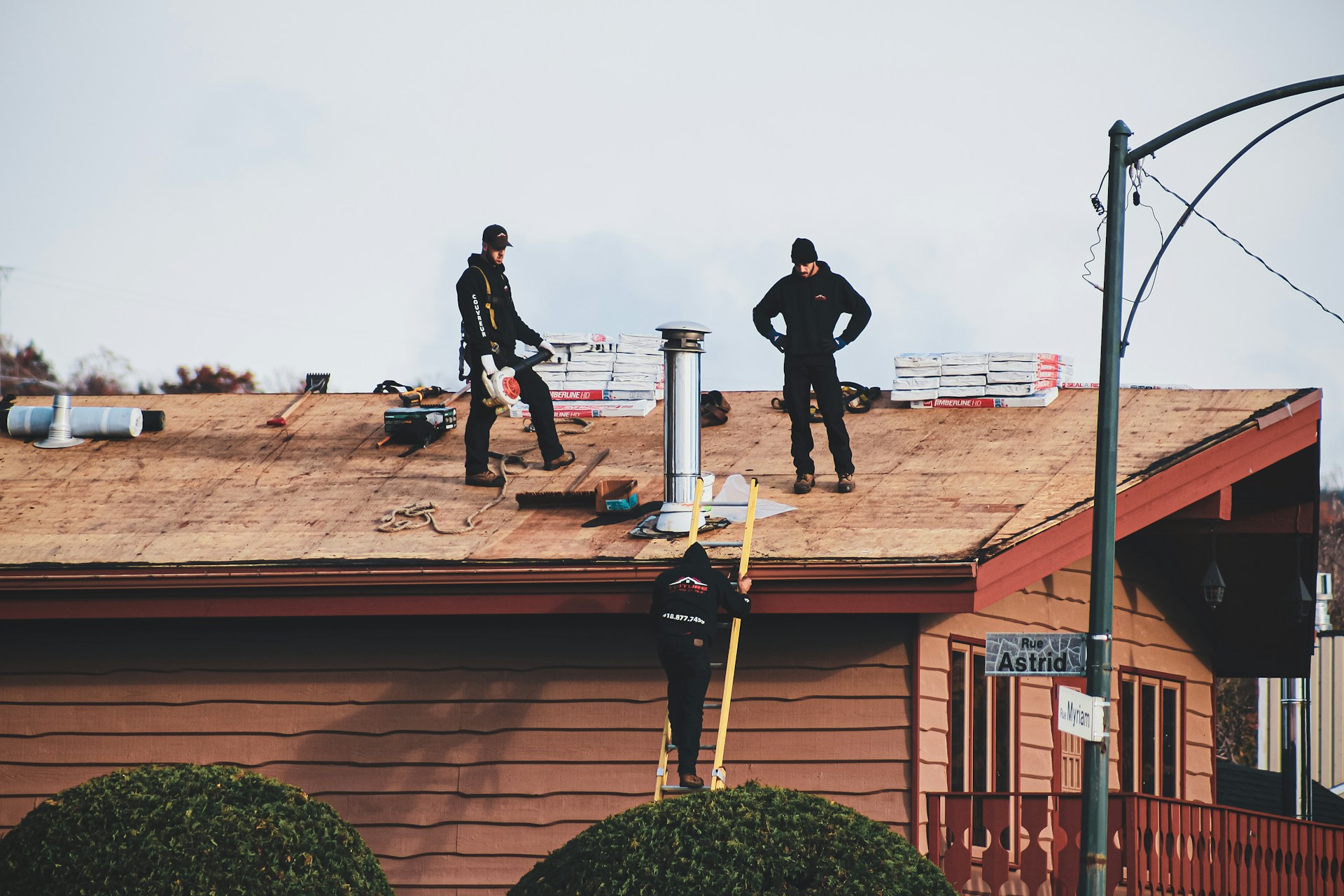
Working With Roofing Experts For Protection
Homeowners often turn to roofing specialists when they want guidance that goes beyond simple patchwork. These professionals study structural behavior, shingle performance, ventilation, and moisture control, giving them the knowledge required to identify weak points before they grow into costly issues. When talking with these specialists, many property owners seek deeper details about repair options, warranties, and installation approaches, and they often look for more information here to compare techniques from one contractor to another. Roofing specialists who combine field experience with careful product selection often help clients gain stronger coverage and longer service life. Their evaluations of slope, flashing, underlayment, and drainage play a major part in giving the roof a chance to stand firm through intense sun, storms, and seasonal temperature shifts.
Choosing Durable Exterior Materials
The materials selected for siding, trim, roofing, and protective barriers influence how long each repair will hold up. Products designed for harsh climates, strong wind exposure, or heavy rainfall typically last longer than budget options that focus only on short-term savings. Many homeowners study manufacturer guidelines, projected lifespan, and compatibility with existing structures before making their choice. Contractors frequently inspect the age of surrounding materials to match the new items in a way that supports even wear. Selecting materials with strong resistance to cracking, fading, expansion, and corrosion helps limit future repair cycles. When combined with professional installation, high-quality materials give a home a solid foundation for extended performance.
Inspection And Maintenance Practices
Regular assessments allow property owners to catch problems that slowly develop across exterior surfaces. The methods below help maintain long-lasting repairs:
- Inspect the roofline for signs of lifted shingles, loose flashing, and clogged gutters that may trap moisture.
- Look along the siding for warping, peeling finishes, or gaps that insects or water can enter.
- Check around windows and doors for weakened seals or deteriorated caulking.
- Clear debris away from drainage pathways so water can move away from the home without pooling.
- Track minor changes in paint, wood trim, and masonry to identify slow-forming issues.
- Schedule professional yearly evaluations to receive detailed assessments from trained specialists.
Steady upkeep supports the strength of completed repairs by reducing stress on the home and lowering the chance of small flaws turning into larger problems.
Ventilation And Moisture Control For Exterior Longevity
A strong exterior depends on balanced airflow and moisture management across the entire home. When air circulates through the attic, crawl spaces, and wall cavities, pressure levels remain more stable. This helps limit heat buildup under the roof and prevents materials from expanding in an uneven manner. Moisture control plays an equally critical role. When humidity rises in enclosed areas, wood trim and structural components can swell or weaken. Even minor shifts may create gaps in shingles, flashing, or siding. Professionals often recommend ridge vents, soffit vents, or mechanical systems to support smooth airflow. Sealants and water barriers installed during exterior repairs work best when supported by proper ventilation that keeps interior humidity at a manageable level. A balanced system helps every component last longer, resulting in fewer unexpected problems.
Weather Preparation For Long-Lasting Results
Homes exposed to strong storms, heavy snowfall, high winds, or intense heat need targeted preparation. Contractors often analyze local climate patterns when planning exterior repairs. They may suggest fastening techniques with a stronger grip, shingles designed to resist uplift, or siding products tested for impact protection. In regions with intense sunlight, reflective roofing materials or UV-resistant paint help slow fading and surface breakdown. Those living in coastal areas face challenges from salt particles that settle on exterior surfaces. Protective coatings help prevent corrosion and slow deterioration. Homeowners who take time to clean debris before storm season reduce the chance of water backup or structural damage. Thoughtful preparation matched to regional weather patterns supports lasting repairs and lowers future maintenance demands.
Exterior repairs that last for years depend on strong planning, professional guidance, and steady upkeep. From the work of roofing specialists to the strategic selection of durable materials, each element plays a part in strengthening a home’s protective layers. By combining professional skill with consistent maintenance, exterior repairs can support a home through countless seasons and preserve comfort for the long run.

A dad of 3 kids and a keen writer covering a range of topics such as Internet marketing, SEO and more! When not writing, he’s found behind a drum kit.