
Finding a new place to live can be exciting, but sometimes, there are tricky parts, like understanding all the fees. One big question that comes up a lot, especially in busy rental markets, is about broker fees. Who pays the broker fee when renting? It’s a common concern for many people looking for a new apartment. This article will help clear up what these fees are, why they exist, and who typically ends up paying them.
Key Takeaways
- Broker fees are payments to real estate agents who help people find apartments. They are common in some rental markets.
- Not all renters pay broker fees; sometimes landlords cover these costs to attract tenants.
- Market conditions, like how many apartments are available, can change if broker fees are charged and how much they are.
- Broker fees can often be negotiated, especially if you understand the local rental market.
- New rules and discussions are happening to make rental costs fairer for everyone, which might change how broker fees work.
Understanding Broker Fees

What Are Broker Fees?
So, you’re looking at apartments, maybe even in a crazy market like New York City, and you keep hearing about "broker fees." What’s the deal? Broker fees are basically extra charges that you, as someone looking to rent, might have to pay. They go to the real estate agent, or broker, who helped you find the place. Think of them as the middle person who connects renters with landlords.
Historical Context of Broker Fees
Broker fees have been around for a while. Back in the day, before the internet made apartment hunting a breeze, finding a place was tough. People relied on brokers to do the legwork. The fees were compensation for their time and effort in finding suitable rental properties.
Do All Renters Pay These Fees?
Nope, not every renter has to cough up a broker fee. Sometimes, the landlord decides to cover the cost of hiring a broker to find tenants. It really depends on the situation. In some cases, you, the renter, might be asked to pay for the broker’s help. It’s not always consistent, which can be frustrating. It’s important to know that realtor fees can vary.
It’s worth noting that the rise of online listings and virtual tours has changed the game a bit. Some argue that the traditional role of the broker is less vital now, leading to questions about the necessity of these fees in all situations.
Market Dynamics and Broker Fees
When Do Broker Fees Increase?
Broker fees aren’t set in stone; they fluctuate based on supply and demand. When the rental market is tight, and there are few available apartments, broker fees tend to rise. Think of it like this: brokers can charge more because renters are competing for fewer places. For example, in New York City during the summer of 2022, some brokers reportedly asked for fees close to 20% of the annual rent due to high demand. This makes it even harder for renters to find affordable housing.
When Do Broker Fees Disappear?
On the flip side, when there are plenty of apartments available, landlords and management companies often absorb the broker fees. They do this to attract renters and fill vacancies faster. In these situations, the fees shift from the renter to the landlord, easing the financial burden on those looking for a new place. It’s all about who has the upper hand in the market. You might even find landlord-direct listings that completely skip the broker fee.
Shifting Responsibility for Broker Fees
Even if renters aren’t directly paying the broker fee, the broker still needs to get paid. The responsibility simply shifts to the landlords or management companies. This can happen in a renter’s market where landlords are trying to entice people to rent their properties. It’s important to remember that someone is always paying for the broker’s services; it’s just a matter of who it is. Understanding these shifts can help renters better
The key takeaway is that broker fees are a reflection of the overall rental market. When demand is high and supply is low, fees go up. When supply is high and demand is low, fees either disappear or are absorbed by landlords. This dynamic plays a significant role in the rental landscape.
Here’s a quick summary:
- High Demand, Low Supply: Broker fees increase.
- Low Demand, High Supply: Broker fees decrease or are absorbed by landlords.
- Responsibility Shift: The payment responsibility shifts between renters and landlords based on market conditions.
Calculating Broker Fees
Typical Broker Fee Percentages
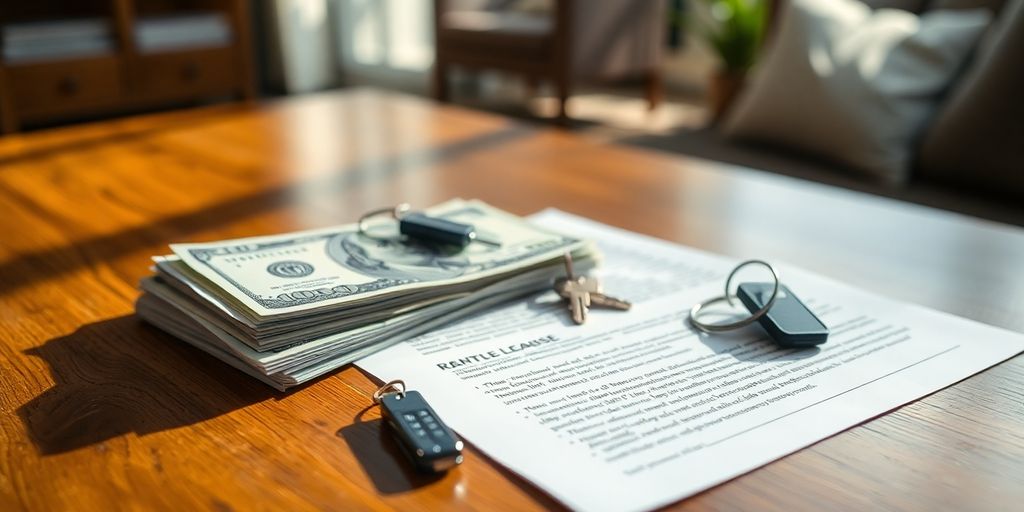
Okay, so you’re trying to figure out how much this whole broker fee thing is going to cost you. Generally, broker fees are a percentage of the annual rent. The most common range you’ll see is between 10% and 15% of the first year’s rent. However, this can vary depending on location and the specific brokerage. It’s always a good idea to confirm the exact percentage upfront to avoid any surprises.
How Broker Fees Are Calculated
Calculating the broker fee is pretty straightforward once you know the percentage. Here’s the basic formula:
Broker Fee = (Annual Rent) x (Broker Fee Percentage)
For example, let’s say you’re renting an apartment with a monthly rent of $2,000, and the broker fee is 12% of the annual rent. First, calculate the annual rent: $2,000/month * 12 months = $24,000. Then, calculate the broker fee: $24,000 * 0.12 = $2,880. So, in this case, the broker fee would be $2,880. It’s a good idea to use a rental agreement to make sure everything is clear.
Impact on Rental Budget
Broker fees can have a significant impact on your rental budget, especially when you’re moving into a new place. It’s not just the monthly rent and security deposit you need to consider; the broker fee adds another layer of expense. Here are a few things to keep in mind:
- Upfront Cost: Broker fees are usually due upfront, along with the first month’s rent and security deposit. This can create a substantial financial burden at the beginning of your lease.
- Budgeting: Make sure to factor the broker fee into your overall budget when searching for apartments. It’s easy to get caught up in the monthly rent and forget about this additional cost.
- Negotiation: While not always possible, there might be room to negotiate the broker fee, especially in a softer rental market. It never hurts to ask!
It’s important to remember that broker fees are a real cost, and they should be considered when evaluating the affordability of an apartment. Don’t let the excitement of finding a new place overshadow the financial implications. Plan ahead, budget wisely, and be prepared for this extra expense. You might want to check realtor commissions to get a better idea of the market.
Who Pays the Broker Fee When Renting
Landlord-Paid Broker Fees
Sometimes, landlords decide to cover the broker fee themselves. This often happens when they’re having a hard time finding tenants or when there are a lot of vacant apartments available. It’s a way for them to make their property more attractive to potential renters. Landlords might see it as a marketing expense, similar to advertising the apartment. By paying the fee, they hope to fill the vacancy faster and avoid losing money on an empty unit. This is more common in a renter’s market where tenants have more choices.
Renter-Paid Broker Fees
In many cases, especially in competitive rental markets, the renter is responsible for paying the broker fee. This fee compensates the broker for their services in helping the renter find an apartment, negotiate the lease, and complete the application process. It’s important to budget for this expense when planning your move. In places like New York City rentals, it’s pretty common to see renter-paid fees.
Factors Determining Payment Responsibility
Several things can influence who ends up paying the broker fee. It’s not always a straightforward answer. Here are some key factors:
- Market Conditions: In a landlord’s market (few vacancies, high demand), renters usually pay. In a renter’s market (many vacancies, low demand), landlords are more likely to pay.
- Negotiation: Sometimes, you can negotiate with the landlord or broker about who pays the fee, or at least a portion of it. More on that later!
- Local Laws: Some cities have laws that affect who can charge broker fees and under what circumstances. It’s good to know your local regulations.
The responsibility for paying the broker fee can shift depending on the current rental market. When there are plenty of apartments available, landlords might cover the fee to attract tenants. But when apartments are scarce, renters often bear the cost. Understanding these market dynamics is key to knowing who will likely pay.
To illustrate how market conditions affect broker fees, consider this:
| Market Condition | Who Typically Pays | Reason |
|---|---|---|
| Landlord’s Market | Renter | High demand allows landlords to pass the cost to renters. |
| Renter’s Market | Landlord | Landlords absorb the cost to attract tenants in a competitive environment. |
Negotiating Broker Fees
Are Broker Fees Negotiable?
Good news! Broker fees aren’t set in stone. You absolutely can try to negotiate them. It’s not always easy, but it’s worth a shot, especially if you’re on a tight budget. Think of it like buying a car – the sticker price is just a starting point. Don’t be afraid to haggle a bit. You might be surprised at the result.
Understanding the Market for Negotiation
Knowing the rental market is key. Is it a landlord’s market or a renter’s market? If there are tons of apartments available, you have more leverage. Landlords and brokers are more likely to be flexible to fill vacant apartments quickly. If it’s a competitive market with few openings, it’s tougher, but not impossible. Do your research! See what similar apartments are going for and what fees are typical in the area. Knowledge is power.
Here’s a quick breakdown:
- Landlord’s Market: Fewer available apartments, higher demand, less negotiation power.
- Renter’s Market: More available apartments, lower demand, more negotiation power.
- Balanced Market: A mix of both, negotiation is possible but requires finesse.
Effective Negotiation Strategies
Okay, so you want to negotiate. Here’s how to do it:
- Do Your Homework: Find out what the standard broker fees are in your area. This gives you a baseline to work from. If the broker is asking for way more than average, you have a strong argument for a lower fee.
- Be Polite but Firm: No one likes a jerk. Be respectful, but also be clear about what you’re willing to pay. Explain your situation and why you’re asking for a lower fee. Maybe you have excellent credit, a stable job, or you’re willing to sign a longer lease. These are all things that make you a desirable tenant.
- Highlight Your Strengths: Make sure the broker knows why you’re a great tenant. Are you responsible? Do you have a steady income? Are you quiet and respectful? These are all things that landlords look for, and they can help you get a better deal on the broker fee.
Remember, negotiation is a conversation. Be prepared to compromise, but don’t be afraid to walk away if the broker isn’t willing to work with you. There are other apartments out there, and you don’t want to overpay. Sometimes, just showing that you’re willing to walk away is enough to get the broker to budge.
Recent Changes and Discussions
Impact of New Regulations on Broker Fees
Recently, there’s been a lot of movement in the regulatory landscape surrounding broker fees. Some cities and states are starting to implement new rules aimed at making the rental process more transparent and affordable. These regulations often focus on who can legally collect a broker fee and under what circumstances. For example, there might be rules preventing brokers from charging fees to renters if they are representing the landlord. These changes can significantly impact the rental market, potentially shifting the financial burden from renters to landlords, or even reducing the overall prevalence of broker fees. It’s a bit of a mixed bag, though, as some regulations are facing legal challenges, and the long-term effects are still unfolding. Staying informed about these regulatory changes is important.
Arguments Against Broker Fees
There’s a growing chorus of voices arguing against the traditional broker fee model. The main points usually revolve around:
- Affordability: Upfront costs, including security deposits, first month’s rent, and broker fees, can create a significant barrier to entry for many renters.
- Transparency: The process of how broker fees are determined and who benefits from them can often be opaque, leading to distrust.
- Fairness: Renters often feel they are paying a substantial fee for a service that primarily benefits the landlord.
The core argument is that the current system disproportionately burdens renters, especially in competitive markets. Many believe that landlords, who ultimately benefit from filling their vacancies, should bear the cost of broker services.
Creating a Fairer Rental Landscape
So, what does a fairer rental landscape look like? It’s a complex question with no easy answers, but some potential solutions include:
- Increased Transparency: Requiring brokers to clearly disclose who they represent and how their fees are calculated.
- Fee Caps: Implementing limits on the maximum amount a broker can charge.
- Landlord-Paid Fees: Encouraging or mandating that landlords cover broker fees, potentially leading to lower rents overall.
- Alternative Models: Exploring new approaches to apartment marketing and leasing that reduce the need for traditional brokers. For example, some platforms are trying to connect renters directly with landlords, cutting out the middleman and the associated fees. It’s all about finding a balance that works for everyone involved and promotes a more equitable rental market. Continuing education helps real estate agents adapt to these changes.
Finding Apartments Without Broker Fees
Strategies for Avoiding Broker Fees
Okay, so you’re trying to dodge those pesky broker fees? Smart move! There are definitely ways to find a place without shelling out extra cash. First, get ready to put in some work yourself. Start by hitting the internet hard. Use search terms like "no-fee apartments" plus your desired location. Scour Craigslist (but be careful of scams!), Facebook Marketplace, and other online listing sites.
- Be proactive and contact landlords or management companies directly.
- Attend open houses to meet landlords face-to-face.
- Ask friends and family if they know of any available apartments.
It’s a grind, but the savings can be huge. Remember, persistence is key. Don’t get discouraged if you don’t find something right away. Keep checking back and expanding your search area if needed.
Landlord-Direct Listings
One of the best ways to avoid broker fees is to go straight to the source: landlords and management companies. Many landlords list their apartments directly, cutting out the middleman (the broker). These landlord-direct listings are often advertised on their own websites or on rental platforms that allow direct contact. Look for buildings managed by large companies; they often have in-house leasing teams and don’t require a broker. This can save you a significant amount of money upfront.
Market Conditions Favoring No-Fee Rentals
The rental market is always changing, and sometimes, the conditions are in your favor. When there are lots of apartments available (a "soft" market), landlords are more likely to waive broker fees to attract tenants. They might even offer other incentives, like a month or two of free rent. Keep an eye on market reports and news articles about the rental market in your area. If you see that vacancy rates are high, it’s a good time to start looking for a no-fee apartment. It’s all about supply and demand, and when demand is low, you have the upper hand. Here’s a quick look at how market conditions can affect fees:
| Market Condition | Broker Fees | Landlord Incentives |
|---|---|---|
| High Vacancy | Often Waived | Free Rent, Reduced Deposit |
| Low Vacancy | Typically Charged | Few to None |
Wrapping It Up: What You Need to Know About Broker Fees
So, we’ve gone through a lot about broker fees, right? It’s pretty clear that figuring out who pays what can be a bit of a puzzle, especially in a busy rental market. Sometimes the renter pays, sometimes the landlord does, and it often depends on how many apartments are available and how many people are looking. Knowing these things can really help you out when you’re searching for your next place. It’s all about being prepared and understanding the rules of the game before you sign anything. That way, you can make smart choices and hopefully avoid any surprises.
Frequently Asked Questions
Who pays the broker fees when renters don’t?
When renters don’t pay the broker fees, it’s usually the landlords or property managers who cover these costs. They do this to make their apartments more appealing and to fill them faster.
When do broker fees vanish entirely?
Broker fees might disappear completely when there are lots of empty apartments available. In such times, landlords are eager to get tenants, so they’ll often pay the broker’s fee themselves to make it easier for people to rent.
Under what conditions might broker fees go above the normal amount?
Broker fees can go higher than normal when there aren’t many apartments to rent and lots of people are looking. This high demand allows brokers to ask for more money.
Why do broker fees increase in some situations?
Broker fees tend to go up when there are not many apartments available and many people are trying to rent. This situation creates a lot of competition, so brokers can charge more because of the high demand.
Are there specific examples of when broker fees changed because of market conditions?
An example is New York City in the summer of 2022. Broker fees went way up because there were very few apartments to rent and a lot of people were looking for them.
Who usually pays the broker fees in different market situations?
If there are not many apartments and lots of competition, renters usually pay the broker fees. But if there are many apartments available, landlords often pay these costs to attract renters.