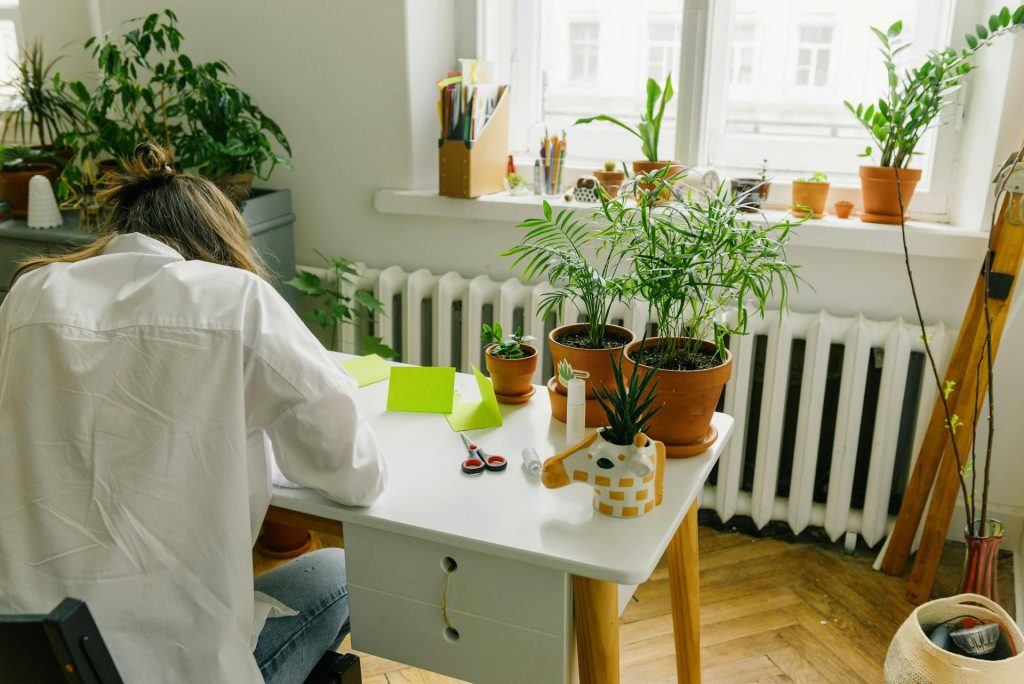
A productive home office depends on thoughtful planning, balanced comfort, and an environment that supports both focus and creativity. People who work remotely often discover that the way a space is arranged directly affects the quality of their output. Light, ergonomics, storage, and personalisation contribute to a setup that feels inviting while still being functional. A well-crafted workspace minimises distractions and encourages sustained engagement with tasks. Functional design choices shape how smoothly daily routines unfold, giving users a sense of ease.
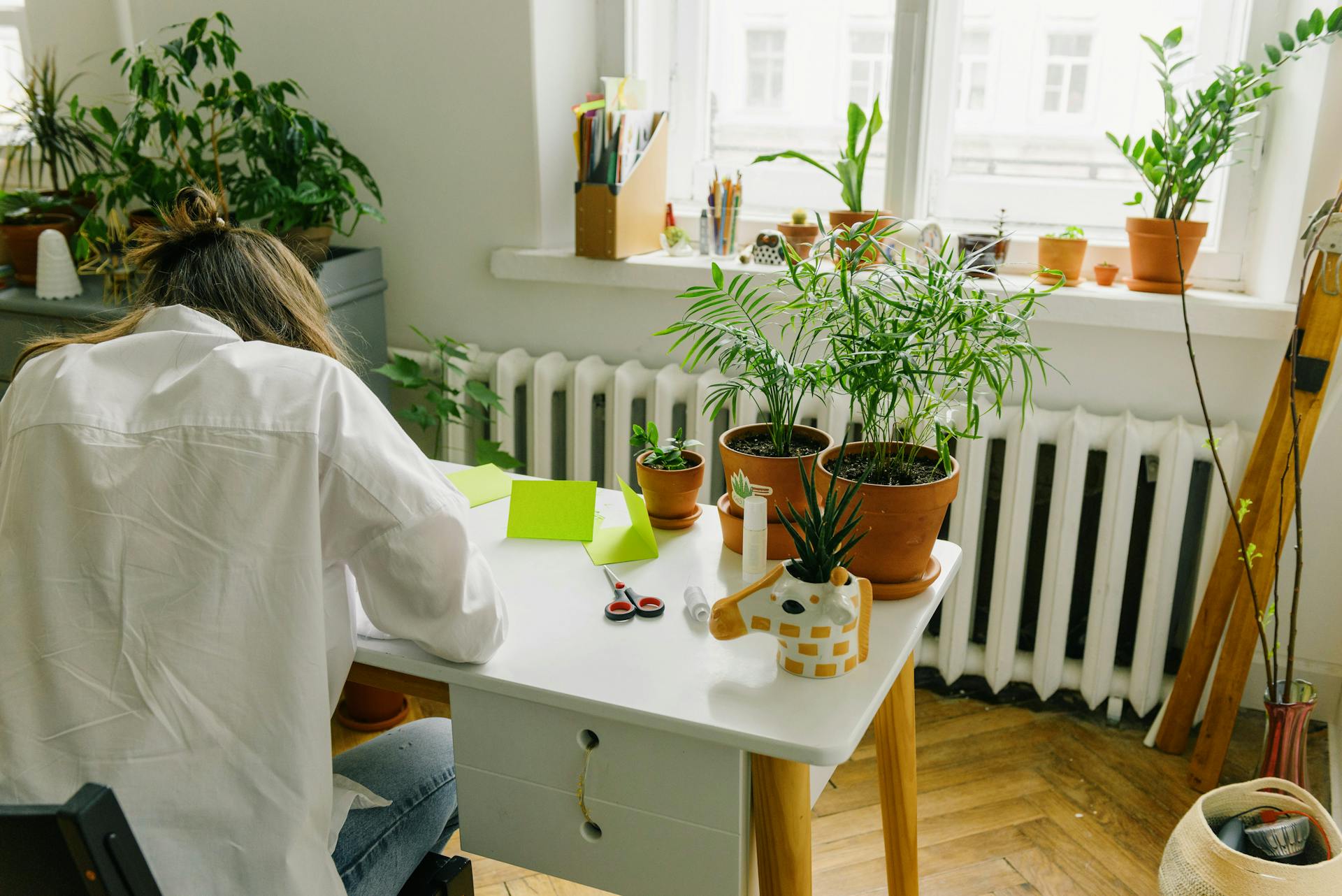
Designing With Ergonomics at the Centre
Ergonomics forms the backbone of an effective home office because the body must move comfortably through long stretches of seated focus. A supportive chair aligns the spine, reducing the strain that builds when posture suffers.
Adjustable desks help users shift positions during long work periods, creating a rhythm that supports comfort. Wrist angles, seating height, and monitor placement affect energy levels more than many people expect. Small adjustments, such as footrests or cushions, can noticeably ease pressure on joints.
Lighting should fall naturally across the workspace to reduce visual fatigue. The mouse and keyboard should rest within easy reach to avoid repetitive tension. Plants, textured materials, and balanced layout design encourage calmness.
Creating a Space That Encourages Focus
Focus thrives in environments shaped to minimise noise and clutter. People often disregard how small disruptions derail concentration, yet the layout of a workspace can steady attention.
Selecting a room or corner that feels private helps maintain boundaries between work and personal life. Sound-dampening panels or soft materials absorb excess noise, giving the mind space to settle. Organising digital tools and physical materials creates mental clarity, removing the friction that comes from searching for items repeatedly.
Many remote workers benefit from designing a visual theme that promotes calm, such as muted tones or natural textures. These choices signal the shift into work mode and help the brain stay anchored to tasks that require sustained focus.
Why Storage Solutions Shape Efficiency
Storage shapes how well a home office functions because clutter quickly disrupts workflow. Drawers, shelves, and cabinets allow every item to have a home, which prevents the workspace from becoming visually noisy.
Vertical storage uses space creatively, giving people more freedom to move. Open shelving can display reference materials while closed units hide items that distract. Labelling systems make it faster to locate supplies, reducing frustration. Storage should match the user’s work habits so that frequently used items remain close at hand.
When a workspace stays organised, the mind can devote attention to tasks rather than tidying. The right storage system leaves room for creative tools, paperwork, and personal touches without crowding the desk.
Expanding Workspace Options Through Innovative Layouts
Some users require more room than a standard interior office can provide, which encourages creative solutions that go beyond the main living area. This need is reflected in people turning to structures like custom backyard sheds when indoor space feels limited or overstimulating. These setups offer privacy and a clear boundary that separates the work environment from the daily household rhythm.
A detached workspace can reduce interruptions and invite a sense of autonomy. Natural light, controlled temperature, and customised interior design make these spaces adaptable to different professions.
Many people appreciate how such structures provide new opportunities for layout experimentation. With the right planning, this type of workspace becomes an extension of the home that increases productivity without blending into domestic noise.
Selecting Tools and Equipment That Support Productivity
The tools within a workspace set the tone for how efficiently tasks are completed. Reliable technology reduces the friction of technical problems and long load times. High-quality monitors, webcams, and microphones enhance communication and clarity.
People often perform better when their equipment matches the demands of their specific role. Creative fields may require drawing tablets or colour-accurate displays, while analytical roles benefit from dual monitors and faster processors.
Power strips, surge protection, and cable management systems maintain order and safety. Before choosing equipment, many users create a list of core tasks to understand what tools support them best, such as the items below:
- Devices that improve visual clarity and reduce eye strain
- Audio equipment that sharpens communication
- Accessories that streamline repetitive tasks
- Organisation tools that maintain structure
- Connectivity features that keep workflows smooth
Personalising the Office for Comfort and Inspiration
Comfort fuels creativity, making personalisation a valuable part of designing a home office. Colours influence emotion, and selecting ones that feel calming or energising can shape mood.
Artwork, meaningful décor, or objects tied to personal milestones give the workspace a sense of identity. These items remind users of their goals and purpose during long work sessions. Soft textiles create warmth, while well-placed lighting adjusts the mood depending on the task. Scents from candles or diffusers influence focus.
The key is creating a balance that reflects personality without distracting from work. A workspace that feels comforting encourages consistency, and users tend to return to a place that supports their emotional well-being.
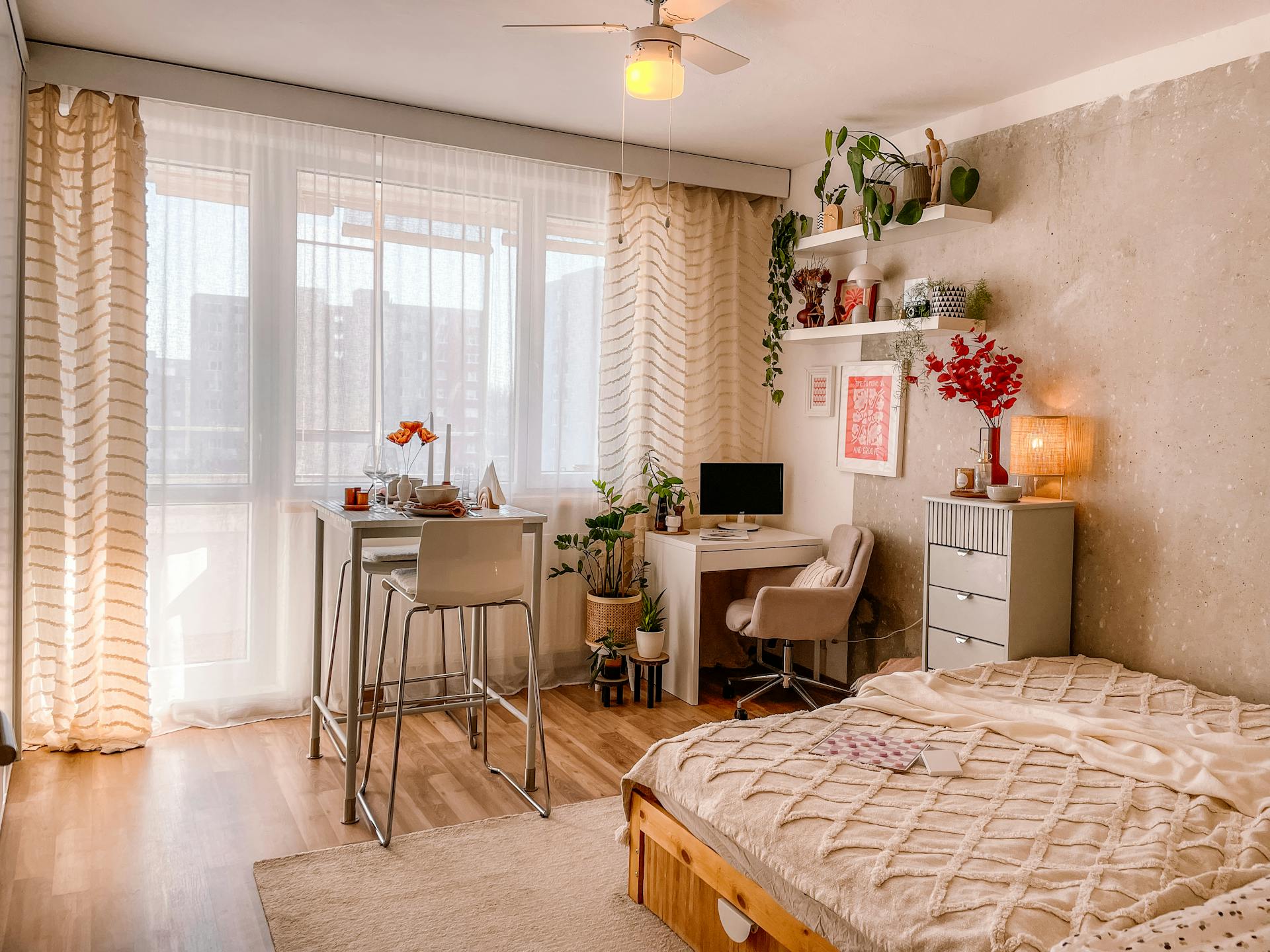
An efficient and comfortable home office setup blends ergonomic design, focus-enhancing structure, thoughtful storage, personalised comfort, and supportive technology. When each element aligns with the user’s needs, the workspace promotes clarity, productivity, and well-being. The result is an environment that strengthens daily performance and encourages a steady sense of balance throughout the workday.

A dad of 3 kids and a keen writer covering a range of topics such as Internet marketing, SEO and more! When not writing, he’s found behind a drum kit.