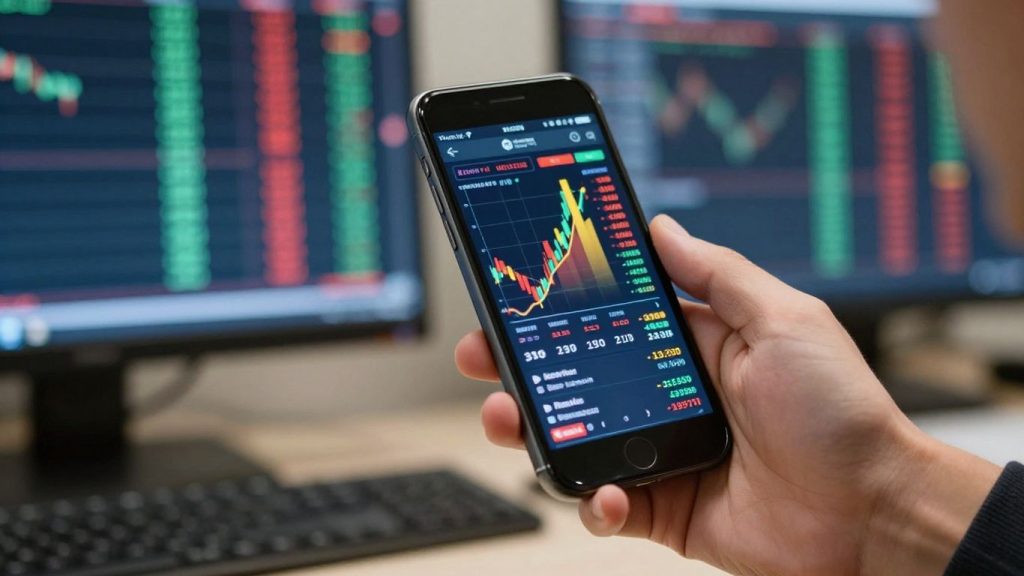
So, you’re thinking about jumping into the stock market? That’s cool. But maybe you’re a bit nervous about, you know, actually losing money. Totally get it. That’s where a trading stocks simulator comes in handy. It’s like a practice field for your investments, letting you try out strategies and get a feel for how things work without risking your hard-earned cash. Think of it as a sandbox where you can play around with virtual money and learn the ropes before you go all in.
Key Takeaways
- A trading stocks simulator lets you practice buying and selling stocks with fake money, so you don’t lose real cash while learning.
- These simulators often use real market data, giving you a realistic feel for how the stock market moves.
- You can test different trading strategies and learn about various order types without any risk.
- Many simulators offer tools for analyzing stocks, similar to what real traders use.
- Using a trading stocks simulator builds confidence and helps you understand the market before you start investing with actual money.
Understanding The Trading Stocks Simulator Landscape
What is a Trading Stocks Simulator?
So, you’re thinking about jumping into the stock market, huh? It can seem a bit daunting at first, with all the charts and numbers flying around. That’s where a trading stocks simulator comes in. Think of it as a practice field for your investing ideas. It’s a digital tool that lets you buy and sell stocks using virtual money, not your actual cash. This means you can get a feel for how the market works, try out different strategies, and see how your decisions play out without any real financial risk. It’s like test-driving a car before you buy it, but for stocks. You get to experience the ups and downs, learn the lingo, and build some confidence before you put your hard-earned money on the line.
Types of Trading Stocks Simulators
When you start looking around, you’ll notice there are a couple of main flavors of these simulators. You’ve got your ‘stock market games,’ which are often more about competition and fun. You might join a league with friends or strangers, pick stocks, and see who comes out on top over a set period. The focus here is usually on learning the basics and having a good time, maybe with some bragging rights involved. Then there are the ‘virtual trading’ platforms. These tend to be more serious, often mimicking a real broker’s setup. They give you a virtual cash balance and let you actively trade, using real market data. The goal here is really to practice specific trading techniques, get familiar with a trading platform, and test out investment strategies you’re considering for real.
Here’s a quick look at the differences:
- Stock Market Games:
- Focus on fun and competition.
- Often involve leaderboards and virtual prizes.
- Good for learning general market concepts.
- Virtual Trading Platforms:
- Mimic real trading environments.
- Emphasize strategy testing and platform familiarity.
- Use live market data for realistic practice.
Benefits of Using a Trading Stocks Simulator
Why bother with a simulator when you could just jump right in? Well, the benefits are pretty significant, especially if you’re new to this. For starters, it’s a completely risk-free way to learn. You can make all the beginner mistakes – and trust me, everyone does – without losing a dime. It helps you understand market volatility and how news events can impact stock prices. Plus, you get to experiment with different types of orders, like market orders or limit orders, and see how they actually execute. It’s also a fantastic way to get comfortable with the technology and tools that brokers provide. You’ll learn to read charts, understand indicators, and maybe even develop your own trading plan. Ultimately, it builds a foundation of knowledge and confidence that’s hard to get any other way.
Using a simulator allows you to detach emotion from your trading decisions. When real money is involved, fear and greed can take over, leading to impulsive choices. With virtual money, you can focus purely on the logic of your strategy and observe its performance objectively.
Key Features of Advanced Trading Stocks Simulators

When you’re looking to get serious about trading stocks, even with pretend money, you need a simulator that feels real. The best ones go way beyond just letting you buy and sell. They give you the tools and data that actual traders use every day. This is where you start to see the difference between a simple game and a serious practice tool.
Live Market Data Integration
This is a big one. A good simulator plugs directly into what’s happening on the stock market right now. You’re not looking at old prices; you’re seeing the real-time flow of stocks, just like someone with real money is. This means you can react to news as it breaks and see how your decisions play out instantly. It’s the closest you can get to the actual trading floor without putting your own cash on the line. Many platforms offer data from major exchanges, giving you a broad view of the market. You can practice trading stocks with real-time market data from exchanges around the world.
Order Types and Execution
Real trading isn’t just about clicking ‘buy’. Advanced simulators let you play with different order types. Think about limit orders, where you set the exact price you want to buy or sell at, or stop-loss orders, which help protect you if a stock starts dropping fast. Understanding how these orders work and how they get filled is super important. It’s not just about picking a stock; it’s about executing your trades smartly. The simulator should mimic how these orders are handled by brokers, giving you a realistic feel for the mechanics of trading.
Fundamental and Technical Analysis Tools
To really get good, you need to look at more than just price charts. Advanced simulators often come packed with tools that help you dig deeper. This includes things like:
- Company Financials: Access to reports, earnings data, and other numbers that tell you how a company is really doing.
- Chart Indicators: Tools like moving averages, RSI, and MACD that help you spot trends and potential price movements.
- News Feeds: Real-time news that can affect stock prices, so you can see the connection between events and market reactions.
Using these tools in a simulator helps you build a habit of looking at the bigger picture and the finer details before making any trading decision. It’s like having a research department at your fingertips.
These features combined mean you’re not just guessing; you’re learning to analyze, strategize, and execute trades with a level of realism that prepares you for the actual stock market.
Choosing the Right Trading Stocks Simulator For You
Picking the right stock simulator isn’t always straightforward. There are so many options out there, and honestly, they aren’t all built the same. Some feel like games, others go for a more serious, broker-like experience. It’s worth thinking about what you actually want out of your time with a simulator—are you learning, competing, or prepping for real cash?
Simulators for Beginners
If you’re just starting, you want something friendly and not loaded with too many confusing tools. Here’s what to look for:
- Simple interface with clear tutorials
- Support for fake portfolios so mistakes don’t cost real money
- Learning modules, maybe even quizzes or investing games to keep things more interesting
| Platform | Key Feature | Best For |
|---|---|---|
| HowTheMarketWorks | Custom games, learning tasks | Students, clubs |
| Wall Street Survivor | Portfolio competitions | New investors |
| StockSim | Gamified, global markets | Complete beginners |
Not every beginner simulator is basic—some have fun competitions that can pump up your motivation.
Platforms for Experienced Traders
If you’ve got the basics down or already have trading experience, the right simulator should challenge you a bit. Here are important features:
- Accurate, live market data
- Support for complex order types (like stop loss or limit orders)
- Technical charting and research tools
- Detailed performance tracking
| Platform | Key Feature | Best For |
|---|---|---|
| TradeStation | Advanced analytics, automation | Active traders |
| Interactive Brokers | $1M practice account, pro tools | Pros & analysts |
| thinkorswim (Schwab) | Full-featured platform | DIY investors |
The best advanced simulators give you the full experience, so you’ll know if you’re ready to trade for real.
Global Market Coverage Options
US stocks are just the start. Some simulators let you try out investing worldwide. If you want this, check for:
- Multiple international exchanges
- Currency conversion tools
- Access to global news feeds
- StockSim: Covers NYSE, NASDAQ, London, Tokyo, and more
- eToro: US, European, Asian stocks, plus crypto
- TradingView: International charting, global market support
If you’re curious about trading in different countries, these global simulators let you test strategies outside your home market, no passport needed.
In the end, there’s no single “best” simulator. Try a few, see which one feels comfortable, and make sure it covers the stuff you care about—whether that’s learning, competing, or preparing for the real thing.
Leveraging AI and Educational Resources
If you want to build real skill with stock trading simulators, jumping into their educational and AI-powered tools is a game-changer. These resources walk you through more than just basic trades—you can get live feedback, helpful courses, and even a bit of fun added in.
AI Trading Coaches and Insights
The latest simulators now come with AI coaches that do way more than summarize a stock. These coaches will analyze your trades, point out patterns in your decisions, and offer custom advice for your next move. Some even forecast potential risks by crunching recent market data. Here are a few ways AI tools make a difference:
- Breaks down your trading history to find habits—good or bad.
- Suggests strategy tweaks based on what’s working.
- Sends alerts for market news or sudden price swings that could impact your picks.
You’ll notice these AI coaches improve as you continue, especially as the software gets to know your preferences and timing.
Educational Courses and Content
Simulators stand out for their variety of finance education. There are mini-courses, quick videos, and in-depth guides built into many platforms. These cover topics like:
- Learning to read stocks and indexes
- Understanding margin, short-selling, and market orders
- Building a portfolio that’s not just a wild guess
Some platforms go even further. For example, if you’re an educator, customizable finance simulation tools let you tailor exercises for different skill levels and learning goals. You can fit stock market lessons right into your class or team routine, which is pretty handy.
| Education Feature | Description | Typical Availability |
|---|---|---|
| Video Tutorials | Short, focused lessons | Most simulators |
| Quizzes | Test understanding with instant feedback | Beginner/intermediate |
| Step-by-step Courses | Structured progress from beginner up | Top simulator platforms |
Pick one or two new topics each week—stocks can get complicated, and it pays to keep it simple and steady.
Learning Through Gamification
Adding a little competition (and fun) helps plenty of folks stay motivated. With gamified features, you can:
- Join trading competitions against friends (or random users globally)
- Win trophies and points for specific goals, like best portfolio growth in a month
- Track your progress with scoreboards — see how your strategies compare with others
Gamification works especially well for new traders or students, since it makes tricky concepts much less intimidating, and it’s surprisingly motivating to rack up badges for progress steps.
Using AI support, smart courses, and game-like challenges, even the most hesitant beginner can get comfortable with the ups and downs of stock trading simulations. Make the most of these resources and your first real-money trades won’t feel so overwhelming.
Mastering Your Virtual Portfolio
Building a solid virtual portfolio is the heart of using any trading stocks simulator. It’s not just about picking stocks and watching the numbers move. To really get the most from this virtual experience, you need a plan, a routine, and a way to measure how things are going.
Setting Up Your Virtual Account
Getting started is pretty straightforward:
- Pick a simulator that matches how you want to trade. Some focus on the US markets, while others might include global options.
- Set your starting balance. Many simulators let you choose, but $100,000 in play money is common.
- Customize your game. You might choose if you can short stocks, use margin, or decide how long your game lasts.
The early steps in setting up your virtual portfolio might seem simple, but they define the rules you’ll live by — at least until the simulation ends.
Developing and Testing Strategies
A stocks simulator gives you space to try different approaches without risk. Here are a few things you can do:
- Try buying and holding versus day trading
- Practice using stop-loss or limit orders
- Experiment with sector rotation or momentum strategies
- Test out trading with margin (if the simulator allows it)
You can also compare results side-by-side:
| Strategy Type | Number of Trades | Highest Gain | Largest Loss |
|---|---|---|---|
| Buy & Hold | 3 | $3,200 | -$1,100 |
| Day Trading | 15 | $900 | -$1,700 |
| Sector Rotation | 8 | $2,400 | -$900 |
Tracking Performance and Progress
The most important thing about using a stock simulator is learning from each win and each mistake. Every simulator offers tools to help you keep track:
- Daily, weekly, and all-time profit/loss reports
- Detailed trade history so you can review your best and worst moves
- Portfolio breakdowns by sector or investment type
You should get in the habit of checking your progress regularly—not just looking at how much your virtual money has grown or shrunk, but trying to figure out why things happened. Did you get too confident? Did you ignore a warning sign? Treat these lessons like gold.
Real gains may not hit your bank account, but growing your skills here will matter when you trade real dollars later.
Transitioning from Simulation to Real Trading
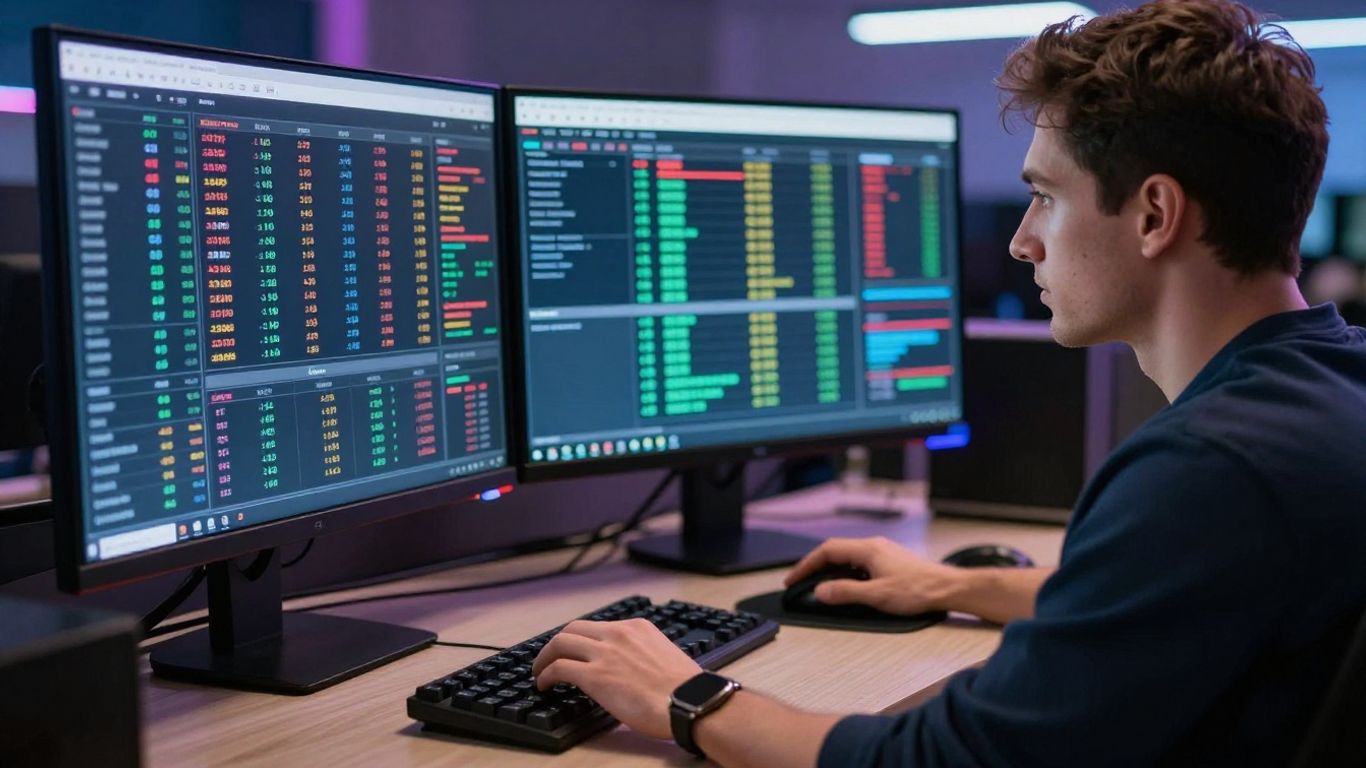
So, you’ve spent a good chunk of time in the virtual trading world, right? You’ve probably made some brilliant trades and maybe a few that made you scratch your head. That’s exactly what simulators are for. They let you get a feel for the market without the stomach-churning anxiety of losing actual cash. It’s like practicing a sport in a gym before hitting the big game. You learn the moves, you get a sense of timing, and you figure out what works for you. The biggest win from simulators is building that initial confidence.
Building Confidence Through Practice
Think about it: every successful trade you make in a simulator is a small victory. You’re not just clicking buttons; you’re executing a plan, watching it play out, and seeing the results. This repeated success, even with fake money, starts to build a mental framework for how trading works. You get used to the rhythm of the market, the way prices move, and how different news events can impact stocks. It’s this consistent practice that helps bridge the gap between theory and action. You can even use tools like deliberate practice to structure your learning and focus on specific skills.
Understanding Simulator Limitations
Now, let’s be real. Simulators are great, but they aren’t the real deal. The biggest difference? Your emotions. When real money is on the line, fear and greed can take over in ways a simulator just can’t replicate. You might find yourself making impulsive decisions or holding onto losing trades for too long because you’re hoping to avoid a loss. It’s a psychological hurdle that only real trading experience can fully prepare you for. Also, some simulator platforms might not perfectly mirror the exact execution speeds or slippage you’d encounter with a live broker.
Here’s a quick look at what simulators can and can’t fully prepare you for:
- Can Do: Test strategies, learn platform mechanics, understand order types, track performance.
- Can’t Fully Replicate: Real emotional responses (fear, greed), exact trade execution nuances, the impact of significant financial loss.
The transition from virtual to real trading isn’t just about knowing how to trade; it’s about learning to manage the psychological pressures that come with risking your own capital. Start small, stay disciplined, and remember that every trader, no matter how experienced, started somewhere.
Making Informed Real-World Investments
So, how do you make that leap? The best approach is usually to start small. Don’t jump in with your life savings. Begin with an amount you’re comfortable potentially losing. This allows you to experience the real emotional stakes without jeopardizing your financial well-being. Focus on applying the strategies you’ve refined in your simulator. Stick to your plan, even when things get a little hairy. Track your real trades just as diligently as you did your virtual ones. Over time, as you gain more experience and confidence with smaller amounts, you can gradually increase your investment size. It’s a gradual process, building on the foundation you’ve already laid.
Wrapping It Up
So, we’ve gone over how simulators can be a pretty neat way to get a feel for the stock market without actually risking your hard-earned cash. Whether you’re into the game-like aspect of competing with others or just want to test out some trading ideas with virtual money, these tools are out there. Remember, though, it’s not exactly the same as when real money is on the line. Things get a bit more intense when you’ve got something to lose. But hey, starting with a simulator is a smart move to learn the ropes and build some confidence before you jump into the real market. Just take it slow, start small, and you’ll be better prepared for whatever the market throws your way.
Frequently Asked Questions
What is a stock trading simulator?
A stock trading simulator is a tool or app that lets you practice buying and selling stocks using fake money. It uses real or close-to-real market data, so you can learn how trading works without risking your own cash.
Can I use a trading simulator if I’m new to investing?
Yes! Trading simulators are perfect for beginners. They help you understand how the stock market works, how to place trades, and how to track your progress, all without any risk.
How do trading simulators use live market data?
Some simulators, like StockSim, give you real-time stock prices and news from actual markets. This makes your practice trades feel just like real ones, helping you learn how to react to real-world events.
What features should I look for in a good stock trading simulator?
Look for simulators that offer live market data, different types of trades (like market and limit orders), analysis tools, and educational resources. Some even have AI coaches to give you tips and feedback.
Do trading simulators help with real investing?
Trading simulators are great for practicing and building confidence. They teach you how to make decisions and test strategies. But remember, trading with real money can feel different because your emotions are involved.
Is it possible to compete with others in stock simulators?
Yes, many simulators let you join games or contests where you can compete with friends or other users. You can see who makes the best trades and learn from others’ strategies.