Thinking about getting into trading? It can seem pretty complicated, and honestly, jumping in with real money right away feels like a big risk. That’s where a trading simulator comes in handy. It’s like a practice field for learning how to trade stocks, forex, or whatever markets you’re interested in, without actually losing cash. We’ll walk through why using a trading simulator is a smart move and how it can help you get ready for the real deal.
Key Takeaways
- A trading simulator lets you practice trading with fake money, mimicking real market conditions so you can learn without financial risk.
- Using a simulator helps build confidence, test different trading strategies, and develop discipline by practicing entries and exits repeatedly.
- Simulators provide a safe space to make mistakes, learn from them, and understand market behavior before risking actual capital.
- Many trading simulators offer educational resources, performance tracking, and even competitions to help you improve your skills.
- Transitioning from a simulator to live trading requires recognizing when you’re ready, applying learned strategies, and continuing to adapt.
Understanding The Power Of A Trading Simulator
What Exactly Is A Trading Simulator?
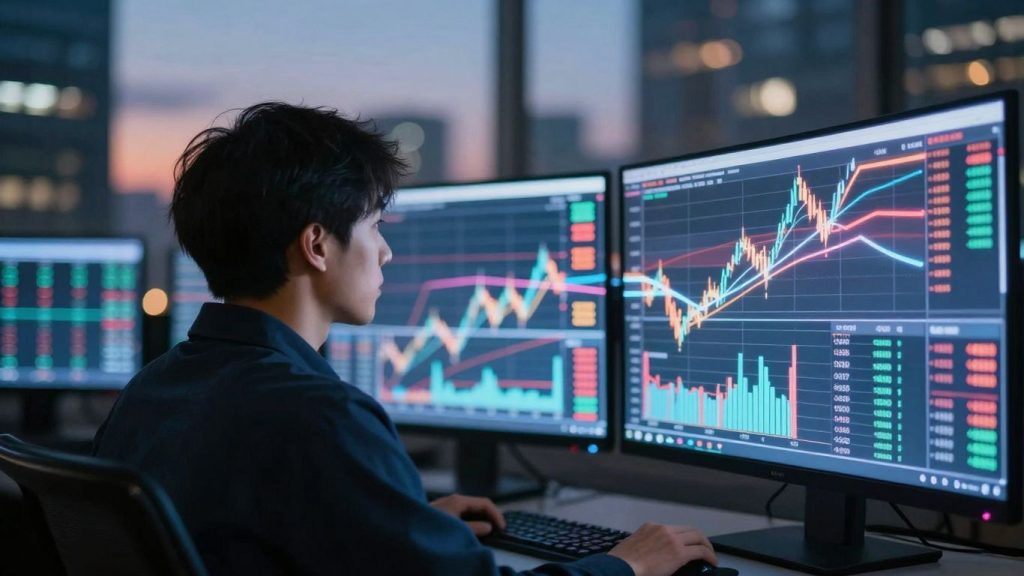
Think of a trading simulator as a practice field for aspiring traders. It’s a digital platform designed to mimic the real stock market, but with a key difference: you’re not using actual money. Instead, you’re given a virtual cash balance to buy and sell assets like stocks, currencies, or commodities. These platforms use historical or real-time market data to show you how prices move, allowing you to place trades, set stop-losses, and manage positions just as you would in a live account. It’s like learning to drive in a simulator before getting behind the wheel of a real car – you get the feel for it without the immediate consequences of a mistake.
Why A Trading Simulator Is Essential For New Traders
Jumping straight into live trading without practice is a recipe for disaster, especially for newcomers. Most people who lose money early on do so because they haven’t developed a solid understanding of market mechanics or a consistent trading plan. They might get caught up in emotional decisions, chase quick profits, or simply not know how to execute trades properly. A simulator fixes this by providing a safe space to learn the ropes.
Here’s why it’s so important:
- Risk-Free Learning: You can make mistakes, learn from them, and try different approaches without the fear of losing your hard-earned cash. This removes a huge amount of psychological pressure.
- Building Habits: Trading involves a lot of repetition. Simulators let you practice entering and exiting trades, managing risk, and using your chosen tools over and over, building the muscle memory needed for live trading.
- Understanding Market Behavior: You can rewind, replay, and analyze how prices react to different news events, economic data, or chart patterns. This helps you train your eye to spot opportunities and potential pitfalls.
Many new traders think they can just jump in and figure it out as they go. While some might get lucky for a bit, the vast majority end up losing money because they skipped the foundational learning phase. A simulator is that foundation.
The Benefits Of Practicing Without Real Money
The most obvious benefit is, of course, the absence of financial risk. You can experiment with different trading strategies, test out various indicators, and get a feel for different asset classes without any real capital at stake. This freedom allows for experimentation that you might shy away from if real money were on the line. You can try a strategy that seems a bit risky, or perhaps one that requires a specific entry or exit point, and see how it plays out over dozens or even hundreds of simulated trades. This kind of trial and error is invaluable for developing a robust trading plan. It’s about gaining experience, not just making money (yet!).
Mastering Market Dynamics With A Trading Simulator
Simulating Real-Time Market Conditions
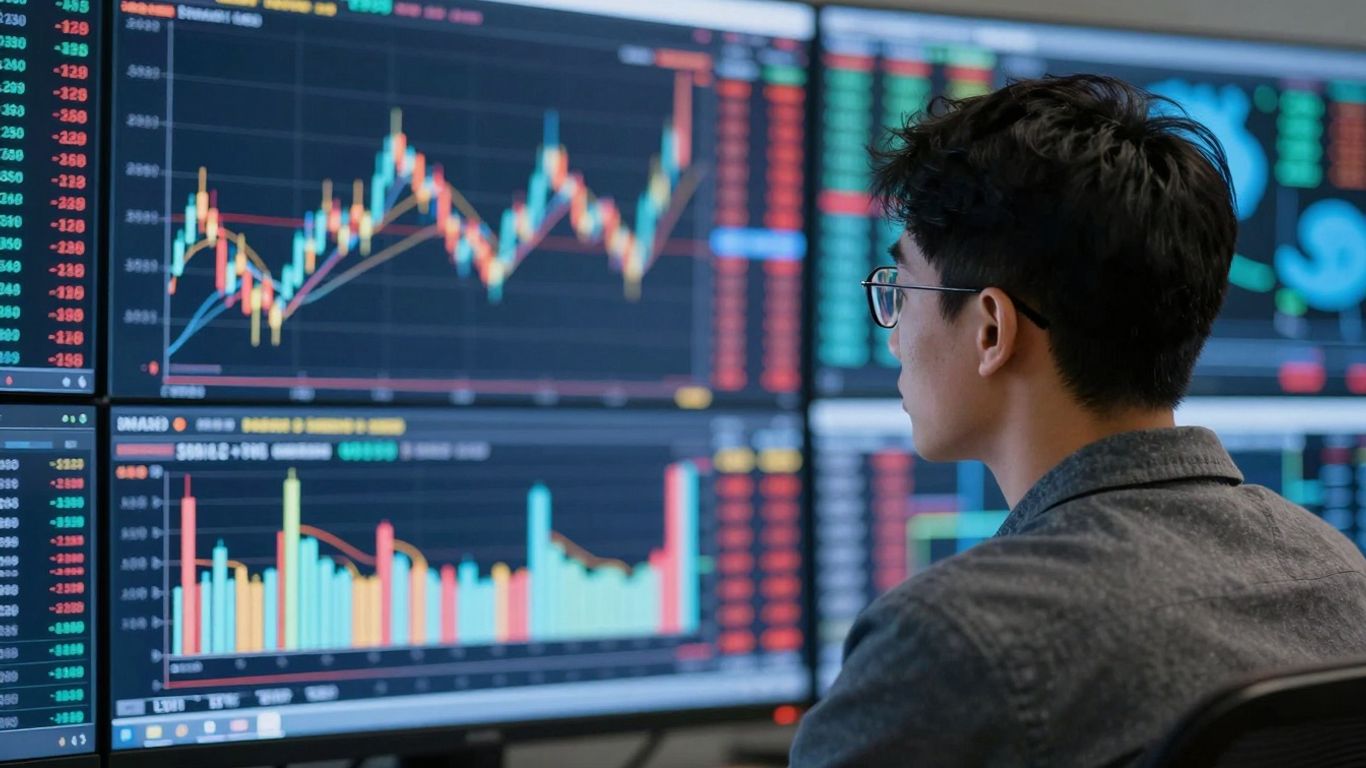
Okay, so you’ve got the basics down, maybe you’ve even played around with a simulator a bit. But to really get good, you need to feel what the actual market feels like. That’s where simulating real-time conditions comes in. It’s not just about seeing prices move; it’s about experiencing the speed, the volatility, and the flow of information just like a live trader does. Think of it like a pilot training in a flight simulator that perfectly mimics turbulence and weather changes, not just a static screen.
Simulators use historical data, sure, but the good ones replay it in a way that feels live. You get to see how prices react to news events as they happen (or as they would have happened), how quickly trends can reverse, and how different assets behave during peak trading hours. This isn’t just watching a movie; it’s about putting yourself in the driver’s seat during those critical moments.
- Experience different market sessions: Practice during the London open, New York overlap, or the quieter Asian session to see how liquidity and volatility change.
- React to simulated news: Some platforms can even introduce simulated news events to see how your strategy holds up under pressure.
- Observe order flow: Get a feel for how buy and sell orders interact and influence price movements.
The goal here is to build an intuitive sense of market rhythm. You want to get to a point where you can almost feel the market’s next move, not just predict it based on a checklist.
Utilizing Professional Trading Indicators
Charts are great, but they’re just one piece of the puzzle. To truly understand what’s going on, you need to use the tools that professional traders rely on every day: technical indicators. These are mathematical calculations based on price and volume that can help you spot trends, gauge momentum, and identify potential turning points. A good simulator will have a wide range of these built-in, so you can experiment and see which ones work best for your style.
Some common indicators you’ll want to get familiar with include:
- Moving Averages (SMA, EMA): These smooth out price data to show the average price over a specific period, helping to identify trends.
- Relative Strength Index (RSI): This momentum oscillator measures the speed and change of price movements, often used to identify overbought or oversold conditions.
- Volume Profile: This shows the amount of trading activity at different price levels, helping to identify areas of support and resistance.
- MACD (Moving Average Convergence Divergence): This indicator shows the relationship between two moving averages of a security’s price, helping to spot trend changes and momentum.
Don’t just slap indicators on your chart randomly. Learn what each one does, how it’s calculated, and most importantly, how it can help you make better trading decisions. Experimenting with different indicator combinations in a simulator is key to finding a setup that gives you a clear edge.
Exploring Different Asset Classes
Most traders don’t stick to just one thing. The markets are vast, and opportunities can pop up in stocks, forex, cryptocurrencies, commodities, and more. A top-notch trading simulator will let you practice across a variety of these asset classes. Why is this important? Because each market has its own personality, its own rhythms, and its own unique drivers.
For example, the stock market might react strongly to company earnings reports, while the forex market is heavily influenced by interest rate decisions and geopolitical events. Cryptocurrencies, on the other hand, can be incredibly volatile and influenced by sentiment and technological developments.
Here’s a quick look at some common asset classes and what you might learn:
| Asset Class | Key Drivers | Typical Volatility | Example Indicators to Watch |
|---|---|---|---|
| Stocks | Company performance, sector trends, news | Medium to High | P/E Ratio, RSI, Volume |
| Forex | Interest rates, economic data, politics | Medium | Moving Averages, MACD |
| Cryptocurrencies | Adoption, regulation, market sentiment, tech | Very High | RSI, Bollinger Bands |
| Commodities | Supply/demand, global events, weather | Medium to High | Moving Averages, RSI |
By practicing in a simulator across these different markets, you can discover where your strengths lie and which environments you feel most comfortable trading in. You might find you have a knack for spotting trends in forex, or perhaps you prefer the fast-paced action of crypto. This exploration is vital for building a well-rounded trading skill set.
Developing Your Trading Strategy With A Simulator
Alright, so you’ve got the hang of the basics and you’re ready to start putting some actual trading ideas to the test. This is where a trading simulator really shines. It’s not just about clicking buttons; it’s about building a repeatable process that works for you. Think of it as your personal R&D lab for trading.
Testing And Refining Your Trading Setups
This is the core of strategy development. You’ve probably heard about different trading setups – maybe a moving average crossover, a specific chart pattern, or a price action signal. A simulator lets you see how these setups perform over hundreds, even thousands, of past trades without risking a dime. You can rewind the market, find instances of your chosen setup, and execute a simulated trade. Did it work? Did it not? Why?
Here’s a simple way to approach testing:
- Define your setup clearly: What are the exact conditions for entry? What signals must be present?
- Set your rules: Where will your stop-loss go? What’s your target profit, or how will you trail your stop?
- Execute consistently: In the simulator, treat every simulated trade exactly as you would a real one. No cheating!
- Record everything: Note the setup, entry, exit, profit/loss, and any observations.
The goal is to find setups that have a statistical edge over time. It’s not about finding a magic bullet, but about identifying patterns that, when followed consistently, lead to more wins than losses.
Building Trading Discipline And Muscle Memory
Trading is as much a mental game as it is analytical. When real money is on the line, fear and greed can take over, making you abandon your plan. Simulators help build the discipline needed to stick to your strategy. By repeatedly executing your planned trades, you start to build what traders call ‘muscle memory.’ Your entry and exit points become more automatic, less influenced by emotion.
Practicing your strategy in a simulator helps to automate your decision-making process. This reduces the likelihood of impulsive trades driven by fear or excitement when you eventually trade with real capital. It’s about training your reactions so they align with your strategy, not your feelings.
This repetition is key. You’re training your brain to recognize opportunities and act on them according to your pre-defined rules, not based on a sudden urge or a gut feeling. Over time, this practice translates into more confident and controlled trading when you move to a live account.
Analyzing Performance Metrics For Improvement
Most good trading simulators provide detailed performance reports. Don’t just look at your overall profit or loss. Dig deeper. You want to see metrics like:
- Win Rate: What percentage of your trades were profitable?
- Average Risk/Reward Ratio: For every dollar you risked, how much did you make on average on winning trades, and how much did you lose on losing trades?
- Profit Factor: This is your total gross profit divided by your total gross loss. A profit factor above 1 means you’re profitable.
- Performance by Time of Day/Day of Week: Are you more successful during certain market sessions?
- Performance by Setup: Which of your tested setups are actually performing well?
| Metric | Your Simulated Performance | Target Performance | Notes |
|---|---|---|---|
| Win Rate | 45% | > 50% | Need better entry confirmation |
| Avg. R/R Ratio | 1:1.8 | > 1:2 | Aim for larger profit targets |
| Profit Factor | 0.85 | > 1.5 | Overall profitability needs improvement |
| Trades per Week | 25 | 20-30 | Consistent trade frequency |
Analyzing these numbers tells you exactly where your strategy is strong and where it needs work. Maybe your win rate is low, but your risk/reward is great – meaning you just need to be more selective with entries. Or perhaps your win rate is high, but your losses are too big, eating up your gains. This data is your roadmap for refining your approach.
Choosing The Right Trading Simulator For Your Needs
So, you’ve decided to get serious about trading, and you’re looking at simulators. That’s smart. But with so many options out there, how do you pick the one that actually fits what you’re trying to do? It’s not just about finding a platform with fake money; it’s about finding a tool that helps you learn and grow without the real-world stress.
Key Features To Look For In A Simulator
When you’re sifting through the choices, keep an eye out for a few things. First off, does it use real historical data? This is super important because you want to see how markets actually behaved, not some made-up scenario. Also, check if it lets you replay market sessions. Being able to go back and watch how prices moved, maybe rewind a bit to see what happened before a big move, is a game-changer for learning.
Here are some must-haves:
- Realistic Market Conditions: It should mimic live markets as closely as possible, including price action, volume, and order flow.
- Performance Tracking: Look for detailed reports on your trades – win rates, average profit/loss, trade duration, and even performance by time of day.
- Charting Tools: Good charting is non-negotiable. You need clear charts with common indicators (like moving averages, RSI, MACD) that you can actually use.
- Asset Variety: Does it cover the markets you’re interested in? Stocks, forex, crypto, futures – make sure it has what you want to practice with.
Don’t get swayed by flashy interfaces or promises of instant riches. Focus on the core functionality that will help you build a solid foundation.
Comparing Different Types Of Trading Simulators
Not all simulators are built the same. Some are part of larger brokerage platforms, meaning you might need to open an account, even if you’re just using the demo. These often give you a feel for the broker’s actual trading environment. Others are standalone platforms, sometimes with a focus on specific markets like forex or stocks. Then there are the more game-like simulators, which can be fun for getting started but might lack the depth for serious strategy testing.
Here’s a quick look at what you might find:
| Simulator Type | Pros | Cons |
|---|---|---|
| Brokerage Demo Accounts | Realistic platform feel, integrated tools | May require account setup, limited features |
| Standalone Platforms | Focused features, often more flexible | Might not reflect a specific broker’s tools |
| Educational Simulators | Great for learning basics, engaging | Can be less realistic, limited strategy depth |
Selecting A Simulator Based On Your Learning Style
Think about how you learn best. Are you someone who needs a lot of structure, with lessons and guided exercises? Or do you prefer to jump in, experiment, and figure things out on your own? Some simulators come packed with educational content, tutorials, and even trading challenges. Others are more bare-bones, giving you the tools and letting you run wild. If you’re a beginner, a simulator with built-in lessons and clear performance feedback will likely serve you better. For more experienced traders looking to test a very specific strategy, a platform with advanced charting and customization might be the way to go. It’s all about matching the tool to your personal journey.
Enhancing Your Skills Through Simulator Features
So, you’ve been practicing with a trading simulator, which is great. But are you really getting the most out of it? These platforms aren’t just about clicking buy and sell; they’re packed with tools designed to speed up your learning curve. Think of it like having a personal trainer for your trading brain.
Leveraging Educational Content and Lessons
Many simulators come with built-in educational resources. Don’t just skip past them! These lessons can cover anything from basic market terms to more complex trading ideas. Some platforms even have interactive courses that guide you through specific strategies. It’s a good way to fill in any knowledge gaps you might have without having to search all over the internet. These structured lessons can be a real game-changer for beginners.
Participating in Trading Competitions and Challenges
Want to add a little excitement to your practice? Many simulators host trading competitions. These are fantastic for several reasons. First, they introduce a competitive element that can make practice feel more engaging. Second, you get to see how your performance stacks up against other traders, which can be a good reality check. You might even win bragging rights or a small prize. It’s a fun way to test your skills under a bit of simulated pressure. Some platforms even let you compete in fantasy investing scenarios.
Utilizing Advanced Charting and Analysis Tools
This is where things get really interesting. Beyond basic charts, good simulators offer advanced tools. You can often use professional trading indicators like the RSI or moving averages right on the platform. These tools help you spot trends, identify potential entry and exit points, and understand market momentum. Being able to replay price action and analyze it with these indicators is key. It’s like having a microscope for market movements, allowing you to see details you’d miss with the naked eye. This kind of detailed analysis is what separates casual learners from serious traders. Structured, experiment-driven use of trading simulators can significantly improve trading success rates, with some reports indicating up to a 30% increase when simulator sessions are approached with a strategic mindset. This kind of practice is invaluable.
Here are some features to look out for:
- Real-time Data Feeds: Simulators that use up-to-date market data feel more realistic.
- Customizable Indicators: The ability to add and adjust indicators to your liking.
- Drawing Tools: Lines, shapes, and text to mark up charts.
- Multiple Chart Types: Candlestick, bar, line charts, and more.
- Backtesting Capabilities: The ability to test strategies on historical data.
Don’t just passively watch the charts. Actively use the tools provided. Mark up your charts, apply indicators, and see how they perform. This hands-on approach is far more effective than simply observing.
Transitioning From Simulator To Live Trading
So, you’ve spent a good chunk of time in the simulator, right? You’ve probably made a ton of trades, maybe even seen some virtual profits pile up. That’s awesome! But now comes the big question: when do you actually take the plunge into real markets? It’s not just about feeling ‘ready’; it’s about having a solid plan.
Recognizing When You’re Ready For Real Markets
This is where a lot of people get stuck. They think "I’m making money in the sim, so I’m good." But the real market has a different feel, a different pressure. You need to look at a few things:
- Consistent Profitability: Are you seeing steady gains over a decent period, say, a few months? Not just one lucky week, but a consistent trend. Look at your simulator’s performance metrics. A win rate above 50% is good, but a positive risk-to-reward ratio is even better. This means your winning trades are bigger than your losing ones.
- Emotional Control: How did you handle losing streaks in the simulator? Did you panic and overtrade, or did you stick to your plan? If you found yourself getting frustrated or overly excited even with fake money, you’ve got some work to do before real capital is on the line.
- Understanding Drawdowns: You need to know what a drawdown is and how to manage it. In the simulator, did you let losses get too big? The ability to accept a loss and move on without letting it derail your entire trading day is a huge sign you’re ready.
Applying Simulator Learnings To Live Trades
Okay, so you’ve decided to go live. Now what? Don’t just throw everything you learned out the window. Your simulator experience is your foundation.
- Start Small: Don’t go all-in on your first live trade. Use a small portion of your capital, or even better, use a micro-account if your broker offers one. This lets you experience the real-time execution and emotional pressure without risking too much.
- Stick to Your Tested Strategy: Remember all those trades you backtested and refined? Use that exact strategy. Don’t start experimenting with new ideas on live money. Your simulator proved that strategy works; now it’s time to execute it.
- Journal Everything: Just like you (hopefully!) did in the simulator, keep a detailed trading journal. Record your entries, exits, reasons for the trade, and your emotional state. This is vital for spotting any new issues that pop up in live trading.
Continuous Learning And Adaptation
Think of transitioning to live trading not as an end point, but as the next phase of learning. The simulator gave you the practice field, but the live market is the real game.
The market is always changing. What worked yesterday might not work tomorrow. Your simulator gave you a solid base, but you have to keep your eyes open and be willing to adjust your approach based on new information and market conditions. Don’t get complacent.
- Review Your Live Trades: Regularly compare your live trading performance to your simulator results. Are there discrepancies? Why?
- Stay Updated: Keep learning about market news, economic events, and new trading techniques. Even experienced traders never stop learning.
- Revisit the Simulator: If you hit a rough patch in live trading, don’t be afraid to go back to the simulator for a while. It’s a safe space to iron out kinks without financial consequences.
Ready to Trade?
So, we’ve gone over why using a trading simulator is a smart move before you put real money on the line. It’s like practicing your swing before a big golf game or running through drills before a match. You get to try out different strategies, see how the market moves without any stress, and build up that trading muscle memory. Plus, many of these tools offer lessons and challenges to help you learn as you go. Don’t just jump in blind; give these simulators a shot. They’re a great way to get comfortable and boost your confidence before you start trading for real. Happy practicing!
Frequently Asked Questions
What’s the main point of using a trading simulator?
Think of a trading simulator like a practice field for sports. It lets you try out different trading moves and strategies without using your real money. This way, you can learn the ropes, make mistakes, and get better without losing any cash.
Is it really important for beginners to use a simulator?
Absolutely! New traders often lose money because they jump in too fast. A simulator helps you learn how markets work, test your ideas, and build confidence before you put your own money on the line. It’s like learning to ride a bike with training wheels first.
What kind of stuff can I learn with a simulator?
You can learn a lot! Simulators let you practice reading market charts, figure out when to buy or sell, and test different trading plans. You can also learn about managing risk, which is super important, and practice making quick decisions.
Can I practice trading different things, like stocks and crypto, in a simulator?
Yes, most good simulators let you try your hand at trading various things like stocks, currencies (forex), and even cryptocurrencies. You can see how different markets behave and find what you like best.
How do I know when I’m good enough to trade with real money?
You’ll know you’re ready when you consistently do well in the simulator over a good period. This means you’re making smart trades, managing your risks well, and your results are steady, not just lucky guesses. It’s about having a plan that works.
Are there special tools in simulators that can help me improve?
Definitely! Many simulators offer tools like advanced charts, ways to see how well you’re doing (like win rates), and even educational lessons. Some have fun challenges or competitions where you can test your skills against others and see how you stack up.