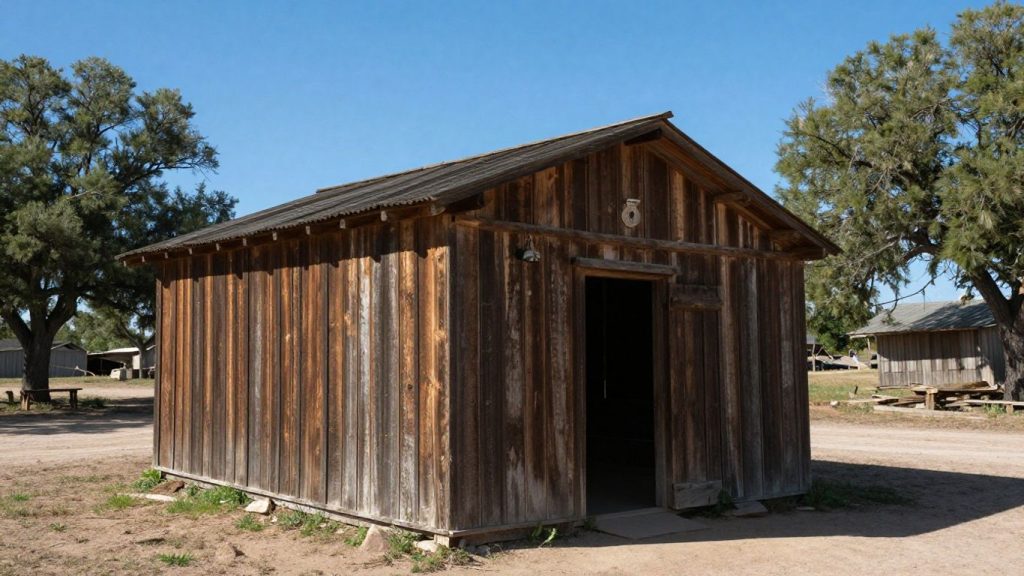
Ever wonder about those old trading posts? They were pretty important places back in the day, connecting people and goods. This article looks at how the trading post trading post idea started, how it changed over time, and what it looks like today. We’ll see how these spots shaped history and how similar ideas are still around, even with all our modern tech. It’s a look at how simple trade can have a big impact.
Key Takeaways
- The idea of the trading post trading post goes way back, starting with simple swapping of goods before more organized places popped up.
- Trading posts began as hubs for things like fur trading but grew into general stores serving many needs.
- These trading posts played a big part in settlers moving into new areas and setting up communities.
- Today, the spirit of the trading post trading post lives on in modern shops and online stores, focusing on specific items or community connection.
- The economic effect of trading posts, both old and new, is clear in local areas and how goods move around.
The Genesis Of The Trading Post Trading Post
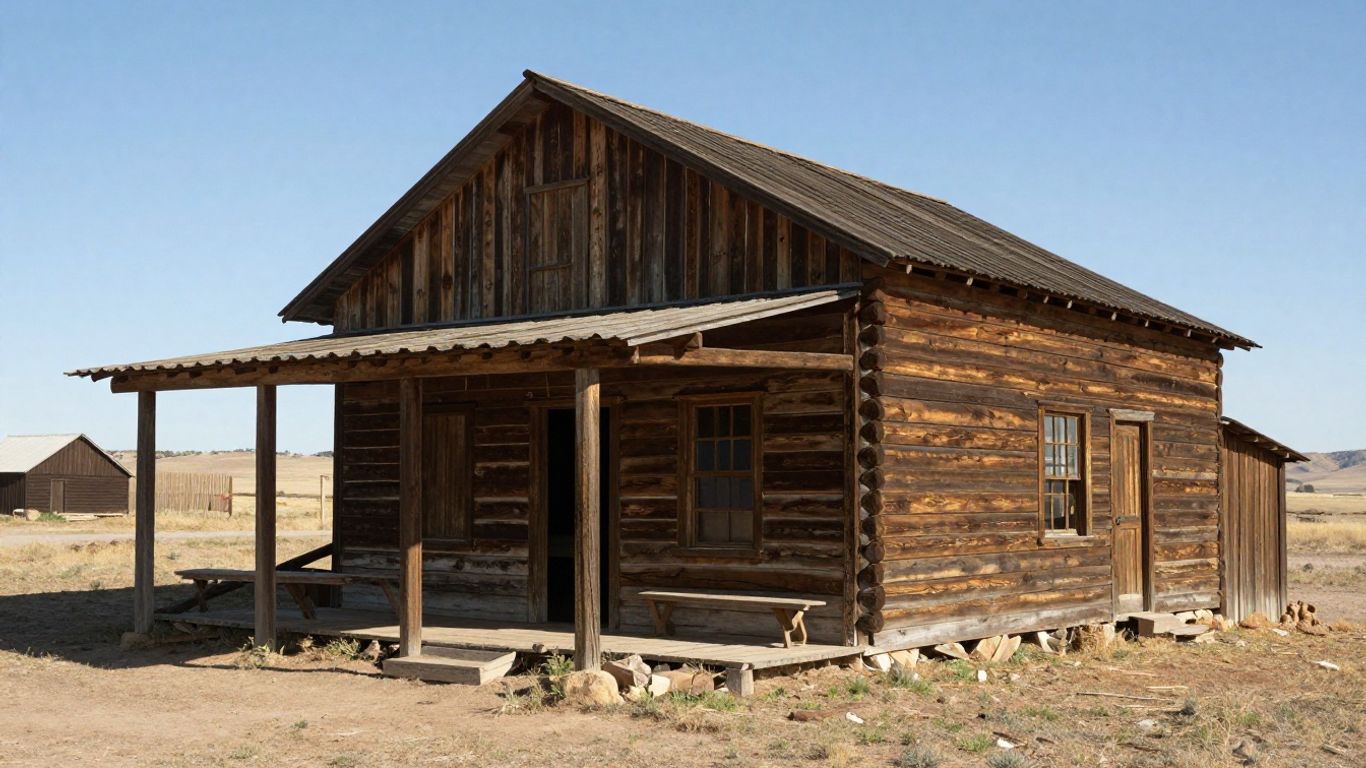
Before there were shops on every corner, people traded goods directly. This was the earliest form of commerce, where you’d swap your extra eggs for your neighbor’s surplus potatoes. It was simple, direct, and worked for small communities.
Early Barter Systems
Bartering is as old as human interaction. Imagine a farmer with too much grain and a hunter with extra hides. They’d meet and agree on a trade. This direct exchange of goods and services, without money, formed the bedrock of early economies. It required trust and a clear understanding of what each item was worth to both parties.
The Rise Of Formalized Trading Posts
As communities grew and trade routes developed, simple bartering became less practical. People needed a more organized way to exchange goods, especially over longer distances. This is where the idea of a trading post started to take shape. These weren’t just random meeting spots; they were often established locations where traders could bring their goods and find buyers or other goods to trade for. Think of it as an early marketplace, but often with a more permanent structure and a central figure managing the exchanges.
Key Figures In Trading Post History
While many individuals played a role, some names stand out. Early explorers and merchants often set up these posts to facilitate trade with local populations. Figures like the Hudson’s Bay Company’s early factors were instrumental in establishing vast networks of trading posts across North America. These individuals weren’t just traders; they were often diplomats, negotiators, and administrators, managing complex relationships and vast inventories.
The establishment of these early trading posts was often driven by the pursuit of valuable resources, like furs, which were highly sought after in Europe. These posts became vital hubs, connecting distant markets and shaping the economic landscape of new territories.
Evolution Of The Trading Post Trading Post Model
From Fur Trade Hubs To General Stores
Trading posts started out as pretty specific places. Think back to the days of the fur trade. These spots were all about exchanging pelts for goods that trappers and settlers couldn’t easily get themselves. It wasn’t like popping down to a supermarket; these were often remote outposts. Over time, as settlements grew and the economy diversified, these trading posts started stocking a wider variety of items. They became more like the general stores we might recognize today, selling everything from tools and clothing to food and household supplies. This shift marked a significant change from specialized trade to broader community service.
Technological Advancements Impacting Trade
Technology has always played a role, even if it wasn’t always obvious. In the early days, better transportation like steamboats or railroads meant goods could reach trading posts faster and in larger quantities. This allowed them to carry more stock and serve more people. Later on, things like the telegraph and eventually the telephone made communication much quicker. This helped with ordering supplies and keeping track of inventory. More recently, the internet and e-commerce have completely changed the game. While some traditional posts might struggle, others have adapted by setting up online shops or using digital tools to manage their businesses.
Geographical Spread And Adaptation
Trading posts popped up wherever people were settling and needed to trade. You’d find them along rivers, near mines, and on the edges of expanding territories. Each location presented its own set of challenges and opportunities. A post in a cold, northern climate might focus on winter gear and preserved foods, while one in a warmer, agricultural area might deal more in farming equipment and local produce. This adaptability is key to why the trading post model, in its various forms, has lasted so long. They learned to serve the specific needs of the people around them.
The ability of trading posts to change what they offered based on who was nearby and what they needed is a big reason they stuck around for so long. It wasn’t just about selling stuff; it was about being a central point for the community’s needs.
The Trading Post Trading Post In Colonial Expansion
Facilitating Settlement and Commerce
Colonial expansion wouldn’t have gotten very far without places to trade. Think about it: settlers arriving in a new land needed supplies, tools, and often, a way to get rid of whatever they produced. Trading posts were the answer. They acted as hubs, connecting the newcomers with existing resources and trade networks. These outposts were the lifeblood of early colonial economies, making survival and growth possible. They weren’t just shops; they were vital points of contact.
Here’s a look at what they provided:
- Essential Goods: Tools for farming, building materials, basic foodstuffs, and clothing.
- Trade Goods: A place to exchange local products (like furs, timber, or agricultural surplus) for manufactured items from back home or other regions.
- Information Exchange: News from the homeland, updates on local conditions, and knowledge about the surrounding territories.
Interactions With Indigenous Communities
It’s impossible to talk about colonial expansion without talking about the people already living there. Trading posts played a big role in how colonists and Indigenous communities interacted. At first, it was often a mutually beneficial arrangement. Indigenous peoples had goods and knowledge that colonists desperately needed, and vice versa. However, this relationship wasn’t always equal and could become complicated.
The dynamics between colonists and Indigenous peoples at trading posts were complex, shifting over time from initial cooperation to increasing tension as colonial ambitions grew.
Key aspects of these interactions included:
- Barter and Exchange: Trading tools, weapons, and textiles for furs, hides, and local crafts.
- Cultural Exchange: Sharing of knowledge about the land, survival techniques, and sometimes, customs.
- Shifting Power Balances: As colonial populations grew and their demands increased, the terms of trade often changed, sometimes to the detriment of Indigenous groups.
Economic Drivers Of Colonial Trade
What made these trading posts so important economically? Several things. For the colonial powers, they were a way to extract resources and establish economic control. For the settlers, they were a lifeline. And for merchants and investors back home, they represented a chance for profit.
| Item Traded | Typical Colonial Source | Typical Indigenous Source | Primary Use/Value |
|---|---|---|---|
| Furs (Beaver, Fox) | N/A | Hunting | Pelts for clothing, hats |
| Tools (Axes, Knives) | Europe | N/A | Farming, building, defense |
| Textiles (Cloth) | Europe | N/A | Clothing, blankets |
| Beads | Europe | N/A | Decoration, trade item |
| Foodstuffs (Salt) | Europe/Coastal | N/A | Preservation, seasoning |
These posts fueled the colonial economy by creating demand for goods from Europe and providing valuable commodities that could be sent back, generating wealth and encouraging further settlement and exploration.
Modern Manifestations Of The Trading Post Trading Post
It’s funny how some old ideas just keep popping up, right? The trading post concept, which feels so historical, is actually alive and kicking today, just in different forms. We’re not talking about dusty forts anymore, but you can see the spirit of it everywhere.
Contemporary Retail And E-commerce
Think about your favorite local shop that sells handmade goods or artisanal foods. That’s a trading post, in a way. They bring together producers and buyers, often focusing on unique items you won’t find in big box stores. And online? Websites that connect crafters directly with customers are basically digital trading posts. It’s all about making it easier for people to find and buy interesting things. The core idea of a central place for exchange is still super relevant. It’s amazing how these platforms can support small businesses and give them a wider reach than they’d ever have on their own. It’s a bit like how the original trading posts acted as central points for commerce between diverse groups, especially where indigenous peoples and European colonists engaged in exchange, but now it’s global and instant [4d09].
Specialty And Niche Trading Post Concepts
Beyond general stores and online marketplaces, there are some really cool, specialized trading posts popping up. We’ve got places that focus just on vintage clothing, others that deal exclusively in rare books, and even some that are all about locally sourced produce. These places thrive because they cater to specific interests and build communities around them. It’s not just about buying and selling; it’s about shared passions.
Here’s a quick look at some types:
- Artisan Food Hubs: Local farmers and bakers selling directly to consumers.
- Vintage Collectibles Markets: Dedicated spaces for antique furniture, records, and memorabilia.
- Craft & Maker Spaces: Shops that not only sell handmade items but also offer workshops.
The Role Of Community In Modern Trade
What’s really interesting is how much community matters in these modern trading posts. Whether it’s a physical store organizing local events or an online forum where members share tips and recommendations, these places are building connections. People want to feel part of something, and these trading posts provide that. It’s a return to a more personal way of doing business, which is pretty refreshing.
The success of many modern trading post models hinges on their ability to cultivate a sense of belonging. This goes beyond simple transactions, creating loyal customer bases who feel invested in the venture’s story and its impact on the local area or a specific interest group.
Economic Significance Of The Trading Post Trading Post
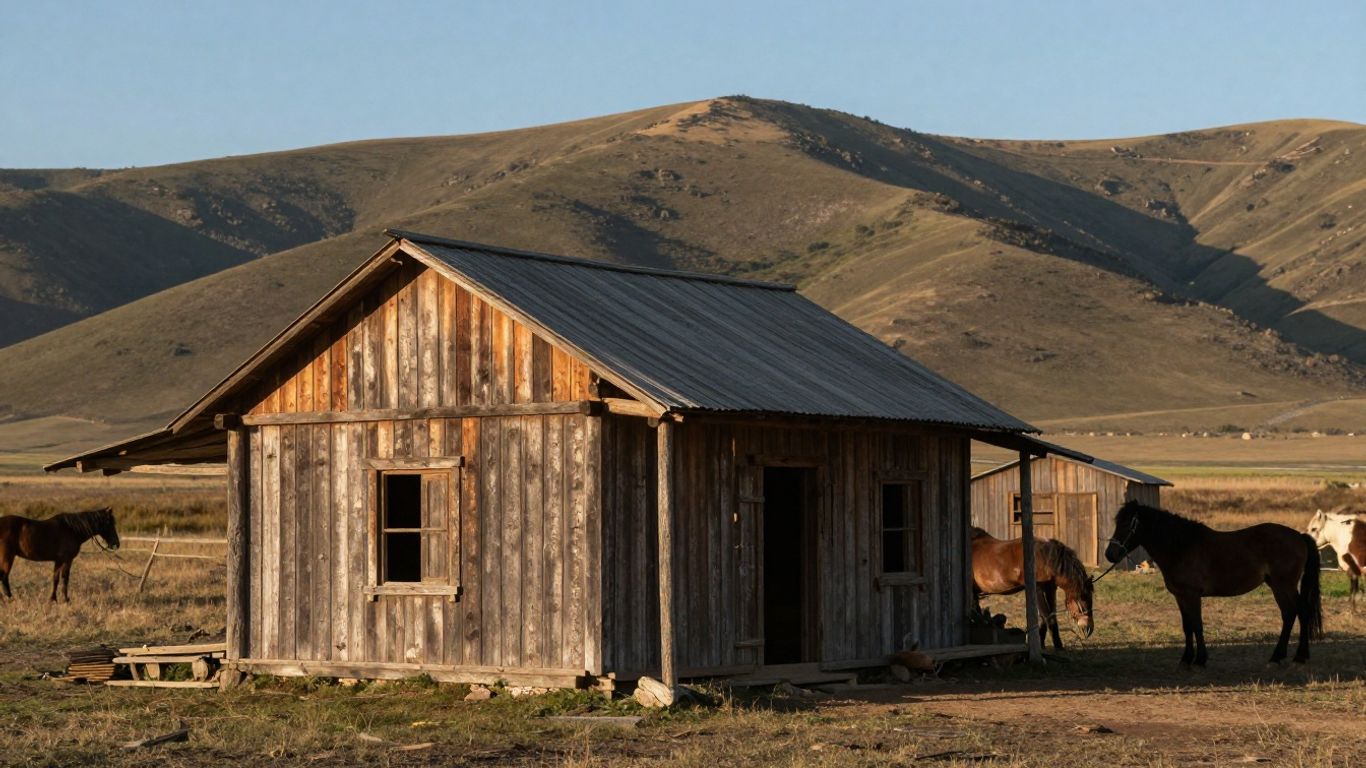
Trading posts, in their many forms, have always been more than just places to swap goods. They’re economic engines, plain and simple. Think about it: they connect producers with consumers, often in places where other businesses just can’t reach. This ability to bridge gaps is what makes them so important to local economies.
Impact On Local Economies
Local trading posts act as hubs. They create jobs, not just for the people running the shop, but also for suppliers, delivery folks, and even local artisans who sell their wares there. When a trading post does well, the money tends to circulate within the community. It’s not just about the big chains; these smaller, often more personal, operations can really make a difference.
Here’s a quick look at how they help:
- Job Creation: Direct employment in the trading post and indirect jobs through supply chains.
- Local Sourcing: Encouraging the purchase of goods made nearby, keeping money local.
- Community Services: Often providing services or goods that aren’t available elsewhere, making life easier for residents.
- Tax Revenue: Contributing to local government funds through business taxes and employee income taxes.
Supply Chain Dynamics
Trading posts play a unique role in how goods move from where they’re made to where they’re needed. Especially in more remote areas, they can be the primary link. They might buy in bulk from larger distributors or directly from small producers, then break it down for individual sales. This makes getting everyday items possible for people who might otherwise have to travel long distances.
Consider this simplified flow:
| Stage | Example Activity |
|---|---|
| Production | Farmer grows vegetables, artisan crafts pottery. |
| Aggregation | Trading post buys from multiple local producers. |
| Distribution | Trading post sells goods to individual customers. |
| Consumption | Community members purchase and use the goods. |
Investment And Growth Opportunities
For entrepreneurs, a trading post can be a solid business venture, especially if it fills a specific need in a community. The initial investment might vary, but the potential for steady income is there, particularly if the business adapts to what people actually want and need. It’s about understanding the local market and being a reliable source.
Starting or expanding a trading post often requires a good understanding of local demand. It’s not just about stocking shelves; it’s about knowing what your neighbors will buy and making sure it’s available when they need it. This direct connection to the customer base is a big advantage over larger, more impersonal businesses.
Challenges And Opportunities For The Trading Post Trading Post
So, running a trading post these days, even with all the modern tech, isn’t exactly a walk in the park. There are definitely some hurdles to jump over, but also some pretty cool chances to grow.
Navigating Market Competition
Let’s be real, you’re not the only game in town anymore. Big box stores and online giants are everywhere, making it tough for smaller, specialized places to stand out. People can get almost anything with a few clicks, so a physical trading post has to offer something more. It’s about creating an experience, not just selling stuff. Finding that unique angle is key to survival.
Adapting To Consumer Trends
What people want changes, like, all the time. One minute it’s all about handmade crafts, the next it’s sustainable goods. Keeping up means being flexible. You can’t just stock the same old things year after year. It requires paying attention to what’s happening, talking to customers, and being willing to switch things up.
Here’s a quick look at how trends can shift:
- 2024: Focus on artisanal foods and local produce.
- 2025: Rise in demand for eco-friendly home goods.
- 2026: Increased interest in vintage and upcycled items.
Leveraging Digital Platforms
This is where the opportunities really shine. Even if you’re a brick-and-mortar place, having an online presence is a must. Think about:
- Online Storefront: Selling your goods beyond your local area.
- Social Media: Connecting with customers, showing off new arrivals, and running promotions.
- Email Lists: Keeping your regulars informed about sales and events.
The digital world can seem intimidating, but it’s really just another tool. It helps you reach more people and build a stronger community around your business, even if they can’t visit in person every day. It’s about making your trading post accessible in new ways.
It’s a balancing act, for sure. You need to hold onto that traditional trading post feel – that sense of community and unique finds – while also embracing the new ways people shop and connect. It’s not easy, but the places that figure it out are the ones that will stick around.
Wrapping Things Up
So, we’ve looked at how trading posts started, way back when, and how they’ve changed over time. It’s pretty wild to think about how these places, which were once just spots for swapping goods, have turned into the online marketplaces we use every day. From fur traders to your favorite online store, the basic idea of exchange is still there. It just goes to show that even simple ideas can stick around and adapt. It’s been a long journey, and it’s clear that trading posts, in whatever form they take, are still a big part of how we get things done.
Frequently Asked Questions
What exactly was a trading post a long time ago?
Think of an old trading post as a special shop or meeting spot where people, especially in new or wild places, could swap goods. Instead of using money, they’d trade things like furs for tools, food, or cloth. It was a key way to get what you needed when there weren’t many regular stores around.
How did trading posts help people settle in new areas?
Trading posts were super important for settlers. They provided essential supplies like seeds, tools, and sometimes even food. They also acted as centers for the community, where people could gather, share news, and conduct business, making it easier to build a life in unfamiliar territory.
Did trading posts only deal with fur?
While fur trading was a huge part of what many historical trading posts did, they often traded much more. They’d offer all sorts of goods needed for daily life, from farming equipment and cooking pots to clothing and weapons. It was like a general store for the frontier.
Are there still places like trading posts today?
Yes, in a way! While we don’t call them ‘trading posts’ as much, many modern stores, especially those in rural areas or that focus on specific hobbies like outdoor gear or crafts, act similarly. Online marketplaces also let people trade goods, though it’s all done with money now.
How did trading posts affect the Native American tribes?
Trading posts had a big impact. Tribes often traded valuable furs and other items for European goods like metal tools, guns, and cloth. This changed their way of life and economies, sometimes leading to both benefits and challenges for their communities.
What makes a modern business feel like a trading post?
A modern business can feel like a trading post if it focuses on bringing people together for a common purpose, like sharing or selling unique items. Think of farmers’ markets, craft fairs, or even online groups where people swap or sell handmade goods. It’s about community and exchanging value.