
Thinking about getting into the stock market but feel like you’re speaking a different language? You’re not alone. Learning about trading can seem overwhelming at first, with all the charts, terms, and strategies. This guide is designed to break it all down, making the world of trading accessible for anyone who wants to learn. We’ll cover the basics, help you understand how to look at the markets, and even touch on how to manage your money when you start making trades. It’s all about making informed decisions, whether the market is going up or down. So, let’s get started with trading for dummies.
Key Takeaways
- Understand the basic building blocks of trading, like markets, exchanges, and what a brokerage is.
- Learn how to read charts and trends to make smarter decisions about buying and selling.
- Develop a trading plan that fits your comfort level with risk and your personal style.
- Figure out how to trade when the market isn’t doing so well, like during downturns or recessions.
- Get a handle on managing your money wisely, including setting limits to protect your investments.
Understanding The Basics Of Trading For Dummies
Navigating Stock Markets, Exchanges, and Brokerages
So, you want to get into trading, huh? It can seem like a big, confusing world at first, but let’s break it down. Think of the stock market as a giant marketplace where people buy and sell tiny pieces of companies, called stocks. These companies are listed on specific exchanges, like the New York Stock Exchange (NYSE) or Nasdaq. These exchanges are basically organized places where all that buying and selling happens. You can’t just walk up to the NYSE and start trading, though. You need a middleman, and that’s where a brokerage comes in. A brokerage firm, or an online broker, is like your personal shopper for stocks. They have the access to the exchanges and execute your trades for you. You open an account with them, deposit some money, and then you can start telling them what stocks you want to buy or sell. It’s pretty straightforward once you get the hang of it. Choosing the right broker is important, though; some are better for beginners, some have lower fees, and some offer more research tools. It’s worth doing a little homework to find one that fits your style.
Decoding Fundamental Analysis and Analyst Price Targets
When you’re looking at a company to potentially trade, you’ll hear a lot about "fundamental analysis." What does that even mean? Basically, it’s looking at the health and value of the company itself. Are they making money? Are their sales growing? Do they have a lot of debt? You’re digging into their financial reports, looking at things like earnings per share, revenue, and profit margins. It’s like checking a car’s engine and mileage before you buy it. Analysts, who are like financial detectives, often put out "price targets." This is their best guess about where a stock price might go in the future, based on their analysis. It’s important to remember these are just educated guesses, not guarantees. They can be helpful, but you shouldn’t base your entire trading decision on them alone. Think of them as another piece of information in your puzzle.
Essential Trading Terminology for Beginners
Alright, let’s get some of the lingo down. You’ll hear these terms a lot, so it’s good to know what they mean:
- Bull Market: This is when stock prices are generally going up over a period of time. People are optimistic, and confidence is high.
- Bear Market: The opposite of a bull market. Prices are generally falling, and people are feeling a bit more cautious or pessimistic.
- Bid and Ask: When you want to buy a stock, you’ll see the "bid" price (what buyers are willing to pay) and the "ask" price (what sellers are asking for). The difference is called the spread.
- Volume: This is the number of shares of a stock that have been traded during a specific period. High volume can mean a stock is getting a lot of attention.
- IPO (Initial Public Offering): This is when a private company first offers its shares to the public for sale. It’s a big deal for the company!
Understanding these basic terms is like learning the alphabet before you can read a book. It makes everything else much easier to grasp.
Getting started with trading can feel like a lot, but taking it step-by-step makes it manageable. You’ll learn more as you go, and that’s part of the journey. If you’re interested in very short-term trading, you might want to look into day trading strategies to see if that’s something that appeals to you.
Mastering Market Analysis For Dummies
Okay, so you want to trade stocks, but looking at all those charts and numbers feels like trying to read a foreign language? Don’t sweat it. Understanding how the market moves is like learning to read the weather. You won’t be a meteorologist overnight, but you can definitely learn to spot a storm coming or a sunny day ahead.
Reading Charts and Trends for Smarter Decisions
Charts are basically a visual diary of a stock’s price over time. Think of a line graph you might have seen in school, but instead of your grades, it shows how much a stock cost. The most common type is a candlestick chart. Each ‘candlestick’ shows the stock’s price range for a specific period (like a day or an hour) – its opening price, closing price, the highest it went, and the lowest it dropped. When you put a bunch of these together, you start to see patterns, or trends. Are prices generally going up (an uptrend)? Or are they heading down (a downtrend)? Spotting these trends helps you guess where the price might go next.
Identifying Key Indicators and Market Trends
Beyond just looking at the price line, traders use ‘indicators’. These are mathematical calculations based on a stock’s price and volume (how many shares were traded). They’re like little warning lights or helpful nudges that can give you more info. Some popular ones include:
- Moving Averages: These smooth out price data to show the average price over a set period. When a stock’s price crosses its moving average, it can signal a change in trend.
- Relative Strength Index (RSI): This indicator measures the speed and change of price movements. It helps traders figure out if a stock is being bought too much (overbought) or sold too much (oversold).
- Volume: This is simply the number of shares traded. High volume during a price move often means that move is more significant.
These indicators, combined with trend analysis, help paint a clearer picture of market sentiment.
Utilizing Tools to Create Your Own Charts
Good news! You don’t need to be a math whiz to create your own charts. Most online trading platforms and financial websites offer free charting tools. You can usually select the type of chart you want, the time frame (daily, weekly, monthly), and even overlay different indicators. It’s like having a digital whiteboard where you can draw your own market maps. Experimenting with these tools is key. Try looking at the same stock on different charts and with different indicators to see how it changes your perspective. The more you practice, the more intuitive chart reading becomes.
Making sense of market charts and indicators isn’t about predicting the future with 100% certainty. It’s about gathering information, looking for probabilities, and making educated guesses based on historical price action and trading volume. Think of it as gathering clues to make a more informed decision, rather than having a crystal ball.
Developing Your Trading Strategy For Dummies
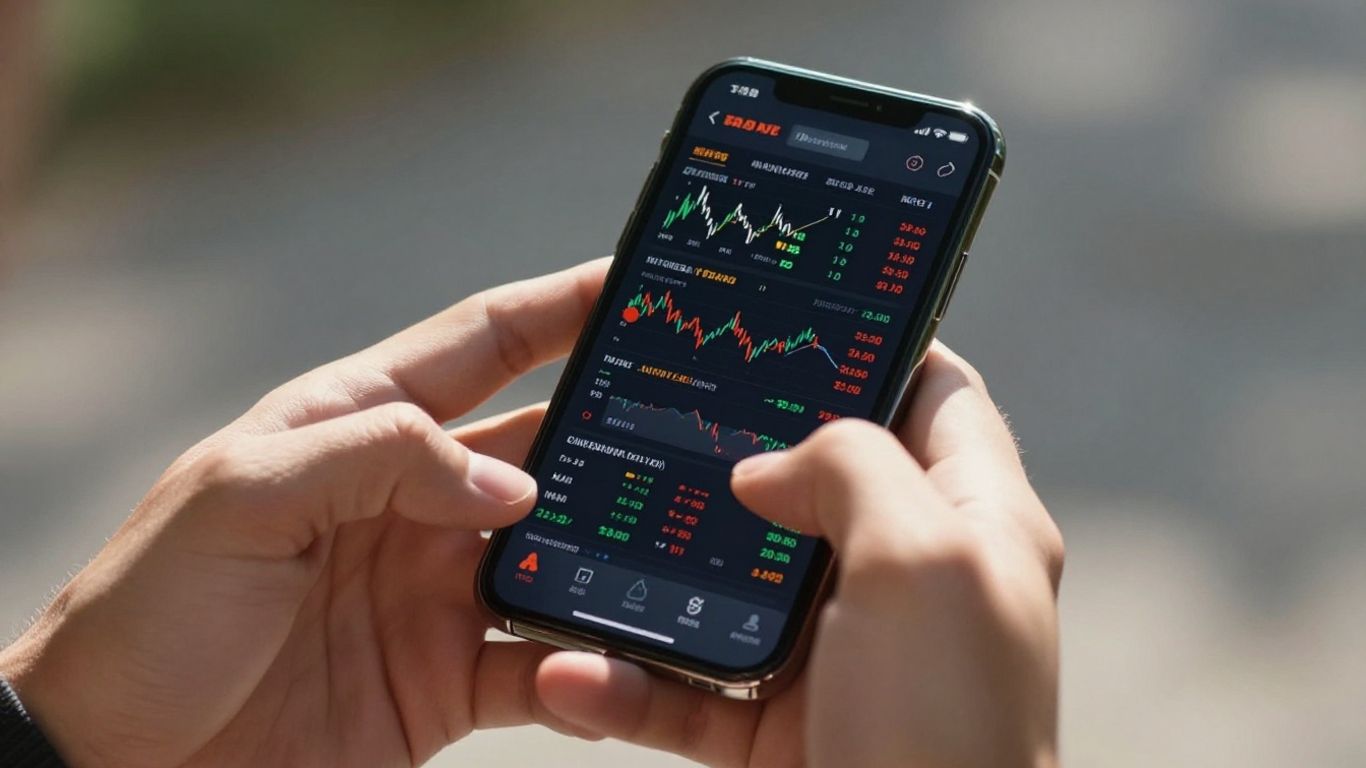
Alright, so you’ve got a handle on the basics, you’re starting to read charts, and maybe you even know what a ‘bull’ and ‘bear’ market are. That’s awesome! But now comes the really important part: figuring out your plan. You can’t just jump into trading without a strategy, otherwise, you’re basically just guessing, and that’s a fast way to lose money. Think of it like building a house; you wouldn’t just start hammering nails without blueprints, right? Your trading strategy is your blueprint for the market.
Building a Trading System Aligned with Your Risk Tolerance
First things first, you need to be honest with yourself about how much risk you can stomach. Are you the type who freaks out if your account drops a few bucks, or can you ride out the bumps? This is your risk tolerance, and it’s super important. If you’re new to this, it’s probably best to start with a lower risk tolerance. You can always ramp it up later as you get more comfortable. Your strategy needs to match this. For example, if you’re super risk-averse, you might want to focus on slower-moving assets or longer-term trades. If you’re okay with more risk, you might explore quicker trades, but you absolutely need to know how to manage those potential losses.
Here’s a quick way to think about it:
- Low Risk Tolerance: Focus on stable companies, maybe dividend stocks, or ETFs that spread your risk. Trades might be longer-term.
- Medium Risk Tolerance: You’re okay with some ups and downs. You might look at growth stocks or sector-specific ETFs. Shorter-term trades become more of an option.
- High Risk Tolerance: You’re ready for volatility. This could involve more aggressive stocks, options, or even some of the more speculative markets. Shorter timeframes are common here.
Remember, there’s no shame in starting small and slow. The goal is to build a system that you can stick with, not one that makes you lose sleep at night. Consistency is key in trading.
Exploring Short- and Medium-Term Trading Methods
Once you know your risk level, you can start looking at different timeframes for your trades. Day trading, which we’ll touch on more later, is super short-term. But there are other options too. Medium-term trading, for instance, might involve holding a stock for a few days, weeks, or even months. This often gives you a bit more breathing room than day trading and can sometimes be less stressful. You’re not glued to the screen every second. You’re looking for trends that play out over a slightly longer period. Some popular methods include swing trading, where you try to capture ‘swings’ in price, or position trading, which is even longer-term, focusing on major market trends. Picking the right method depends on your personality, how much time you have, and, of course, your risk tolerance. You can find some beginner-friendly trading strategies here.
Profiting from Calculated Risks
Trading is all about taking risks, but the key word here is ‘calculated’. You’re not just throwing money at random stocks. You’re making educated guesses based on your analysis and your strategy. This means setting clear rules for when you’ll buy and, just as importantly, when you’ll sell. This includes setting stop-loss orders to limit how much you can lose on any single trade and profit targets to lock in gains. It’s about managing the odds in your favor. You won’t win every trade, and that’s okay. Successful traders understand that losses are part of the game, but they make sure those losses are small and controlled, while their winning trades are allowed to run.
Trading In Different Market Conditions For Dummies
Trading Successfully in Downward Market Trends
When the market is heading south, it can feel like a good time to just sit on the sidelines. But smart traders know that even in a downturn, there are ways to make money. It’s all about adjusting your approach. Instead of looking for stocks that are going up, you might consider strategies like short-selling, where you borrow shares and sell them, hoping to buy them back later at a lower price. This might sound a bit backward, but it’s a common tactic when prices are falling. You also want to pay close attention to companies that are considered defensive, meaning they tend to do okay even when the economy isn’t great, like utility or consumer staples companies.
- Short Selling: Borrowing shares to sell them, with the hope of buying them back cheaper.
- Defensive Stocks: Companies in sectors like utilities or food that people still need, regardless of the economy.
- Inverse ETFs: These funds are designed to move in the opposite direction of a specific index.
It’s easy to get spooked when the market dips. But remember, every market cycle has its opportunities. The key is to stay informed and be ready to adapt your strategy. Don’t let fear dictate your decisions; let your plan guide you.
Navigating Recessions and Volatile Markets
Recessions and periods of high volatility can be pretty nerve-wracking for traders. Prices can swing wildly, and it feels like anything can happen. During these times, sticking to a solid plan is more important than ever. You might want to reduce the amount of money you’re trading with, or focus on assets that are seen as safer, like gold or certain government bonds. It’s also a good idea to keep your trades shorter-term to avoid getting caught in big, unexpected moves. Think about it like driving in a storm – you slow down, pay extra attention, and avoid unnecessary risks.
Here’s a quick look at what to consider:
| Asset Type | Behavior in Volatility | Strategy Focus |
|---|---|---|
| Gold | Often rises | Safe-haven asset |
| Government Bonds | Often rise | Lower risk, stable income |
| Volatile Stocks | High price swings | Short-term trading, risk management |
| Cash | Stable value | Liquidity, waiting for opportunities |
Riding the Waves of Changing Market Tides
Markets are always changing, like the tide coming in and out. What worked last month might not work today. Being a good trader means being flexible. You need to be able to spot when the market sentiment is shifting – is it becoming more optimistic or pessimistic? This often involves looking at news, economic reports, and how different sectors are performing. Being able to pivot your strategy based on these shifts is what separates a struggling trader from a successful one. For example, if a sector that was booming starts to falter, you might want to reduce your exposure to it and look for new opportunities elsewhere. It’s a constant process of observation and adjustment.
Expanding Your Trading Portfolio For Dummies

So, you’ve got a handle on the basics and maybe even some stocks you like. That’s great! But the market is way bigger than just individual company shares. To really build a solid trading plan, you’ll want to look at other types of investments too. It’s like adding different tools to your toolbox; the more you have, the more jobs you can tackle.
Profiting from ETFs, Bonds, and Commodities
Think of Exchange Traded Funds (ETFs) as baskets of investments. Instead of buying one stock, you can buy an ETF that holds many stocks, or even bonds or commodities. This spreads out your risk automatically. For example, an ETF might track the S&P 500, giving you exposure to 500 of the biggest U.S. companies with just one purchase. Bonds are basically loans you make to governments or corporations, and they usually pay you back with interest. They’re often seen as less risky than stocks. Commodities are raw materials like gold, oil, or wheat. Prices for these can swing based on supply and demand, and they can be a good way to diversify your holdings. Learning about these different assets can help you build a more balanced portfolio. You can find some good advice for Canadian investors on this topic right here.
Understanding the Nuances of Stocks
We’ve talked about stocks, but there’s more to it than just picking a company name you like. You’ve got different types of stocks, like growth stocks (companies expected to grow faster than the market) and value stocks (companies that seem undervalued by the market). Then there are dividend stocks, which pay out a portion of the company’s profits to shareholders. Each type behaves differently, especially when the market is up or down. Reading stock tables in financial news sources can give you a lot of information about a company’s performance and potential. It’s about digging a little deeper than just the company logo.
Exploring Exotic Markets Like Foreign Exchanges
Don’t limit yourself to just your home country’s stock market. There are opportunities all over the world. Trading on foreign exchanges means you’re looking at companies based in other countries. This can be exciting because you might find growth in markets that are doing better than your own. However, it also adds complexity. You have to consider currency exchange rates (how your money compares to theirs), different trading hours, and even political stability in those regions. It’s a bigger step, but for some traders, it opens up a whole new world of possibilities.
Diversifying your investments across different asset classes and geographic regions is a smart move. It helps reduce the overall risk in your portfolio. If one area of the market is struggling, another might be doing well, helping to smooth out your returns over time.
Day Trading Essentials For Dummies
Understanding the Risks and Rewards of Day Trading
Day trading is like a sprint, not a marathon. You’re in and out of the market within the same day, trying to catch small price movements. It sounds exciting, and it can be, but it’s also got its own set of challenges. The biggest reward is the potential for quick profits, but the biggest risk is losing your money just as fast. It’s not for everyone, and honestly, it’s probably not for most people. You need a certain personality – someone who can handle the ups and downs without getting too emotional. It’s a job, not a game, and it requires a lot of focus.
Here’s a quick look at what you’re getting into:
- Potential for Quick Gains: If you make the right calls, you can see profits in a single day.
- High Risk of Loss: Just as quickly, you can lose money if the market moves against you.
- Requires Constant Attention: You can’t just set it and forget it; you need to watch the market closely.
- Emotional Rollercoaster: Dealing with rapid wins and losses can be tough on your nerves.
Day trading isn’t about picking long-term winners; it’s about reacting to short-term price swings. You’re essentially betting on small, immediate price changes, and that requires a different mindset than traditional investing.
Developing a Disciplined Day Trading Plan
Okay, so you’re thinking about giving day trading a shot. That’s cool, but you absolutely need a plan. Without one, you’re just guessing, and that’s a fast way to drain your trading account. Think of it like building a business – you need rules, goals, and a way to track your progress. This plan should cover how much money you’re willing to trade with, what kinds of trades you’ll make, and when you’ll stop trading for the day, win or lose.
Here are some key parts of a solid day trading plan:
- Money Management: Decide exactly how much capital you’re going to use for day trading. Never trade with money you can’t afford to lose. This is super important.
- Entry and Exit Rules: Define the specific conditions under which you’ll buy a stock and, more importantly, when you’ll sell it, whether it’s for a profit or to cut a loss.
- Risk Tolerance: Understand how much risk you’re comfortable with on any single trade. A common rule is to risk only a small percentage of your total trading capital per trade.
- Trading Schedule: Set specific hours when you will trade. Markets can be volatile, and sticking to a schedule helps prevent impulsive decisions.
Minimizing Losses and Maximizing Profit Potential
Making money is the goal, obviously, but keeping your losses small is just as critical, if not more so. If you let losses get too big, they can wipe out all your previous gains and then some. That’s where stop-loss orders come in handy. They’re like an automatic exit that kicks in if a trade goes against you by a certain amount. On the flip side, you also need to know when to take your profits. Don’t get greedy; lock in those gains when your target is hit.
Here’s a breakdown of how to manage this:
- Use Stop-Loss Orders: These are non-negotiable. Set them before you even enter a trade to limit how much you can lose on any single position.
- Set Profit Targets: Just like stop-losses, have a clear idea of when you’ll sell to take your profits. Don’t let a winning trade turn into a loser because you held on too long.
- Keep Records: Track every trade you make. What went right? What went wrong? This helps you learn and refine your strategy over time. It’s not just about the money you make, but also about understanding your performance.
| Trade Type | Action |
|---|---|
| Winning Trade | Sell at profit target |
| Losing Trade | Sell at stop-loss level |
| Break-Even Trade | Sell if price moves sideways for too long |
| Unexpected News | Re-evaluate trade based on new information |
Remember, day trading is a serious business. It takes preparation, discipline, and a clear head. It’s not a get-rich-quick scheme, but with the right approach, it can be a way to make income.
Managing Your Finances As A Trader For Dummies
Alright, so you’ve been trading, maybe making some decent money, maybe not. Either way, how you handle the cash coming in and going out is a big deal. It’s not just about picking winners; it’s about keeping what you earn and not losing it all to bad habits or, you know, the tax man.
Implementing Sound Money Management Techniques
This is where things get serious. You can have the best trading strategy in the world, but if you don’t manage your money right, you’re just playing with house money that’s destined to disappear. Think of it like this: you wouldn’t go into battle without a plan for your supplies, right? Trading is similar. You need to know exactly how much you’re willing to risk on any single trade. A common rule of thumb is to risk only 1-2% of your total trading capital on any one trade. This might sound small, but over time, it stops one bad trade from wiping you out.
Here are a few pointers to get you started:
- Set a Daily Loss Limit: Decide beforehand how much you’re okay with losing in a single day. Once you hit that number, step away. Seriously, just stop trading for the day. It’s tough, but it prevents you from chasing losses.
- Determine Position Size: This ties into the 1-2% rule. Figure out how many shares or contracts you can buy or sell based on your stop-loss level and your risk percentage. This isn’t just about how much money you have; it’s about how much you’re willing to lose on that specific trade.
- Keep Detailed Records: You need to know where your money is going. Track every trade, including the entry and exit points, the profit or loss, and any commissions or fees. This data is gold for figuring out what’s working and what’s not. It helps you refine your trading plan.
Managing your money isn’t about being stingy; it’s about being smart. It’s about protecting your capital so you can keep trading and hopefully keep growing your account over the long haul. Don’t let a few bad trades derail your entire trading career.
Understanding the Tax Implications of Trading Income
Okay, let’s talk taxes. This is the part nobody really wants to deal with, but ignoring it is a recipe for disaster. The money you make from trading isn’t just free cash; it’s income, and the government wants its cut. The way your trading profits are taxed can depend on a few things, like how often you trade and what kind of accounts you use. For instance, day trading income often gets treated differently than long-term investment gains. It’s a good idea to get familiar with the basics, or better yet, talk to a tax professional who understands trading.
Setting Stop-Losses and Profit Targets
These are your best friends when it comes to managing risk and locking in gains. A stop-loss order is an instruction to your broker to sell a security when it reaches a certain price. It’s your safety net, designed to limit your losses if a trade goes against you. On the flip side, a profit target is a price level at which you plan to sell to take your profits. Having these in place before you enter a trade removes a lot of the emotional decision-making that can get you into trouble. You’re essentially pre-determining your exit strategy, both for when things go wrong and when they go right. It takes the guesswork out of it and helps you stick to your plan.
Wrapping It Up
So, you’ve made it through the basics of trading. It might seem like a lot right now, with all the charts and terms, but remember, everyone starts somewhere. The key is to keep learning and practicing. Don’t jump in with your life savings right away. Start small, maybe with a paper trading account, and get a feel for how things work. Markets change, and you’ll need to keep up, but with the knowledge you’ve gained here, you’re much better prepared to handle whatever comes your way. Good luck out there!
Frequently Asked Questions
What is the difference between trading and investing?
Trading means buying and selling stocks or other assets quickly to make a profit from short-term price changes. Investing is about buying and holding assets for a long time, hoping they grow in value over the years.
How much money do I need to start trading?
You can start trading with a small amount, sometimes as little as $100, depending on the broker. However, having more money gives you more choices and helps lower the impact of fees.
Is trading risky?
Yes, trading is risky. The prices of stocks and other assets can go up or down quickly. You can lose money, especially if you don’t have a plan or don’t manage your money carefully.
What are the most important tools for new traders?
Some important tools are stock charts, news websites, and trading platforms that let you watch prices and make trades. Learning to use these tools can help you make smarter choices.
How can I avoid big losses when trading?
Set a stop-loss, which is a limit that tells you when to sell if a stock falls too much. Only use money you can afford to lose, and never risk it all on one trade.
Do I have to pay taxes on money I make from trading?
Yes, if you make money from trading, you usually have to pay taxes on your profits. The rules can be different depending on where you live, so it’s a good idea to ask a tax expert or look up the rules in your country.