Keeping a property in top shape involves more than just basic cleaning. It requires a focused approach to the bones of the building to prevent long-term decay.
Structural integrity is the backbone of any real estate investment. Regular checks on the foundation and framework help keep values high and repair bills low over the years.
Evaluating Your Current Property Condition
Start with a thorough walkthrough to spot signs of wear and tear. Look for cracks in the walls or uneven flooring that might signal deeper issues. Check the attic for any damp spots or mold that could indicate a hidden leak.
Fixed costs for owners are shifting quickly in the current market. One analysis found that non-mortgage costs like insurance and utilities jumped 30% in 2025. This increase forces many landlords to reevaluate their yearly spending plans.
Rising prices make it harder to catch up on repairs if they are delayed. Smart owners track these changes to prevent their budgets from falling behind. Proactive monitoring is a great way to stay ahead of the curve.
Modernizing Mechanical Systems
Heating and cooling systems play a huge role in the health of a building. They control moisture levels and temperature, which affect the structural materials inside. Too much humidity can lead to wood rot and metal corrosion within the walls.
Newer units do the same job with much less power. A trade article observed that upgrading to energy-efficient HVAC units can cut down energy usage by 20% to 50%. These savings add up quickly for large residential or commercial properties.
Lower energy bills mean more money available for structural repairs. Efficient systems run quieter and put less vibration through the walls. This reduction in stress helps keep the framework of the house stable.
Focusing On The Home Envelope
The outer shell of a house protects everything inside from the elements. Professional teams like Roof Troopers provide detailed inspections to catch minor damage before it spreads. This proactive stance keeps your home dry and safe through every season of the year.
Check the seals around windows and doors to prevent air leaks. Small gaps let in moisture that can rot the wooden frame. Regular caulking is a simple task that saves thousands in reconstruction costs.
Siding should be cleaned and inspected for cracks or holes. Keeping the exterior skin tight is the first step in structural preservation. Pest control starts with a solid and sealed exterior wall.
Enhancing Value With Roofing Upgrades
A solid roof is one of the most critical components for longevity. It shields the rafters and the foundation from water damage that causes rot. Without a dry top, the rest of the house will eventually crumble.
Putting money into the top of the house yields great results. A recent guide noted that roofing fixes or replacements can increase the value of a home by 15% to 40%. This boost makes a new roof a profitable upgrade.
New materials last longer and offer better protection against harsh weather. Choosing high-quality shingles or metal panels can extend the life of the entire building. Technology in roofing has improved significantly over the last 10 years.
Managing Rising Maintenance Expenses
Costs for keeping a building functional are steadily climbing across the globe. Staying ahead of these price hikes requires a strict budget and a schedule for routine checks. Consistency helps you avoid the premium prices of emergency repairs.
Labor and material prices fluctuate based on the local economy. A government update mentioned that real estate maintenance costs rose by 2.2% in the third quarter of 2025. This rise reflects the higher cost of parts and skilled labor.
Planning for these increases helps prevent sudden financial shocks. Regular savings for repairs should be a part of every property management plan. A rainy day fund for the house is just as important as one for your personal life.
Investing In Building Preservation Services
Professional preservation helps maintain the historical and physical value of older structures. Specialized care prevents the slow degradation that often affects older masonry and wood. Using the right chemicals avoids doing more harm than good to vintage bricks.
The demand for these expert services is rising as owners look to save their assets. The global market for building preservation is expected to reach $51.87 billion by 2026. This growth shows that people are valuing longevity over quick and cheap builds.
Older buildings have unique needs that modern construction might not address. Using the right techniques makes sure that the original charm and strength remain intact. Expert help is required to match old mortars and wood grains correctly.
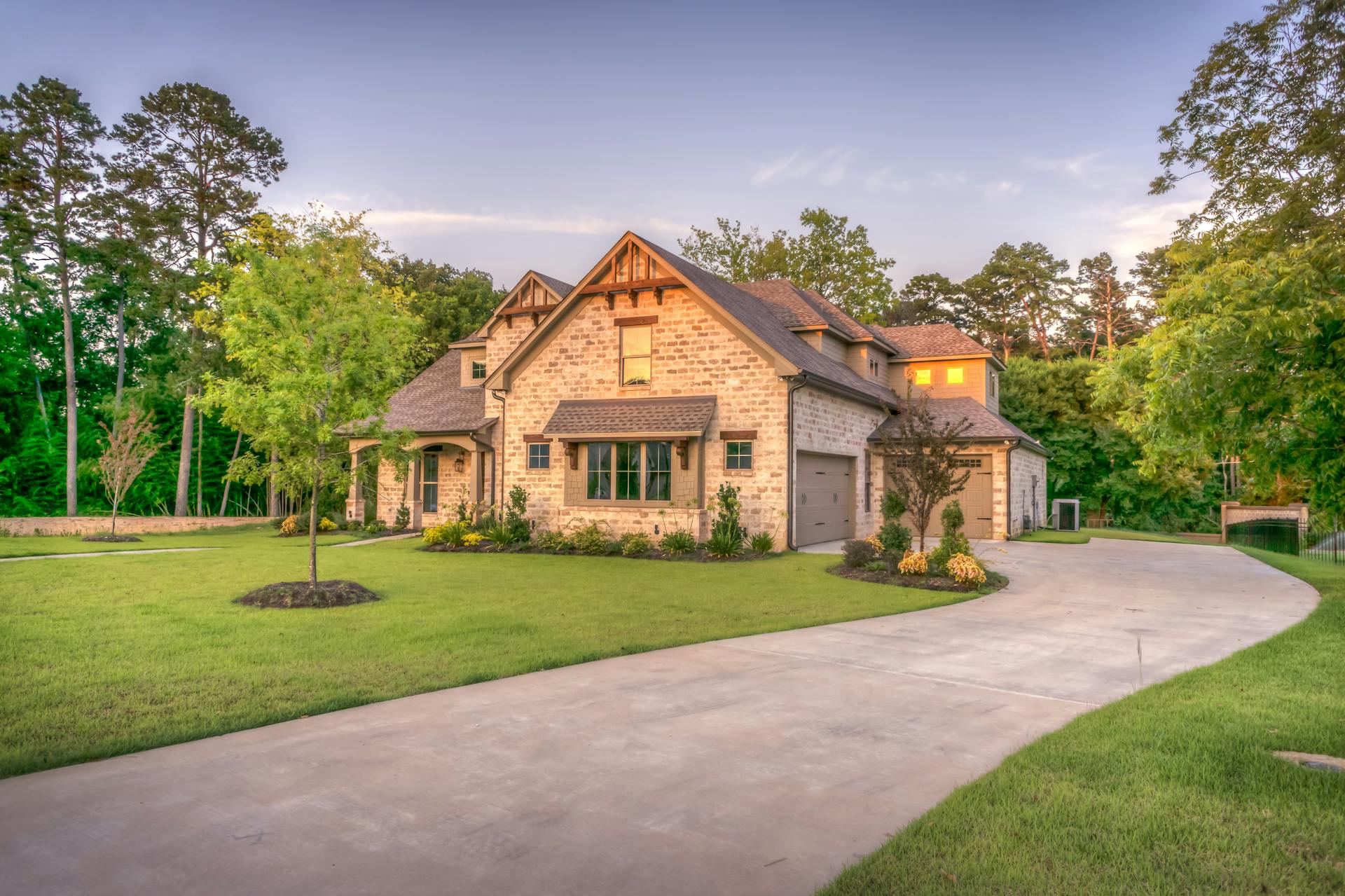
Protecting your real estate assets means thinking about the future today. Small efforts now lead to massive savings and better property health in the coming decades.
Longevity is achieved through consistency and professional help. Keep your eyes on the structure to make sure your investment stands the test of time.

A dad of 3 kids and a keen writer covering a range of topics such as Internet marketing, SEO and more! When not writing, he’s found behind a drum kit.