

Every manager wants their team to do well. But sometimes, an employee’s performance drops. Their work may be late, full of mistakes, or not at the level you expect. This can be frustrating, but it is also a chance to help someone grow.
Managing underperforming employees is not about blaming or punishing. It is about understanding the problem and giving the right support. With the right steps, many employees can improve and become strong team members again.
Let’s look at how to handle this in a smart and caring way.
First, Stay Calm and Professional
When someone is not doing well, it is easy to feel upset. But reacting with anger will not fix the problem. It can make the employee feel scared or embarrassed.
Take a deep breath and look at the situation calmly. Your goal is not to prove they are wrong. Your goal is to help them do better. A calm and respectful attitude makes it easier to have honest talks.
Find Out What Is Really Going Wrong
Poor performance can have many causes. Maybe the employee does not fully understand their tasks. Maybe they are facing problems at home. Maybe they did not get proper training.
Before making any decision, try to understand the reason. Do not guess. Talk to the employee and listen carefully. Ask simple questions like:
- What challenges are you facing in your work
- Is there anything making your tasks difficult
- Do you feel you have the right tools and support
When you understand the real problem, you can choose the right solution.
Talk in a Private One on One Meeting
Never discuss performance problems in front of others. This can make the employee feel ashamed and hurt their confidence. Always choose a private space and have a one on one meeting.
During this meeting, speak kindly and clearly. Explain what you have noticed. For example, you can say, “I’ve seen that some recent tasks were late, and I want to understand how I can help.”
Using a simple one on one meeting template can help you stay focused. It reminds you to talk about performance, challenges, goals, and support. It also helps you listen, not just talk.
These meetings should feel like a conversation, not a lecture.
Be Clear About Expectations
Sometimes employees underperform because they are confused. They may not know exactly what is expected.
After discussing the problem, clearly explain what good performance looks like. Talk about quality, deadlines, and behavior. Use simple and clear words. Ask the employee to repeat the goals in their own words to make sure they understand.
When expectations are clear, employees have a better chance to improve.
Set Small, Achievable Goals
If someone is already struggling, big goals can feel scary. Instead, break the work into small, simple steps.
For example, instead of saying “Improve your overall performance,” say “Submit your next three reports on time and double-check for errors.” Small wins build confidence. Step by step, the employee can return to good performance.
Write these goals down so both of you remember them.
Offer Support and Training
Do not just tell someone to do better. Show them how. Ask if they need extra training, better tools, or more guidance.
Maybe they need help learning a new system. Maybe they need more time to understand a process. As a manager, your job is to remove problems that stop them from doing well.
When employees see that you want to help, not punish, they try harder to improve.
Track Progress With a Clear System
It is important to follow up after your first talk. Improvement does not happen in one day. You need a clear way to track progress over time.
This is where a performance review template can help. It gives a simple structure to review work, goals, strengths, and areas that still need improvement. You can use it during follow-up meetings to see what has changed.
A clear system makes the process fair. The employee knows what is being checked and why.
Give Regular Feedback, Not Just Once
Do not wait for months to talk again. Have regular short check-ins. These can be part of your normal one on one meetings.
During these talks, share what is getting better and what still needs work. Always mention positive changes, even small ones. This shows the employee that their effort is noticed.
If something is still wrong, explain it clearly and give tips on how to fix it. Regular feedback helps employees stay on the right path.
Stay Respectful and Positive
Even if performance is low, always treat the employee with respect. Do not use harsh words or labels like “lazy” or “careless.” Talk about the work, not the person.
For example, say “This report had some missing details” instead of “You are always careless.” This keeps the talk professional and focused on improvement.
A positive tone makes it easier for the employee to accept feedback and try again.
Know When Improvement Is Happening
Watch for signs of progress. Are tasks coming on time now? Is the quality better? Is the employee asking more questions and showing more effort?
When you see improvement, say it clearly. Praise their hard work. This builds motivation and helps them keep going.
Improvement can be slow, but steady progress is a good sign.
Be Fair if Things Do Not Improve
Sometimes, even with support and clear goals, performance does not get better. In this case, you still need to be fair and follow company rules.
Use your notes, one on one meeting records, and performance review template documents to show what steps were taken. This proves that the employee was given a real chance to improve.
Even then, stay respectful. Not every role is the right fit for every person.
Build a Culture of Support, Not Fear
When managers handle underperformance in a caring and structured way, the whole team feels safer. Employees know they will be guided, not attacked, if they struggle.
This creates a culture where people ask for help early. Problems get solved faster, and overall performance improves.
Conclusion
Managing underperforming employees is not about control or blame. It is about understanding problems, setting clear goals, and giving the right support. Regular one on one meetings and tools like a performance review template help you track progress in a fair way. When employees feel heard, guided, and respected, many of them can improve and become valuable team members again.
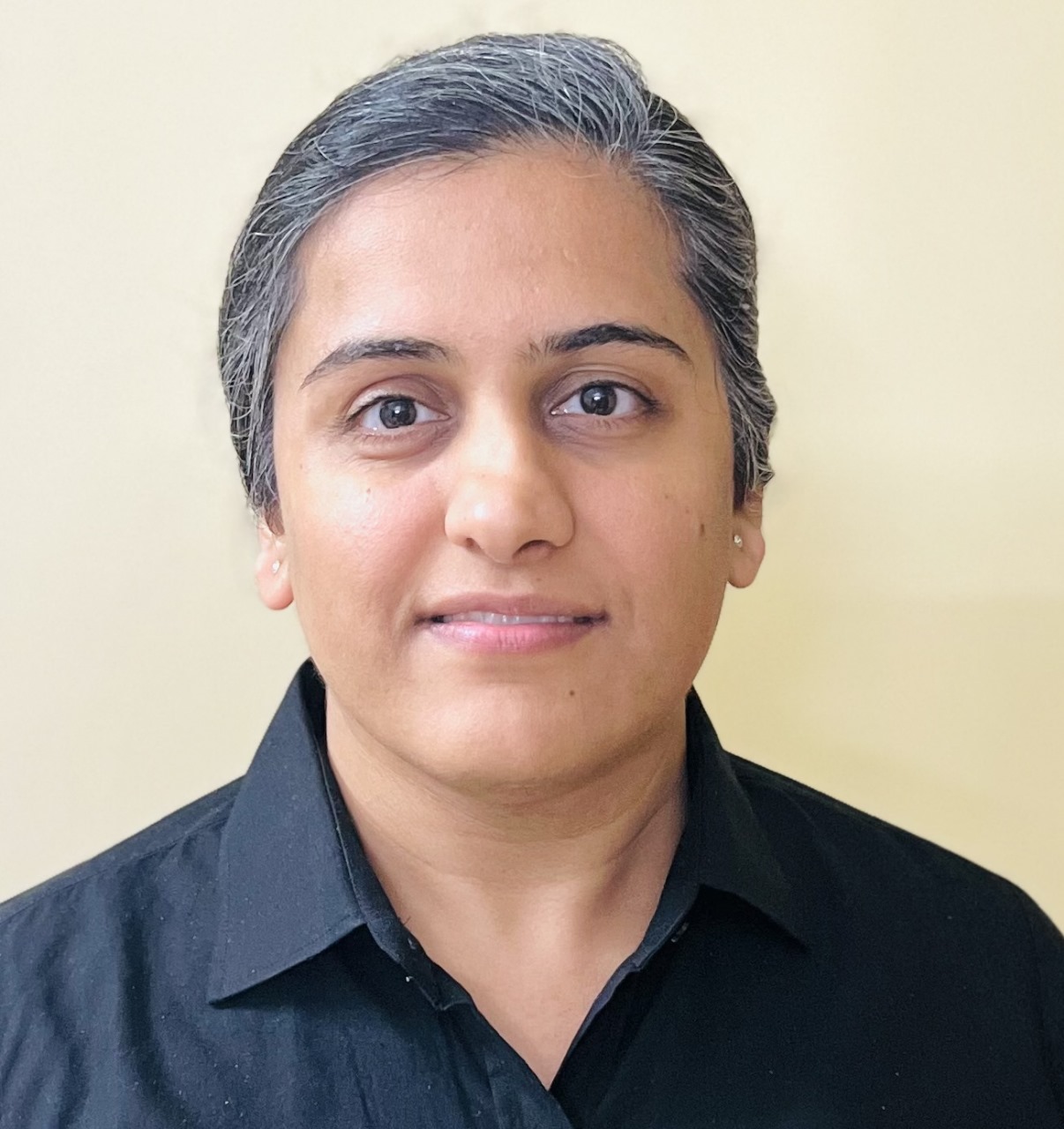
Pallavi Singal is the Vice President of Content at ztudium, where she leads innovative content strategies and oversees the development of high-impact editorial initiatives. With a strong background in digital media and a passion for storytelling, Pallavi plays a pivotal role in scaling the content operations for ztudium’s platforms, including Businessabc, Citiesabc, and IntelligentHQ, Wisdomia.ai, MStores, and many others. Her expertise spans content creation, SEO, and digital marketing, driving engagement and growth across multiple channels. Pallavi’s work is characterised by a keen insight into emerging trends in business, technologies like AI, blockchain, metaverse and others, and society, making her a trusted voice in the industry.