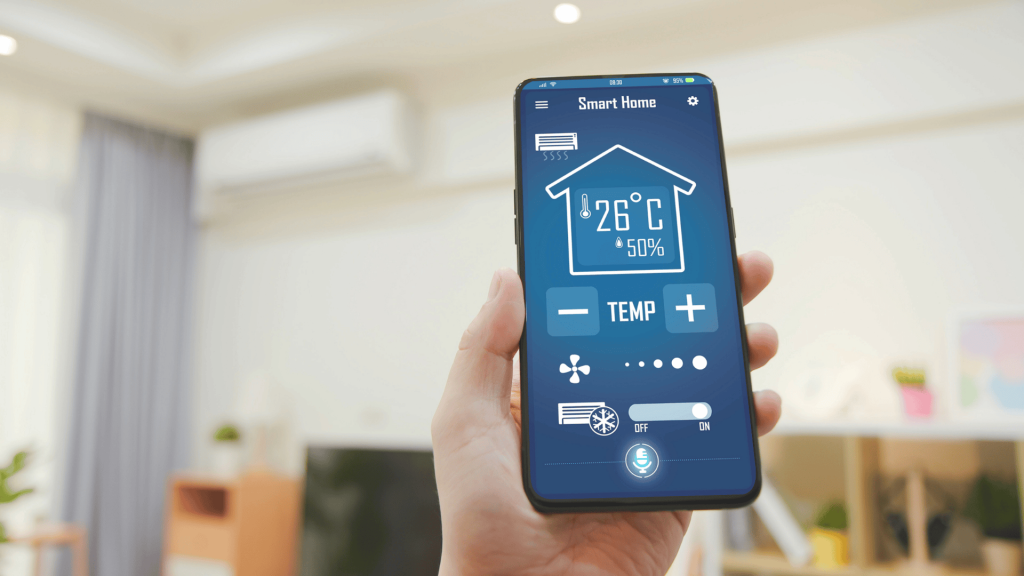
It starts innocently enough. Someone queues up a 4K movie in the living room. Upstairs, a teen is deep into an online multiplayer game with voice chat. Meanwhile, a younger sibling is binging cartoons on a tablet, and in the kitchen, someone’s streaming a podcast while checking recipes on YouTube. Sounds familiar?
Welcome to the average digital household—where the battle for bandwidth is real.
According to Statista, the average U.S. home had 22 connected devices in 2023. That number’s only climbing. So how do you avoid buffering circles, device lag, or that dreaded “no connection” message?
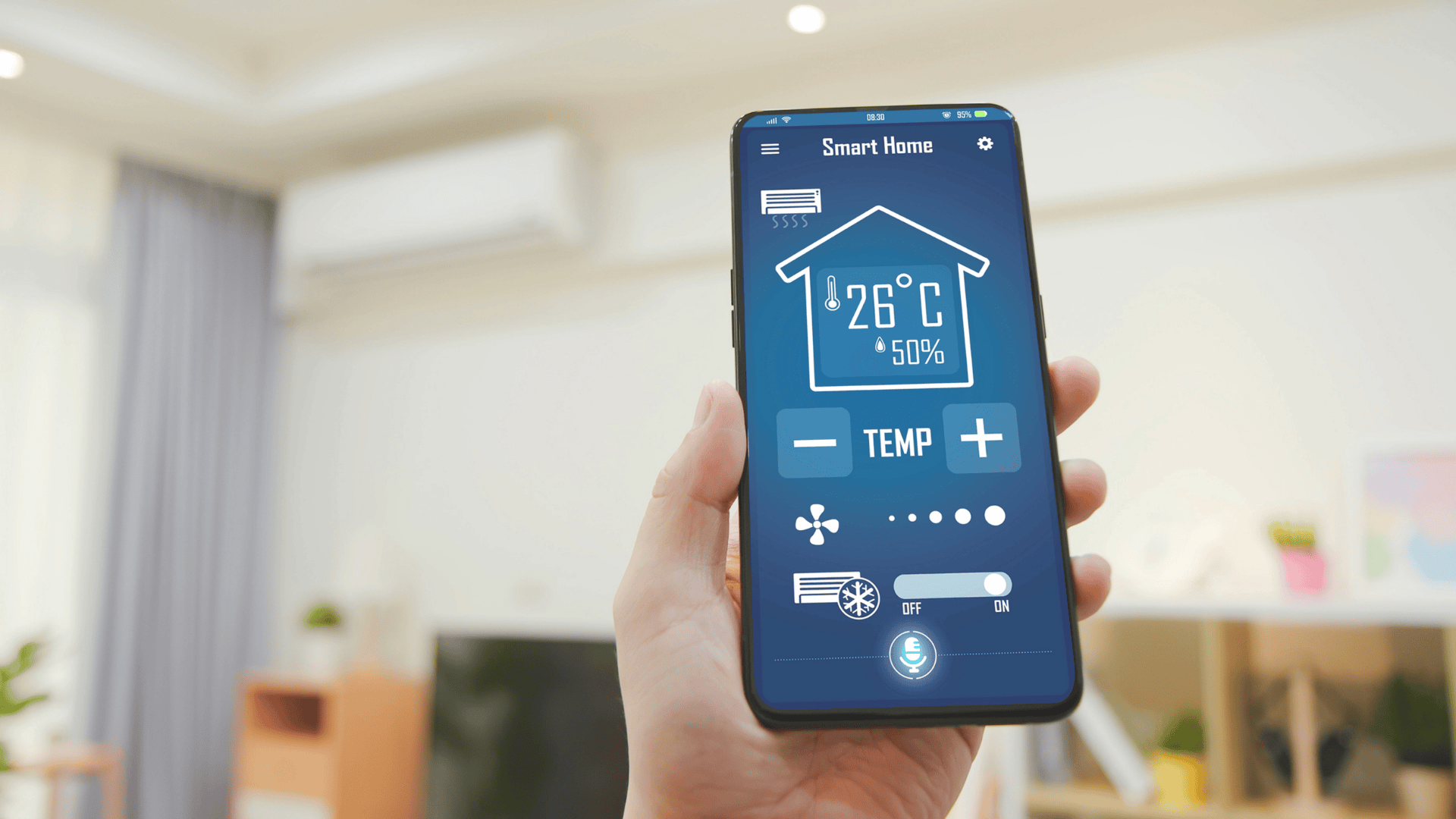
Step One: Build the Backbone—A Rock-Solid Home Network
Before jumping into flashy gadgets or next-gen apps, you need to think like a digital architect. The structure of your network will determine everything.
If you’re still using that outdated router your ISP gave you in 2018, it’s time for an upgrade. Look for routers that support Wi-Fi 6 or Wi-Fi 6E—the latter being capable of handling more devices simultaneously with less interference. Mesh systems are also worth considering. They distribute your signal across several nodes, blanketing your home in consistent connectivity.
Think of it like this: rather than one speaker yelling across your house, you have a series of calm, clear communicators spaced out in every room.
Bonus tip? Prioritize devices. Many routers now let you assign higher bandwidth to devices like smart TVs or gaming consoles and throttle non-urgent connections like a paused download on a laptop.
Divide, Conquer, and Stream: Managing Multi-Device Chaos
Once the network is solid, the next question is: who gets to watch what—and when?
The secret is smart streaming. That doesn’t mean only using a “smart” device (though those help), but rather organizing your viewing and usage habits. Schedule downloads during low-traffic hours. Use Ethernet for high-demand devices (gaming PCs, streaming boxes). Enable Quality of Service (QoS) settings on your router to prioritize latency-sensitive tasks.
Got kids? Parental controls and content filters allow you to set limits so that bedtime doesn’t become “just one more episode” time. Plus, it frees up bandwidth when the adults want to stream something without 720p quality.
Stream Smarter, Not Harder: Tech That Helps
Let’s break away from passive watching and lean into proactive tech. Smart streaming solutions aren’t just about the device—they’re about the entire experience.
Here are some game-changers:
- Unified platforms like Plex or Emby let you stream personal libraries across devices without duplication.
- Streaming sticks (e.g. Fire TV, Roku) are portable, sync across user profiles, and optimize bandwidth better than web browsers.
- VPN. VPN will help you expand the list of available content so that you don’t have to limit yourself to just one region. With Netflix VPN for multiple devices, you can quickly move between libraries in different countries. But it also helps protect against surveillance, and sometimes even speed up video buffering.
- Bandwidth-monitoring apps allow real-time insights into which devices are hogging your Wi-Fi.
Need more advanced control? Some households now use home automation hubs (like Home Assistant) to integrate streaming routines—e.g., dimming the lights and turning on Netflix at 8 PM automatically in the living room.
Digital Harmony for the Whole Family
Families differ, so your digital home setup should match your lifestyle. Here are three home profiles and what works best for each:
- The Content Creators’ Den
Streaming and uploading simultaneously? Opt for dual-band routers, gigabit Ethernet ports, and local media servers for raw files. - The Family with Kids and Teens
Use smart TVs with restricted profiles, router-level parental controls, and device usage dashboards for balance and safety. And for safety, use VeePN VPN. It is suitable for both adults and children. - The Minimalist Couple
Prioritize devices for quality over quantity. One mesh node per zone and premium streaming subscriptions (ad-free, 4K, simultaneous streams) are enough.
Remember: being “always online” doesn’t mean being “always overwhelmed.”

Quick Fixes and Tricks for Everyday Streaming Pains
Sometimes it’s not about a new device. It’s about better use of the ones you’ve got. Here’s a rapid-fire toolkit:
- Restart your router weekly. It’s a digital reset that can prevent network congestion.
- Limit background apps on phones and laptops. They consume bandwidth without you noticing.
- Update firmware regularly on all devices—yes, even your smart fridge.
- Switch to 5 GHz where possible. It’s faster than 2.4 GHz, though with a shorter range. Perfect for rooms near the router.
Why This Matters: It’s Not Just About Entertainment
A stable, optimized streaming environment isn’t just for fun. It touches everything—from remote work meetings to virtual classrooms, from telemedicine to virtual fitness classes. In a way, multi-device streaming is the new “family dinner.” It’s how we gather, even if everyone’s watching something different.
According to Deloitte’s 2024 Digital Media Trends report, over 65% of consumers now expect simultaneous high-quality streaming on at least three devices at any given time in their home. And 1 in 4 reported abandoning a platform due to poor streaming experience.
So yes—it matters. Not just to avoid buffering, but to create a home that functions digitally in sync.
Final Thoughts: The Digital Home Isn’t Coming—It’s Here
You don’t need to spend a fortune. You don’t need to be a tech genius. You need awareness, a few strategic upgrades, and smart habits.
From routers that learn your routines to apps that optimize your bandwidth, smart streaming solutions are about doing more with less noise, fewer lags, and zero frustration. Let your home work for your screen time—not against it.
And next time your house is buzzing with multiple shows, games, and live calls happening at once, take a breath. That’s not chaos—it’s digital harmony done right.

Peyman Khosravani is a global blockchain and digital transformation expert with a passion for marketing, futuristic ideas, analytics insights, startup businesses, and effective communications. He has extensive experience in blockchain and DeFi projects and is committed to using technology to bring justice and fairness to society and promote freedom. Peyman has worked with international organizations to improve digital transformation strategies and data-gathering strategies that help identify customer touchpoints and sources of data that tell the story of what is happening. With his expertise in blockchain, digital transformation, marketing, analytics insights, startup businesses, and effective communications, Peyman is dedicated to helping businesses succeed in the digital age. He believes that technology can be used as a tool for positive change in the world.