Safety is a primary concern for anyone managing a home-based business. Striking the right balance between work and home life can sometimes make maintaining security challenging.
Whether working alone or with staff, developing a secure environment is important for both productivity and peace of mind. Below are practical strategies home-based business owners can implement to improve safety and security.
Securing Entry Points
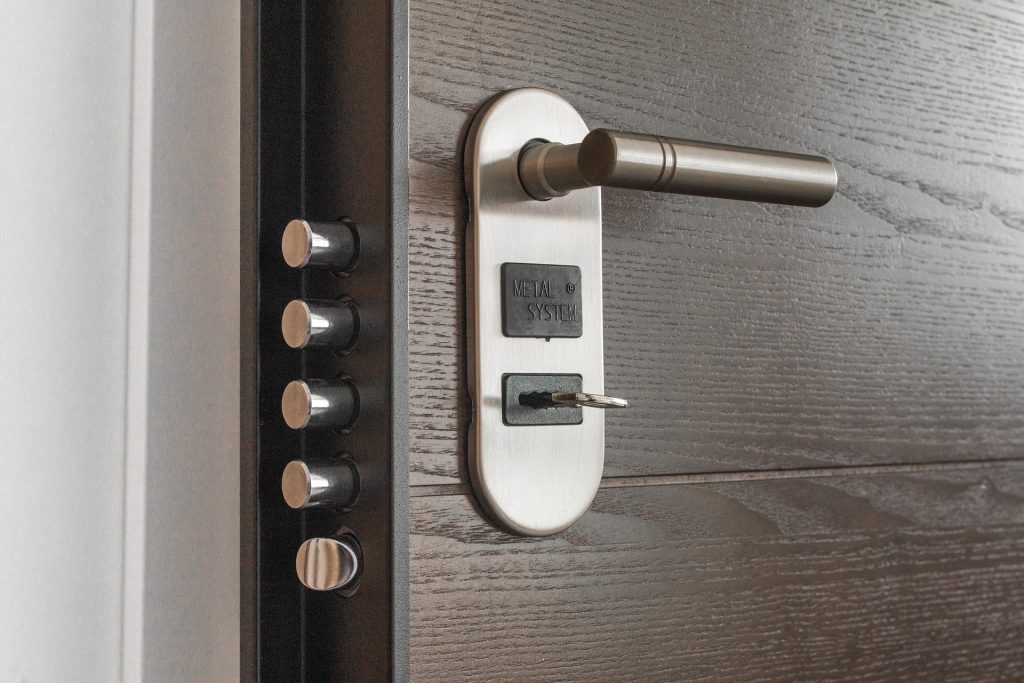
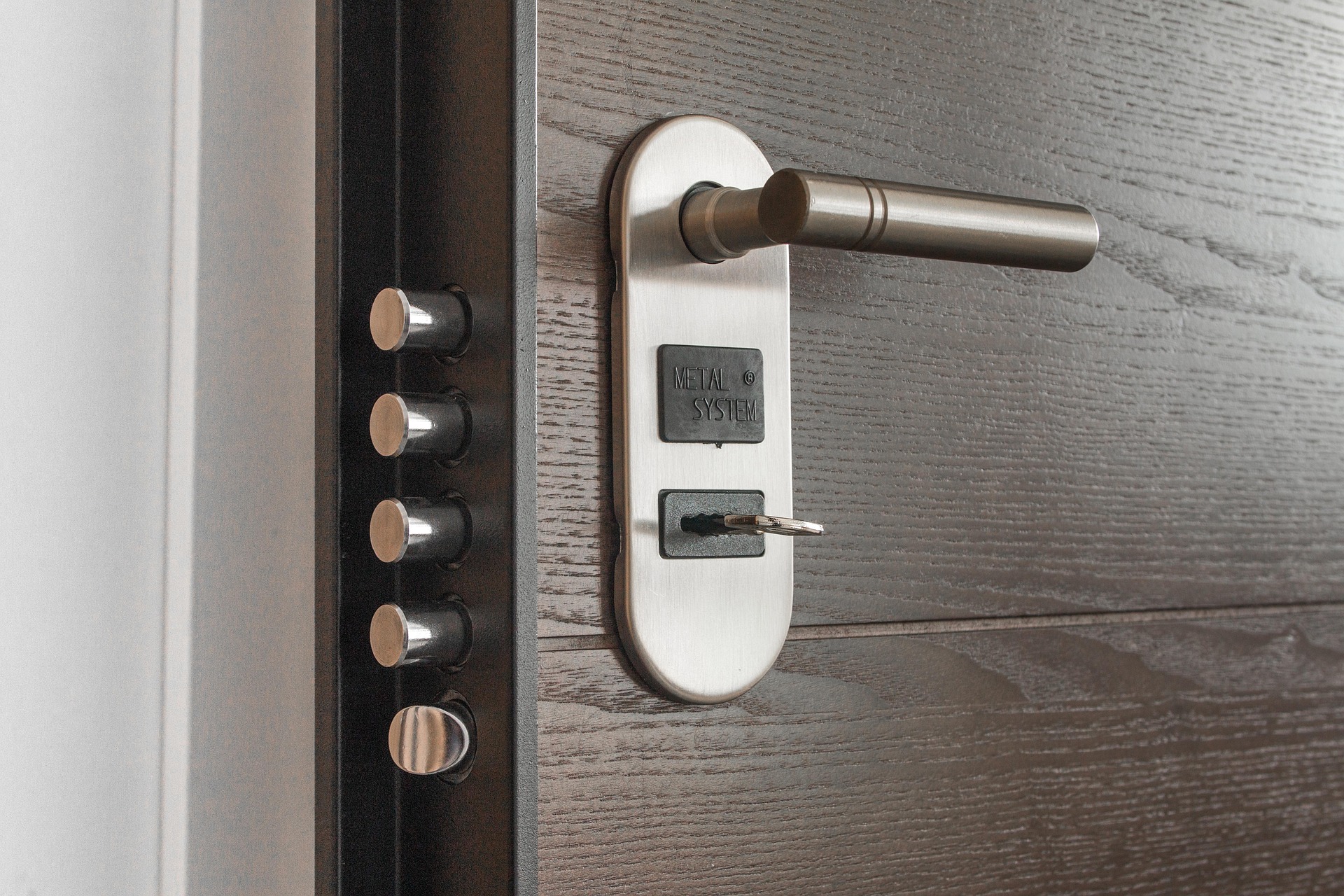
Making sure that all entry points to your home are secure is paramount. Install robust locks on doors and windows, opting for deadbolts that provide added security.
Use smart locks, which can be programmed to grant access at specific times, thereby controlling entry more effectively. Another important aspect is to guarantee that all doors and windows are properly maintained.
Regularly check for vulnerabilities such as cracks or worn-out frames that could compromise safety. Add motion-sensor lights around entry points to deter intruders. A well-lit property is less attractive to potential thieves, thereby enhancing security. Installing a security system can further protect your home and business.
Many systems offer smartphone alerts, video surveillance, and home automation features that give you peace of mind when working. Coupling a security system with a monitoring service adds another layer of protection.
If a breach occurs, professionals can respond swiftly, guaranteeing your safety. In addition, always have an emergency plan in place. This plan should include how to contact law enforcement and neighbors, guaranteeing everyone on the premises knows the steps to take in case of an emergency.
Regular Maintenance and Repairs
Maintaining your home is important for safety. Regular inspections of your property help identify issues that could lead to bigger problems. Examine roofing, plumbing, and electrical systems to make sure everything is in proper working condition.
Neglecting these areas can lead to security risks and to costly repairs in the future. Engaging good residential roofing services guarantees your home remains safe from the elements and prevents potential leaks or damage. A properly maintained roof safeguards both personal and professional spaces from weather-related issues.
In addition to structural maintenance, perform seasonal checks around your property. Clean gutters, clear walkways, and maintain landscaping to guarantee a clear view of your surroundings. Remove overgrown bushes or trees that could provide cover for trespassers.
A well-kept yard improves the aesthetic appeal of your home and serves as a deterrent to potential burglars. Proactive maintenance goes hand-in-hand with safety, allowing you peace of mind and focusing on your home business.
Using Technology to Improve Security
Harness the power of technology to fortify your home’s security. Smart home devices such as cameras, doorbells, and alarm systems help monitor your property. These devices often come equipped with real-time alerts, allowing you to react swiftly to any incidents.
Remote access features allow you to view live footage from your mobile device, making it easier to keep tabs on your surroundings. Organizing your security system’s settings guarantees you receive alerts when you need them and avoids unnecessary notifications.
Investing in high-quality security cameras with night vision capabilities improves oversight after dark.
Employ smart smoke detectors and carbon monoxide alarms. These devices send alerts to your smartphone when danger arises, guaranteeing a prompt response.
Regularly testing your safety equipment guarantees that it functions well when needed, reducing risks significantly. Integrating these technologies into your daily routine can develop a sense of security and manage your home-based business.
Creating a Secure Workspace
Establishing a dedicated workspace within your home improves productivity and contributes to security. Keep work materials and sensitive data secure by using file cabinets or lock boxes.
Having a designated area reduces clutter and can help prevent theft. Invest in sturdy furniture that can double as a storage solution. This helps keep your workspace organized and adds a layer of protection for valuable business assets.
Secure cables and technology with locks designed for office equipment, preventing unauthorized access. When working with clients or collaborators, set clear policies regarding who can enter your workspace.
If permits are necessary for entry, it guarantees that only authorized individuals are on the property, maintaining your security. Regularly review your workspace for any potential hazards.
Simple steps such as securing electrical cords and avoiding fire hazards make a significant difference. Conducting these checks will promote a safer environment for both business activities and personal use.
Building Relationships with Neighbors
A strong neighborhood network contributes significantly to safety. Introduce yourself to your neighbors and create a rapport that grows into open communication.
This connection allows for shared vigilance, neighbors can keep an eye on each other’s properties, alerting you to suspicious activities.
Joining or forming a neighborhood watch program encourages collective safety efforts and improves relationships. Collaborating with neighbors to organize regular gatherings or check-in systems promotes a community spirit.
This network can be invaluable in detecting and addressing security issues before they escalate. Sharing resources and knowledge can improve home security. Neighbors can recommend reliable service providers for maintenance and repairs, contributing to the safety of the community.
Utilize local social media groups or community boards to stay informed about security alerts, which can facilitate quicker responses to potential risks.

Developing an Emergency Plan
Having a comprehensive emergency plan minimizes panic during unforeseen situations. Begin by identifying potential risks, fire, burglary, natural disasters, or power outages. Outline clear procedures for how to handle each of these scenarios effectively.
Make sure everyone in your household, including employees, understands these procedures. Conduct regular drills to make sure everyone knows the steps to take in an emergency.
Prepare several emergency kits containing important supplies such as water, non-perishable food, flashlights, and first-aid items.
Establishing contact information for local emergency services, including police and fire departments, is important. Keep this information accessible in both physical and digital formats to guarantee rapid access when needed.
During emergency situations, knowing immediate contacts can significantly decrease response time, improving safety for all.
These practices guarantee that you can pivot from routine work life to managing crises effectively, safeguarding your home, and running your business. Running a business from home requires diligence in security measures.

A dad of 3 kids and a keen writer covering a range of topics such as Internet marketing, SEO and more! When not writing, he’s found behind a drum kit.