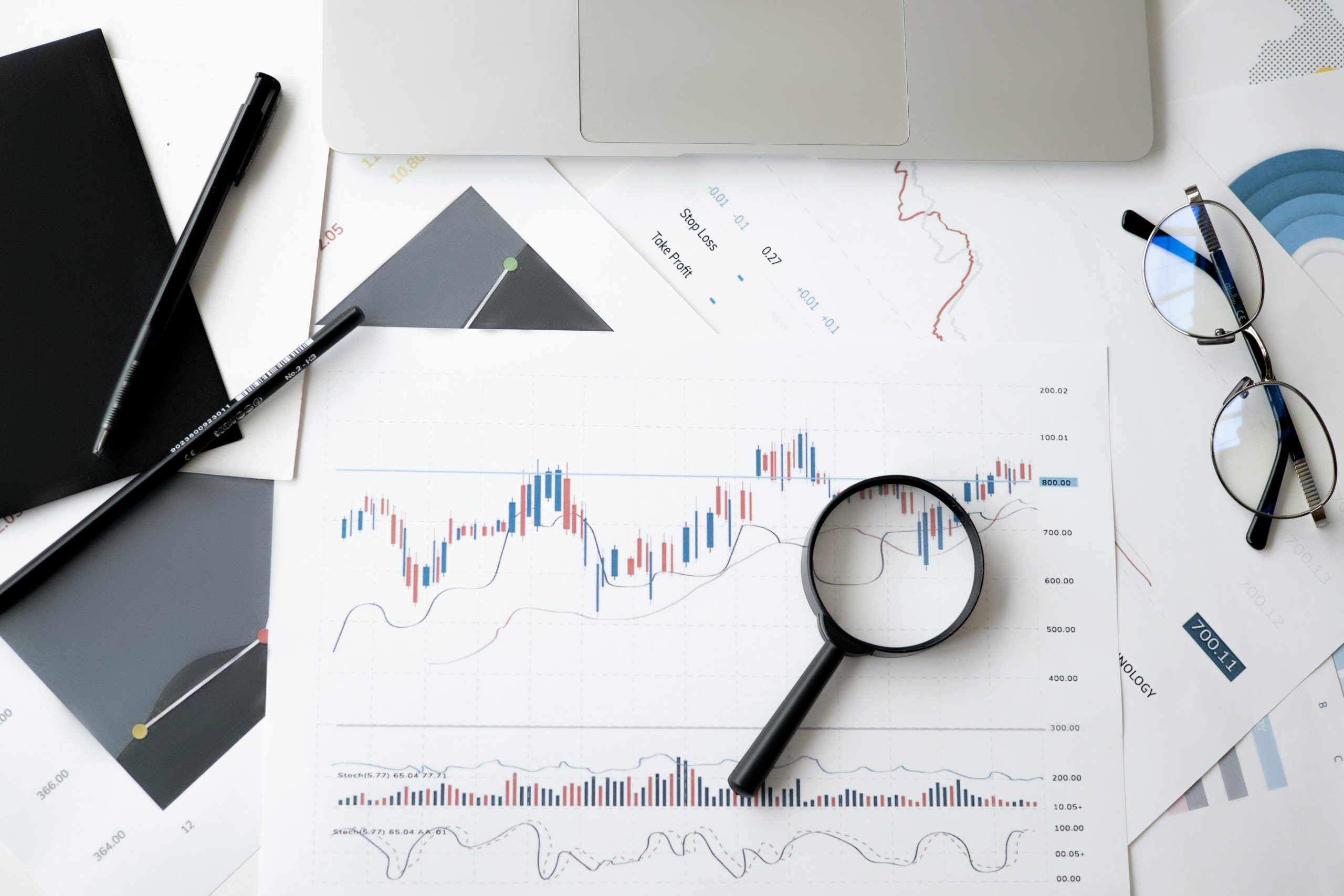
If you trade forex or commodities, you know the first person to read the headline wins. That headline has almost always been in English. A Fed rate surprise hits Bloomberg, and by the time it filters through to traders in São Paulo or Warsaw, the spread has widened. The candle has closed. You are already late.
This is not a new problem. It has been the default for as long as modern financial markets have existed. English language wire services set the pace, English language analysts write the commentary, and English language terminals deliver the data. Everyone else gets a delayed, diluted version of the same information. For most of the last thirty years, nobody questioned it because there was no alternative.
That is starting to change. A handful of platforms have figured out how to publish market analysis in multiple languages at the same time, not hours later. Finonity is one of them. They push every article live in eleven languages within minutes of the English original. The idea behind it is not complicated: a trader in Riyadh or Hanoi should not be punished for not reading English.
The Gap Nobody Talks About
Forex turns over $7.5 trillion a day. Most of the news that moves those markets exists only in English. Local financial media in Hindi or Vietnamese or Arabic tends to run hours behind, and it rarely covers global macro with any real urgency. When the ISM prints hot or the Fed signals a pause, the English speaking world reacts in seconds. Everyone else pieces it together from fragments.
The scale of the problem is hard to overstate. India alone has over 100 million retail trading accounts. Brazil keeps adding millions every year. Vietnam has one of the fastest growing retail investor bases in Southeast Asia. These are not beginners playing around with small money. They trade derivatives, follow central banks, watch crude. They manage real risk with real capital. They just cannot get the same real time coverage that a guy sitting at a desk in Chicago takes for granted.
When 80 percent of the world does not speak English fluently and the financial news that matters most is written exclusively in English, you have a structural information gap baked into global markets. It has been there for decades and most people in the industry treat it as completely normal.
Getting the Jargon Right
Here is where it gets tricky. Financial language is brutal to translate. Run “hawkish repricing” through Google Translate into Polish and you get something that makes no sense to anyone who actually trades. The term Polish traders use on the Warsaw floor is “jastrzębie przeszacowanie.” Run “yield curve inversion” into Arabic and you get a phrase that sounds like a geometry lesson. Every language has its own financial vocabulary and getting it wrong is not just embarrassing. It can move someone into the wrong position.
Finonity handles this with AI models trained specifically on financial terminology, backed by native speaking editors who know what a carry trade is in Japanese or how to frame a rate hold in Arabic. The translation is not an afterthought bolted onto an English site. It is built into the workflow from the start. You can see the results across their economy coverage, where the same macro analysis reads naturally in all eleven languages. That kind of precision is what separates useful multilingual coverage from noise that experienced traders learn to ignore pretty quickly.
When Speed Actually Pays
The value of all this becomes obvious during high volatility events. Think about the Strait of Hormuz crisis a few weeks ago. Brent posted its biggest weekly gain since Russia invaded Ukraine. Insurance markets pulled out of the Gulf overnight. Shipping routes shifted without warning. Refineries got hit. The whole energy complex repriced in a matter of hours.
Traders who had real time forex analysis in their own language could act while it mattered. They could read the breakdown of what insurance withdrawals meant for tanker rates, what the refinery strikes implied for crack spreads, and how central banks were likely to respond. Everyone else waited for a summary that showed up well after the move had played out.
And here is the part that surprises most people: the whole thing is free. No paywall, no subscription, no premium tier to unlock. Finonity runs on advertising, which means a retail trader in Mumbai or Ho Chi Minh City gets the same depth of coverage that used to cost thousands a year on an institutional terminal.
The Bottom Line
The language barrier in financial markets has been around forever. It is one of those things that everyone acknowledges but nobody bothers to fix because the people making the decisions usually speak English already. What is new is that someone finally built a way around it that actually works. Whether it changes how you trade depends on where you sit and what language you think in. But if you have ever missed a move because the analysis you needed was locked behind a language you do not speak, the answer is already pretty obvious.

Peyman Khosravani is a global blockchain and digital transformation expert with a passion for marketing, futuristic ideas, analytics insights, startup businesses, and effective communications. He has extensive experience in blockchain and DeFi projects and is committed to using technology to bring justice and fairness to society and promote freedom. Peyman has worked with international organizations to improve digital transformation strategies and data-gathering strategies that help identify customer touchpoints and sources of data that tell the story of what is happening. With his expertise in blockchain, digital transformation, marketing, analytics insights, startup businesses, and effective communications, Peyman is dedicated to helping businesses succeed in the digital age. He believes that technology can be used as a tool for positive change in the world.