
Thinking about selling your house in 2026? You’ve probably heard about real estate agents taking a chunk of your sale price. Well, there are ways to get help without paying top dollar. Low commission real estate brokers are becoming more popular, and for good reason. They offer a way to keep more of your hard-earned money while still getting the support you need to sell your home. But how do you find the right one? It’s not just about the lowest fee; it’s about finding someone who does a good job for a fair price. This guide will help you figure it all out.
Key Takeaways
- A low commission real estate broker typically charges less than the standard 5-6% total commission, often ranging from 1-3% for the listing agent, helping sellers save money.
- Before picking an agent, figure out what services you absolutely need, like pricing help, marketing, or negotiation skills, so you know what to look for.
- Research potential agents by checking their online presence, reading reviews from past clients, and looking into their experience in your specific area.
- Understand the different ways brokers charge: some use a percentage of the sale price, others a flat fee, and some have minimum fees that can affect your actual savings.
- Don’t just focus on the commission rate; consider the overall value the agent provides, their communication style, and how trustworthy they seem to be.
Understanding Low Commission Real Estate Brokers

What Defines a Low Commission Real Estate Broker?
So, what exactly makes a real estate agent a "low commission" broker? Basically, they’re agents who charge a smaller percentage of your home’s sale price compared to the traditional agents you might be used to. Think of it this way: the standard rate often hovers around 5-6% total commission, split between the buyer’s and seller’s agents. Low commission brokers aim to bring that down, often listing homes for 1% to 1.5% for the seller’s agent side. This can mean saving thousands of dollars when your house sells. It’s not about them being less experienced; many have found ways to run their business more efficiently, cutting down on overhead costs without cutting corners on service.
The Evolution of Real Estate Commission Structures
Real estate commissions haven’t always been this way. For a long time, the 5-6% model was pretty much the only game in town. But as the internet changed how we buy and sell everything, it started changing real estate too. People began looking for more affordable options, and companies started popping up to meet that demand. Now, you see a whole spectrum of choices, from agents who offer a full suite of services for less money to those who let you handle more of the work yourself for an even lower fee. It’s all about giving sellers more control over how they sell their home and how much they pay for the service.
Benefits of Partnering with a Low Commission Agent
Partnering with a low commission agent can be a smart move for many sellers. The most obvious benefit is the money you save. On a $400,000 home, even a 1% difference in commission can mean $4,000 back in your pocket. But it’s not just about the cash. Many of these agents still provide a high level of service, including:
- Help with pricing your home correctly.
- Marketing your property to attract buyers.
- Guidance through negotiations and paperwork.
This means you can get expert help without the hefty price tag of a traditional agent. It’s a way to get professional support while keeping more of your hard-earned equity.
Choosing the right agent is a big deal. You want someone who knows the market, communicates well, and helps you get the best possible outcome for your sale. A low commission agent can often provide that, striking a good balance between cost and quality service.
Identifying Your Specific Needs as a Seller
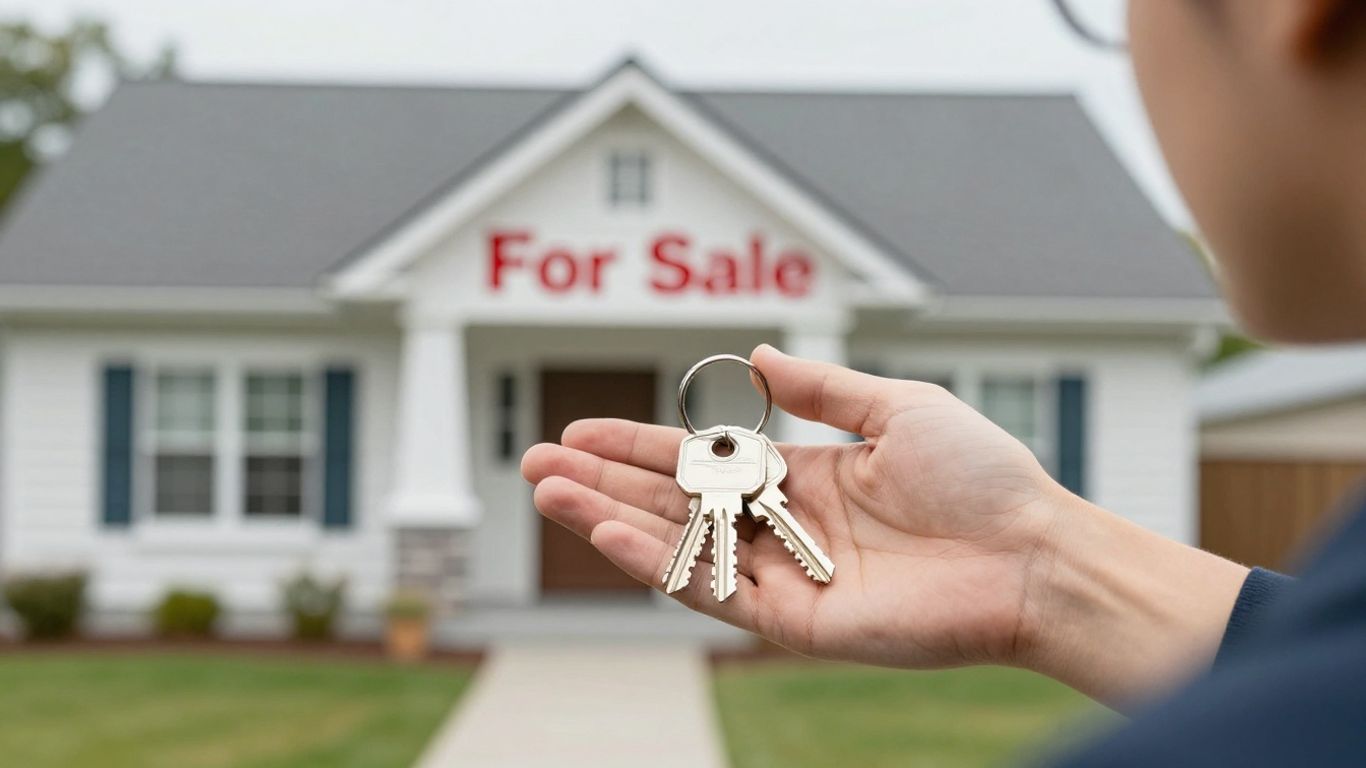
Before you even start looking at agents, take a moment to think about what you actually need from the person selling your house. Not everyone needs the exact same level of help, and knowing what’s important to you will make finding the right low-commission agent much easier. It’s like planning a trip – you wouldn’t book a hotel without knowing if you need a pool or just a bed.
Assessing Essential Services: Pricing, Marketing, and Staging
When you’re selling, getting the price right is a big deal. You want to list your home competitively but also make sure you’re not leaving money on the table. An agent should be able to help you figure out the best price, often by looking at what similar homes in your area have sold for recently. This is usually done through something called a Comparative Market Analysis (CMA).
Beyond pricing, how will your home be shown off? Think about:
- Professional Photography/Videography: Good pictures can make a huge difference in how many people want to see your home.
- Online Listings: Where will your home be advertised? Most buyers start their search online, so a strong presence on popular real estate websites is key.
- Staging Advice: Sometimes, a few tweaks to how your furniture is arranged or what decor you use can make your home look much more appealing. Do you need someone to give you tips on this, or are you comfortable handling it yourself?
Understanding what services are included in the commission fee is vital. Some agents might bundle everything, while others offer a menu of services where you pick and choose what you need, impacting the final cost.
Evaluating the Importance of Negotiation and Paperwork Assistance
Selling a home involves a lot of back-and-forth, especially when offers start coming in. An agent’s skill in negotiation can be really helpful. They can guide you on whether to accept an offer, make a counteroffer, or even reject it. They’re also there to help you navigate any issues that pop up after an inspection, like repair requests, or if the home’s appraisal comes in lower than expected. Having someone experienced in these talks can save you stress and potentially more money. Asking detailed questions about the home during the listing appointment is a good start for an agent to understand how to best market it.
Determining Your Comfort Level with Agent Involvement
Think about how hands-on you want to be. Are you someone who wants to be involved in every step, or would you prefer to hand over the reins and let the agent manage most of it? Some agents work more independently, while others prefer a team approach. It’s good to know who your main point of contact will be and how available they are to answer your questions or handle showings. Some sellers are happy to take on tasks like scheduling showings themselves to save on commission, while others want a full-service experience where the agent handles almost everything. Knowing your preference helps you find an agent whose style matches yours.
Researching and Vetting Potential Low Commission Agents
So, you’ve decided to look into agents who charge less commission. That’s smart. But how do you actually find the good ones? It’s not just about picking the first name you see online. You need to do a little digging.
Exploring Online Presence and Service Advertisements
Start by checking out what agents are saying about themselves online. Most agents have websites or profiles on real estate sites. See what services they list. Are they clear about what they do and don’t do? Some might highlight special skills, like marketing or local knowledge. Others might just have a basic listing. Pay attention to how they present their services; it tells you a lot about their approach. If their website looks outdated or is hard to navigate, that could be a sign they aren’t very tech-savvy, which is important these days.
Analyzing Customer Reviews and Testimonials
What are other people saying? Online reviews are a goldmine. Look on sites like Google, Zillow, or even Facebook. See what past clients have said about their experience. Were they happy with the communication? Did the agent help them get a good price? Were there any problems? A lot of good reviews are great, but even a few negative ones can be telling. Look for patterns in the feedback. Are multiple people mentioning the same issue, like slow responses or feeling ignored?
Investigating Local Market Expertise and Sales History
An agent who knows your neighborhood inside and out is usually a big plus. Ask them about recent sales in your area. What are buyers looking for right now? Do they have a history of selling homes nearby? This kind of local knowledge can help them price your home right and find the best buyers. It’s also good to see how many homes they’ve actually sold, especially in your specific area. A high number of sales in your town is often better than a high number of sales spread across the whole state.
Here’s a quick look at what to consider:
- Online Ads: What services do they promote? Do they seem to match what you need?
- Reviews: What do past clients say about their communication and results?
- Local Sales: How familiar are they with your specific neighborhood and market trends?
Finding an agent who is transparent about their services and has a solid track record in your area is key. Don’t just go by the commission rate alone; the agent’s ability to get the job done well matters more.
Comparing Service Models and Fee Structures
When you’re looking at real estate agents who charge less, it’s super important to get what you’re paying for. Not all low-commission options are the same, and understanding how they structure their fees and what services they actually include can save you a lot of headaches down the road. It’s not just about the percentage; it’s about the whole package.
Understanding Percentage-Based vs. Flat Fee Structures
Most real estate commissions used to be a percentage of your home’s sale price. Think 5% or 6% split between agents. Low-commission brokers often work with lower percentages, maybe 1% to 2%. This seems straightforward, right? But sometimes, a percentage isn’t the whole story.
Flat fees are another way these agents work. You pay a set amount, say $3,000 or $5,000, no matter if your house sells for $300,000 or $700,000. This can be a great deal if you have a higher-priced home, but on a less expensive one, it might end up costing you more than a percentage fee.
- Percentage-Based: Commission is a slice of the final sale price. Good for higher-priced homes where the percentage might still be less than a flat fee.
- Flat Fee: A fixed price for the service. Can be a win for sellers of more affordable homes.
- Hybrid Models: Some companies mix these, maybe a lower percentage plus a small flat fee, or vice versa.
Accounting for Minimum Fees and Effective Rates
This is where things can get a little tricky. Many agents advertise a low percentage, like 1%, but then add a "minimum fee." So, if your home sells for less than a certain amount, you’ll pay that minimum dollar figure instead of the percentage. For example, an agent might advertise 1% but have a $7,000 minimum. If your home sells for $500,000, 1% is $5,000. But because of the minimum, you’d actually pay $7,000. That’s not 1% anymore; it’s 1.4%.
It’s really important to figure out the "effective rate" for your specific home price. Ask the agent directly: "What would my total commission be if my home sells for $X?" This helps you compare apples to apples.
| Home Price | Advertised Rate | Minimum Fee | Actual Commission Paid | Effective Rate |
|---|---|---|---|---|
| $300,000 | 1% | $7,000 | $7,000 | 2.33% |
| $500,000 | 1% | $7,000 | $7,000 | 1.40% |
| $800,000 | 1% | $7,000 | $8,000 | 1.00% |
Always ask about minimum fees and calculate the effective rate based on your home’s expected sale price. What looks like a great deal on paper might not be once you factor in these details.
Evaluating Service Levels: Full-Service vs. Limited Support
Just because an agent charges less doesn’t mean they offer less. Some low-commission brokers provide the full suite of services you’d expect from a traditional agent – professional photos, staging advice, extensive marketing, showings, and tough negotiation. Others might offer a more basic package. This could mean you’re responsible for taking your own listing photos, writing the description, or handling more of the paperwork yourself. Some might just list your home on the MLS and leave the rest to you. You need to decide how much help you actually need. Are you comfortable managing parts of the sale yourself, or do you want someone to handle almost everything? Make sure the service level matches your expectations and your willingness to be hands-on.
Key Factors Beyond Commission Rates
So, you’ve crunched the numbers and found a low commission rate that looks good. Awesome! But hold on a sec, because the percentage you pay isn’t the whole story when it comes to selling your home. There’s more to consider than just the sticker price. Think about it like buying a car – the base price is one thing, but what about the extras, the warranty, or how reliable it is? Same idea with real estate agents.
Assessing Agent Value and Indispensability
This is where you figure out if an agent is just a name on a sign or someone who can genuinely make a difference in your sale. A super low commission might sound great, but if the agent isn’t really pulling their weight, you might end up with a longer sale time or a lower final price. You want someone who knows the market inside and out, can price your home right from the start, and has a solid plan to get it sold. It’s about finding someone whose skills and effort are worth what you’re paying, regardless of the commission percentage.
Considering Post-Sale Support and Closing Coordination
Selling a house doesn’t just stop when you get an offer. There’s a whole bunch of paperwork, inspections, and negotiations that happen between accepting an offer and actually handing over the keys. How much help will you get during this phase? Some agents might step back once the offer is in, leaving you to sort out the details. Others will stick with you, guiding you through every contract, every contingency, and making sure the closing process goes smoothly. This part can be really stressful, so knowing you have support can be a huge relief.
Evaluating an Agent’s Communication and Trustworthiness
This one’s a biggie. How often will you hear from your agent? Will they actually answer your calls or emails promptly? A good agent keeps you in the loop, explains things clearly, and is honest about what’s happening. You need to feel like you can trust them with one of the biggest financial transactions of your life. If an agent is hard to reach or doesn’t explain things well, that’s a red flag, no matter how low their commission is. Building that trust is key to a good selling experience.
Here’s a quick look at what to expect:
- Communication Frequency: How often will they provide updates (daily, weekly, as needed)?
- Response Time: What’s their typical turnaround time for calls and emails?
- Transparency: Do they clearly explain all offers, contracts, and potential issues?
- Problem Solving: How do they handle unexpected bumps in the road during the sale?
Sometimes, a seemingly low commission rate can hide extra costs or limitations. Always ask for a clear breakdown of what’s included in their fee and what might cost extra. Don’t be afraid to ask for specifics about marketing, negotiation, and closing support.
Navigating the Selection Process for Savings and Support
So, you’ve done your homework on low commission brokers and figured out what services you really need. Now comes the part where you actually pick someone. It’s not just about finding the cheapest option; it’s about finding the right option that balances saving you money with actually getting your house sold well. Think of it like hiring someone to fix your car – you want a good mechanic who charges a fair price, not just the cheapest one you can find.
Comparing Top Low Commission Brokerages
When you start looking at specific companies or agents, you’ll notice a few things. Some might advertise a super low percentage, but then have a hefty minimum fee that eats into your savings, especially if your home isn’t worth a fortune. Others might offer a tiered service model. You need to see what’s included in their base price and what costs extra. Is professional photography part of the deal, or is that an add-on? How about staging advice? It’s important to get a clear picture of the total cost and what you’re actually getting for your money.
Here’s a quick way to compare:
- Service Package: What exactly is covered? Marketing, showings, negotiations, paperwork?
- Commission Rate: The advertised percentage.
- Minimum Fee: Does it apply, and how does it affect your potential savings?
- Additional Costs: Are there fees for things like yard signs, online advertising boosts, or transaction coordination?
Making Informed Decisions for Your Unique Situation
It’s easy to get caught up in the numbers, but remember why you’re selling. Are you looking for a quick sale, or are you aiming for the highest possible price? Your goals will influence who you choose. A broker who focuses heavily on aggressive marketing might be better if you want to attract a lot of buyers quickly. If you’re more hands-off and comfortable managing some aspects yourself, a more limited service model could work.
Don’t just pick the first name you see or the one with the lowest advertised rate. Take the time to interview a few candidates. Ask them about their experience selling homes like yours in your specific neighborhood. A broker who knows your area well can price your home more accurately and market it more effectively. It’s about finding someone who understands your local market and your personal needs.
The Balance Between Affordability and Expert Guidance
Ultimately, you’re looking for a sweet spot. You want to save money on commissions, absolutely. But you also want to work with someone who knows what they’re doing, communicates well, and can help you navigate the complexities of selling a home. A great agent, even one working for a lower commission, can make a huge difference in the stress level and the final sale price. Don’t undervalue the peace of mind that comes from knowing you have a competent professional in your corner, especially when it comes to negotiations and closing the deal.
Wrapping It Up
So, picking a real estate agent who charges less commission doesn’t have to be a headache. It’s all about knowing what you need and doing a little digging. Most of us want to save money, right? But we also want someone who knows their stuff and can help us through the whole selling process without too much stress. By looking at what services matter most to you, checking out what past clients say, and comparing a few options, you can find a great agent who fits your budget and gets the job done. It’s not just about the lowest fee; it’s about finding that sweet spot where you save money but still get the support you need to sell your home smoothly.
Frequently Asked Questions
What exactly is a low commission real estate agent?
A low commission real estate agent, often called a discount broker, is a real estate professional who charges a smaller fee than the typical agent. Instead of the usual percentage, they might charge a lower rate, like 1% or 1.5%, helping you save money when you sell your home.
Do I still get good service with a low commission agent?
Many low commission agents provide the same helpful services as traditional agents. This can include helping you price your home, marketing it, handling negotiations, and guiding you through all the paperwork. It’s important to check what services are included, as some might offer less support to keep costs down.
How much money can I really save with a low commission agent?
The savings can be quite significant. Traditional agents often charge around 5-6% of the sale price in total commission. Low commission agents might bring that total down to 3-4%, meaning you could keep thousands of dollars more from the sale of your home.
Are there different ways agents charge lower commissions?
Yes, there are a few ways. Some charge a lower percentage of the sale price, while others charge a set fee, known as a flat fee, regardless of how much the house sells for. Some might also have a minimum fee, meaning if your house sells for a lower price, you might end up paying a higher percentage than advertised.
What should I look for when choosing a low commission agent?
First, figure out what services are most important to you, like pricing help, marketing, or negotiation skills. Then, research agents online, read reviews from other sellers, and check their experience in your local area. Make sure they have a good track record and communicate well with you.
Is a low commission agent always the best choice?
For most people, a low commission agent offers a great balance between saving money and getting expert help. However, if you have a lot of real estate experience and want to handle most of the selling process yourself, you might consider other options like flat-fee MLS services. But for most sellers, a low commission agent is a smart way to go.