Thinking about trying your hand at day trading on Robinhood? You’re not alone. With its simple app and zero-commission trades, Robinhood has made active trading more accessible than ever. But before you jump in, it’s smart to understand the basics, the rules, and what you’ll need to actually get started. This guide will walk you through how to day trade on Robinhood, step by step, so you can avoid common mistakes and give yourself a better shot at success. Let’s get into it.
Key Takeaways
- Robinhood’s platform makes day trading easy to start, but you need to know the rules, especially the Pattern Day Trader rule.
- You can day trade on Robinhood with less than $25,000 if you use a cash account and stick to settled funds.
- Start small, focus on liquid and volatile stocks, and always set clear risk limits for every trade.
- Learn to use Robinhood’s order types and tools like watchlists and real-time data to make faster, smarter decisions.
- Emotions can ruin trades—stick to your plan, and never risk more than you can afford to lose.
Understanding Day Trading on Robinhood
Day trading on Robinhood appeals to a lot of folks because the app makes trading stocks pretty much as easy as scrolling social media. It’s all about making quick trades—buying and selling the same stock on the same day—to pocket small profits from price swings. But before you jump in, know that success here isn’t a guarantee, and things can move fast—sometimes in ways you don’t expect.
What Day Trading Means for New Traders
For someone just starting out, day trading means you’re often glued to your phone or computer during market hours. The main idea is to open and close positions within a single trading day, never holding anything overnight. Many traders look for stocks that have big price moves or a lot of trading activity so there’s a better chance of making money off small swings.
- Trades are opened and closed during regular market hours (9:30 AM to 4:00 PM Eastern).
- Traders often make several trades in a single day.
- Everything has to be closed out by the end of the session—no exceptions if you want to truly avoid overnight surprises.
A lot of beginners think day trading is easy fast cash, but there’s real skill, planning, and a good dose of luck involved if you want to stick around for the long term.
Key Features of Robinhood for Day Traders
Robinhood is popular with day traders for a few reasons, mostly because it brings together speed, low (zero) commissions, and a platform that’s easy to understand. Here’s what stands out:
- No commission fees: You keep more of your profits, since you’re not sliced and diced by hidden charges with every trade.
- Easy-to-use mobile and web app: The layout is straightforward, even if you’re new.
- Real-time quotes and data: You can watch stock prices move second by second, which matters when you’re deciding if now is the time to buy or sell.
- Order types: Robinhood offers market, limit, and stop orders so you can try to manage your trades with a bit more control.
| Robinhood Feature | What It Means for Day Traders |
|---|---|
| Commission-Free Trading | Lower costs per trade |
| Real-Time Data | Instant market info |
| Charting Tools | Visualize swings and patterns |
| Mobile Trading | Trade anywhere at any time |
Risks and Rewards of Short-Term Trading
Look, it’s not all shiny and perfect. Day trading is risky—and Robinhood doesn’t change that. If you make a good call, you could see fast profits. Get it wrong? Losses stack up just as fast. Here are some things to consider:
- High risk: Quick decisions mean big wins or losses in seconds.
- Emotional rollercoaster: Watching prices jump can make anyone a little frantic.
- Requires constant attention: Missing a quick move (or not setting up trade limits) can hurt bad.
- Fees may add up: No commissions is great, but there are still other trading costs, especially if you use margin or subscribe to Robinhood Gold.
Day trading’s thrill pulls you in, but it’s smart to treat every trade like you could lose it all. Manage your risk, start small, and remember that just because the app is simple doesn’t mean the game is, too.
Meeting Day Trading Rules on Robinhood
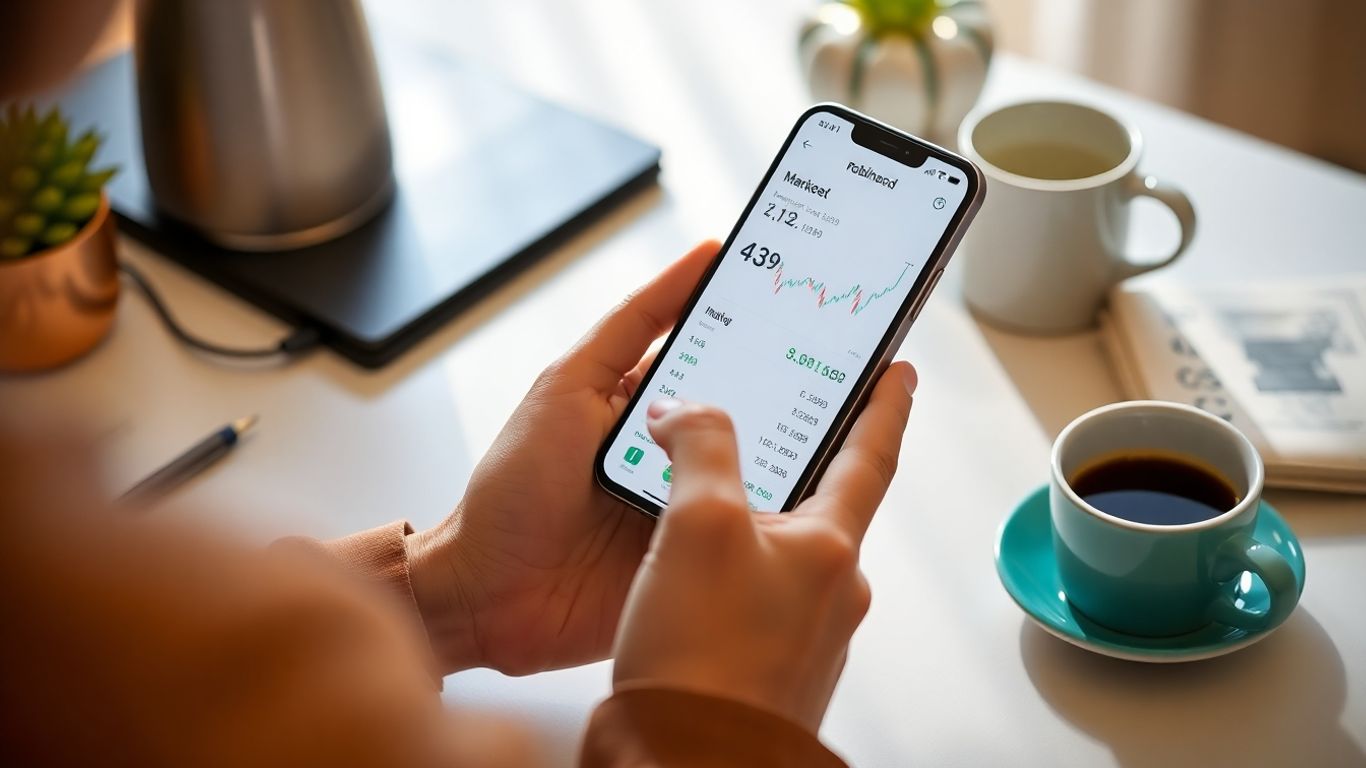
Following Robinhood’s day trading rules is how you avoid nasty surprises that can freeze your trades or even lock you out. If you don’t keep track of these rules, you can run into all sorts of restrictions, most of which come from the industry regulator, FINRA. Let’s go through the rules and what they mean for everyday traders.
Pattern Day Trader Rule Explained
The Pattern Day Trader (PDT) rule is one of the trickiest hurdles beginners face. You’re classified as a pattern day trader if you make four or more day trades — that means buying and selling the same stock — over five business days, and those trades make up over 6% of your total transactions in your margin account for the week.
- If you get flagged as a pattern day trader in a margin account, the big rule kicks in: you need at least $25,000 in your account — not just in cash, but in equity (so including stocks, options, and crypto balances) — every day you trade, or you risk being restricted.
- This rule isn’t unique to Robinhood. It applies pretty much across the board, unless FINRA changes the requirement (some big brokers are pushing for that, as you can see with broker-dealers advocating for easing day trading rules).
| When PDT Rule Applies | What It Means |
|---|---|
| 4+ day trades in 5 business days | Need $25k in margin account |
| Less than 4 day trades | No minimum bal. required |
Quick tip: Robinhood actually gives you a Day Trade Counter in the app, making it easy to track your trades and avoid crossing the line.
Navigating Margin and Cash Accounts
Your account type changes how these rules apply:
- Margin Account: You get more buying power, but you’re under the thumb of the $25k PDT rule if you day trade too often.
- Cash Account: If you stick to a cash account, you dodge the PDT rule completely. You can do as many day trades as you want — but only with settled funds (not pending cash or unsettled sales).
- Settlement Matters: Cash accounts force you to wait, typically two business days for your buying power to refresh after a sale. That can limit active trading, but you don’t risk the dreaded PDT restriction.
Table: Account Types vs. Day Trading Rule
| Account Type | PDT Rule? | Trade Limitations |
|---|---|---|
| Margin | Yes | 3/past 5 days without $25k |
| Cash | No | Must use settled funds only |
Consequences of Violating Robinhood Rules
Mess up and you could face some annoying restrictions:
- Account Freeze: Your account might be limited to closing transactions only. That means you can’t buy, just sell.
- Margin Call: If your balance slips under $25k while flagged as a pattern day trader, you’ll get a margin call, which usually means you can’t trade again until you top up your account.
- Hard to Shake: Once tagged as a pattern day trader, Robinhood and most brokers will keep you under that label, even if you slow down later.
The bottom line: Keep a close eye on your trades and your account balance. Staying on the right side of these rules keeps your trading routine smooth and stable, even if it means occasionally sitting out some trades. Don’t let a technicality trip you up and spoil your strategy.
For those who want to trade without worrying about the $25K minimum, switching to a cash account can be a workaround — just be ready to manage trade settlements.
Getting Started: Setting Up for Your First Day Trade
If you’re ready to make your first day trade on Robinhood, there’s a process you can’t skip. Before buying and selling stocks the same day, you have to get your account completely set up, pick the right type of trading account for your needs, and make sure your money (and personal info) is safe. Let’s take it step by step.
Opening and Verifying Your Robinhood Account
Setting up a Robinhood account is simple, but not always instant. Here’s what you need to do:
- Download the Robinhood app or access their website.
- Fill out the sign-up form with your name, address, Social Security number, and employment information. This is standard for all regulated brokerages.
- Robinhood may ask for extra documents, like a driver’s license or a recent bank statement, to verify your identity. Uploading these takes minutes, but waiting for approval can take several days, especially during busy periods.
- Link your bank account. Most folks use their checking accounts for this.
While signing up is usually smooth, sometimes Robinhood flags accounts for additional verification, especially if anything looks off. Don’t stress if this happens; just follow the directions and they’ll let you know when you’re cleared to start trading.
Choosing Between Margin and Cash Accounts
Picking the right account is a big deal when you want to get serious about day trading. Here’s how the two main types stack up:
| Feature | Cash Account | Margin Account |
|---|---|---|
| Funds to start | As little as $1 | Minimum $2,000 (for margin) |
| Day trade limits | Unlimited (with settled funds) | Up to 3 trades/5 days if under $25K |
| Use borrowed money | No | Yes, with interest |
| Settlement time | Wait for funds to clear (T+2) | Instantly with margin |
- A cash account lets you place day trades as often as your settled funds allow, but you can’t use borrowed money (called margin).
- A margin account provides more buying power—think of it as using a loan from Robinhood to amplify your trades. But you’re capped at 3 day trades in any rolling 5-day window unless you maintain $25,000 or more in your account. Interest accrues on any borrowed funds.
Securing Your Funds and Personal Information
Robinhood keeps things pretty locked down, but you should help out on your end, too. Here are some basics:
- Turn on two-factor authentication (2FA) right away. This adds an extra step at login, making your account tougher to hack.
- Never share your login credentials with anyone—not even support staff.
- Keep an eye out for phishing emails. Robinhood will never ask for your password or PIN through email or over the phone.
- Make a habit of checking your account balance and trade history weekly. If anything looks off, report it immediately.
Start small and protect your capital. The learning curve isn’t gentle, but every secure step now saves you headaches when real money is on the line. Take the time to get your setup right.
Finding the Right Stocks to Day Trade

Getting serious about day trading on Robinhood means figuring out which stocks are actually worth your time. It isn’t just “pick anything and start trading”—far from it. The real trick is to focus on stocks that move and have enough buyers and sellers, so you aren’t stuck holding the bag in a slow market.
Scanning for Volatile and Liquid Stocks
Fast movers with lots of trades each minute are your best day trading targets. You’re looking for stocks that can make decent swings in price within a short period—those are the ones where small gains can add up. Liquidity also matters. If you’re trading a stock nobody’s interested in, you might sit there forever watching your order go nowhere.
Here’s a quick checklist for picking potential day trade stocks:
- Price range: Stick with stocks between $5 and $30 a share, as these often show reliable movement and manageable risks
- Pre-market volume: Look for stocks with at least 100,000 shares traded before the market opens
- Recent news: Earnings, upgrades, or major events spark movement
- Clear price trends: Choppy, unpredictable charts are tough—aim for established patterns
| Criteria | Example Value |
|---|---|
| Price per share | $5–$30 |
| Pre-market volume | 100,000+ shares |
| News catalyst present | Yes/No |
Some of the best trades happen in stocks everyone’s watching for the same reason, but don’t chase after super-popular tickers blindly. The real goal is to find something moving now—not last week!
Utilizing Watchlists and Screeners on Robinhood
Robinhood doesn’t have the fanciest screeners, but there’s enough to get the job done for a beginner:
- Build your own watchlist: Add stocks that fit your criteria and keep it under 10—you want to stay focused
- Use Robinhood’s “Top Movers” section: This shows biggest percent gainers and losers—a good hunting ground for action
- Reference pre-built lists: Robinhood offers lists like “100 Most Popular” and “Upcoming Earnings,” which can offer ideas
Set aside time after the market closes to review what went up (or down) the most each day. This helps you prep for tomorrow, rather than scrambling at the open when things are hectic.
Researching Pre-Market Movers and High-Volume Plays
Pre-market is where you get a feel for the day’s biggest stories. If a stock explodes in volume before regular hours, that often means people are reacting to overnight news or surprise announcements.
When you look at pre-market data:
- Check for stocks with high pre-market volume—again, the magic number is 100,000+ shares
- Look for clear movement (up or down) in response to headlines—not just random blips
- Observe if the price is hitting support/resistance levels that held firm on previous days
Don’t rush into trades right at the open. The first 15 minutes (9:30–9:45 AM) can get wild, with prices jumping all over the place. Target trades between 9:45 and 10:30 AM for more predictable action.
Keeping things simple and focused is the way forward with day trading stocks on Robinhood. Narrow your list, check for liquidity and volatility, and be patient—chasing every shiny object just scatters your attention and drains your account. Start each morning with a plan, not panic.
Placing Day Trades Using Robinhood’s Platform
Knowing how to place trades quickly and accurately is at the heart of every day trader’s toolkit. Robinhood’s app and web platform streamline the process, but you still need to be sharp and ready to make decisions in the moment. Here’s how you can get trades done the right way.
Understanding Order Types: Market, Limit, and Stop
There are three primary order types on Robinhood. Each one has its own use case:
| Order Type | How It Works | When to Use |
|---|---|---|
| Market | Executes your order at the next available price | You want your order filled fast |
| Limit | Only executes at a price you set or better | You want a specific entry/exit |
| Stop/Loss | Turns into a market order once a certain price is hit | You want to limit potential loss |
- Market order: Best for times when you need to get in or out fast and aren’t super picky about the exact price. Be careful when things are moving a lot—prices could change before your order gets filled.
- Limit order: Good for those who want control over what they’re willing to pay or receive. The downside? There’s no guarantee the order will execute.
- Stop order: Helps you cap your losses or lock in gains. Once the stop price is hit, it becomes a market order and fills right away.
Executing Buy and Sell Orders Quickly
Here’s how to actually place your trade on Robinhood:
- Search or tap on the stock you want to trade.
- Hit the ‘Trade’ button, then pick ‘Buy’ or ‘Sell.’
- Choose your order type, enter the number of shares (or dollar amount), and review the details.
- Submit your trade. Double-check everything, since speed matters but so does accuracy.
Speed is your friend, but sloppy mistakes (like entering the wrong share number) can haunt you for the rest of the day.
Setting Up and Managing Trade Parameters
Robinhood gives you a few more tools to help tighten your control:
- Set up limit prices—even partial cents matter sometimes
- Add stop-loss orders to manage risk
- Choose good-till-canceled (GTC) or day-only settings for your orders
If you’re planning multiple trades or want to protect yourself from big price swings, take the time to set these up before the bell rings. It can make all the difference on a wild trading day.
A good way to stay on top of your trades is to use Robinhood’s alerts and review your open positions after every order. Quick reaction can mean you get out before things turn against you.
Being comfortable navigating Robinhood’s buy and sell screens is key to day trading. Mistakes happen easily under pressure, but practice and double-checking save you from headaches later.
Essential Strategies for Beginners on Robinhood
If you’re just starting out with day trading on Robinhood, it’s easy to feel a bit overwhelmed. The excitement can get to you—especially when you see stocks making wild moves in just a few minutes. But before you start clicking away, take a breath. Let’s walk through some key beginner strategies that help keep your trading journey as steady as possible.
Starting Small and Managing Risk
Never risk more than you’re comfortable losing on any single trade. This is the one rule most people learn the hard way. Set a daily loss limit and stick to it—don’t let one bad trade wreck your whole account. Especially on Robinhood, where trades can be placed in a couple of taps, self-discipline is your best friend.
- Set a daily risk limit (for example: 2% of your account value).
- Consider starting with fractional shares until you’re confident.
- Use stop orders to limit potential losses automatically.
- Don’t try to win back losses with bigger bets—it rarely ends well.
| Account Value | 2% Daily Risk Limit | Maximum Loss per Day |
|---|---|---|
| $1,000 | $20 | $20 |
| $5,000 | $100 | $100 |
| $10,000 | $200 | $200 |
When you open the app today, remind yourself: every trade is just one of many. No single win—or loss—should define your experience.
Developing and Following a Trading Plan
Having a written plan sounds boring, but it’s the only way to avoid making stuff up on the fly. A solid plan should answer these questions: When do you get in? When do you get out? How much are you risking?
- Outline criteria for picking stocks (price range, volume, how much they move in a day).
- Decide on entry/exit rules. Will you buy when a stock breaks its morning high, or wait for pullbacks?
- Set sell targets and stop losses before you enter a trade.
- Review your trades every week—log results, emotions, and reasons for entering or exiting.
If you want more advanced charting for your strategies, you might want to check a platform with more technical indicators than Robinhood, even though its tools are still pretty basic compared to professionals (wide range of indicators).
Avoiding Emotional Decisions While Trading
The market’s fast. It’s tempting to chase a stock that’s shooting up or to sell in a panic the moment things look bad. Slow down. You need to keep your emotions in check if you want to last as a trader.
- Stick to your plan and don’t trade out of boredom or FOMO.
- No revenge trading if you’ve had a bad streak.
- Avoid following random chat room hype without research.
- Take breaks during the day to step away from the screen—it helps you reset.
Honestly, everyone thinks they’ll stay calm until the numbers start dropping. Building discipline takes practice, but it’s what makes a difference in the long run.
Starting with small positions and focusing on your process—rather than quick profits—makes a huge difference. Most new traders don’t lose money because they pick bad stocks; they lose because they let emotions run the show. Setting small, clear rules gives you a real shot at staying in the game long enough to develop your skills.
Maximizing Tools and Features for Day Trading Success
Robinhood offers a handful of features that can make day trading more manageable—if you know how to use them. Once you get familiar, some of these extras will help you move faster, make sharper calls, and maybe avoid a few headaches along the way. Don’t skip over them just because they’re tucked away in a menu!
Exploring Robinhood Gold for Advanced Traders
Robinhood Gold gives you options that aren’t available with a free account. It’s a subscription service that comes with perks like extra buying power (margin), longer trading hours, and better data tools. Here’s what Gold really means for day traders:
- Extended Hours: Trade before and after the regular market closes—a huge deal for catching moves that happen off-hours.
- Level II Market Data: See more details on buy and sell activity. This can help you spot when a stock’s about to move big.
- Margin Investing: Borrow funds to make bigger trades (but be careful—losses get bigger too).
- Research Reports: Extra info to make decisions, though day traders usually focus on quick-moving stocks.
If you want to keep up with what’s new, Robinhood keeps adding tools designed for traders—recently they made a splash with AI-powered custom indicators and scans as well as other features.
Leveraging Real-Time Data and Charting Tools
Timely info is every day trader’s best friend. With Robinhood, you get streaming quotes for stocks, options, and ETFs for free, and Gold users get professional-level data. The in-app charts have gotten more detailed, too. Here’s how you can use the data and charting tools that Robinhood offers:
- Intraday and Historical Charts: Quickly spot trends and check the big picture.
- Price Alerts and Notifications: Set up custom alerts for price spikes or drops so you don’t have to stare at your screen all day.
- Customizable Indicators: Some plans let you add moving averages, RSI, and other simple indicators without paying for third-party services.
| Feature | Free Account | Robinhood Gold |
|---|---|---|
| Real-Time Quotes | Yes | Yes |
| Level II Market Data | No | Yes |
| Advanced Charting Tools | Basic Only | Expanded |
| Price Alerts | Yes | Yes |
Real-time data and good charting can help you make decisions a few seconds faster, which might be the difference between a win and a loss when markets move fast.
Taking Advantage of Instant Deposits and Settlements
When you’re day trading, waiting for transfers to clear can totally throw off your momentum. Robinhood’s Instant Deposits and quicker settlements work to solve this. Here’s a quick look at how these can help:
- Instant Deposits: Use funds right after you transfer them in—no more waiting days for your deposit.
- Faster Settlements: Thanks to Robinhood’s tech, sold funds may land back in your buying power faster than at traditional brokers.
- Access to Cash and Margin: If you have Gold, you may get a higher instant deposit limit and more buying power from margin.
While these tools can help you stay active and responsive, always think about how you’ll use them safely. Instant money is handy, but it can be tempting to overtrade if you aren’t careful.
Using these features can put a little speed and flexibility back in your corner. Robinhood keeps rolling out updates, so keep an eye out for new launch announcements—they seem to always be adding something for active traders.
Conclusion
Day trading on Robinhood isn’t rocket science, but it does take some patience and a bit of practice. The app makes it easy to jump in, but don’t let that fool you—there’s still plenty to learn. Start small, stick to your plan, and don’t risk more than you’re willing to lose. Remember, the Pattern Day Trading rule can trip you up if you’re not careful, especially if you’re using a margin account with less than $25,000. If you want to avoid those restrictions, a cash account might be the way to go. At the end of the day, the most important thing is to stay disciplined and keep your emotions in check. If you follow the steps and tips in this guide, you’ll be in a good spot to get started. Just take it slow, keep learning, and don’t be afraid to walk away if things aren’t going your way. Good luck out there!
Frequently Asked Questions
Can I day trade on Robinhood if I have less than $25,000?
Yes, you can day trade on Robinhood with less than $25,000, but there are limits. If you use a margin account, you can only make up to three day trades in five business days. If you want to make more trades, you should use a cash account, which lets you trade as much as you want with your settled cash.
What happens if I break the Pattern Day Trader rule on Robinhood?
If you make more than three day trades in five days with a margin account and have less than $25,000, Robinhood will mark your account as a Pattern Day Trader. This means your account could be frozen for up to 90 days unless you add more money to reach the $25,000 minimum.
What tools does Robinhood offer to help day traders?
Robinhood gives you real-time quotes, simple charts, and watchlists. If you get Robinhood Gold, you can access more advanced tools like bigger instant deposits, better data, and extended trading hours. These can help you make faster and smarter trades.
How do I choose which stocks to day trade on Robinhood?
Look for stocks that move a lot during the day and have high trading volume. Robinhood’s watchlists and daily movers section can help you find these. It’s smart to keep your watchlist short—focus on a few stocks that you understand well.
What order types can I use for day trading on Robinhood?
You can use market orders, limit orders, stop orders, and stop-limit orders. Market orders buy or sell right away at the best price, while limit and stop orders let you set a price where you want to buy or sell. Learning how these work can help you control your trades better.
Is day trading risky for beginners?
Yes, day trading is risky, especially if you’re new. Prices can change quickly, and you might lose money fast. It’s important to start small, only trade with money you can afford to lose, and never let your emotions control your trades.