Thinking about a career change that offers flexibility and good earning potential? Becoming a trucking broker might be just the ticket. It’s a job that connects people who need to move goods with the trucks that can move them. While it sounds straightforward, there’s a bit to learn. This guide will break down how do I become a trucking broker, covering what the job entails, the steps to get started, and how to build your business.
Key Takeaways
- You don’t need a fancy degree to start as a freight broker; focus on building connections and being determined.
- The US freight brokerage market is growing fast, offering good job prospects.
- Being a freight broker can pay well, with lots of room to earn more based on your skills.
- Starting your own brokerage doesn’t cost a fortune, mainly needing a surety bond.
- You can work from home and set your own hours, making it a flexible career choice.
Understanding The Freight Broker Role
So, what exactly does a freight broker do? Think of them as the go-between, the matchmaker, for companies that need to ship stuff and the trucking companies that can haul it. It’s a pretty important job because, let’s face it, getting goods from point A to point B is how businesses keep running. Without brokers, it would be a lot harder for shippers to find reliable carriers and for carriers to find consistent loads. It’s a dynamic role that requires a good head for business and a knack for problem-solving.
Decoding The Responsibilities Of A Freight Broker
The day-to-day for a freight broker can be pretty varied. You’re not just sitting around waiting for calls. You’re actively working to connect shippers with carriers, making sure everything runs smoothly. This involves a bunch of different tasks:
- Finding Loads: This means reaching out to potential clients to see if they have freight that needs moving. You’ll be talking to businesses about their shipping needs.
- Quoting and Negotiating: Once you know what needs to be shipped, you’ll figure out a price to offer the client. Then, you’ll need to find a carrier and negotiate a rate with them that works for both sides, ideally leaving a little something for yourself.
- Carrier Vetting: It’s not enough to just find a truck. You need to make sure the carrier is reliable, has the right insurance, and can actually handle the job safely. This is a big part of the role.
- Shipment Tracking: Once the freight is on the road, you’re the point person for updates. You’ll keep the shipper informed about where their goods are and when they’ll arrive.
- Problem Solving: Things don’t always go according to plan. Trucks break down, appointments get missed, or paperwork might be incorrect. You’re the one who has to jump in and fix these issues.
- Paperwork and Payments: There’s a fair bit of administrative work involved, like confirming rates with carriers, sending invoices to shippers, and making sure carriers get paid.
The logistics industry is massive, and freight brokers play a key part in keeping goods moving. It’s about more than just finding a truck; it’s about managing the entire process from start to finish, making sure everyone involved is happy and that the cargo arrives safely and on time.
Essential Skills For Success In Brokerage
To really do well as a freight broker, you need a specific set of skills. It’s not just about knowing people; you’ve got to be good at a few different things:
- Communication: You’ll be talking to a lot of different people – shippers, carriers, dispatchers. Being clear and professional in your communication, whether it’s on the phone or through email, is super important.
- Negotiation: This is probably one of the most critical skills. You need to be able to negotiate rates with both shippers and carriers to make sure you’re getting the best possible deal and still making a profit.
- Organization: Juggling multiple loads, clients, and carriers at once can get chaotic. You need to be organized to keep track of everything and make sure no details fall through the cracks.
- Problem-Solving: When issues pop up, and they will, you need to be able to think on your feet and find solutions quickly. This might involve dealing with unexpected delays or rerouting shipments.
- Sales Acumen: You’re essentially selling a service. You need to be persuasive and able to convince both shippers to use your services and carriers to take on your loads.
Key Industry Knowledge And Terminology
While you can learn a lot on the job, having some basic knowledge of the transportation industry before you start can be a big help. It makes those initial conversations and negotiations much smoother. Here are a few things to get familiar with:
- Shippers vs. Carriers: Understanding the difference is basic, but knowing their typical needs and pain points is key.
- Load Boards: These are online platforms where carriers look for available loads and brokers post them. Knowing how to use them effectively is a must. You can find many options for freight brokerage services.
- FTL vs. LTL: This stands for Full Truckload and Less Than Truckload. Knowing when to use each and how they differ in pricing and handling is important.
- Rate Confirmation: This is the document that outlines the agreed-upon rate between you and the carrier for a specific load.
- MC Number: This is your Motor Carrier operating authority number, which you’ll need to operate legally as a broker.
- Surety Bond: A financial guarantee that protects shippers and carriers if you fail to fulfill your obligations.
Getting a handle on these terms and concepts will give you a solid foundation as you start your journey in freight brokerage.
Navigating The Path To Becoming A Trucking Broker
So, you’re thinking about becoming a freight broker. That’s cool. It’s not just about making calls; there are some official steps you absolutely have to take to get your business off the ground. Think of it like getting your driver’s license, but for moving freight. You can’t just hop in and go.
This is probably the biggest hurdle. To legally operate as a freight broker, you need what’s called operating authority from the Federal Motor Carrier Safety Administration (FMCSA). It’s basically your license to broker loads. You’ll need to fill out an OP-1 form. This involves picking a business name and setting up your business structure, like an LLC, before you even apply. It’s a formal process, and they want to see you’re serious.
Next up is the surety bond. The FMCSA requires brokers to have a $75,000 surety bond. This bond is there to protect shippers and carriers if something goes wrong, like if you can’t pay for services rendered. You don’t usually pay the full $75,000 out of pocket. Instead, you work with a surety company, and they’ll put up the bond for you in exchange for a regular premium payment. It’s a cost of doing business, but it’s a big one.
There are a couple more things to tick off the list. You’ll need to register through the Unified Registration System (URS). This system is designed to streamline the registration process. As part of this, you’ll also need to designate process agents. These are people or companies authorized to accept legal documents on your behalf in any state where you conduct business. You’ll file a BOC-3 form with the FMCSA to list your process agents. It sounds a bit bureaucratic, but it’s all about making sure you’re compliant and reachable.
Getting these official requirements sorted out is non-negotiable. Skipping any of these steps means you’re operating illegally, and that’s a fast track to trouble, not success.
Here’s a quick rundown of what you’ll generally need:
- Operating Authority: Your official license from the FMCSA.
- Surety Bond: A $75,000 bond to protect others.
- Process Agents: Designated contacts in each state.
- URS Registration: Your unified application.
It might seem like a lot, but taking it step-by-step makes it manageable. Completing these requirements is the foundation for building a legitimate and trustworthy freight brokerage business.
Essential Education And Training For Brokers
So, you want to get into freight brokering? That’s cool. While you don’t technically need a college degree to get started, getting some solid training under your belt is a really smart move. Think of it like learning to cook – you can wing it, but a good recipe and some basic techniques will save you a lot of burnt dinners. Proper training gives you the know-how to handle the day-to-day stuff and makes you look more professional to clients and carriers right from the get-go.
The Benefits Of Formal Freight Broker Training
Look, you can try to figure everything out on your own, but why make it harder than it needs to be? Formal training programs are designed to give you a clear roadmap. They cover all the bases, from the legal stuff you absolutely have to do, to the practical skills you’ll use every single day. It’s about getting up to speed quickly and avoiding those costly mistakes that beginners often make. Plus, having a certificate or proof of training can give you a leg up when you’re trying to land your first clients or convince carriers to work with you.
Key Modules In Comprehensive Brokerage Courses
Most good training courses will hit on a few core areas. You’ll learn about setting up your business legally, which includes understanding things like operating authority and surety bonds. Then there’s the actual day-to-day operation: how to find loads, how to find trucks, and how to negotiate rates that actually make you money. You’ll also get into the nitty-gritty of managing your finances, like invoicing and making sure you get paid. And don’t forget about sales – learning how to talk to shippers and carriers is a big part of the job.
Here’s a quick rundown of what you might see:
- Getting Your Authority: The paperwork and steps to get your official broker license.
- Setting Up Shop: How to get your office space (even if it’s a home office) and the software you’ll need.
- Finding Loads & Trucks: Using load boards and other methods to connect shippers with carriers.
- Negotiating Rates: Learning how to get the best prices for both your clients and yourself.
- Managing Shipments: Tracking loads and making sure everything runs smoothly.
- Business Finances: Invoicing, payments, and keeping your books in order.
Gaining Real-World Insights And Best Practices
Beyond the textbook stuff, the best training programs bring in people who have actually done this for a living. They share stories, tips, and tricks that you just can’t find in a manual. You’ll hear about common problems and how experienced brokers solved them. This kind of practical advice is gold. It helps you anticipate issues and handle them like a pro, rather than being caught off guard. Learning from others’ successes and failures can save you a ton of time and headaches.
The freight brokerage world moves fast. Having a solid foundation through training means you’re not just reacting to problems, but you’re prepared to handle them. It’s about building confidence and competence so you can focus on growing your business instead of just trying to keep it afloat.
Establishing Your Freight Brokerage Business
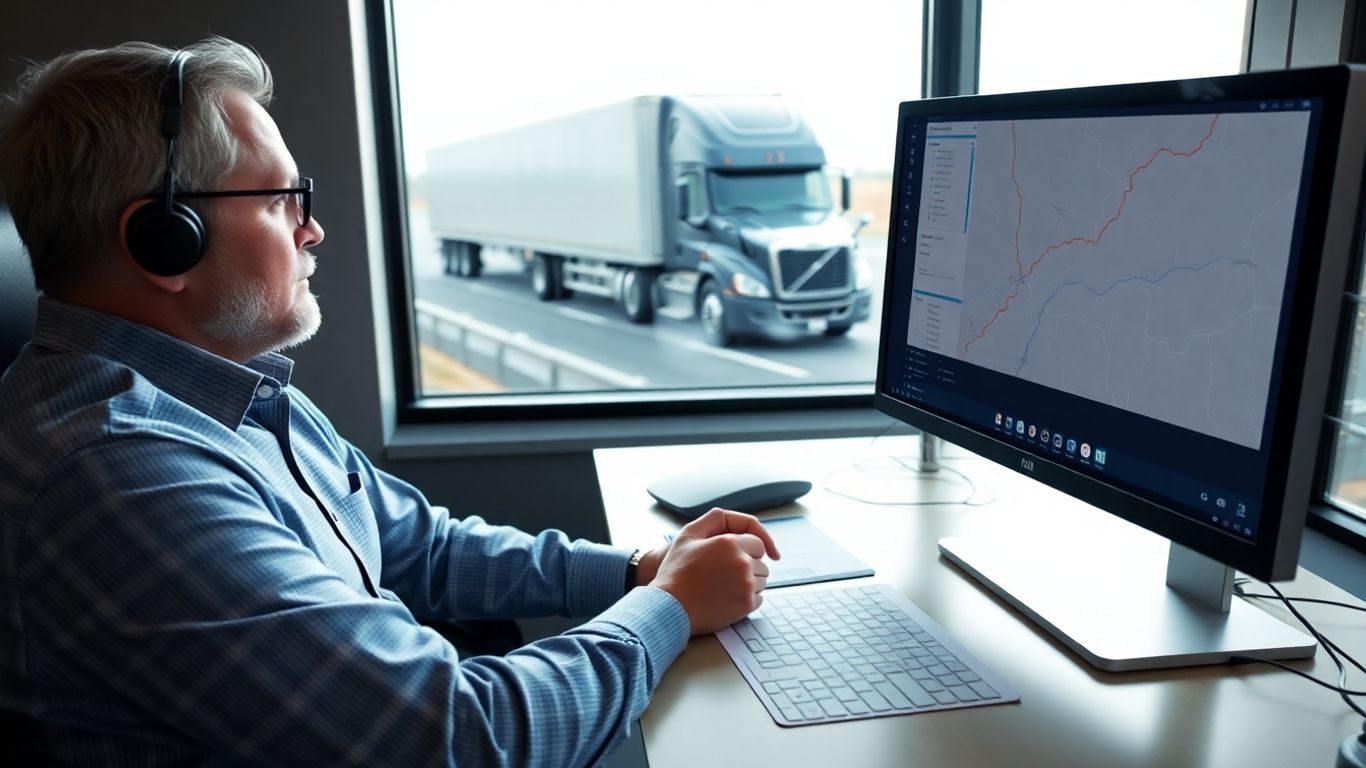
Alright, so you’ve got your authority, you’ve got your bond, and you’re ready to actually start doing business. This is where things get real. You need to set up shop, so to speak. It doesn’t have to be a fancy office building, especially when you’re just starting out. Lots of people begin from their homes, which is totally fine and saves a ton of cash.
Choosing Your Business Structure and Registration
First things first, you gotta decide how your business will be set up legally. Are you going solo as a sole proprietor? Or maybe an LLC sounds better for protecting your personal stuff? You’ll need to register your business with your state. This usually involves picking a business name and making sure it’s available. Then, you’ll likely need an Employer Identification Number, or EIN, from the IRS. Think of it like a social security number for your business, especially if you plan on hiring anyone down the line or opening a business bank account.
Setting Up Your Home Office or Operational Space
Even if you’re working from home, you need a dedicated space. This means having a reliable computer, a good internet connection, and a phone line – maybe even a separate business line. You’ll also need basic office supplies like a printer, paper, pens, and maybe a scanner. If you’re thinking bigger, you might consider a small office space, but for many, a home office is the way to go initially. It keeps those startup costs way down.
Implementing Essential Technology and Systems
Technology is your best friend in this business. You’ll absolutely need a Transportation Management System, or TMS. This software helps you keep track of loads, carriers, clients, and all that paperwork. It’s like your central command center. Load boards are also a must-have for finding available trucks and loads. Think of them as digital marketplaces for freight. You’ll also want systems for invoicing and managing your money. Getting these set up right from the start makes life so much easier as you grow.
Starting a business means being organized. Without good systems for tracking your work and your money, you’ll find yourself in a mess pretty quickly. It’s better to invest a little time and money upfront in the right tools than to spend double the time fixing mistakes later.
Building Your Client And Carrier Networks
Okay, so you’ve got your authority, maybe your bond is sorted, and you’re ready to start moving some freight. But here’s the thing: you can’t move freight if you don’t have anyone to move it for you (that’s your carriers) and no one to pay you for moving it (that’s your clients, or shippers).
Leveraging Load Boards For Carrier Connections
Load boards are pretty much the go-to for finding trucks. Think of them like a big online bulletin board where carriers post what trucks they have available, and you post what loads you need moved. It’s a quick way to see who’s out there and what they’re charging. You’ll want to get familiar with a few of the popular ones. When you find a carrier that looks good – maybe they’re in the right area, have the right kind of truck, and seem reliable – you’ll reach out. You’ll tell them about the load, the rate you’re offering, and any special instructions. It’s all about making that connection so the wheels start turning.
Strategies For Direct Client Prospecting
While load boards are great for carriers, you’ve got to actively go out and find the people who need their stuff shipped. This means picking up the phone and making cold calls. Yeah, it’s not everyone’s favorite thing, but it works. You’ll call companies, introduce yourself, and ask if they have any shipping needs. You can also send out emails, and if there are any industry events or trade shows happening, try to attend. It’s a good way to meet people face-to-face and hand out your business card. Think about businesses that ship a lot of goods – manufacturers, distributors, that sort of thing. They’re usually the ones who need help.
Cultivating Strong Client And Carrier Relationships
This is where the real money is made, long-term. It’s not just about finding a load and a truck once. It’s about making sure both the shipper and the carrier have a good experience so they want to work with you again. For your clients, that means being honest about pricing, keeping them updated on where their shipment is, and solving problems quickly if something goes wrong. For your carriers, it means paying them on time, treating them with respect, and not giving them loads that are a nightmare to pick up or deliver. If you do a good job, they’ll remember you. They might even start calling you directly when they have freight, or carriers might tell other drivers about you. It builds trust, and trust is what keeps the business flowing.
Building a solid network of both clients and carriers takes time and effort. It’s not something that happens overnight. You’ll have good days and bad days, but consistency and good communication are key to making it work.
Here’s a quick look at what you’ll be doing:
- For Clients:
- Finding companies that need freight moved.
- Negotiating rates for their shipments.
- Keeping them informed about their cargo’s status.
- Handling any issues that pop up during transit.
- For Carriers:
- Finding available trucks for your loads.
- Confirming rates and load details.
- Ensuring they have the right insurance and paperwork.
- Communicating pickup and delivery appointments.
Choosing Between Brokerage Career Paths

So, you’re thinking about getting into freight brokering, huh? That’s cool. It’s a field with a lot of potential, but like anything, there are different ways to jump in. You’ve got two main routes: going it alone and starting your own brokerage, or joining a company that’s already up and running. Each has its own set of pros and cons, and what’s right for you really depends on your personality, your risk tolerance, and what you want out of your career.
Launching Your Independent Brokerage Venture
This is the path for the true entrepreneur. You’re the boss, you make all the decisions, and you get to keep the lion’s share of the profits. It’s exciting because you’re building something from the ground up. You get to set your own company culture, choose your clients, and really shape your business how you see fit. Plus, the earning potential can be huge since there’s no one else taking a cut. You’ll need to handle everything though – getting your operating authority, securing that surety bond, setting up your office, finding clients, and managing all the finances. It’s a lot of work upfront, and there’s definitely more risk involved. You’re responsible for everything, from making payroll to dealing with any unexpected issues that pop up in the market. It’s not for the faint of heart, but if you’ve got the drive and the vision, it can be incredibly rewarding.
Joining An Established Freight Brokerage Firm
If the idea of starting your own business sounds a bit overwhelming, joining an existing freight brokerage firm might be a better fit. Think of it like this: you get to be part of a team that already has a system in place. They’ve likely got established relationships with shippers and carriers, so you don’t have to start from scratch finding business. You’ll probably get some training, and there’s a good chance of a more stable income, maybe a salary plus commission. It’s less risky because the company has already weathered the storms of market fluctuations and regulatory changes. However, you’ll have less control. Your autonomy might be limited, and your earning potential might not be as high as if you were running your own show. You’ll be working within their structure and following their rules. It’s a good way to get your foot in the door and learn the ropes without all the startup headaches. You can gain valuable experience that could later help you start your own firm down the line.
Evaluating Potential Brokerages For Employment
No matter which path you lean towards, doing your homework is key. If you’re thinking about joining an established firm, you need to look at them closely. What’s their reputation in the industry? Do they have a good track record with both clients and carriers? What kind of training and support do they offer new brokers? Ask about their commission structure, their company culture, and their growth opportunities. A good firm will be transparent about these things. You want to find a place where you feel supported and have a real chance to succeed. Don’t be afraid to ask tough questions. It’s your career, after all. You want to make sure you’re joining a company that aligns with your goals and values, not just taking the first job you’re offered. Remember, even with a stable job, your income is tied to your performance, so picking the right environment matters a lot.
Starting your own brokerage means you’re the captain of your ship, but it also means you’re responsible for every single decision, from charting the course to patching up leaks. Joining a firm is like being a skilled crew member on a well-established vessel; you have a role, you contribute to the journey, and you benefit from the ship’s existing momentum and resources, but you don’t steer the whole thing.
Here’s a quick look at the trade-offs:
- Independent Brokerage:
- Pros: Full control, higher profit potential, build your own brand.
- Cons: Higher risk, significant upfront effort, all responsibilities fall on you.
- Joining an Established Firm:
- Pros: Stability, lower startup costs, access to existing networks and resources, training provided.
- Cons: Less autonomy, potentially lower commission rates, working within company structure.
Financial Considerations For Freight Brokers
So, you’re thinking about becoming a freight broker. That’s cool. It’s a job where you can make some good money, but you gotta know how the money stuff works. It’s not just about finding loads and trucks; it’s about making sure the money flows right so your business stays afloat and you actually get paid.
Understanding Earning Potential And Income Streams
Your income as a freight broker isn’t really a set salary. It’s more like you earn a commission or a percentage of the profit from each load you move. Think of it like this: a shipper pays you a certain amount for a load, and you pay the carrier a different, lower amount. The difference? That’s your cut. The more loads you move and the better you are at negotiating those rates, the more you can potentially earn. It’s pretty much uncapped, which is a big draw for a lot of people. You can make a decent living, and if you’re really good, you can make a lot more than that. Some brokers make around $60,000 a year, but the top earners can pull in way over $90,000. It really depends on how hard you hustle and how smart you are with your deals.
Managing Invoicing And Cash Flow Effectively
This is where things can get a little tricky if you’re not careful. You’ve got to send out invoices to your clients, and then you’ve got to pay your carriers. Sometimes, the client pays you later than you expect, but the carrier needs to get paid pretty quickly. This gap can mess with your cash flow. You need enough money on hand to cover those carrier payments while you wait for your client’s check to clear. A lot of new brokers are told to keep about three to six months of operating expenses in their bank account just to be safe. If that sounds like a lot, some folks use something called freight factoring. Basically, you sell your invoices to a factoring company, and they give you cash right away, minus a fee. It helps keep the money moving, which is super important.
Here’s a quick look at some typical startup costs:
| Item | Estimated Annual Cost |
|---|---|
| Surety Bond | $1,500 – $6,000 |
| Insurance | $1,500 – $3,000 |
| Processing Agent Fees | $50 – $150 per agent |
| Load Board Access | $480 – $1,200 |
Exploring Insurance Options For Business Protection
Look, stuff happens. Trucks break down, appointments get missed, paperwork gets messed up. While not always a strict legal requirement to start, having the right insurance is a really good idea to protect your business. You’ll want to think about things like general liability insurance, which covers accidents, and errors and omissions insurance, which is basically for mistakes you might make in your work. There’s also contingent cargo insurance, which can help if the freight gets damaged or lost. It might seem like an extra expense, but it’s way better to have it and not need it than to need it and not have it, especially when you’re dealing with other people’s valuable goods.
Keeping a close eye on your finances is just as important as finding the next load. Without good cash flow and a solid plan for invoicing and payments, even the most successful broker can run into trouble. It’s all about balancing the money coming in with the money going out, and making sure you have enough buffer to handle unexpected delays.
Wrapping It Up
So, you’ve made it through the guide on becoming a trucking broker. It’s definitely a path that takes some effort, but the payoff can be pretty good. You don’t need a fancy degree to get started, and the market is growing, which is always a plus. Remember, building good relationships with shippers and carriers is key, and having a solid understanding of the rules and how to find loads will set you up for success. Whether you decide to work for yourself or join a bigger company, the trucking brokerage world offers a lot of flexibility and the chance to really control your income. It’s not always easy, but for those willing to put in the work, it can be a really rewarding career.
Frequently Asked Questions
What exactly does a freight broker do?
Imagine a freight broker as a helpful go-between. They connect companies that need to ship stuff (like furniture or food) with trucking companies that can move those goods. Brokers figure out the best way to get things from point A to point B, making sure everyone is happy with the price and the timing.
Do I need a special degree to become a freight broker?
Nope, you don’t need a college degree! Many successful freight brokers learned on the job or through special training programs. What really matters is being good at talking to people, solving problems, and being determined to succeed.
How much money can a freight broker make?
The earning potential is pretty great! While it varies, many freight brokers make a good salary, and those who are really skilled can earn a lot more. Your earnings depend on how well you negotiate and how many deals you close.
What are the first steps to becoming a freight broker?
First, get a good understanding of what the job involves. Then, you’ll need to get your operating authority from the government, which is like a license. You’ll also need to get a surety bond, which is a type of financial protection, and register with the UCR. Taking some training courses is also a smart move.
Can I start my own freight brokerage business from home?
Yes, you absolutely can! Many people start their own freight brokerage business right from their homes. It doesn’t cost a lot to get started, and you can work your own hours. You’ll need a computer, phone, and internet, of course.
How do freight brokers find companies to ship for and trucks to do the shipping?
Brokers use special online tools called ‘load boards’ to find available shipments and trucks. They also reach out directly to companies that need shipping services and build strong relationships with both shippers and trucking companies to keep business flowing smoothly.