Thinking about getting into trading but worried about losing money? That’s totally understandable. The markets can seem pretty wild at first. Luckily, there’s a way to get a feel for it all without putting your own cash on the line. A free demo trading account is your ticket to learning the ropes, trying out different approaches, and getting comfortable with how everything works. It’s like a practice run before you actually step onto the field.
Key Takeaways
- A free demo trading account lets you practice trading with fake money, so you don’t risk losing real cash.
- You can learn about market movements and how trading platforms work in a safe, no-pressure setting.
- It’s a great place to test out different trading strategies and see what works for you before you commit real funds.
- Using a demo account helps you build confidence and get used to making trading decisions without the stress of financial loss.
- Many brokers offer these accounts, making it easy to find one that fits your needs and start practicing right away.
Understanding the Value of a Free Demo Trading Account
Thinking about getting into trading, or maybe you’ve been around the block a few times but want to try something new? A free demo trading account is a pretty neat tool. It’s basically a practice ground where you get to play with virtual money, but the market conditions are real. This means you can get a feel for how things work without the stress of potentially losing your hard-earned cash. It’s a way to dip your toes in the water before you decide to go for a swim.
A Risk-Free Environment for Practice
The biggest draw here is the lack of financial risk. You’re given a set amount of virtual funds to play with, and whatever happens – wins or losses – it’s all pretend. This lets you experiment freely. You can try out different trades, see how quickly prices change, and get used to the whole process. It’s like test-driving a car before you buy it; you get to see if it fits your style and needs without any commitment. This simulated environment is perfect for getting comfortable with the mechanics of trading, from placing an order to understanding how different assets move. You can explore various trading strategies without any real-world consequences, making it an ideal starting point for anyone new to the financial markets. This is a great way to get a feel for how trading works.
Building Confidence Through Simulation
Let’s be honest, trading can seem intimidating. There’s a lot of information flying around, and the idea of real money on the line can make anyone nervous. A demo account helps chip away at that fear. By successfully making trades and seeing your virtual portfolio grow (or shrink, and then recover!), you start to build a sense of competence. You learn what works for you and what doesn’t, all in a low-pressure setting. This builds the confidence you’ll need when you eventually decide to trade with actual money. It’s about getting comfortable with the decisions you make and trusting your judgment.
Learning Market Dynamics Without Financial Loss
Markets are always moving, influenced by news, economic reports, and general sentiment. Trying to understand these shifts can be tough, especially when real money is involved. A demo account lets you observe these dynamics firsthand. You can see how a particular news event affects stock prices or how different economic indicators play out in real-time. This hands-on experience is invaluable for learning how to interpret market signals and react appropriately. You get to learn from mistakes, like missing a good entry point or exiting a trade too early, without the sting of financial loss. It’s a practical education in market behavior.
The true benefit of a demo account isn’t just about avoiding losses; it’s about gaining practical experience and developing a trading rhythm. You learn to manage your emotions, stick to a plan, and adapt to changing conditions, all of which are vital for long-term success in trading.
Key Features of a Demo Trading Account
So, you’re looking at a demo trading account, and you’re probably wondering what exactly you get with it. It’s not just some fake money thrown at you; these accounts are designed to feel pretty real. Think of it as a practice field before the big game.
Real-Time Market Data and Execution
One of the most important things a demo account gives you is a look at what’s happening in the market right now. You’ll see prices changing, just like they do for people trading with actual money. When you place an order in a demo account, it’s usually processed quickly, so you get a feel for how fast trades can go through. This is super important because market speed can really affect your results.
Advanced Trading Tools and Indicators
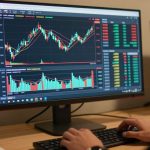
Most demo platforms come loaded with the same charting tools and technical indicators that serious traders use. We’re talking about things like moving averages, RSI, MACD, and volume analysis. Learning how to use these tools effectively is a big part of developing a trading plan. You can play around with different settings and see how they might signal potential buy or sell opportunities without any risk.
Order Types and Alert Capabilities
Demo accounts let you try out different ways of placing orders. You can experiment with market orders, limit orders, and stop-loss orders. A stop-loss order, for example, is set to limit how much you could lose on a trade. You can also set up alerts that notify you when a price hits a certain level or when a specific indicator changes. This helps you stay on top of potential moves without having to stare at the screen all day.
Options Analysis and Scenario Planning
Some demo accounts go a step further and offer tools for analyzing options or planning out different market scenarios. This might include an options calculator or a "what-if" feature. It lets you explore how different market events or price movements could impact your hypothetical trades. It’s a way to think ahead and prepare for various possibilities before they actually happen.
Mastering Trading Strategies with Virtual Funds
So, you’ve got your demo account set up and you’re ready to start playing around with it. This is where the real learning happens, folks. Think of this virtual money as your training wheels for the financial markets. It’s your chance to really put those trading ideas you’ve been reading about to the test, without the stomach-churning fear of losing your actual hard-earned cash. You can try out different approaches, see what sticks, and figure out what makes sense for you.
Testing and Optimizing Trading Plans
This is your sandbox. Got a hunch about how a certain stock might move after an earnings report? Go ahead and place a virtual trade. Want to see if a specific technical indicator actually helps you spot entry points? Now’s the time to experiment. You can set up a whole trading plan – deciding when to get in, when to get out, and how much to risk on each trade. Then, you can watch it play out. Did it work? Great! If not, no big deal. You can tweak the plan, adjust your rules, and try again. It’s all about refining your process until you feel comfortable and confident.
Here’s a simple way to think about testing:
- Define your strategy: What are the exact rules for entering and exiting a trade?
- Set your parameters: How much will you risk per trade? What’s your target profit?
- Execute virtually: Place trades based on your strategy using the demo account.
- Review and adjust: Did the trades go as planned? What could be improved?
Learning from Mistakes Without Real Consequences
We all make mistakes, especially when we’re new to something. The beauty of a demo account is that your errors don’t cost you anything. Maybe you jumped into a trade too early, or perhaps you held on for too long. You might have forgotten to set a stop-loss, and watched your virtual position slide further than you expected. Instead of feeling that sting of financial loss, you can simply note what happened, understand why it happened, and make sure you don’t repeat it when real money is on the line. It’s like practicing a presentation in front of a mirror before the big meeting – you can stumble, correct yourself, and get it right without any real-world embarrassment or penalty.
The market doesn’t care if you’re using real money or virtual money; it behaves the same way. Learning to manage your reactions to price swings and news events in a simulated environment is key to building discipline for when actual capital is at risk.
Adapting to Various Market Conditions
Markets aren’t always smooth sailing. Sometimes they’re trending upwards (bull markets), sometimes they’re heading down (bear markets), and sometimes they’re just all over the place with wild swings (volatile markets). A demo account lets you experience all of these without getting caught in a financial storm. You can practice strategies that might work well in a trending market and then switch gears to see how they hold up in a choppy, sideways market. This practice helps you become a more flexible trader, ready to adjust your approach based on whatever the market throws at you on any given day.
Navigating the Transition to Live Trading
So, you’ve spent some time with your demo account, feeling pretty good about how things are going. You’re placing trades, watching the virtual money grow (or shrink, let’s be honest), and you’re starting to think, ‘Okay, I’m ready for the real deal.’ That’s a big step, and it’s totally normal to feel a mix of excitement and maybe a little nervousness.
Smooth Progression from Demo to Live
Moving from simulated trades to using actual money isn’t usually an overnight switch. Most platforms are designed to make this shift feel natural. You’ve already learned the ropes of the platform, how to place orders, and maybe even some basic chart reading. The goal is to build on that foundation. Think of it like learning to drive; you start in a quiet parking lot, then move to quiet streets, and eventually, you’re on the highway. The demo account is your parking lot and quiet streets. The transition is about gradually getting comfortable with more complex situations.
Understanding the Impact of Real Financial Risk
This is where things get serious. While a demo account lets you practice without losing money, live trading means every decision has financial consequences. You might have gotten used to clicking ‘buy’ or ‘sell’ without a second thought on the demo. Now, that click could mean losing a portion of your actual capital. It’s a different kind of pressure. You need to be much more deliberate about your trades, your position sizing, and especially your risk management. Learning to manage your emotions when real money is on the line is perhaps the biggest hurdle. It’s not just about the charts anymore; it’s about managing your psychology too. You can explore how to make this transition with resources like EXNESS demo to real.
Leveraging Promotions for a Rewarding Shift
Sometimes, brokers offer special deals or bonuses when you first move to a live account. These can be a nice little boost. Maybe it’s a deposit bonus or some other incentive. While these promotions shouldn’t be the main reason you choose a broker, they can certainly make that initial step into live trading feel a bit more encouraging. Just be sure to read the terms and conditions carefully so you know exactly what’s involved.
The psychological shift from virtual to real money is significant. What felt like a game in simulation becomes a tangible risk. This is where discipline, honed during demo trading, truly proves its worth. Without it, even the best strategies can falter under the weight of real financial pressure.
Choosing the Right Free Demo Trading Account
So, you’ve decided to give a demo account a whirl. That’s a smart move! But with so many options out there, how do you pick the one that’s actually going to help you learn and not just waste your time? It’s not a one-size-fits-all situation, you know.
Assessing Your Skill Level and Needs
First off, be honest with yourself about where you’re at. Are you a complete beginner who doesn’t even know what a candlestick is? Or maybe you’ve dabbled a bit and want to test a specific strategy? Knowing this helps narrow things down. A beginner might want a platform that’s super simple to use, with lots of educational pop-ups. Someone more experienced might need access to more complex charting tools or a wider range of order types.
- Beginner: Focus on ease of use, clear layouts, and educational resources.
- Intermediate: Look for more charting tools, a variety of order types, and perhaps backtesting capabilities.
- Advanced: Seek out platforms with advanced analytics, customizable indicators, and fast execution simulation.
Comparing Platform Features and Tools
Once you know what you need, start looking at what different brokers actually provide. Don’t just go for the first one you see. Check out:
- Market Data: Does it show real-time prices? How many markets can you access (stocks, forex, crypto, etc.)?
- Trading Tools: What kind of charts are available? Are there technical indicators you recognize or want to learn?
- Order Types: Can you practice with market orders, limit orders, stop-loss orders? Some platforms offer more complex ones like OCO (one-cancels-the-other).
- Execution Speed: While it’s simulated, does the platform feel responsive? You want it to mimic real trading as closely as possible.
It’s easy to get dazzled by a long list of features, but really, you only need what’s relevant to your learning goals. More isn’t always better if you’re not going to use it.
Understanding Account Access and Limitations
This is where a lot of people get tripped up. Brokers often put limits on their demo accounts. You need to know these upfront:
- Duration: How long can you use the demo account? Some are 30 days, others might be longer, or even indefinite as long as you’re active. Make sure the time frame works for you.
- Virtual Funds: How much virtual money do you get? Is it a realistic amount for the markets you want to trade? Some might give you $100,000, which is great, but make sure it feels like a real trading balance for your goals.
- Account Type: Is the demo account exactly like their live account? Sometimes, demo platforms are simplified versions. Try to find one that mirrors the live trading experience as closely as possible.
Getting Started with Your Demo Account
So, you’ve decided to give a demo trading account a whirl. That’s a smart move! It’s like test-driving a car before you buy it, but for the financial markets. The first step is figuring out which broker to go with. There are a bunch of them out there, each with slightly different platforms and features. You’ll want to do a little digging to see which one feels right for you. Look at what kind of virtual money they give you, how long you can use the account, and what tools are included.
Once you’ve picked a broker, signing up is usually pretty straightforward. Most of them have a simple online form. You’ll probably need to give them some basic info, like your name and email. After that, they’ll send you instructions on how to activate your virtual account. This might involve clicking a link in an email or just confirming your details.
Researching and Signing Up with Brokers
Before you even think about signing up, take some time to compare different brokers. It’s not a one-size-fits-all situation. Some might offer more virtual cash, while others have fancier charting tools. Think about what you want to practice. Are you interested in stocks, forex, or maybe crypto? Make sure the broker you choose offers demo trading for the markets you’re curious about. A quick search online for "best forex demo accounts" or "stock trading demo accounts" can give you a starting point. Read reviews, but take them with a grain of salt – what works for one person might not work for another.
Activating and Logging Into Your Virtual Platform
After you’ve submitted your sign-up information, keep an eye on your inbox. You should get an email with the next steps. This usually includes a link to download the trading platform or a web address to log in directly. Sometimes, you might need to create a password for your demo account. Once you’ve got your login details, it’s time to get into the platform. It might feel a bit overwhelming at first, especially if you’re new to trading software, but remember, this is a safe space to explore.
Exploring Platform Features and Functionality
Now for the fun part: poking around! Don’t just jump into making trades. Spend some time getting to know the platform. Look at the different charts, see what indicators are available, and figure out how to place different types of orders. Most platforms will have a virtual portfolio section where you can see how your simulated trades are doing. It’s really important to understand all the buttons and menus before you start risking imaginary money.
Here’s a quick checklist of things to explore:
- Market Watch: See what assets are available and their current prices.
- Charting Tools: Experiment with different timeframes and drawing tools.
- Order Entry: Practice placing buy and sell orders, including stop-loss and take-profit levels.
- Account Summary: Check your virtual balance, profit/loss, and open positions.
Remember, the goal here isn’t to make a fortune with fake money. It’s about learning the ropes, getting comfortable with the technology, and building a solid foundation for when you decide to trade with real cash. Take your time, don’t be afraid to click around, and treat it like a real learning experience.
Ready to Take the Next Step?
So, you’ve explored the ins and outs of a demo trading account. It’s a fantastic way to get a feel for the markets, try out different strategies, and build up your confidence without any real money on the line. Think of it as your personal training ground. When you feel ready, making the switch to live trading becomes a much smoother process. Don’t let the opportunity pass you by to practice and learn. If you have questions or want to see what a good demo platform looks like, there are resources available to help you get started. Happy trading!
Frequently Asked Questions
What exactly is a free demo trading account?
Think of a demo trading account as a practice playground for trading. It lets you use fake money to try out buying and selling stocks, currencies, or other things on the stock market. It’s like playing a video game before you buy the real thing, so you can learn the rules and get good without any risk.
Why should I bother using a demo account if it’s not real money?
Even though it’s fake money, a demo account is super useful! You can learn how the market works, test out different trading ideas (strategies), and get comfortable using the trading platform. It’s a safe way to make mistakes and learn from them without losing any of your actual cash.
Can I really practice with real market prices on a demo account?
Yes! Most demo accounts show you live market prices and let you make trades just like you would with real money. This means you get a realistic feel for how prices change and how fast trades happen, which is important for learning.
How is a demo account different from trading with real money?
The biggest difference is that you can’t lose real money with a demo account. This means you also can’t make real money. Also, when real money is involved, people can feel scared or overly excited, which can affect their decisions. Demo trading helps you learn to control those feelings for when you trade for real.
How do I pick the best demo account for me?
Look for a demo account from a trading company (broker) that offers features you’re interested in. Check if it has the tools you need, if it’s easy to use, and how long you can use it. Think about what you want to learn and find an account that helps you do that.
When should I switch from a demo account to a real trading account?
You should switch when you feel confident with your trading skills, understand how the market works, and have a solid plan. It’s a good idea to feel comfortable making trades and managing your virtual money before you start using your own hard-earned cash.