So, you’re looking into forex trading, huh? It can seem like a lot at first, with all the charts and news. But there’s this one site, Forex Factory, that a lot of people use. Think of it like a central hub for information. It’s got tools, calendars, and a whole community of traders. This guide is all about how to make sense of Forex Factory, forex factory, and use it to help you trade smarter, not harder. We’ll break down how to find what you need and avoid some common slip-ups.
Key Takeaways
- Forex Factory is a free online resource with tools and information for forex traders, including an economic calendar, charts, and forums.
- The economic calendar on Forex Factory is vital for tracking market-moving events; pay attention to impact levels (red, orange, yellow) and actual vs. forecast data.
- Use Forex Factory’s tools like charts for quick analysis and the Trade Explorer to track your trading performance.
- The community forums on Forex Factory can be a source of ideas, but always test strategies on a demo account and avoid blindly copying others.
- Be aware of common mistakes, such as ignoring time zones, misinterpreting data, or trading without a clear plan, when using Forex Factory.
Navigating Forex Factory For Trading Insights
Forex Factory can seem like a lot at first glance, but once you get the hang of it, it becomes an indispensable tool for any forex trader. It’s not just about looking at charts; it’s about understanding the bigger picture and how different pieces of information fit together. Getting familiar with the site’s layout is the first step to making smarter trading decisions.
Understanding The Forex Factory Homepage Layout
The homepage is your central hub. Think of it like the dashboard of a car – it gives you a quick overview of what’s happening. You’ll see different sections, each serving a specific purpose. It’s designed to be pretty straightforward, even if you’re new to this.
Key Sections For Informed Trading Decisions
There are several main areas you’ll want to pay attention to:
- Calendar: This is where you’ll find all the upcoming economic events that could move the market. It’s color-coded by impact level, which is super helpful.
- Market: Here you can see live price action, market sessions, and even heat maps showing where the money is flowing.
- News: Get the latest news, filtered so you’re not overwhelmed by irrelevant stories.
- Forums: This is the community part. You can read about other traders’ strategies, see their trading journals, and join discussions.
- Brokers: If you’re still looking for a broker, this section gives you details on different ones, including their regulation status.
Customizing Your Forex Factory Experience
Don’t just stick with the default settings. You can tailor Forex Factory to your needs. For instance, you can set your time zone so the economic calendar events line up with your local time. You can also set up alerts for specific news events or currency movements. This personalization helps you focus on what matters most to your trading strategy and avoid information overload. It’s a good idea to explore the settings and see what options are available to make the platform work best for you. You can find a lot of useful information on how to use the Forex Factory forum to your advantage.
Leveraging The Forex Factory Economic Calendar
The economic calendar on Forex Factory is a really useful tool, maybe even the most important one for staying on top of what’s happening in the forex world. It’s basically a schedule of all the economic events that could shake up currency prices. Think of it as your heads-up for potential market moves. This calendar is designed for forex traders, providing advance notice of market-moving events.
Decoding Event Impact Levels
Not all news is created equal, right? The calendar shows this with color-coded impact levels for each event:
- Yellow (Low Impact): These usually don’t cause much of a stir in the markets.
- Orange (Medium Impact): These can move the market a bit, but probably won’t cause huge swings.
- Red (High Impact): These are the big ones. Think interest rate decisions, inflation reports (like CPI), or employment figures (like NFP). These can cause serious volatility, so beginners might want to sit these out or be extra careful.
Knowing the impact level helps you figure out which events are worth paying close attention to and which ones you can probably ignore.
Analyzing Actual vs. Forecast Data
This is where things get interesting. For many events, you’ll see three numbers:
- Previous: The number from the last time this report came out.
- Forecast: What most analysts are expecting to be reported this time.
- Actual: The number that was just released.
The market usually reacts based on how the ‘Actual’ number compares to the ‘Forecast’.
Here’s a simple way to think about it:
- If Actual > Forecast: This is often seen as good news for the currency. For example, if a country’s economic growth (GDP) is reported higher than expected, its currency might get stronger.
- If Actual < Forecast: This is often seen as bad news. If inflation comes in lower than expected, it might lead to a weaker currency.
For instance, if the forecast for U.S. inflation (CPI) was 3% and the actual number comes in at 4%, that higher-than-expected inflation could lead traders to expect the Federal Reserve to raise interest rates, which often strengthens the U.S. dollar.
Understanding these basic comparisons helps you grasp why currencies move after economic data is released, even without being an economist.
Effective Calendar Filtering Strategies
Looking at every single event on the calendar can be overwhelming. That’s why filtering is so important. Here are a few ways to make the calendar work better for you:
- Set Your Time Zone: This is super important. Make sure you set it to your local time zone so you know exactly when events are happening relative to your trading day. You can usually find this setting in the top right corner of the calendar.
- Filter by Impact Level: If you’re just starting out or want to focus on the big moves, filter to show only ‘Red’ (High Impact) events. This cuts out a lot of noise.
- Filter by Currency: If you primarily trade certain currency pairs, like EUR/USD or GBP/JPY, you can filter the calendar to only show events that affect the Euro, British Pound, or Japanese Yen. This helps you focus on the news most relevant to your trades.
By using these filters, you can turn the economic calendar from a confusing list into a targeted tool that helps you prepare for significant market events. You can find more details about upcoming economic occurrences on the Forex Factory calendar itself.
Utilizing Forex Factory Tools For Analysis
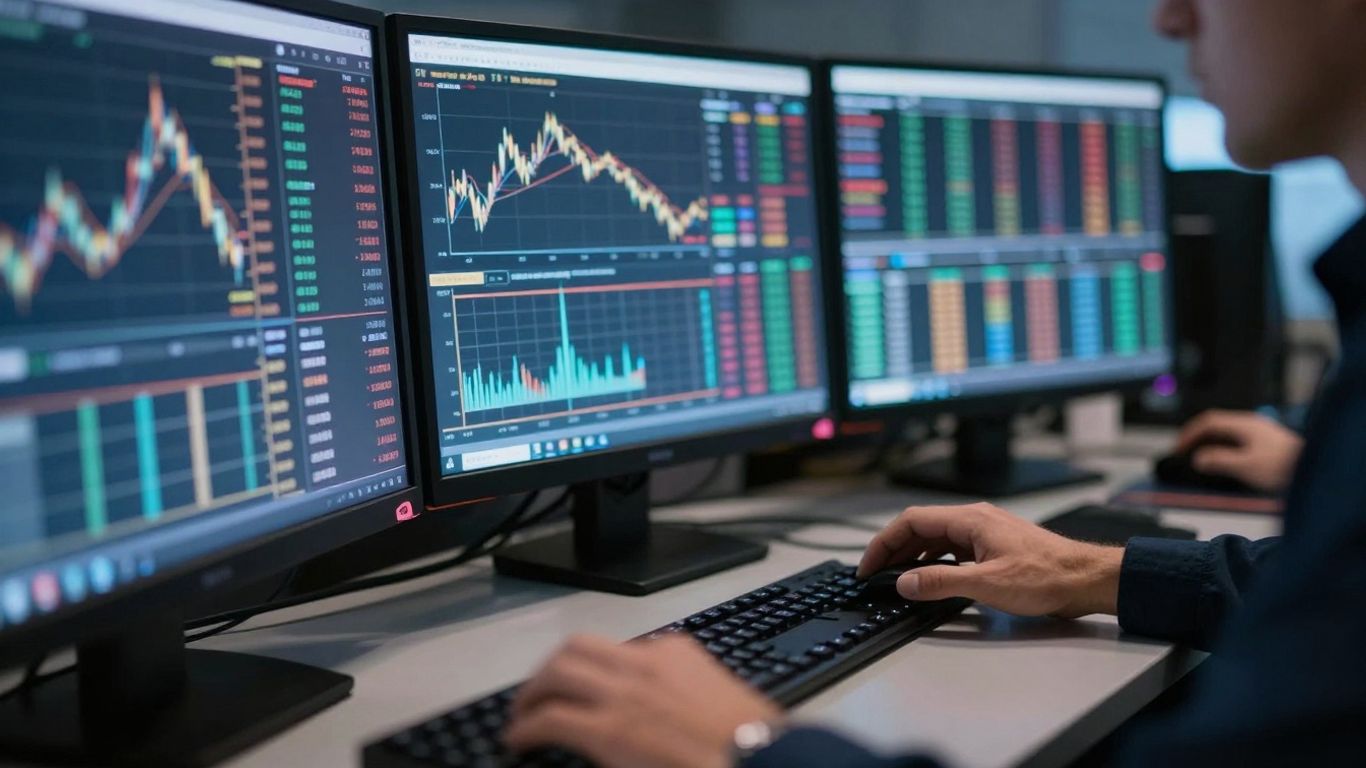
Forex Factory isn’t just about news and calendars; it’s packed with tools that can really help you get a handle on your trading. Think of them as your digital workbench. You’ve got charts for quick visual checks, a way to track your own performance, and even info on brokers to keep you safe.
Forex Factory Charts For Quick Analysis
When you need to see what the market’s doing right now, the charts on Forex Factory are pretty handy. They’re not overly complicated, which is good. You can see price action, add a few common indicators if you like, and easily switch between different timeframes. These charts are great for getting a fast snapshot of a currency pair’s movement without needing to open a separate charting platform. They’re a solid starting point for any quick analysis you need to do before diving into deeper research or placing a trade.
Trade Explorer For Performance Tracking
This is where you get honest with yourself about your trading. The Trade Explorer connects to your actual trading account and pulls in your trade history. It then breaks it down into useful stats. You can see things like:
- Your win rate – how often you’re right.
- Your risk-to-reward ratios – are you making more on winners than you lose on losers?
- Your drawdowns – how much your account balance has dropped from its peak.
- A detailed trade history – so you can review past decisions.
Looking at this data regularly helps you spot patterns in your own trading, good and bad. It’s a reality check that can guide you toward improving your strategy.
Broker Information For Safer Choices
Choosing the right forex broker is a big deal, and frankly, it can be a bit of a minefield. Forex Factory provides detailed profiles on a ton of brokers. This includes information on where they are regulated, what trading platforms they offer, and other key features. This section is particularly useful for beginners who might not know what to look for in a reputable broker. It helps you compare options and avoid those that might not be on the up-and-up, which is super important for keeping your money safe. You can find a lot of useful discussions about different brokers in the Forex Factory forums.
Making informed decisions about your trading tools and the platforms you use is just as important as the trading strategy itself. Don’t skip over these details; they can save you a lot of headaches down the line.
Engaging With The Forex Factory Community
Forex Factory isn’t just about charts and calendars; it’s also a massive hub where traders from all over the world hang out. Think of it like a digital coffee shop for people who love talking about the markets. You can learn a ton here, but you’ve got to be smart about it. It’s easy to get lost in all the chatter, so knowing where to look and how to filter is key.
Learning From Trading Journals
One of the most interesting parts of the community is the trading journals. These are basically diaries where traders log their trades, their thoughts, and what they learned. It’s like getting a behind-the-scenes look at someone else’s trading journey. You can see what worked for them, what didn’t, and why. It’s a great way to pick up on different approaches without having to make the mistakes yourself.
Here’s what you might find in a typical journal:
- Trade Setup: What currency pair, what time, what indicators were used.
- Entry and Exit Points: Exactly where they got in and out of the trade.
- Reasoning: Why they took the trade in the first place.
- Outcome: Whether it was a win or a loss, and the profit or loss amount.
- Lessons Learned: What they’ll do differently next time.
It’s a goldmine for seeing real-world trading in action.
Participating In Strategy Discussions
Beyond individual journals, there are forums dedicated to discussing trading strategies. People post their setups, ask questions, and debate different methods. You’ll find discussions on everything from simple moving average crossovers to complex algorithmic trading. It’s a place to bounce ideas around and get feedback from a wide range of traders. Just remember, not everyone giving advice is a seasoned pro, so take it all with a grain of salt.
Safely Gaining Ideas From Other Traders
When you’re looking at what others are doing, it’s super important to be careful. The Forex Factory community is huge, and while there’s a lot of good stuff, there’s also a lot of noise. You don’t want to just copy someone’s trades without understanding why they did it. That’s a fast track to losing money.
Here are a few tips for staying safe:
- Look for consistency: Follow traders who have a long track record of posting their results and analysis.
- Question everything: If a strategy sounds too good to be true, it probably is. Avoid anything promising guaranteed profits.
- Test on demo: Before you even think about putting real money on the line, test any strategy you find interesting on a demo account. See if it works for you and your trading style.
- Focus on learning, not copying: Use the forum to understand concepts and get new ideas, not to blindly follow signals.
The Forex Factory community can be a fantastic resource for learning and growth, but it requires a discerning eye. Treat it as a place to gather information and perspectives, not as a source of infallible trading advice. Always cross-reference what you learn with your own research and risk management plan.
Mastering News Trading With Forex Factory
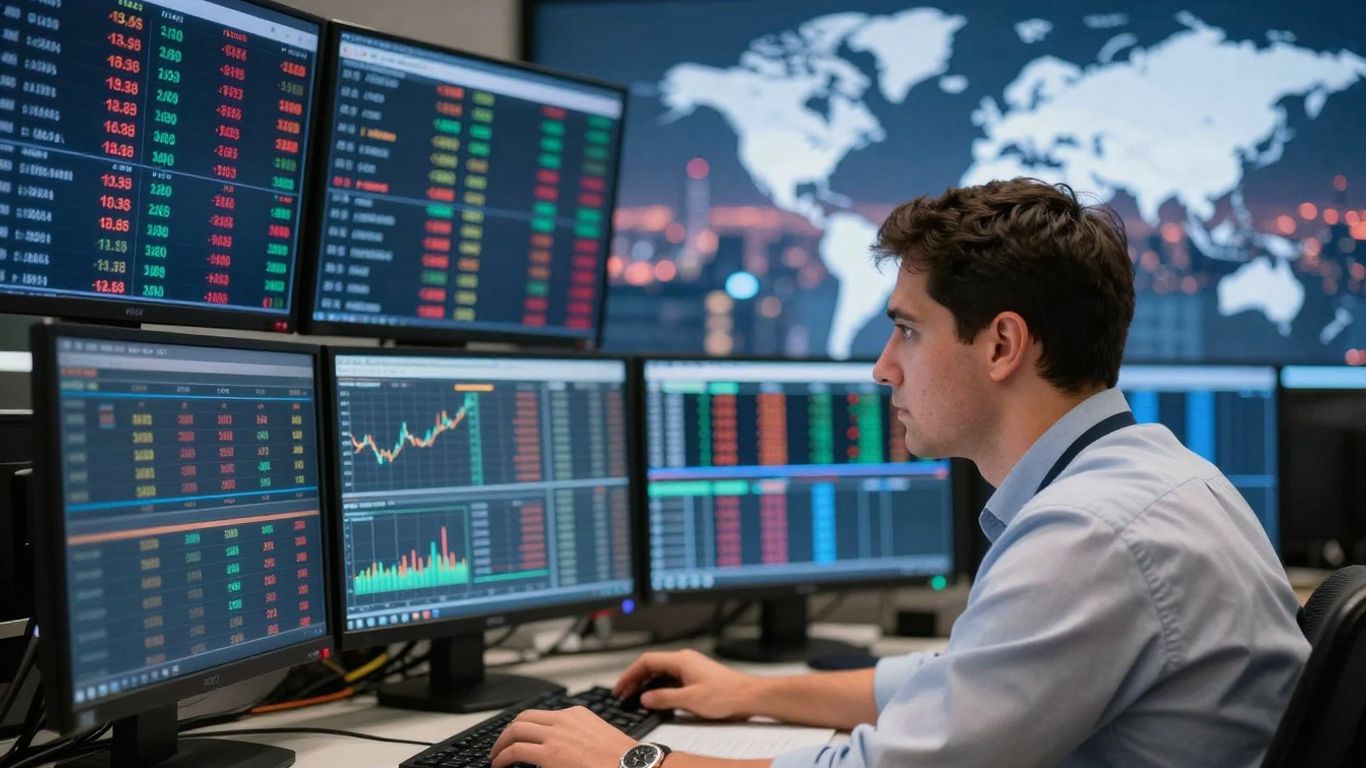
News trading on Forex Factory can give you an edge over other traders, especially if you know how to read the calendar right and manage the storm of price swings when news drops. The platform makes it easy to spot market-moving events and plan your trades, but it’s not as easy as just following the headlines.
Identifying High-Impact News Events
High-impact news can shift the forex market in seconds, so you want to make sure you’re watching the right events. On Forex Factory’s calendar, every news release is color-coded:
| Impact Level | Color | Usual Market Effect |
|---|---|---|
| High | Red | Big, quick price movements |
| Medium | Orange | Moderate, sometimes choppy swings |
| Low | Yellow | Usually muted, little movement |
- Focus on the red events, as they often line up with sharp market drops or rallies
- Examples include US Non-Farm Payrolls (NFP), Interest Rate decisions, and Central Bank statements
- Apply filters for currency and impact to declutter the calendar
Reacting To Economic Data Releases
It’s not enough to just know something is happening; how you react matters. Here are some steps to handle news drops:
- Check the time and double-check your own time zone settings (start early!)
- Compare the actual numbers to the forecast and previous results
- Watch spreads and volatility—sometimes they jump right as the news hits
- Wait for the first price reaction to settle instead of trading during the initial chaos
Many traders get swept up in news-related swings, but if you take a step back and look at how price settles after an announcement, you’ll often find better opportunities and less stress.
Risk Management During Volatile News
Trading during news releases is risky, and even experienced traders get caught out. A few smart habits can protect your account:
- Keep trade sizes small around major events
- Use stop-loss orders but understand they can slip in fast markets
- Avoid opening new trades seconds before high-impact news
And remember: Not every news event is worth trading. Sometimes, not taking a trade is the best move.
Avoiding Common Pitfalls On Forex Factory
Forex Factory is a goldmine of information, but like any powerful tool, it can lead you astray if you’re not careful. It’s easy to get caught up in the sheer volume of data and opinions, and before you know it, you’ve made a costly mistake. Let’s talk about some common traps beginners (and even some experienced traders) fall into.
Blindly Following Forum Strategies
The forums on Forex Factory are buzzing with ideas, strategies, and success stories. It’s tempting to just pick a strategy that looks good and run with it. But here’s the thing: what works for one trader might not work for you. People have different risk tolerances, capital levels, and trading styles. Plus, not everyone posting is a consistently profitable trader; some might just be sharing a lucky streak or an unproven idea. Always test any strategy you find on a demo account before risking real money.
- Verify the source: Look for traders with a long history and consistent results, not just flashy posts.
- Understand the logic: Don’t just copy-paste. Make sure you grasp why a strategy is supposed to work.
- Adapt, don’t adopt: See if you can tweak a strategy to fit your own trading plan and risk management.
Trading Without A Clear Plan
Forex Factory offers so much data – economic calendars, news feeds, charts, and community discussions. It’s easy to get distracted and jump into trades based on a sudden news event or a popular forum opinion. But without a defined trading plan, you’re essentially gambling. Your plan should outline your entry and exit rules, risk management per trade, and the specific market conditions you’re looking for.
Jumping into trades without a plan is like setting sail without a map or a destination. You might drift for a while, but eventually, you’ll likely end up lost at sea.
Misinterpreting Economic Data
The economic calendar is fantastic, but understanding the data is key. A number might look good or bad on the surface, but its real impact depends on context. Was it higher or lower than expected? How does it compare to previous releases? What’s the overall economic sentiment? For instance, a slightly lower-than-expected inflation number might seem bad, but if it’s part of a trend of cooling inflation, it could be seen positively by central banks, potentially weakening a currency in the short term.
- Actual vs. Forecast: Always compare the released number to the consensus forecast.
- Previous Data: Look at the prior release to gauge the trend.
- Impact Level: Focus on high-impact events (usually marked with red folders) as they tend to move markets more significantly.
Overlooking Time Zone Settings
This might seem minor, but it’s a classic mistake that can throw off your entire trading day. Forex Factory’s economic calendar defaults to a specific time zone. If you’re not in that zone and forget to adjust your settings, you might think a news event is hours away when it’s actually happening right now, or vice versa. This can lead to missed opportunities or, worse, getting caught in unexpected volatility.
Wrapping It Up
So, we’ve gone through what Forex Factory is all about. It’s a pretty solid place to get information, whether you’re just starting out or you’ve been trading for a while. The economic calendar is a big deal, and the forums can be useful, but you gotta be smart about what you read there. Just remember, no website, not even Forex Factory, can promise you’ll make money. Trading is risky, plain and simple. Use the tools, learn from the community, but always do your own homework and trade carefully. It’s a good resource, for sure, but it’s just one piece of the puzzle.
Frequently Asked Questions
What exactly is Forex Factory?
Think of Forex Factory as a big online hub packed with helpful stuff for people who trade currencies, like dollars and euros. It’s like a library and a community center for traders, offering news, tools, and a place to chat with others who trade.
How can Forex Factory help me trade better?
Forex Factory gives you important information, like an economic calendar that tells you when big money news is coming out. It also has charts to see how prices are moving and forums where you can learn from or discuss ideas with other traders.
What’s the deal with the economic calendar on Forex Factory?
The economic calendar is super useful! It lists important events, like when governments talk about interest rates or when jobs numbers are released. It shows if these events are expected to have a small, medium, or big effect on currency prices, helping you know when to pay attention.
Can I trust the information and advice on Forex Factory forums?
Forex Factory is a popular place, but it’s important to be smart. While many traders share good ideas, not all advice is perfect. It’s best to use the forums to get ideas, but always test them yourself and don’t just copy what others do without thinking.
Are there any tools on Forex Factory to track my own trading?
Yes! Forex Factory has something called ‘Trade Explorer.’ If you link your trading account, it can show you how well you’re doing, like how often you win trades and how much you’re making or losing. It helps you see what’s working and what’s not.
Is Forex Factory difficult for someone just starting out?
It can seem like a lot at first, but Forex Factory is designed to be user-friendly. The website has clear sections for news, calendars, and forums. It’s recommended to start by checking the economic calendar and maybe looking at some beginner discussions in the forums.