Looking for the best forex broker in the USA for 2025? It can feel like a maze out there, with so many options and rules to keep track of. Don’t worry, I’ve got you covered. This guide will walk you through what really matters when picking a broker, from understanding the local rules to finding platforms that actually work for you. We’ll even check out some top choices for the coming year, so you can trade with confidence. Let’s make sure you pick a good one!
Key Takeaways
- US forex brokers follow strict rules from groups like the CFTC and NFA, which helps keep your money safe.
- When picking a broker, think about their trading platforms, how much they charge (spreads), and what currency pairs you can trade.
- Some brokers, like tastyfx, stand out in the US market for good reasons.
- Many brokers offer popular trading software like MetaTrader, plus their own special tools.
- In the US, there are rules about how much leverage you can use, so it’s good to know those limits.
Understanding US Forex Broker Regulations
It’s easy to get lost in the world of forex, especially when you’re trying to figure out who’s legit and who isn’t. In the US, things are pretty strict, which is actually a good thing for us traders. Let’s break down the main players and what they do.
Navigating CFTC Oversight
The Commodity Futures Trading Commission (CFTC) is the big boss when it comes to regulating forex brokers in the US. They’re the ones making sure everyone plays by the rules. Think of them as the police of the forex world. They set the standards, issue licenses, and generally keep an eye on things to prevent fraud and manipulation. Any broker that wants to operate legally in the US has to register with the CFTC and follow their guidelines. This includes maintaining a certain amount of capital and reporting their activities. It’s a pain for the brokers, sure, but it gives us some peace of mind.
The Role of the NFA in US Forex
Alongside the CFTC, you’ve got the National Futures Association (NFA). The NFA is a self-regulatory organization. They work with the CFTC to enforce the rules and protect traders. They have their own set of rules and regulations that brokers have to follow, and they also handle disputes between brokers and clients. The NFA also provides educational resources for traders, which can be super helpful if you’re just starting out. They’re like the CFTC’s right-hand best forex brokers, helping to keep the market fair and transparent.
Ensuring Broker Compliance and Security
So, how do these regulations actually help us? Well, for starters, they force brokers to be transparent about their fees and trading practices. No more hidden charges or shady deals. They also require brokers to keep client funds separate from their own, so if the broker goes belly up, your money is safe. Plus, there are strict rules about leverage, which can help prevent traders from taking on too much risk. It’s not a perfect system, but it’s a lot better than the Wild West. To start trading forex in the U.S., it’s important to choose a forex broker comparison tool that is well-regulated and licensed in the U.S. by the CFTC and the NFA.
Basically, these regulations are there to protect us from getting ripped off. They make sure that brokers are financially stable, transparent, and accountable. It might seem like a lot of red tape, but it’s worth it for the added security.
Here’s a quick rundown of what regulated brokers typically offer:
- Segregated accounts for client funds
- Transparent pricing and fee structures
- Compliance with strict capital requirements
- Access to dispute resolution mechanisms
Key Factors for Selecting a Top US Forex Broker
Okay, so you’re trying to pick a forex broker in the US, huh? It can feel like a minefield out there. There are a few things I always look at before even considering a broker. It’s not just about who has the flashiest website or the catchiest ads. It’s about finding a solid, reliable platform that fits your trading style and keeps your money safe. Let’s break down the important stuff.
Evaluating Trading Platforms and Tools
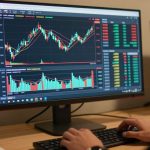
First off, the platform itself. Is it easy to use? Does it have the charts and indicators you need? A good platform can make or break your trading experience. I’ve used some platforms that felt like they were designed in the Stone Age, and trust me, it’s not fun. Look for a platform that’s intuitive, responsive, and offers a good range of technical analysis tools. Mobile trading is also a big plus these days. I like to keep an eye on the market even when I’m not at my desk.
Assessing Spreads and Trading Costs
Next up: costs. This is where things can get tricky. You need to understand the spreads, commissions, and any other fees the broker charges. A low spread might look great at first glance, but sometimes it comes with higher commissions. It’s all about finding the right balance. Here’s a quick example:
| Broker | Spread (EUR/USD) | Commission per Lot |
|---|---|---|
| Broker A | 0.8 pips | $5 |
| Broker B | 1.2 pips | $0 |
In this case, which is better depends on your trading volume. If you’re trading big, Broker B might be cheaper overall, even with the higher spread. Don’t forget to factor in overnight fees if you hold positions for longer periods. It all adds up!
Considering Available Currency Pairs
Finally, think about the currency pairs you want to trade. Most brokers offer the major pairs like EUR/USD, GBP/USD, and USD/JPY. But if you’re interested in more exotic pairs, you’ll need to make sure the broker offers them. Also, pay attention to the liquidity of those pairs. Less liquid pairs can have wider spreads and be more volatile. Remember, US forex traders should use brokers registered with the CFTC and NFA members, as these brokers adhere to strict regulations.
Choosing a forex broker is a personal decision. What works for one trader might not work for another. Take your time, do your research, and don’t be afraid to try out a few different platforms before settling on one. Good luck!
Top-Rated US Forex Brokers for 2025
Okay, so you’re looking for the best forex broker in the US for 2025? It’s a big decision! There are a lot of options out there, and it can be tough to figure out which one is right for you. I’ve been messing around with forex for a while now, and I’ve got some thoughts on who’s looking good this year.
In-Depth Review of tastyfx
Let’s talk about tastyfx. They’ve been making waves, and for good reason. Their platform is pretty slick, especially if you’re into options trading too. They’ve got some cool features that I haven’t seen anywhere else. I like their focus on education; it’s not just lip service, they actually put out some helpful stuff. The fees are competitive, but you’ll want to dig into the specifics based on your trading style.
Comparing Leading US Forex Broker Offerings
Alright, so how do the big players stack up? It’s not always easy to compare apples to apples, but here’s a quick rundown:
- Platform: Some brokers are all about MetaTrader MetaTrader 4 Brokers, while others have their own proprietary platforms. It really comes down to personal preference.
- Spreads: This is a big one. Lower spreads mean more money in your pocket. Keep an eye out for brokers that offer tight spreads, especially on major currency pairs.
- Customer Service: You don’t think about it until you need it, but good customer service is essential. Look for brokers with responsive and helpful support teams.
Broker Strengths and Unique Features
Each broker has something that makes them stand out. Some are known for their advanced charting tools, while others excel at providing in-depth market analysis. Here’s a few things to consider:
- Research: Does the broker provide quality research and analysis? This can be a huge help in making informed trading decisions.
- Mobile App: A good mobile app is a must-have in today’s world. Make sure the broker’s app is user-friendly and packed with features.
- Account Types: Does the broker offer different account types to suit different trading styles and experience levels?
Choosing a forex broker is a personal decision. What works for one trader might not work for another. Take your time, do your research, and find a broker that fits your needs and trading style. Don’t be afraid to try out a few different brokers before settling on one. Good luck!
Advanced Trading Features and Platforms
It’s not just about basic buy and sell anymore. The best forex brokers offer a suite of advanced tools and platforms to help you analyze the market and execute trades with precision. Let’s take a look at what’s out there.
Exploring MetaTrader 4 and 5 Options
MetaTrader 4 (MT4) and MetaTrader 5 (MT5) are industry standards for a reason. They’re packed with features and widely supported by brokers. MT4 is known for its simplicity and Expert Advisors (EAs), which automate trading strategies. MT5 is more advanced, offering more timeframes and technical indicators. Many traders still prefer MT4 because it removes the clutter that more bells and whistles can sometimes lead to.
- Customizable Indicators: Both platforms allow you to create or import custom indicators.
- Automated Trading: EAs can execute trades based on pre-defined rules.
- Backtesting: Test your strategies on historical data.
Proprietary Trading Software Advantages
Some brokers develop their own platforms, and these can offer unique advantages. These platforms are designed to integrate seamlessly with the broker’s services and may offer features not found elsewhere. For example, OANDA Trade integrates Advanced Charts by TradingView to give you more than 65 technical indicators and drawing tools. Proprietary platforms often have a more user-friendly interface and can be tailored to the specific needs of forex traders.
Proprietary platforms can offer a more streamlined experience, but it’s important to consider whether they provide all the tools and features you need. Check if the platform has the charting capabilities, order types, and analysis tools you rely on.
Tools for Trade Analysis and Execution
Beyond the platforms themselves, brokers provide a range of tools to help you analyze the market and execute trades effectively. These can include:
- Economic Calendars: Stay informed about upcoming economic events that could impact currency prices.
- News Feeds: Get real-time news and analysis from reputable sources.
- Technical Indicators: Use indicators like moving averages, RSI, and MACD to identify potential trading opportunities.
Here’s an example of how different platforms stack up in terms of technical indicators:
| Platform | Number of Indicators | Customization |
|---|---|---|
| MetaTrader 4 | 30 | Yes |
| MetaTrader 5 | 38 | Yes |
| OANDA Trade | 65+ | Limited |
| tastyfx Platform | 80+ | Yes |
Ultimately, the best platform and tools for you will depend on your individual trading style and preferences. Take the time to explore the available trading platforms and features offered by different brokers before making a decision.
Leverage and Margin Considerations for US Traders

Understanding Permitted Leverage Ratios
Okay, so let’s talk about leverage. It’s like borrowing money to trade more than you actually have. Sounds cool, right? It can be, but it’s also risky. In the US, there are rules about how much leverage Forex brokers can offer. It’s not a free-for-all. The CFTC and NFA keep an eye on things.
- Maximum leverage for major currency pairs is often capped.
- Smaller or exotic pairs usually have even lower leverage limits.
- These limits are there to protect you from blowing up your account too fast.
Managing Margin Requirements Effectively
Margin is basically the deposit you need to keep your leveraged trades open. If your trades go south, and your account balance dips too low, you could get a margin call. Not fun. Managing your margin is super important. Think of it like this: you need to have enough gas in the tank to finish the race.
- Always know your broker’s margin requirements.
- Use stop-loss orders to limit potential losses.
- Don’t over-leverage your account – it’s tempting, but dangerous.
High Leverage Broker Options in the USA
Finding a broker that offers high leverage in the US can be tricky because of the regulations. You won’t find crazy high leverage like you might see with some offshore brokers. But there are still options. Just remember, higher leverage means higher risk. It’s a trade-off.
It’s easy to get caught up in the potential for big wins with high leverage, but it’s really important to understand the risks. Start small, learn the ropes, and don’t bet the farm on any single trade. Seriously, it’s not worth it.
Here’s a quick look at typical leverage ratios:
| Currency Pair Type | Example | Typical Leverage | Risk Level |
|---|---|---|---|
| Major | EUR/USD | 50:1 | Moderate |
| Minor | GBP/JPY | 20:1 | Higher |
| Exotic | USD/TRY | 10:1 | Very High |
It’s a good idea to check out a demo account before you start trading with real money. That way, you can get a feel for how leverage works without risking any of your own cash.
Customer Support and Educational Resources
Choosing a forex broker isn’t just about spreads and leverage; it’s also about the support you’ll receive and the resources available to help you become a better trader. Let’s face it, the forex market can be confusing, and having a reliable broker that offers solid customer service and educational materials can make a huge difference, especially if you’re just starting out.
Evaluating Broker Customer Service Channels
When it comes to customer support, you want options. A broker should offer multiple channels for getting in touch, including phone, email, and live chat. I’ve found that live chat is often the quickest way to get answers to simple questions, while phone support is better for more complex issues. Email is fine for things that aren’t urgent. It’s also worth checking the hours of operation for customer support. Is it 24/7, or only during business hours? This can be a big deal if you trade outside of normal market hours. Responsiveness is key. No one wants to wait days for a reply to an important question. Some brokers even offer dedicated account managers for larger accounts, which can be a nice perk.
Here’s a quick rundown of what to look for:
- Multiple contact methods: Phone, email, live chat.
- Hours of operation: Ideally 24/7, or at least extended hours.
- Response time: Quick and efficient replies.
- Knowledgeable staff: Representatives who can actually answer your questions.
Access to Educational Materials and Webinars
Education is super important, especially for new traders. The best brokers provide a range of educational resources, including articles, videos, webinars, and even courses. Look for brokers that offer materials for different skill levels, from beginner to advanced. A good trading journal template can be a great way to track your progress and learn from your mistakes. Webinars are also a great way to learn from experienced traders and ask questions in real-time. Some brokers even offer one-on-one coaching or mentoring programs, but these are usually reserved for high-value clients.
Having access to quality educational resources can significantly improve your trading skills and confidence. Don’t underestimate the value of learning from experienced traders and continuously expanding your knowledge of the forex market.
Support for Beginner and Experienced Traders
Brokers should cater to both beginners and experienced traders. Beginners need basic educational materials and a user-friendly platform. Experienced traders, on the other hand, might be more interested in advanced trading tools and features. A good broker will offer a range of account types to suit different trading styles and experience levels. For example, a beginner might start with a micro account, while an experienced trader might prefer an ECN account with tighter spreads. It’s also worth checking if the broker offers a demo account, which allows you to practice trading without risking real money. This is a great way to get familiar with the platform and test out different strategies before you start trading live. TastyFX offers excellent educational materials, which is a big plus for new traders.
Funding and Withdrawal Options
Okay, so you’ve picked a broker, you’re ready to trade. Now, how do you actually get money in and out of your account? This part is super important, and it’s something a lot of new traders don’t think about enough. You want it to be easy, fast, and cheap (or free!).
Minimum Deposit Requirements
Minimum deposits can really vary between brokers. Some want you to put down a hundred bucks to start, others let you start with practically nothing. For example, FOREX.com has a low minimum deposit requirement of only $100. It’s not a bad thing, since you’d need to deposit at least that much to start opening trades anyway. It really depends on your budget and how seriously you’re taking this. If you’re just testing the waters, a lower minimum is obviously better. But if you’re planning to trade seriously, a slightly higher minimum might not be a big deal.
Available Deposit Methods
This is where things can get interesting. Most brokers will take the usual suspects: debit cards (Visa, Mastercard), bank transfers (ACH), and wire transfers. Some might also offer e-wallets like PayPal or Skrill. The more options, the better, right? It gives you flexibility. Just make sure you check if there are any fees associated with certain methods. Nobody likes surprise fees!
Efficient Withdrawal Processes
Okay, you’ve made some winning trades (hopefully!), and now you want to cash out. How easy is it to get your money back? This is where some brokers shine, and others… not so much. Look for brokers that offer fast withdrawals, ideally within 24-48 hours. Also, check for withdrawal fees. Some brokers offer free withdrawal methods, which is a huge plus. The last thing you want is to lose a chunk of your profits to fees just to get your money back.
It’s always a good idea to test the withdrawal process with a small amount before you deposit a large sum. This way, you can see how efficient the broker is and if there are any hidden fees or delays. Better safe than sorry!
Here’s a quick table showing some common deposit and withdrawal methods and potential fees:
| Method | Deposit Fee | Withdrawal Fee | Speed |
|---|---|---|---|
| Debit Card | Usually Free | Sometimes Fees | 1-3 Days |
| Bank Transfer | Usually Free | Sometimes Fees | 1-5 Days |
| Wire Transfer | Sometimes Fees | Often Fees | 1-3 Days |
| E-Wallets | Sometimes Fees | Sometimes Fees | 24-48 Hours |
Remember, this is just a general guide. Always check with your specific broker for their exact fees and processing times. Happy trading!
Picking Your Forex Broker for 2025
So, we’ve gone over a bunch of stuff about picking a forex broker in the USA for 2025. It’s pretty clear there’s no single ‘best’ option for everyone. What works for one person might not work for another, and that’s totally fine. The main thing is to think about what you need. Do you want super low fees, or are you more interested in a platform that’s easy to use? Maybe you need specific trading tools, or maybe customer support is a big deal for you. Take your time, look at a few different brokers, and try to match them up with your own trading style and goals. Doing a little homework now can really help you out later on. Good luck!
Frequently Asked Questions
What exactly is a forex broker?
A forex broker is a company that lets you buy and sell different currencies. Think of it like a middleman for trading money from one country to another. They give you the tools and platform to make these trades.
Who keeps an eye on US forex brokers?
In the USA, forex brokers are watched over by important groups like the CFTC and NFA. These groups make sure brokers play by the rules, keeping your money safe and making sure trading is fair. It’s super important that your broker follows these rules.
What should I look for in a good US forex broker?
When picking a broker, look at a few things: how easy their trading platform is to use, how much they charge for trades (called ‘spreads’), and what different currency pairs you can trade. Also, check their customer support and if they have helpful learning materials.
What is leverage in forex trading?
Leverage lets you trade with more money than you actually have in your account. While this can mean bigger profits, it also means bigger losses if the trade goes bad. In the US, there are limits on how much leverage you can use to protect traders.
Can I try out a forex broker without using real money?
Yes, many US forex brokers offer demo accounts. These are like practice accounts where you can trade with fake money. It’s a great way to learn the ropes and test out strategies without risking your real cash.
How do I put money into and take money out of my trading account?
Most brokers offer several ways to put money in and take money out, like bank transfers, credit/debit cards, and sometimes online payment systems. Always check their website for the exact options and any minimum amounts needed.