Picking the right forex broker can feel like a big deal, especially with so many options out there. It’s not just about finding a place to trade; it’s about finding a partner that fits how you like to trade, whether you’re just starting out or you’ve been at it for a while. We’ve looked into what makes a forex broker stand out in 2025, covering everything from their rules and fees to the tools they give you. This guide should help you figure out which forex broker best suits your personal trading style and needs.
Key Takeaways
- When looking for the best forex broker, check their regulatory status. Brokers regulated by trusted authorities are generally safer.
- Compare fees and spreads carefully. Even small differences can add up, especially if you trade often.
- Consider the trading platforms and tools offered. Make sure they match your skill level and trading strategy.
- Research educational resources and customer support. Good support and learning materials can be very helpful, especially for new traders.
- Think about the range of assets you can trade and the account options available to find a forex broker best suited for your specific goals.
Understanding Your Forex Broker Options
Choosing the right forex broker is a big step, and honestly, it can feel a bit overwhelming at first. Think of it like picking a partner for a journey; you want someone reliable, who knows the way, and has the right tools for the road ahead. This section is all about getting you familiar with what makes a forex broker tick, so you can make a smart choice. We’ll break down the key things to look for, why regulations matter, and how to figure out the costs involved. The goal is to equip you with the knowledge to spot a broker that truly fits your trading style and goals.
Key Features of a Top Forex Broker
When you’re sifting through the many forex brokers out there, certain features tend to pop up consistently among the best ones. It’s not just about having a trading platform; it’s about the quality and breadth of what they provide. Here’s what to keep an eye out for:
- Trading Platforms: Look for platforms that are stable, easy to use, and offer the tools you need. Some brokers have their own, while others support popular ones like MetaTrader. The best platforms provide real-time data and fast execution.
- Account Types: Different traders have different needs. See if they offer various account types, like standard, mini, or even Islamic accounts, to match your deposit size and trading preferences.
- Execution Speed: How quickly are your trades processed? Fast execution is super important, especially if you’re a more active trader, as delays can cost you money.
- Customer Support: When things go wrong, or you just have a question, good support is a lifesaver. Check if they offer support through multiple channels (phone, email, chat) and during your trading hours.
A broker’s platform is your main window into the market. It needs to be reliable, intuitive, and equipped with the charting and analysis tools that help you make informed decisions. Don’t underestimate the importance of a smooth user experience; it can make a big difference in your day-to-day trading.
Regulatory Compliance and Trustworthiness
This is a big one. You’re trusting a broker with your money, so you need to know they’re legitimate and play by the rules. Regulatory bodies are there to protect traders, and a broker’s compliance with them is a strong indicator of their trustworthiness.
- Regulators to Look For: In major markets, you’ll see regulators like the FCA (UK), ASIC (Australia), CFTC (US), and CySEC (Cyprus). A broker regulated by a reputable authority means they adhere to strict financial standards.
- Segregated Accounts: This means your funds are kept separate from the broker’s own operational funds. It’s a safeguard in case the broker runs into financial trouble.
- Transparency: A trustworthy broker is open about their fees, terms, and conditions. You shouldn’t have to dig too hard to find important information.
Evaluating Broker Fees and Spreads
Forex brokers make money in a few ways, and understanding these costs is key to managing your trading budget. The two main things to watch out for are spreads and commissions.
- Spreads: This is the difference between the buying (ask) price and the selling (bid) price of a currency pair. Brokers either offer fixed spreads or variable spreads, which can fluctuate based on market conditions. Lower spreads generally mean lower costs for you.
- Commissions: Some brokers, especially those offering very tight spreads, might charge a commission on each trade. This is usually a set amount per lot traded.
- Other Fees: Be aware of potential fees like overnight financing (swap fees) if you hold positions overnight, inactivity fees if your account is dormant, and withdrawal fees.
Here’s a quick look at how some common costs might stack up:
| Fee Type | Description |
|---|---|
| Spread | Difference between buy and sell price; a primary cost for most traders. |
| Commission | A fee charged per trade, often by ECN brokers with tighter spreads. |
| Swap/Financing | Cost or credit for holding positions overnight, based on interest rate differentials. |
| Inactivity Fee | Charged if your trading account remains unused for a specified period. |
It’s really about finding a balance. A broker might have slightly wider spreads but no commissions, or vice versa. You need to figure out which structure works best with your trading strategy and volume.
Choosing the Best Forex Broker for Your Trading Style

Alright, so you’ve got your trading strategy in mind, and now it’s time to find a forex broker that actually fits how you like to trade. It’s not a one-size-fits-all situation, you know? What works for someone who’s just starting out might be totally different from what a seasoned pro needs. Let’s break down which brokers are good for different types of traders.
If you’re new to the forex game, you want a broker that makes things easy to understand and offers plenty of help. Think of it like learning to drive – you want a car that’s easy to handle and an instructor who’s patient. For beginners, AvaTrade often gets a nod. They have a decent range of currency pairs, and importantly, they provide educational materials to help you get up to speed. It’s about having a supportive environment while you’re still figuring things out.
- Educational Resources: Look for brokers with tutorials, webinars, and demo accounts. A demo account lets you practice with fake money, which is super useful.
- User-Friendly Platform: The trading platform shouldn’t feel like rocket science. It needs to be intuitive so you can focus on learning to trade, not on figuring out the software.
- Good Customer Support: When you’re starting, you’ll have questions. Having support that’s easy to reach and actually helpful makes a big difference.
Starting out in forex can feel overwhelming. The key is to find a broker that doesn’t add to that confusion. They should guide you, not leave you lost.
Now, if you’re past the basics and know your way around a trading chart, you’re probably looking for more sophisticated tools and maybe tighter spreads. Advanced traders often gravitate towards brokers like Pepperstone. They’re known for offering advanced trading features and a good selection of currency pairs. Speed of execution and access to different trading platforms are usually big on the checklist here.
- Advanced Charting Tools: Access to a wide array of technical indicators and drawing tools is a must.
- Low Spreads and Commissions: For active traders, even small differences in spreads can add up, so competitive pricing is key.
- Multiple Trading Platforms: The ability to use platforms like MetaTrader 4 or 5, or even proprietary platforms with advanced features, is often preferred.
Active traders, whether they’re beginners or advanced, are usually defined by how much they trade. If you’re in and out of the market frequently, you’ll want a broker that rewards that activity. CMC Markets is often mentioned in this category. They tend to offer benefits for those who trade a lot, like potential discounts or rebates. It’s all about getting the best bang for your buck when you’re constantly in the market.
- Volume-Based Discounts: Some brokers offer better pricing if you trade a certain volume each month.
- Rebate Programs: You might get a portion of your trading costs back, depending on your activity.
- Fast Execution: For active traders, getting trades in and out quickly without slippage is really important.
Navigating Forex Broker Platforms and Tools
When you’re looking for a forex broker, the platform they use is a big deal. It’s basically your control center for everything. Think of it like choosing a car – you want one that runs smoothly, has the features you need, and is easy to handle. The platform is where you’ll see prices, place trades, and use all those fancy charting tools. So, picking the right one can really make or break your trading experience.
Exploring Proprietary Trading Platforms
Some brokers build their own trading software, and these are called proprietary platforms. They can be pretty neat because the broker designs them specifically for their services. This often means they’re tailored to the assets the broker offers and might have unique tools you won’t find elsewhere. For example, a broker might create a platform with a really intuitive interface for beginners or include some special analytical features that their research team developed. It’s worth checking out what makes their in-house platform stand out. These platforms are often designed with a specific type of trader in mind.
Leveraging Popular Platforms like MetaTrader
Then there are the big names in trading software that many brokers offer. MetaTrader 4 (MT4) and MetaTrader 5 (MT5) are super popular. You’ll find tons of brokers supporting them, and for good reason. They’re known for being reliable, having a huge range of technical indicators, and allowing for automated trading with something called Expert Advisors. If you’re into custom strategies or want to automate your trades, MT4 or MT5 are usually a solid bet. Many traders also like using TradingView because of its advanced charting capabilities and social networking features for traders.
Mobile Trading Capabilities
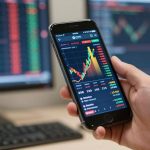
These days, you don’t always need to be at your desk to trade. Most brokers offer mobile apps for your smartphone or tablet. This is super handy for keeping an eye on your trades while you’re out and about, or even placing a quick order if needed. When you’re checking out a broker, see if their mobile app is user-friendly and has the main features you’d expect, like real-time quotes and the ability to manage your open positions. It’s not just about checking prices; you want to be able to trade effectively on the go.
Here’s a quick look at what to consider for mobile trading:
- Ease of Use: Is the app intuitive and simple to navigate?
- Functionality: Can you place all order types, set stop-losses, and view charts?
- Performance: Does the app run smoothly without crashing or lagging?
- Alerts: Does it offer customizable price alerts?
Choosing the right platform and understanding its tools is just as important as picking the right broker. It’s the interface through which you’ll interact with the markets, so make sure it fits your style and needs.
Forex Broker Selection in Key Regions
When you’re looking for a forex broker, where you live can actually make a difference. Different countries have different rules, and some brokers just focus on certain areas. So, it’s smart to check out what’s available and what’s allowed where you are.
Best Forex Brokers in Canada
Canadian traders have a good number of solid options. The main thing to look for here is a broker regulated by the CIRO (Canadian Investment Regulatory Organization). This gives you a layer of protection. Some popular choices that accept Canadian residents and are regulated include:
- Interactive Brokers: Known for its low spreads and $0 minimum deposit, it’s a strong contender.
- CMC Markets: Also offers a $0 minimum deposit and is regulated.
- FOREX.com: Requires a $100 minimum deposit but is also regulated and accepts US traders, which can be a plus if you trade across borders.
- OANDA: Another broker with a $0 minimum deposit, making it accessible.
- AvaTrade: Offers a $100 minimum deposit and is regulated.
It’s important to note that regulations can change, so always double-check the current status of any broker you’re considering.
Top Forex Brokers for U.S. Traders
For traders in the United States, the regulatory landscape is quite strict, primarily overseen by the CFTC (Commodity Futures Trading Commission) and the NFA (National Futures Association). This means fewer brokers are available, but those that are must meet high standards. Some of the top picks for U.S. traders often include:
- FOREX.com: Consistently ranks high for its platform, range of assets, and regulatory compliance.
- tastyfx (formerly IG US): Known for its competitive pricing and robust trading tools.
- TradeStation: Offers advanced charting and a powerful platform, though it might be more geared towards experienced traders.
When choosing a U.S. broker, pay close attention to the types of accounts offered (like NFA-regulated accounts) and the specific trading platforms they provide. The selection might seem smaller, but the focus is on security and regulatory adherence.
International Forex Broker Considerations
If you’re trading internationally or looking at brokers not based in Canada or the U.S., the list of potential brokers expands significantly. However, this also means you need to be extra careful about regulation. Look for brokers regulated by reputable authorities in major financial hubs like the UK (FCA), Australia (ASIC), or Europe (CySEC, BaFin). Brokers like Saxo and Pepperstone are often mentioned for their wide range of services and advanced features, and they accept traders from many countries.
When considering an international broker, think about:
- Regulatory Body: Is it a well-known and respected regulator?
- Account Segregation: Are your funds kept separate from the broker’s operational funds?
- Payment Methods: Can you easily deposit and withdraw funds from your location?
- Customer Support: Is support available in your language and during your trading hours?
Trading with a broker regulated in a major jurisdiction generally offers more investor protection. While some offshore brokers might offer lower minimum deposits or higher leverage, the risks can be considerably higher if something goes wrong.
Here’s a quick look at how some brokers stack up for international traders, keeping in mind that availability can vary by country:
| Broker | Accepts U.S. Traders | Regulated By (Example) | Min. Deposit | Avg. EUR/USD Spread | Tradable Pairs |
|---|---|---|---|---|---|
| IG | No | FCA, ASIC, etc. | $0 | ~0.9 | 80+ |
| XTB | No | FCA, CySEC, etc. | $0 | ~0.7 | 71 |
| AvaTrade | Yes | FCA, ASIC, etc. | $100 | ~0.93 | 55 |
| Pepperstone | No | FCA, ASIC, etc. | $0 | ~0.8 | 62 |
| CMC Markets | No | FCA, ASIC, etc. | $0 | ~1.3 | 175+ |
| FOREX.com | Yes | CFTC, NFA, FCA, etc. | $100 | ~1.4 | 87 |
| tastyfx | Yes | CFTC, NFA, FCA, etc. | $100 | ~0.8 | 80+ |
| Saxo | No | FCA, ASIC, etc. | $0 | ~0.7 | 225 |
Assessing Broker Research and Educational Resources
When you’re picking a forex broker, don’t just look at the flashy trading platforms or the lowest fees. What kind of help and information do they actually give you? This stuff is super important, especially when you’re starting out or trying to get better at trading. A good broker will have solid research tools and learning materials.
Market Analysis and Trading Tools
Think about what kind of market insights you need. Do you want daily news updates, in-depth economic calendars, or maybe some technical analysis charts? Some brokers provide really basic stuff, while others have sophisticated tools that can help you spot trends or understand economic events. It’s worth checking out what kind of data and analysis they offer before you commit.
Here’s a quick look at what you might find:
- News Feeds: Real-time updates on market-moving events.
- Economic Calendars: Schedules of upcoming economic data releases.
- Chart Analysis Tools: Indicators and drawing tools for technical analysis.
- Market Sentiment Indicators: Gauges of overall trader sentiment.
Educational Content for Skill Development
This is where you can really build your trading knowledge. Look for brokers that offer a range of educational materials. This could be anything from beginner guides and video tutorials to webinars and articles on advanced trading strategies. The more they invest in helping you learn, the better equipped you’ll be to make smart trading decisions.
- Beginner Guides: Step-by-step instructions on how forex trading works.
- Video Tutorials: Visual explanations of trading concepts and platform usage.
- Webinars: Live or recorded sessions with market experts.
- Glossaries: Definitions of common forex trading terms.
- Ebooks and Courses: More structured learning paths for different skill levels.
Customer Support Quality
When things go wrong, or you just have a simple question, how easy is it to get help? Good customer support is a lifesaver. You want to know you can reach them when you need to, whether it’s through live chat, phone, or email. Test them out if you can – ask a few questions before you even sign up. See how quickly and how well they respond. A broker that makes it hard to get support probably isn’t one you want to deal with long-term.
Good customer service isn’t just about fixing problems; it’s about making you feel confident and supported as a trader. It shows they care about your experience beyond just taking your money.
It’s a good idea to see if they offer support in your native language and during your typical trading hours. Some brokers have 24/7 support, which is great if you trade odd hours.
Comparing Forex Broker Offerings

When you’re looking for a forex broker, it’s not just about the flashy platform or the promise of big returns. You’ve got to dig into what they actually offer, because that’s what’s going to matter for your day-to-day trading. Think of it like picking a car – you wouldn’t just buy the one that looks fastest; you’d check the gas mileage, the cargo space, and if it fits your budget, right? Same idea here.
Range of Tradable Assets
This is pretty straightforward. What can you actually trade with this broker? Some brokers stick to just the major currency pairs, while others give you access to a huge menu of forex pairs, plus things like commodities, stocks, indices, and even cryptocurrencies. If you’re a forex purist, maybe a smaller selection is fine. But if you like to diversify or want the option to branch out later, a broker with a wider array of assets is probably a better bet. For instance, Saxo is known for having a massive selection, way over 200 forex pairs and tons of other financial products. On the other hand, some brokers might focus on a more curated list, which can sometimes mean better pricing or a simpler interface if you’re just starting out.
Account Minimums and Deposit Options
How much cash do you need to get started? This can vary a lot. Some brokers have a $0 minimum, which is great if you’re just testing the waters or have a smaller amount to invest. Others might require $100, $250, or even more. It’s not just the minimum, though. Think about how you can actually get money into your account. Do they accept bank transfers, credit cards, e-wallets? Make sure their deposit methods are convenient for you. A broker like Interactive Brokers or CMC Markets lets you start with $0, which is pretty sweet.
Active Trader Discounts and Rebates
If you plan on trading a lot, you’ll want to look into what brokers offer for active traders. This can come in the form of discounts on spreads, rebates on your trading volume, or special pricing tiers. It’s basically the broker saying, "Thanks for trading with us so much, here’s a little something back." These discounts can add up, especially if you’re making a high volume of trades. It’s worth checking the fine print to see if the broker you’re considering has a program like this and if your expected trading activity would qualify you for any benefits. It’s not always advertised front and center, so you might have to do a little digging.
Don’t get caught up in just one feature. A broker might have the lowest spreads but a terrible platform, or a huge asset range but an account minimum you can’t meet. You need to weigh all these factors together to find the best fit for your personal trading situation. It’s all about balance and what works for you.
Wrapping It Up
So, picking the right forex broker isn’t just about picking the first one you see. It really comes down to what you need. Are you just starting out and need a simple platform with lots of learning materials? Or maybe you’re a seasoned pro looking for advanced tools and a huge range of currency pairs. We looked at a bunch of brokers, checking out their fees, what you can trade, how easy their apps are to use, and if they’re regulated properly. Remember, the best broker for your friend might not be the best one for you. Take your time, figure out your own trading style and goals, and then match that up with what a broker actually offers. It might take a little digging, but finding that perfect fit will make your trading journey a whole lot smoother.
Frequently Asked Questions
What should I look for when picking a forex broker?
When choosing a forex broker, think about what’s most important to you. Check if they are regulated by a trusted authority, what fees they charge (like spreads and commissions), and if their trading platform is easy for you to use. Also, see if they offer the currency pairs you want to trade and if they have good customer support.
Are all forex brokers the same?
No, not at all! Brokers can be very different. Some are better for people just starting out, while others have advanced tools for experienced traders. They also vary in the types of accounts they offer, the fees they charge, and the trading platforms they use.
How do I know if a forex broker is safe to use?
A safe forex broker will be regulated by official financial organizations in their country. This means they have to follow strict rules to protect your money. Always look for brokers that are overseen by well-known regulators like CIRO in Canada, or similar bodies in other countries.
What are spreads and commissions, and why do they matter?
Spreads are the difference between the buying and selling price of a currency pair. Commissions are fees you might pay for each trade. Both add to your trading costs, so it’s smart to compare brokers and find ones with low spreads and reasonable commissions that fit your trading style.
Can I trade forex on my phone?
Yes, most modern forex brokers offer mobile trading apps. These apps let you check prices, place trades, and manage your account from anywhere. It’s a great feature for traders who want to stay connected to the market on the go.
What’s the difference between a beginner and an advanced forex broker?
Brokers for beginners usually have simpler platforms, more educational materials, and maybe lower minimum deposit requirements. Advanced brokers often provide more complex charting tools, a wider range of order types, and access to sophisticated trading strategies, which can be overwhelming for new traders.