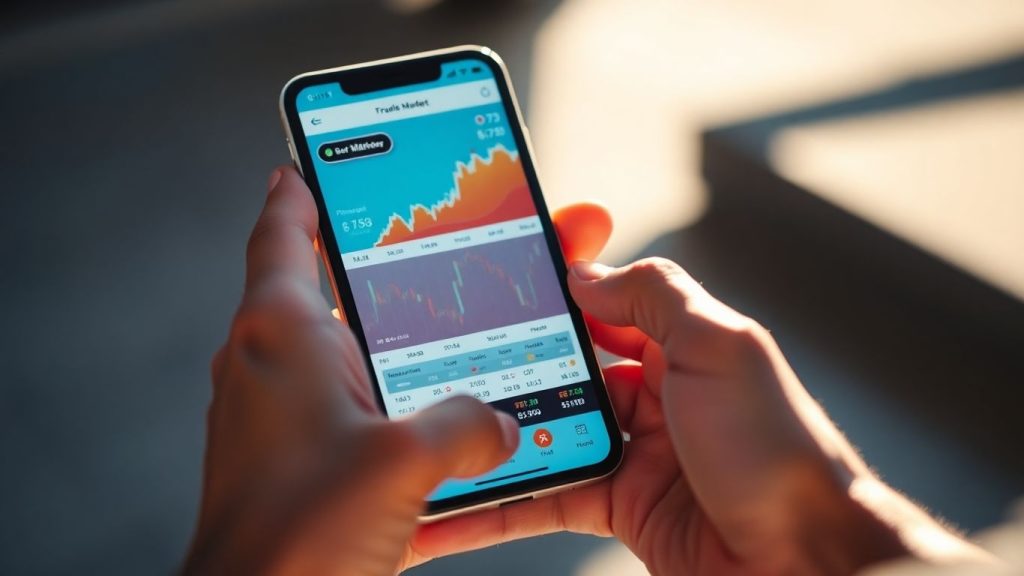
Thinking about getting into forex trading? It can seem pretty intimidating at first, all those charts and numbers. But guess what? There’s a super simple way to get a feel for it without risking any of your hard-earned cash. Yep, we’re talking about a demo forex trading account. It’s like a practice run, a sandbox for your trading ideas. You get to play around with all the tools, learn the ropes, and see if this whole forex thing is for you, all from the comfort of your own computer. No pressure, no losses, just pure learning.
Key Takeaways
- A demo forex trading account lets you practice trading without using real money, making it a safe place to learn.
- You can explore the trading platform, test out different features, and get comfortable with how everything works.
- It’s perfect for trying out your trading strategies and seeing how they perform before you commit real funds.
- While demo accounts are great for practice, remember they don’t fully replicate the emotional pressure of real trading.
- Many brokers offer free demo forex trading accounts, giving you access to currency pairs and market data.
Mastering Forex Trading With A Demo Account
Think of a demo forex trading account as your personal training ground. It’s a place where you can get a feel for the markets, learn the ropes, and figure out how everything works without any real money on the line. This is super important because, let’s be honest, jumping straight into live trading with your hard-earned cash can be pretty intimidating. A demo account lets you practice all the ins and outs of trading, from understanding how to place an order to seeing how different currency pairs move.
Understanding The Purpose Of A Demo Forex Trading Account
The main reason to use a demo account is simple: practice without the pressure of losing money. It’s like learning to ride a bike with training wheels. You can wobble, you can fall (virtually, of course), and you can get back up and try again until you feel steady. This simulated environment lets you get familiar with the trading platform, learn how to use its tools, and understand the basic mechanics of forex trading. You can see how prices change, how to enter and exit trades, and what happens when you set stop-loss or take-profit orders. It’s all about building a solid foundation before you start risking actual capital.
Key Features To Explore In Your Demo Account
When you open a demo account, you’ll usually get access to a virtual balance, often around $10,000, which you can use to make simulated trades. You’ll also get the full trading platform, complete with charts, technical indicators, and news feeds. It’s a good idea to play around with these features:
- Charting Tools: Get comfortable reading price charts for different currency pairs. See how they move over time and try drawing trendlines or support/resistance levels.
- Technical Indicators: Experiment with indicators like moving averages or the RSI. Learn what they show and how they might help you spot potential trading opportunities.
- Order Types: Practice placing different kinds of orders – market orders, limit orders, stop orders. Understand how each one works and when you might use it.
- Currency Pairs: Most demo accounts give you access to a wide range of currency pairs. Spend time looking at how different pairs behave; some are more volatile than others.
A demo account is designed to mimic real trading conditions as closely as possible. However, it’s important to remember that the emotional aspect of trading with real money is absent. This can lead to taking more risks than you might in a live environment.
Leveraging A Demo Account For Skill Development
Using a demo account effectively means more than just clicking around. It’s about actively trying to develop your trading skills. You can use it to test out different trading strategies you’ve read about or come up with yourself. For example, you might try a strategy that focuses on trading during specific news events or one that relies heavily on technical indicators. You can also practice managing your trades – how much to risk on each trade, when to cut your losses, and when to let your profits run. This practice helps you build discipline and learn from your simulated mistakes without any real financial consequences.
Navigating The Demo Forex Trading Environment
Getting started with a demo account is pretty straightforward, but it’s the how you use it that really matters. Think of it as your personal training ground before you step into the actual ring.
Setting Up Your Demo Forex Trading Account
First things first, you’ll need to sign up for a demo account. Most brokers make this easy. You’ll usually just need to provide some basic info like your name and email address. Once that’s done, you’ll get your login details. It’s like getting the keys to a practice car – no real consequences if you bump it.
Familiarizing Yourself With The Trading Platform
Once you’re in, take some time to just look around. Don’t rush into trading. Get comfortable with where everything is. This means understanding:
- The layout: Where are the charts? Where do you see your balance? How do you find different currency pairs?
- Order types: Learn about market orders, limit orders, stop orders. They all do different things, and knowing them is key.
- Tools: Play around with the charting tools, indicators, and any other features the platform offers. See what they do and how they might help you spot opportunities.
The platform you use for demo trading is often the same one you’ll use for live trading. So, getting really good at using it now means one less thing to worry about later when real money is on the line.
Placing Simulated Trades And Managing Positions
Now for the fun part: making trades! Start small. Place a few simulated trades on different currency pairs. Don’t just buy or sell randomly; try to have a reason, even if it’s just a guess at first. Then, watch what happens. If you open a position, learn how to set your stop-loss and take-profit levels. These are super important for managing risk, even with fake money. See how the market moves against your trade, or in your favor. It’s all about getting a feel for the flow without the stress of losing your own cash.
Strategic Application Of Demo Forex Trading
Testing And Refining Your Trading Strategies
This is where the real fun begins with your demo account. You get to play around with different ways of trading without the worry of losing your own money. Think of it like a chef trying out new recipes in a test kitchen before serving them to customers. You can take a strategy you’ve read about, or one you’ve come up with yourself, and see how it holds up in simulated market conditions. Does it work when the market is calm? What about when things get a bit wild? You can tweak the entry and exit points, adjust your risk management settings, and really get a feel for what makes it tick. The goal is to build a strategy that’s not just theoretical, but proven in practice.
Experimenting With Different Trading Styles
Forex trading isn’t one-size-fits-all. Some people like to make quick trades throughout the day (day trading or scalping), while others prefer to hold positions for longer periods (swing trading or position trading). Your demo account is the perfect sandbox to try these out. You can see if the fast-paced nature of scalping suits your personality, or if you’d rather have a more laid-back approach. You might find that a strategy that looks good on paper just doesn’t feel right when you’re actually executing trades, or vice-versa. It’s all about finding what fits your lifestyle and how you think.
Utilizing Analytical Tools In A Risk-Free Setting
Most trading platforms come packed with all sorts of charts, indicators, and drawing tools. These are your eyes and ears in the market, helping you spot patterns and potential opportunities. With a demo account, you can spend hours learning how to use these tools without any pressure. You can overlay different indicators, see how they interact, and learn to interpret the signals they give off. It’s a great way to build your technical analysis skills and become more comfortable with the charting software before you start using real money where every click counts.
Remember, while a demo account is fantastic for practicing strategies and tools, it can’t fully replicate the emotional pressure of trading with real money. The thrill of a win and the sting of a loss are very different when your own capital is on the line. Keep this in mind as you transition to live trading.
The Transition From Demo To Live Trading
Recognizing The Differences Between Demo And Live Accounts
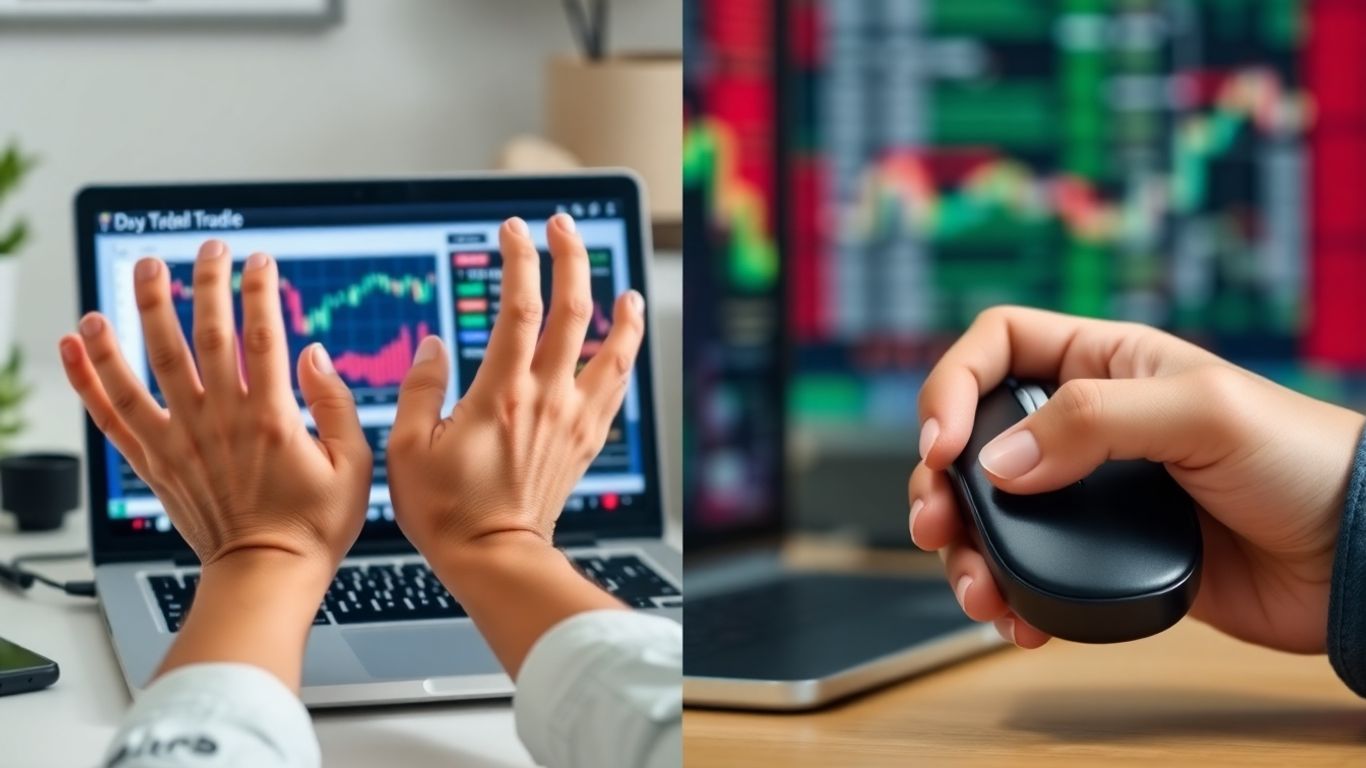
So, you’ve spent a good chunk of time getting comfortable with your demo account. You’ve placed trades, maybe even seen some virtual profits, and you’re feeling pretty good about it. But here’s the thing: trading with pretend money and trading with your actual hard-earned cash are not the same ballgame. The biggest difference isn’t just the numbers on the screen; it’s what’s going on inside your head. When you’re using virtual funds, there’s no real consequence if a trade goes south. You can afford to be a bit more reckless, try out riskier strategies, or even just shrug off a loss. That emotional detachment is a huge factor. When real money is on the line, every win feels great, sure, but every loss can sting, and that sting can lead to some pretty irrational decisions. You might chase losses, get scared out of good trades, or over-trade out of frustration. Demo accounts often have super-fast trade execution too, which isn’t always the case in live markets where things like slippage can happen.
Building Confidence Through Consistent Demo Practice
This is where all that practice really pays off. The more you use your demo account, the more you build a sense of what works and what doesn’t. It’s like practicing scales on a piano before a concert; you want to be so familiar with the movements that you can do them without thinking too hard. Consistent practice helps you:
- Get a feel for the trading platform’s ins and outs.
- See how different currency pairs move.
- Practice executing your chosen trading strategies repeatedly.
- Learn to manage your open positions and set stop-losses and take-profits.
Every trade you make, win or lose (virtually, of course), is a learning opportunity. It helps you refine your approach and build the muscle memory needed for live trading. Think of it as building a solid foundation before you start constructing the actual house.
Preparing For Real Market Conditions And Emotions
While demo accounts are great simulations, they can’t perfectly replicate the pressure of real trading. You’ll need to prepare yourself for:
- Slippage: The difference between the price you wanted to trade at and the price you actually got. This happens more in live trading, especially during fast market moves.
- Emotional Rollercoaster: The thrill of a win and the gut-punch of a loss are amplified when real money is involved. You’ll need to develop mental toughness to handle these swings.
- Liquidity: Sometimes, getting in or out of a trade might not be as instant as in a demo account, depending on how many buyers and sellers are around.
It’s important to remember that demo accounts are designed to be helpful, not to trick you. The differences you experience in live trading, like emotional impact and execution speed, are just part of the real deal. Approaching the transition with awareness is key to success.
When you feel consistently profitable and confident in your demo account over a sustained period, that’s a good sign you’re ready to take the next step. Just remember to start small with your live account and keep that disciplined mindset you developed during your practice.
Maximizing Your Demo Forex Trading Experience
So, you’ve been practicing with your demo account, placing trades, and getting a feel for the platform. That’s great! But how do you make sure you’re really getting the most out of it before you even think about putting real money on the line? It’s not just about clicking buttons; it’s about smart practice.
Understanding The Limitations Of Demo Trading
It’s easy to get comfortable in the demo world, but remember, it’s not the real deal. The biggest difference? No real money is at stake. This means you might take risks you wouldn’t normally consider with your own cash. Also, the speed of trade execution can feel a bit too perfect in a demo account. Real trading often involves slippage, especially when markets get choppy, and that’s something a demo account might not fully replicate. You’re learning the mechanics, but not the full emotional weight.
While a demo account offers a safe space to learn and experiment, it’s important to acknowledge its limitations. The absence of real financial risk can lead to different decision-making processes compared to live trading. Always keep in mind that the psychological impact of losing real money is a significant factor that cannot be fully simulated.
Seeking Support For Your Demo Account
Don’t feel like you have to figure everything out alone. Most brokers provide support for their demo accounts, just like they do for live ones. This can be super helpful if you’re stuck on how to use a certain feature, set up an alert, or even just understand a trading term. Think of them as your practice buddies. They can help with account setup, platform tutorials, and general questions about how things work. It’s a good idea to reach out to them when you need a hand.
Exploring Multiple Demo Accounts For Diverse Testing
Why stick to just one sandbox? Many brokers allow you to open several demo accounts. This is a fantastic way to test different trading strategies or even compare different trading platforms side-by-side. You could have one account dedicated to testing a scalping strategy and another for a longer-term approach. Or, maybe you want to see how you perform on MT4 versus a broker’s proprietary platform. Keeping these separate means your tests don’t get mixed up, giving you clearer results. It’s like having different workshops for different projects, all risk-free. This approach can really help you find the right platform for your needs.
Benefits Of A Free Demo Forex Trading Account
So, why bother with a demo account when you’re looking to get into forex trading? It’s pretty straightforward, really. The biggest draw is that you can practice trading without putting any of your own cash on the line. Think of it as a sandbox for your trading ideas. You get to play around, make mistakes, and learn from them, all while keeping your bank account safe. This is a huge deal, especially when you’re just starting out and the whole forex market can seem a bit overwhelming.
With a demo account, you get to see how the market actually works in real-time, but without the stress of losing money. You can watch how prices move for different currency pairs and get a feel for what makes them tick. It’s a great way to get exposed to various currency pairs and understand their unique behaviors. You’ll see how news events or economic reports can cause prices to jump around.
Here are some of the key advantages:
- Practice without financial risk: This is the main point. You can make as many trades as you want, good or bad, and it won’t cost you a dime. It’s a completely risk-free way to learn.
- Exposure to currency pairs: You can explore dozens of different currency pairs, like EUR/USD, GBP/JPY, or USD/CAD. Each pair has its own personality and trading patterns.
- Understanding market movements: You’ll start to see how prices change, what causes those changes, and how to read charts. This is where you begin to grasp market volatility and price action.
It’s important to remember that while demo accounts are fantastic for learning, they don’t perfectly replicate the pressure of trading with real money. The emotional aspect of live trading is something you can only truly experience when real capital is at stake. However, the practice you get on a demo account is invaluable for building foundational knowledge and confidence.
Using a demo account is like getting a free trial for forex trading. You can test out different currency pairs, see how they react to economic news, and get a feel for the platform’s tools. It’s a smart first step before you even think about depositing real money. You can even try out different trading strategies to see what works best for you. Many brokers offer these accounts, so finding one is usually quite simple. For instance, you can check out forex demo accounts to get started.
Ready to Trade?
So, you’ve learned all about how demo accounts work and why they’re such a smart move. It’s like having a practice field before the big game. You can try out different strategies, get a feel for the platform, and see how you handle simulated wins and losses without any real money on the line. Remember, while a demo account is great for learning, it’s not exactly the same as trading with real cash. Emotions run high when your own money is involved. But by putting in the time on a demo account, you’re building a solid foundation. When you’re ready, you can make the jump to a live account with more confidence and a better idea of what to expect. Good luck out there!
Frequently Asked Questions
What exactly is a demo forex trading account?
Think of a demo forex account as a practice playground for trading. It uses fake money, not your real cash, so you can learn how the foreign exchange market works without any risk of losing your own money. It’s like practicing a video game before playing for real.
How do I start using a demo forex account?
Getting started is usually simple! You’ll typically visit a forex broker’s website and sign up for a demo account. They’ll ask for some basic info, and then you’ll get login details to access their trading platform with virtual money.
Are demo accounts exactly like real trading accounts?
They’re very similar, but not exactly the same. Demo accounts let you practice using the trading platform and placing trades. However, in real trading, things like how fast your trades go through and unexpected price changes (slippage) can be different because real money is involved.
Can I test my trading ideas on a demo account?
Absolutely! A demo account is the perfect place to try out different trading strategies. You can see how they might have worked in the past or how they function in current market conditions, all without risking your own money. It’s great for figuring out what works best for you.
Is there a time limit for using a demo account?
Many demo accounts have a time limit, often around 14 days. This gives you a good amount of time to get comfortable with the platform and practice your skills. After that, you might need to create a new one or move to a real account.
Will I get help if I have questions about my demo account?
Yes, most brokers offer customer support for demo account users. They can help you set up your account, understand the trading platform’s features, and answer general questions about trading. It’s like having a guide as you learn.