Thinking about jumping into the fast-paced world of day trading? It can seem a bit much at first, especially when you see all the charts and fancy terms. But honestly, it’s not as complicated as it looks. This guide is here to break down day trading for dummies, step by step. We’ll cover what you need to know to get started, from understanding the basics to making your first trades without feeling totally lost. Let’s get you on the right track.
Key Takeaways
- Day trading means buying and selling financial items within the same day, aiming for small profits from price changes.
- Success in day trading requires a clear plan, discipline, and managing your money wisely. It’s not a get-rich-quick scheme.
- Pick a good broker that’s easy to use and offers learning materials for new traders.
- Always have a plan for how much you’re willing to lose on any trade and in total.
- Keep learning and stay calm. Trading involves ups and downs, so sticking to your strategy is important.
Understanding The Fundamentals Of Day Trading
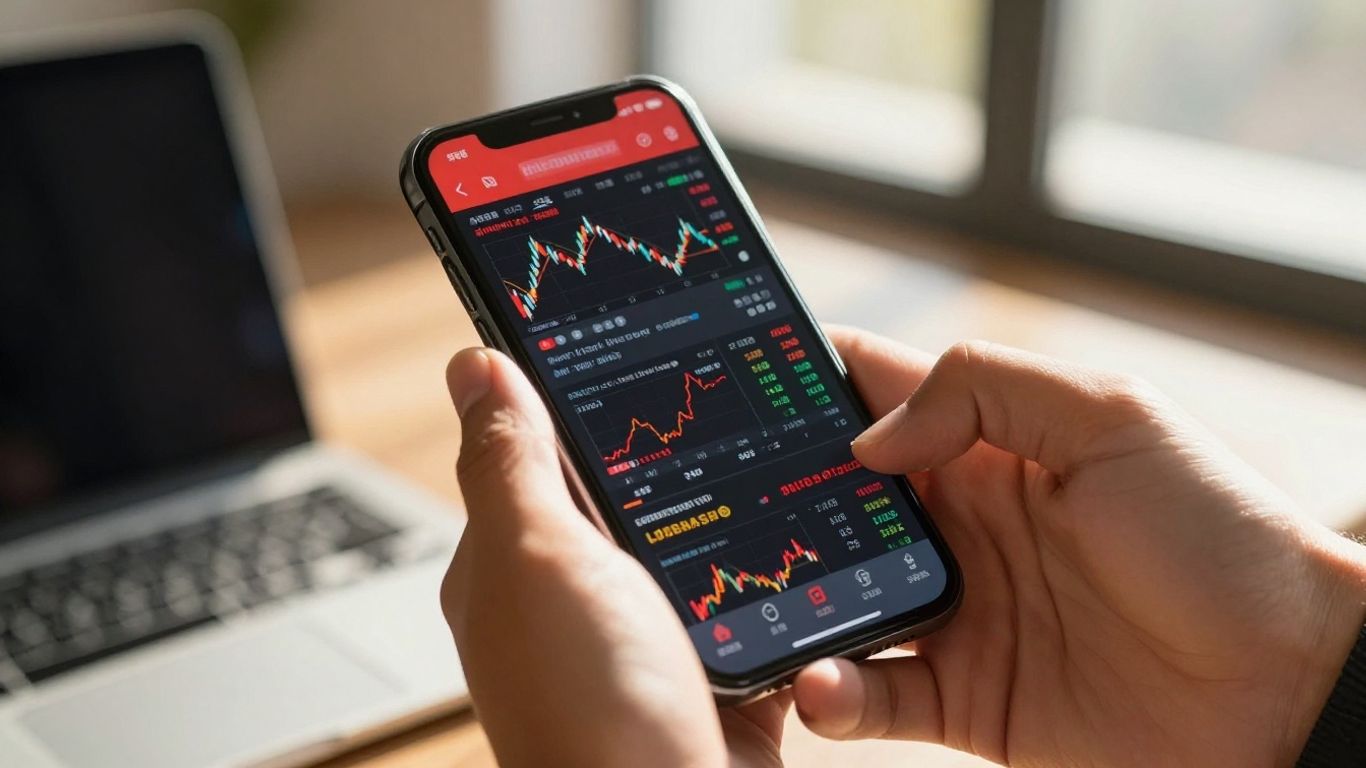
So, you’re curious about day trading? It’s the idea of buying and selling financial instruments within the same day, hoping to make a quick buck from small price changes. Think of it like being a vendor at a busy market, buying low and selling high before the day is done. It’s a far cry from just putting money into something and forgetting about it for years.
What Exactly Is Day Trading?
At its core, day trading is all about short-term speculation. You’re not looking to own a stock for its long-term growth potential. Instead, you’re trying to catch those little price swings that happen during a single trading session. This means you have to close out all your positions before the market shuts down for the day. No overnight risks, no waiting for big news to trickle in days later. It’s all about the here and now. The main goal is to profit from intraday price movements. This style of trading is quite different from how most people approach investing.
The Core Concept Of Buying And Selling
It sounds simple, right? Buy low, sell high. But in day trading, the ‘low’ and ‘high’ are often just a few cents or pennies apart, and they happen very quickly. You’re constantly watching price charts, looking for patterns and opportunities. It’s a bit like playing chess, but the board is always moving, and you have to make your moves fast. You’ll be using tools to help you spot these chances, but ultimately, it comes down to making a decision and acting on it within minutes, sometimes even seconds.
Key Differences From Long-Term Investing
This is where a lot of beginners get mixed up. Long-term investing is like planting a tree; you nurture it, and it grows over many years. Day trading is more like harvesting vegetables that ripen daily. You’re not waiting for the tree to grow; you’re picking the ripe produce right now.
Here’s a quick rundown:
- Time Horizon: Day traders close positions daily. Long-term investors hold assets for months or years.
- Profit Goal: Day traders aim for small, frequent profits. Long-term investors seek larger gains from asset appreciation over time.
- Market Focus: Day traders often focus on volatile assets with high liquidity, looking for quick trades. Long-term investors might look for stable companies with solid fundamentals.
- Strategy: Day trading heavily relies on technical analysis and short-term charts. Long-term investing often considers fundamental analysis and economic trends.
Day trading requires a different mindset and a lot more active involvement than traditional investing. It’s not a passive activity; it demands constant attention and quick thinking. You’re essentially trying to predict very short-term price direction, which is a challenging but potentially rewarding endeavor if approached correctly.
Getting started with day trading means understanding these basic differences. It helps set realistic expectations and prepares you for the fast-paced nature of the market. If you’re interested in learning more about the mechanics of trading, resources on day trading basics can be very helpful.
Building Your Foundation For Success
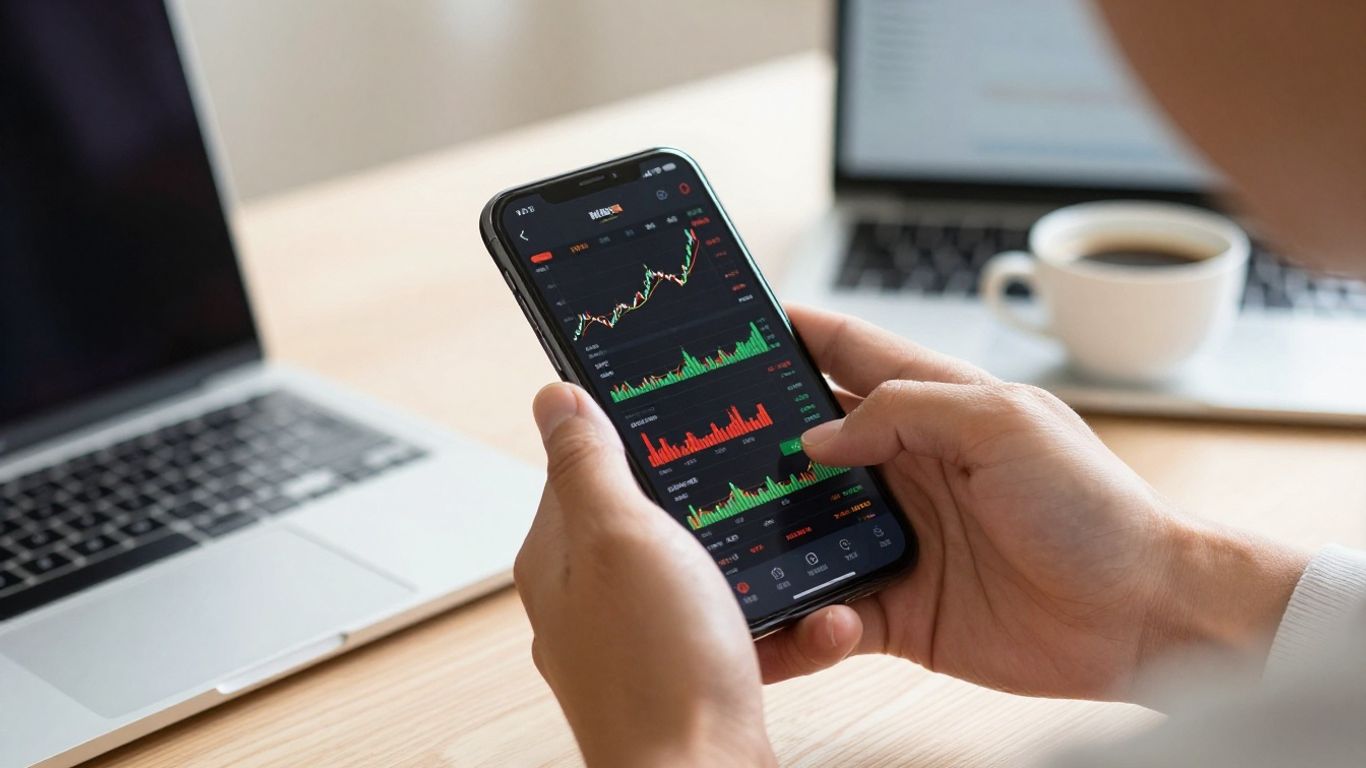
Getting into day trading can feel like a lot, but having a solid base makes a huge difference. It’s not just about jumping in; it’s about getting yourself ready. Think of it like building a house – you wouldn’t start putting up walls without a strong foundation, right? The same applies here. This part is all about getting you set up with the right knowledge and tools so you can trade with more confidence and make smarter choices from the start.
Finding The Right Educational Resources
Learning the ropes of trading is super important, especially when you’re just starting out. You need to build up a good understanding of how things work and get the skills you’ll need. First off, figure out how you learn best. Do you prefer reading books or articles? Maybe watching videos is more your style, or perhaps you like hands-on courses. Knowing this helps you pick the learning materials that will actually stick.
Look for places that have been around for a while, maybe well-known trading experts, or even big financial companies that offer educational stuff. Make sure the information is current and fits with the markets you’re interested in. Start with the basics – things like what all the trading terms mean, how markets are structured, and some basic strategies. Then, as you get it, you can move on to more complex ideas.
Don’t be afraid to chat with other traders online, in forums or social media groups. You can swap tips, share experiences, and get recommendations for good learning materials. Just be careful, though – there’s a lot of bad info out there, so always double-check anything you hear before you act on it. Webinars or workshops led by experienced traders can also be really helpful. They often give you useful insights and a chance to ask questions.
While there are tons of free resources, sometimes paying for a good course or a mentor can give you a more structured path and personalized advice, which can speed things up. Keep up with financial news, blogs, and podcasts too. Staying updated on market trends, economic news, and big events that can shake things up is part of the game.
Recommended Beginner Day Trading Books
Reading is a great way to absorb information at your own pace. While specific book recommendations can change, look for titles that focus on the practical aspects of day trading, not just theory. Good books will cover topics like:
- Market structure and how prices move.
- Basic technical analysis tools and chart patterns.
- Risk management strategies and trading psychology.
- Developing a trading plan and sticking to it.
Avoid books that promise guaranteed riches or focus heavily on
Choosing A Broker For Day Trading
Alright, so you’ve got the basics down and you’re ready to actually start trading. But before you can buy or sell anything, you need a way to get into the market. That’s where your trading partner, also known as a broker, comes in. Picking the right one is a pretty big deal, honestly. It’s not just about who has the lowest fees, though that’s part of it. You need someone reliable, someone who gives you the tools you need, and someone who makes the whole process as smooth as possible. Think of it like choosing a contractor for a big home renovation – you want someone you can trust and who knows their stuff.
Key Features Of A Good Broker
When you’re looking for a broker, especially as a beginner, there are a few things to keep your eye on. You don’t want to end up with a company that’s hard to deal with or that doesn’t offer what you need. Here’s a quick rundown of what to look for:
- Reputation and Regulation: Is the broker well-known and regulated by official bodies? This is super important for your money’s safety. Look for brokers overseen by agencies like the SEC or FINRA in the US.
- Trading Platforms and Tools: Does their platform feel easy to use? Do they have good charting tools, real-time data, and research resources? You’ll be spending a lot of time on this platform, so it needs to work for you.
- Fees and Commissions: Everyone charges something, but what are their fees like? Compare commission rates, account maintenance fees, and any other charges. Sometimes a slightly higher fee is worth it for better service or tools.
- Customer Support: What happens when you have a question or run into a problem? Good customer support can save you a lot of headaches. See if they offer phone, email, or chat support, and check their response times if you can.
Choosing a broker is like picking a co-pilot for your trading journey. They handle the technical side of getting your trades executed, but you’re still in the driver’s seat. Make sure they’re someone you feel comfortable with and who provides the support you need to focus on your strategy.
Brokers With No Account Minimums
If you’re just starting out and don’t have a huge chunk of cash to deposit right away, looking for brokers with no account minimum is a smart move. This lets you get your feet wet without a big financial commitment. Many brokers understand that beginners need a low barrier to entry. For example, Charles Schwab offers access to the Think Or Swim software, which is pretty popular among day traders, and they don’t require you to have a minimum amount to open an account. Interactive Brokers is another option that often comes up, especially if you’re interested in futures trading, and they also typically have no minimum deposit requirement. Webull is also a strong contender, known for its user-friendly app and active trader focus, often with no account minimums. Meeting the minimum requirement is key to avoiding certain account restrictions.
Brokers With Higher Minimums
On the flip side, some brokers cater to more experienced or active traders and may have higher account minimums. These brokers often provide more advanced platforms, direct market access, or specialized tools that can be beneficial for serious day traders. For instance, brokers like Centerpoint Securities or Success Trader might require a $30,000 minimum deposit. While this is a significant amount, it often comes with access to powerful trading platforms like DAS, which many professional day traders use. If you plan on trading actively and have the capital, these brokers can offer a more robust trading environment. It’s a trade-off between accessibility and advanced features.
Essential Tools For Day Trading Beginners
Alright, so you’re ready to jump into day trading, huh? That’s cool. But before you start clicking buttons like a madman, let’s talk about the gear you’ll actually need. Think of it like getting ready for a big game – you wouldn’t show up with a broken racket, right? Day trading is kinda the same. Having the right setup makes a huge difference in how well you can see what’s going on and how fast you can react.
Reliable Computer And Internet Connection
This is your absolute baseline. You need a computer that doesn’t freeze up when you’ve got a bunch of stuff open. Seriously, a slow machine can cost you money because you’ll miss opportunities or get stuck in a trade. And forget about dial-up; you need a super stable, high-speed internet connection. If your internet goes out for even a minute during a big market move, that’s a problem. Many traders even have a backup internet option, like a mobile hotspot, just in case.
Charting Software With Real-Time Data
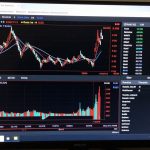
This is where you’ll spend most of your time. You need software that shows you stock prices moving right now, not from five minutes ago. Delays are bad news in day trading. Good charting software lets you see price action clearly, spot patterns, and draw lines to figure out support and resistance levels. Most brokers give you some charting tools, but some traders prefer to get more advanced software. Having access to real-time data is non-negotiable if you want to trade effectively.
Customizable Stock Scanners
Imagine trying to find a specific needle in a giant haystack. That’s what trading without a scanner can feel like. Scanners help you filter through thousands of stocks to find ones that are actually moving and fit your trading style. You can set criteria, like stocks that are up 5% today or have high trading volume. This way, you’re only looking at opportunities that make sense for you, cutting out all the noise. It’s a big help in finding potential trades quickly. You can find some great options for stock scanners that let you set up exactly what you’re looking for.
Setting up your trading station isn’t just about buying stuff. It’s about creating a space where you can focus without distractions and get the information you need without any tech headaches. A solid plan for your trading setup is just as important as your trading strategy itself.
Here’s a quick rundown of what to look for:
- Speed: Your computer and internet need to be fast.
- Reliability: Nothing should crash or disconnect unexpectedly.
- Data: Real-time market data is a must-have.
- Customization: Tools like scanners should let you set your own rules.
Getting these tools right from the start will make your learning curve a lot smoother. It’s better to have them ready before you even place your first trade.
Placing Your First Trade Step By Step
Alright, so you’ve got your broker picked out, your account funded, and you’ve spent some time getting comfortable with the trading platform. Now comes the part where you actually put your plan into action. It can feel a bit daunting the first time, but breaking it down makes it way more manageable. We’re going to cover how to set up some basic rules, how to actually place an order, and what support and resistance zones mean.
Developing Your Trading Rules
Before you even think about hitting that buy or sell button, you need a clear set of rules. This isn’t about guessing; it’s about having a plan that guides your decisions. Your trading plan is your roadmap, helping you stay disciplined and avoid impulsive moves. It should cover a few key areas:
- Your Goals: What are you trying to achieve? Are you aiming for a certain profit percentage per month, or a specific income level? Make sure these goals are realistic for a beginner.
- Your Strategy: How will you make money? This involves deciding what markets you’ll trade (stocks, forex, etc.), what indicators you’ll use for analysis, and what conditions will make you enter or exit a trade.
- Risk Management Rules: This is arguably the most important part. How much are you willing to lose on any single trade? How much can you afford to lose in a day or week? This includes setting stop-loss levels.
- Trading Schedule: When will you trade? Day trading requires focus, so decide on specific hours when you can dedicate your full attention to the markets.
- Review Process: How will you learn from your trades? Plan to regularly review your performance, identify what worked and what didn’t, and adjust your plan accordingly.
Your trading plan isn’t set in stone. Markets change, and so will your experience. Be prepared to tweak your plan as you learn and grow, but always stick to the core principles you’ve established. It’s your guide to staying on track and avoiding impulsive decisions that can lead to losses.
Executing Buy and Sell Orders
When you decide to buy or sell, you don’t just say a price; you use specific ‘orders’. Think of them as instructions for your broker. The most common ones you’ll use are:
- Market Order: This is the simplest. You tell your broker to buy or sell right now at whatever the current best price is. It’s fast, but you might not get the exact price you were hoping for if the market is moving quickly.
- Limit Order: With this, you set a specific price. If you want to buy, you set the highest price you’re willing to pay. If you want to sell, you set the lowest price you’re willing to accept. Your order only goes through if the market reaches your price. This gives you more control over the price but means your trade might not happen if the market doesn’t hit your target.
- Stop-Loss Order: This is a safety net. You set a price that, if hit, will automatically sell your asset to prevent bigger losses. For example, if you bought a stock at $50 and set a stop-loss at $45, your stock will be sold if the price drops to $45, limiting your loss.
Choosing the right order type depends on your strategy and how much control you want over the execution price versus the speed of the trade. For beginners, understanding limit orders and stop-losses is particularly important for managing risk.
Understanding Support and Resistance Zones
Support and resistance are like invisible floors and ceilings on a price chart. Support is a price level where a stock tends to stop falling and bounce back up. Resistance is a price level where a stock tends to stop rising and turn back down. Think of them as areas where a lot of buying (support) or selling (resistance) pressure is expected.
Traders often view these levels not as exact prices, but as zones. This mental shift helps traders spot real breakouts when prices decisively move through these areas. Observing how prices react around these zones can give you clues about potential future movements.
When you’re looking at a chart, you’ll see past price action. Look for areas where the price has repeatedly bounced off or stalled. These are your potential support and resistance zones. As a beginner, it’s a good idea to wait a bit after the market opens before you jump in. The first 15-20 minutes can be pretty wild as everyone reacts to overnight news. The middle part of the trading day is usually a bit calmer, which can be a better time to make your move. Observe the market for a bit before you commit your capital.
Risk Management And Trading Psychology
Alright, so you’ve got your trading plan and you’re ready to jump in. But before you start throwing money around, we need to talk about something super important: managing risk. Think of it like wearing a seatbelt when you drive – it’s not about expecting an accident, but it’s there to protect you if things go sideways. Day trading can be wild, and without a solid plan for what happens when a trade goes wrong, you could lose a lot more than you bargained for. Nobody goes into a trade expecting to lose, but the reality is, losses are part of the game. The difference between someone who sticks around and someone who blows up their account often comes down to how well they handle those inevitable losses. It’s not about avoiding losses altogether – that’s impossible. It’s about controlling them so they don’t wipe you out. This means deciding beforehand how much you’re willing to risk on any single trade and sticking to it, no matter how tempting it is to chase a feeling or a rumor. It’s about protecting your capital so you can keep trading another day.
Setting Stop Loss And Take Profit Levels
You must define your exit points before entering trades. This removes emotion from your decisions. Stop-loss orders will automatically sell securities at a predetermined price to limit your losses. Place stop-losses below recent lows for long positions and above recent highs for shorts. Take-profit orders protect your gains from potential reversals by closing positions at your profit target. Your risk-reward ratio shows in the difference between your entry price and these orders. You want to maintain at least a 1:3 ratio to stay profitable despite inevitable losses.
Position Sizing And Risk Per Trade
A single trade should never risk more than 1-2% of your trading capital. This strategy gives a safety net against devastating account losses. Your position size calculation comes from dividing account risk by trade risk. Let’s say you have a USD 10,000 account. If you risk 2% (USD 200) on a trade with a USD 2 stop loss, you could trade 100 units maximum. This is a key part of managing financial risk.
Common Beginner Mistakes To Avoid
New traders often make expensive mistakes. Many jump in without testing their strategies – paper trading helps you practice safely. Trading without a plan leaves you guessing about entries, exits, and risk control. Some traders skip keeping journals and miss the chance to learn from mistakes. Following others blindly leads to poor choices. The riskiest mistake is using too much leverage. It can make your losses grow as fast as your gains. Don’t add money to losing trades – the market tells you you’re wrong when prices move against you.
Day trading isn’t just about charts and numbers; it’s a mental game. You’ve got your trading plan, your tools, and your broker all set up, but without the right mindset, all that can go out the window pretty fast. It’s about keeping your cool when things get wild and sticking to your guns even when your gut screams otherwise. Recognizing emotional swings is the first step to not letting them run the show. Acting on them impulsively is where most beginners stumble.
Different Markets You Can Day Trade
So, you’re looking to jump into day trading, huh? It’s a fast-paced world, and picking the right market to trade in is a big deal. It’s not like you can just trade anything; each market has its own vibe, its own ups and downs, and its own set of rules. Let’s break down a few of the popular spots where day traders hang out.
Trading Stocks For Volatility
Stocks are probably what most people think of when they hear "day trading." They’re popular because, well, they can move. Big price swings, or volatility, are exactly what day traders look for. You want a stock to go up or down enough in a day so you can hop in, make a quick profit, and hop out. Think of it like catching a wave – you need the wave to be big enough to ride.
- Momentum Trading: This is all about riding the wave of a stock that’s already moving strongly in one direction. Positive news or a big surge in buying can get a stock moving, and momentum traders try to catch that ride.
- Breakout Trading: This strategy involves watching for stocks that are about to break through a key price level, like a resistance point where it’s been struggling to go higher, or a support level where it’s been holding steady. When it breaks through, it often keeps going, giving you a chance to profit.
- News Trading: Sometimes, a company announces something big – earnings, a new product, a merger. This news can send a stock’s price flying. Traders who can react fast to this news can sometimes make a quick buck.
The key with stocks is finding ones that are active and have enough trading volume so you can get in and out without messing up the price too much. It’s a bit like trying to buy or sell a popular toy during the holidays – you want to make sure there are enough of them around.
Exploring Forex For Liquidity
Forex, or foreign exchange, is the market where currencies are traded. This market is massive, like, unbelievably massive. We’re talking trillions of dollars traded every single day. What does that mean for a day trader? It means there’s almost always someone to trade with, which is called liquidity.
- 24-Hour Trading: The forex market never really sleeps. It’s open almost all day, every day (except for weekends). This gives you a lot of flexibility if you can’t trade during regular stock market hours.
- High Leverage: Forex brokers often offer high leverage, meaning you can control a large amount of money with a smaller amount of your own. This can amplify both your profits and your losses, so it’s a double-edged sword.
- Major Currency Pairs: Most forex trading happens with major currency pairs like EUR/USD (Euro vs. US Dollar) or USD/JPY (US Dollar vs. Japanese Yen). These pairs are usually very liquid and have tight spreads (the difference between the buying and selling price).
Forex trading can be exciting because of the constant movement and the sheer size of the market. However, the high leverage means you need to be extra careful with your risk management. One wrong move can lead to big losses very quickly. It’s a good idea to practice on a demo account first to get a feel for it. Learn about order types.
Considering ETFs And Futures
Beyond individual stocks and currencies, there are other markets worth a look.
- ETFs (Exchange-Traded Funds): These are like baskets of assets, often tracking an index like the S&P 500. Some ETFs are designed to be volatile and can be day traded. They offer diversification, meaning you’re not putting all your eggs in one basket, which can sometimes reduce risk compared to trading single stocks.
- Futures Contracts: These are agreements to buy or sell an asset at a specific price on a future date. Day traders often trade futures on things like oil, gold, or stock indexes. They can be very liquid and offer leverage, but they also come with their own set of complexities and risks.
Each of these markets has its own personality. Stocks offer clear volatility, forex provides unmatched liquidity, and ETFs and futures give you different ways to diversify or speculate. Choosing where to start really depends on your comfort level, your risk tolerance, and what kind of action you’re looking for.
Wrapping It Up
So, you’ve made it through the basics of day trading. It’s definitely not a walk in the park, and there’s a lot to learn, but hopefully, this guide has shown you that it’s not some impossible puzzle either. Remember, the key is to start small, keep learning, and always have a plan. Don’t expect to get rich overnight – that’s usually not how it works. Focus on understanding the market, managing your money wisely, and sticking to your strategy, even when things get a little bumpy. With patience and practice, you can build the skills needed to trade smarter. Good luck out there!
Frequently Asked Questions
What is day trading, and how does it work?
Day trading is when you buy and sell things like stocks or currencies all within the same day. The goal is to make small profits from quick changes in price. You don’t hold onto anything overnight, so you start and finish with no open trades each day.
Is day trading a good idea for someone who’s just starting out?
Day trading can be tough for beginners. There’s a lot to learn, and it can be risky if you don’t know what you’re doing. It’s important to start slow, learn the basics, and never risk money you can’t afford to lose.
What do I need to start day trading?
To get started, you’ll need a computer, a strong internet connection, and a trading account with a broker. Most brokers also give you software to look at charts and make trades. Some brokers let you start with a small amount of money, while others need a bigger deposit.
How much money should I start with for day trading?
You can start with as little as a few hundred dollars with some brokers, but most people begin with at least $1,000. Some day traders use accounts with $25,000 or more, but it’s smart to start small and only use money you can afford to lose while you’re learning.
Do I need to take a class or read books before I start trading?
It’s a good idea to learn as much as you can before you start. Reading beginner books, watching videos, or taking an online course can help you understand the basics and avoid common mistakes. Many traders also practice with fake money before using real cash.
What are the biggest mistakes new day traders make?
New traders often risk too much money on one trade, trade without a plan, or let their emotions control their decisions. It’s important to set rules for yourself, use stop loss orders, and keep learning from your mistakes to get better over time.