Thinking about jumping into day trading? It can seem like a lot, especially when you’re just starting out. This guide is here to break down the basics for the day trading beginner. We’ll cover what day trading really is, how to get your first trade going, and how to keep learning as you go. It’s not about getting rich quick, but about understanding the market and building a solid approach.
Key Takeaways
- Day trading means buying and selling financial assets within the same day, aiming to profit from small price changes. It’s different from long-term investing and requires active attention.
- To start, pick a good broker, open and fund your account, and get familiar with the trading platform. A clear trading plan is your roadmap.
- Learning is ongoing. Find good resources, connect with other traders, and keep up with market news to build your knowledge base.
- Start small with your trades, manage your risk carefully, and stick to your trading strategy. Practice is key, so use demo accounts before risking real money.
- Technical analysis, like understanding chart patterns and using indicators, helps in making trading decisions. Keep your strategies simple and review your trades often to improve.
Understanding The Fundamentals Of Day Trading For Beginners
Demystifying Trading: A Plain English Explanation
So, what exactly is day trading? At its heart, it’s simply buying and selling financial assets, like stocks, within the same day. The goal is to make a profit from small price changes that happen during market hours. Think of it like this: you buy a bunch of concert tickets early in the morning when they’re cheap, and then you sell them later in the day for a bit more, pocketing the difference before the day is over. Day traders don’t hold onto their positions overnight. They’re all about capitalizing on those quick, short-term price swings.
This style of trading often involves making many trades throughout the day. Day traders usually rely on looking at charts and real-time news to make quick decisions. It’s a fast-paced game, and while the potential for quick gains is there, so is the risk. Markets can move unexpectedly, and it’s very easy to lose money if you’re not careful. Never trade with money you can’t afford to lose.
Laying The Groundwork For Success
Before you even think about placing your first trade, it’s important to get your ducks in a row. This means understanding the basics of how the market works, what makes prices move, and having a clear plan. It’s not just about jumping in and hoping for the best. You need to build a solid foundation of knowledge.
Here are some key things to focus on:
- Market Basics: Learn how stocks are bought and sold, what influences their prices, and the general flow of the market.
- Volatility: Understand that prices can change quickly and sometimes dramatically. This is what day traders try to profit from, but it also means risk.
- Trading Plan: You absolutely need a plan. This includes deciding what you’ll trade, when you’ll get in and out of trades, and how you’ll manage your risk.
Starting out in day trading without a solid plan and understanding is like trying to build a house without a blueprint. You might get something up, but it’s unlikely to be stable or last very long. Taking the time to learn the ropes and prepare properly is the most important first step.
Key Differences From Other Trading Styles
Day trading isn’t the only way to trade or invest. It’s quite different from, say, long-term investing. Investors typically buy assets with the idea of holding them for months or years, hoping for significant growth over time. They might look at a company’s financial health and future prospects. Day traders, on the other hand, are focused on very short timeframes – minutes or hours. They’re less concerned with a company’s long-term story and more interested in immediate price action.
Here’s a quick look at how day trading stacks up against other approaches:
| Feature | Day Trading | Long-Term Investing |
|---|---|---|
| Time Horizon | Trades closed within the same day | Holds assets for months, years, or decades |
| Goal | Profit from small, intraday price movements | Profit from long-term asset appreciation |
| Focus | Technical analysis, short-term news | Fundamental analysis, company growth |
| Risk Level | Generally higher due to short timeframe | Generally lower, but subject to market cycles |
| Activity | High frequency of trades | Low frequency of trades |
Essential Steps To Execute Your First Day Trade
Alright, so you’ve got the basics down and you’re ready to actually make a trade. It can feel like a big step, but breaking it down makes it way less scary. Think of it like learning to drive – you wouldn’t just hop in and go, right? You need the car, the keys, and a basic idea of where you’re going.
Choosing A Reliable Brokerage Firm
First things first, you need a place to trade. This is your brokerage firm. Not all brokers are created equal, especially for day trading. You want one that’s quick, has low fees (because those add up fast!), and gives you access to the markets you’re interested in. Look for platforms that are known for being stable and not crashing when things get busy. Some brokers are better for beginners, offering simpler interfaces and good customer support. It’s worth spending some time researching this part, as your broker is your gateway to the markets. You can check out different options to see which one fits your needs best.
Opening And Funding Your Trading Account
Once you’ve picked a broker, you’ll need to open an account. This usually involves filling out some forms, proving who you are, and then putting some money in. Don’t feel like you need to deposit a fortune right away. Start with an amount you’re comfortable losing – seriously. This isn’t the lottery; it’s a skill you’re building. The amount you deposit will depend on your goals and how much risk you’re willing to take on. Remember, day trading involves risk, so only use funds you can afford to part with.
Navigating Trading Platforms And Tools
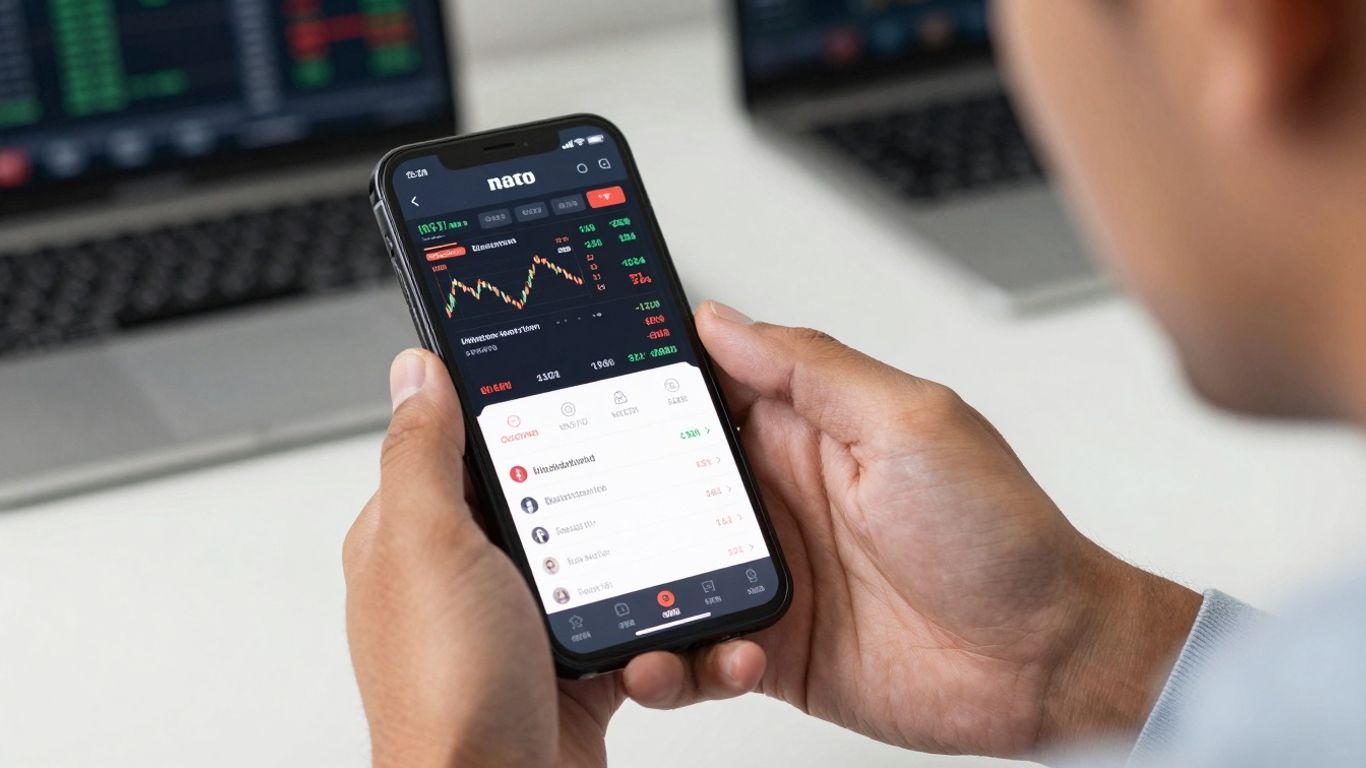
Now for the fun part: the trading platform. This is where you’ll see charts, place orders, and watch the market. Most platforms have a lot going on, so take your time to get familiar with them. Play around with the charting tools, see how to set different types of orders, and understand where to find market data. Many brokers offer demo accounts, which are like practice accounts with fake money. This is a fantastic way to learn the ropes without risking your actual cash. You can test out different features and get a feel for how everything works.
Developing Your Initial Trading Plan
This is super important. Before you even think about placing a trade, you need a plan. What are you trying to achieve? How much are you willing to lose on any single trade (this is your risk management)? What kind of trades will you look for? Your plan is your guide. It helps you stay focused and avoid making impulsive decisions based on emotions. A simple plan might look something like this:
- Entry Signal: What conditions must be met before you buy?
- Exit Signal (Profit): At what price or condition will you sell to take your profit?
- Exit Signal (Loss): At what price or condition will you sell to cut your losses?
- Position Size: How much of your capital will you risk on this trade?
Having a clear plan helps you stick to your strategy, even when the market gets wild. It’s your roadmap to making more consistent decisions.
Think of your trading plan as your personal rulebook. It’s there to keep you disciplined. Without one, it’s easy to get caught up in the moment and make choices you’ll regret later. So, take the time to write it down and, more importantly, stick to it.
Building Your Knowledge Base As A Day Trading Beginner
Getting a handle on day trading means you’ve got to learn a bunch of stuff. It’s not just about picking stocks and hoping for the best. You need to build a solid understanding of how the markets work, what makes prices move, and how to actually make a trade without messing it up. Think of it like learning to cook – you wouldn’t just throw ingredients in a pan and expect a gourmet meal, right? You need to know the basics, like how to chop an onion or how long to bake something. Trading is similar.
Finding The Right Educational Resources
So, where do you even start learning? There are tons of places out there, and it can feel a bit overwhelming. First off, think about how you learn best. Do you like reading books, watching videos, or maybe taking online courses? Knowing this helps you pick the right materials.
- Books: Look for well-regarded books on trading basics and technical analysis. Some classics are mentioned in other parts of this guide. They offer a structured way to learn.
- Online Courses & Videos: Many platforms offer courses, from free introductory videos to more in-depth paid programs. YouTube can be a goldmine, but be careful – not all advice is good advice.
- Webinars & Workshops: Keep an eye out for live sessions hosted by experienced traders or financial institutions. These can be great for asking questions in real-time.
It’s a good idea to start with the basics. Learn what terms like ‘bid’, ‘ask’, ‘liquidity’, and ‘stop-loss’ mean. Don’t try to learn everything at once; take it step by step.
Engaging With The Trading Community
Learning doesn’t have to be a solo mission. Talking to other people who are also learning or who have been trading for a while can be super helpful. You can find these folks in online forums, social media groups, or even chat rooms dedicated to trading.
- Share experiences: Hear what worked for others and what didn’t. This can save you from making common mistakes.
- Ask questions: Don’t be shy! If you’re confused about something, chances are someone else is too, or someone in the group can explain it clearly.
- Find recommendations: People in the community can point you towards good educational resources or warn you about bad ones.
Just remember to take everything with a grain of salt. Not everyone in a trading group is an expert, and sometimes people share bad information. Always do your own research to back up what you hear.
Staying Updated With Market Trends
Markets change all the time. What worked last year might not work today. So, you’ve got to keep up with what’s happening.
- Financial News: Follow reputable financial news outlets. They report on economic events, company news, and anything else that might shake up the market.
- Market Analysis: Read analyses from different sources. This helps you see various perspectives on why the market might be moving in a certain direction.
- Economic Calendars: These calendars show you when important economic data is set to be released. Knowing this can help you anticipate potential market moves.
Staying informed about market trends is not optional; it’s a requirement for any serious day trader. It helps you understand the bigger picture and how short-term price movements fit into it. This knowledge helps you make better decisions when you’re actually placing trades.
Practical Day Trading Tips For New Traders

Alright, so you’ve got the basics down and you’re ready to make your first real trades. That’s exciting! But before you jump in headfirst, let’s talk about some common-sense advice that can really make a difference. Think of these as the guardrails for your trading journey.
Starting Small And Managing Risk
This is probably the most important thing to get right. Don’t bet the farm on your first few trades. Seriously. Start with an amount of money you’re genuinely okay with losing. This isn’t about being pessimistic; it’s about being realistic and keeping your emotions in check. When you’re not stressed about losing big, you can think more clearly. It also means you can practice without the pressure that comes with risking your rent money.
Here’s a quick breakdown of how to approach risk:
- Capital Allocation: Decide on a small percentage of your total trading capital to risk per trade. Many traders stick to 1-2%.
- Stop-Loss Orders: Always use stop-loss orders. These automatically sell your position if it drops to a certain price, limiting your potential loss.
- Position Sizing: Based on your stop-loss distance and your risk percentage, calculate how many shares you can buy. This prevents you from over-exposing yourself on any single trade.
Developing And Sticking To A Strategy
Wingin’ it is not a strategy, folks. You need a plan. What kind of stocks are you looking for? What are your entry and exit points? What news events will you pay attention to? Having a defined strategy helps you avoid impulsive decisions. It’s like having a map when you’re hiking – you know where you’re going and how you plan to get there. Once you have a strategy, the hard part is sticking to it, even when the market gets a little wild. This is where discipline comes in. You’ll find a lot of helpful information on effective day trading strategies.
Utilizing Limit Orders Effectively
Market orders are simple: buy or sell at the best available price right now. But limit orders? They give you more control. With a limit order, you specify the exact price you’re willing to buy or sell at. If you want to buy a stock at $10.50, you set a limit order for $10.50. The trade only happens if the stock hits that price or better. This is super useful for avoiding slippage, especially in fast-moving markets, and for ensuring you get the price you want. It takes a little getting used to, but it’s a tool that can save you money.
The Importance Of Continuous Practice
Nobody becomes a pro overnight. That’s why practicing is so key. Before you even think about putting real money on the line, use a paper trading account or a simulator. This lets you test your strategies, get familiar with your trading platform, and make mistakes without any financial consequences. Think of it like a musician practicing scales before a concert. The more you practice, the more comfortable and confident you’ll become. You can then analyze your simulated trades to see what worked and what didn’t, making adjustments before you trade with actual cash. It’s a good way to build confidence and refine your approach.
Day trading is a marathon, not a sprint. It requires patience, discipline, and a willingness to learn from both your wins and your losses. Don’t get discouraged by early setbacks; they are part of the learning process. Focus on consistent execution of your plan and continuous improvement.
Mastering Technical Analysis For Day Trading
Alright, so you’ve got the basics down, you know what day trading is all about. Now, let’s talk about how you actually figure out when to jump in and out of trades. That’s where technical analysis comes in. Think of it like reading a map for the stock market. Instead of looking at a company’s financials, you’re looking at price charts and trading volumes to spot patterns and predict where prices might go next. It’s all about using historical data to make educated guesses about the future.
Understanding Candlestick Patterns
Candlesticks are super common on trading charts. Each one tells a story about what happened during a specific time period, like a minute, an hour, or a day. You’ve got the ‘body’ of the candle, which shows the opening and closing prices, and the ‘wicks’ or ‘shadows’, which show the high and low prices. When you see a bunch of these candles together, they form patterns. Some patterns, like ‘dojis’ or ‘engulfing patterns’, can signal a potential change in the market’s direction. Learning to spot these can give you an edge.
Key Indicators and Their Application
Beyond just looking at the candles, traders use what are called ‘indicators’. These are mathematical calculations based on price and volume that are plotted on your chart. They help confirm trends or signal potential buying and selling opportunities. Some popular ones include:
- Moving Averages: These smooth out price data to show the average price over a certain period. They can help identify the direction of a trend.
- Relative Strength Index (RSI): This indicator measures the speed and change of price movements. It can help you see if a stock is overbought or oversold.
- MACD (Moving Average Convergence Divergence): This is a trend-following momentum indicator that shows the relationship between two moving averages of a security’s price.
Using these indicators can give you a clearer picture of market sentiment. You can find out more about how to apply different indicators to identify trading opportunities here.
The KISS Principle in Strategy Development
Now, here’s a bit of advice that sounds simple but is actually pretty hard to follow: Keep It Simple, Stupid (KISS). When you’re starting out, the market can feel overwhelming with all the indicators and patterns. Don’t try to use everything at once. Pick a few indicators that make sense to you and build a trading plan around them. Trying to juggle too many signals often leads to confusion and bad decisions. Focus on a straightforward approach that you can understand and execute consistently.
The goal of technical analysis isn’t to predict the future with certainty, but rather to identify probabilities. You’re looking for setups where the odds are in your favor, and then managing your risk if the trade doesn’t go as planned. It’s about making informed decisions based on observable market behavior.
Remember, mastering technical analysis takes time and practice. Don’t get discouraged if it doesn’t click right away. Keep studying the charts, keep practicing, and you’ll start to see the patterns emerge.
Reviewing And Refining Your Day Trading Approach
So, you’ve been trading for a bit, maybe made some trades, and now it’s time to really look at what’s happening. This isn’t about just jumping into the next trade; it’s about taking a step back and figuring out what’s working and, more importantly, what’s not. Think of it like a mechanic looking over a car after a race – they need to see how it performed to make it better for the next one.
The Role Of A Trading Journal
This is where a trading journal becomes your best friend. It’s not just a place to jot down your trades. You need to be detailed. What stock did you trade? What time? Why did you get in? What was your exit plan? And crucially, what was the outcome? Recording every trade, win or lose, is non-negotiable for growth. It helps you spot patterns you might otherwise miss. Did you consistently lose money on a certain type of setup? Or maybe you’re great at spotting one kind of opportunity but miss another? A journal helps you see this clearly. It’s also a great place to note down your emotional state during trades, which can be a huge factor in decision-making. You can find services to help organize this, like TraderSync.
Analyzing Trade Statistics
Once you’ve got some data in your journal, it’s time to crunch the numbers. Don’t just look at your profit and loss. Dig deeper. What’s your win rate? How does your average win compare to your average loss? Are you taking too many small losses that add up? Or maybe you’re letting winners run, but not often enough? Here’s a quick look at some stats you should track:
- Win Rate: Percentage of profitable trades.
- Profit Factor: Gross profits divided by gross losses.
- Average Win vs. Average Loss: How much you make on winners versus how much you lose on losers.
- Number of Trades: Are you overtrading?
- Trade Setup Performance: Which chart patterns or indicators are leading to wins?
This kind of analysis helps you move beyond gut feelings and make data-driven decisions about your trading. It’s about finding out what the numbers say about your performance.
Making Adjustments For Continuous Improvement
Looking at your journal and statistics is only half the battle. The real work comes in making changes based on what you find. If your analysis shows you’re consistently losing money on trades entered after 2 PM, maybe you adjust your trading hours. If a specific indicator isn’t performing as expected, you might dial back its use or try a different one. It’s an iterative process. You try something, you record it, you analyze it, and then you adjust. This cycle of review and refinement is what separates traders who stick around from those who don’t. It’s about being honest with yourself and willing to adapt your approach.
Trading isn’t a static game. Markets change, and your strategy needs to be flexible enough to adapt. Without regular review, you’re essentially flying blind, hoping for the best instead of actively working towards it. This ongoing process of self-assessment is what builds long-term success.
Remember, the goal isn’t to be perfect overnight. It’s about making consistent, small improvements over time. This dedication to reviewing and refining your approach is what will truly help you grow as a day trader.
Wrapping It Up
So, we’ve covered a lot of ground, right? Day trading isn’t some get-rich-quick scheme, and honestly, it takes a good deal of work and patience. Remember to start small, always have a plan, and never, ever trade with money you can’t afford to lose. Keep learning, keep practicing, and don’t be afraid to step away and take a break when you need it. It’s a journey, and like any journey, there will be ups and downs. Just focus on making smart moves and learning from every single trade. Good luck out there!
Frequently Asked Questions
What exactly is day trading?
Day trading is like playing a quick game of buying and selling things, like stocks, all within the same day. Imagine you buy a cool toy for $5 in the morning and sell it to a friend for $7 before lunchtime. You made a quick profit! Day traders do this with stocks, trying to make money from small price changes that happen really fast.
Do I need a lot of money to start day trading?
You don’t need to be super rich to start, but you do need some money. It’s best to start with an amount you’re okay with losing, because trading can be risky. Think of it like learning to ride a bike – you might fall a few times. Most brokers also have a minimum amount to open an account, and there are rules about how many trades you can make if you have less than $25,000.
What’s the difference between day trading and just investing?
Investing is like planting a tree and waiting for it to grow big over years. You buy something hoping it will be worth much more later. Day trading is more like picking berries – you grab them when they’re ripe and sell them quickly. Day traders don’t hold onto things overnight; they focus on making many small profits from quick price swings.
How do I actually make my first trade?
First, you need to pick a good place to trade, called a broker. Then, you open an account and put some money in it. You’ll use their special software, called a trading platform, to see prices and make trades. Before you trade real money, it’s smart to practice on a fake account. When you’re ready, you’ll decide what to buy, how much, and when to sell, then place your order.
What’s a trading plan and why do I need one?
A trading plan is like a game plan for your trading. It tells you what you want to achieve, how much risk you’re willing to take, and what kind of trades you’ll make. It helps you make smart decisions and not just trade based on feelings. Sticking to your plan is super important, even when things get exciting or scary in the market.
How can I get better at day trading?
Getting better takes time and practice! You should read books, watch videos, and learn about how the market works. It’s also really helpful to talk to other traders. Keep a notebook, called a journal, where you write down every trade you make and why. This helps you see what you did well and what you can improve on. Never stop learning!