Keeping up with the crypto world can feel like a lot, right? Prices change fast, and there’s always something new happening. Whether you’re just starting out or you’ve been around for a while, understanding what’s going on with crypto currency price movements is key. This article breaks down how to track those prices and what to look out for, so you can make smarter choices.
Key Takeaways
- Understand that crypto prices can change a lot, very quickly. This is normal for this market.
- Keep an eye on things like trading volume and market cap to get a better idea of what’s happening.
- What people are saying online and in the news can really affect crypto prices.
- Using tools like charts and data platforms can make it easier to see trends and make decisions.
- Tracking more than just Bitcoin and Ethereum, like NFTs and different exchanges, gives a fuller picture.
Navigating The Dynamic Crypto Landscape

The world of cryptocurrency moves fast, and honestly, it can feel like a whirlwind sometimes. Prices jump up and down, and what was big news yesterday might be old news today. It’s a lot to keep track of, especially if you’re new to this. You’ve got to understand that this market is different from, say, the stock market. It’s way more unpredictable. Think about it: one day Bitcoin is doing great, and the next day it’s taken a tumble. Right now, Bitcoin is valued at approximately $118,228, while Ethereum is trading around $3,557. That kind of swing is pretty normal here.
Understanding Market Volatility
Volatility is just a fancy word for how much prices change. In crypto, these changes can be huge and happen really quickly. It’s not like a savings account where your money just sits there. Here, your investment could grow a lot, or it could shrink just as fast. This happens for all sorts of reasons – maybe a big company announced they’re using crypto, or maybe there was some bad news about regulations. It’s why people say you should only invest what you can afford to lose.
Key Indicators For Informed Decisions
So, how do you make sense of it all? You need to look at a few things. First, there’s market capitalization, which is basically the total value of all the coins of a particular cryptocurrency. Then you have trading volume, which tells you how much of that crypto has been bought and sold recently. High volume often means more interest. Finally, keeping an eye on real-time pricing data from different exchanges is super important. It gives you the most current picture of what’s happening.
Here’s a quick look at some numbers:
| Metric | Value |
|---|---|
| Bitcoin Price | ~$118,228 |
| Ethereum Price | ~$3,557 |
| Bitcoin Market Cap | $2.3 Trillion |
| Ethereum Market Cap | $420 Billion |
Leveraging Real-Time Market Data
This is where you get the nitty-gritty. You can’t just guess what’s going on; you need actual numbers. Websites and apps that show you live prices, trading volumes, and market caps for thousands of different coins are your best friends. They help you see which coins are moving the most and why. It’s like having a dashboard for your investments. You can also look at things like the best crypto converter tools to quickly check values. Staying updated with this live information is key to making good choices in this fast-moving market.
Tracking Essential Crypto Currency Price Metrics

When you’re looking at the crypto world, keeping tabs on prices is pretty important. It’s not just about knowing if Bitcoin is up or down today; it’s about understanding what those numbers mean. Think of it like checking the weather before you head out – you need the right info to make good choices.
Real-Time Pricing Data and Coin Stats
Getting up-to-the-minute prices for thousands of digital coins is key. This includes not just the big names like Bitcoin and Ethereum, but also newer tokens that might be gaining traction. You’ll want to see things like the current price, how much it’s changed in the last 24 hours, and maybe even its trading history. It’s like having a live feed of the market. For example, you can check Bitcoin price data to see its current value and recent performance.
Market Capitalization and Trading Volume
Beyond just the price of a single coin, market capitalization (or market cap) gives you a sense of its overall size and importance in the market. It’s calculated by multiplying the current price by the total number of coins in circulation. Higher market cap usually means a more established coin. Trading volume, on the other hand, tells you how much of a coin has been bought and sold over a specific period. High volume can indicate strong interest and liquidity, making it easier to buy or sell without drastically affecting the price.
Here’s a quick look at what these metrics tell us:
- Market Cap: Indicates the total value of a cryptocurrency. A larger market cap generally suggests more stability.
- Trading Volume: Shows the level of activity and interest in a coin. High volume often means a coin is actively traded.
- Circulating Supply: The number of coins currently available to the public.
Analyzing Historical Price Charts
Looking at past price movements can offer clues about future behavior, though it’s never a guarantee. Charts show you how a coin has performed over different timeframes – hours, days, weeks, or even years. You can spot patterns, identify support and resistance levels, and see how the coin reacted to major news or market events. This historical context helps you understand the coin’s journey and potential future paths.
Understanding these core metrics – real-time prices, market cap, trading volume, and historical charts – provides a solid foundation for making sense of the often-confusing crypto market. It’s about looking beyond the headlines and digging into the actual data that drives value.
Gauging Market Sentiment For Strategic Investing
Understanding what people are thinking about crypto is a big deal for making smart moves. It’s like trying to figure out the general mood before a big event. In the crypto world, this mood, or sentiment, can really push prices around. If everyone’s feeling good about a coin, they’ll likely buy it, pushing the price up. If they’re scared, they might sell, and the price drops. So, keeping an eye on this collective feeling is pretty important.
The Influence of Social Media and News
Think about where most people talk about crypto – places like Twitter, Reddit, and various forums. These spots are buzzing with opinions, news, and reactions. By watching these conversations, you can sometimes catch wind of a shift in how people feel about a certain coin or the market overall. News articles and blog posts also have a big impact. They can shape how the public sees crypto, and that can change how confident investors feel, which in turn affects prices. It’s a constant back-and-forth.
Interpreting On-Chain Metrics
Beyond just what people are saying, looking at what’s happening directly on the blockchain gives you another angle. This involves tracking things like how many transactions are going through, how many active wallet addresses there are, and how much the network is being used. These numbers can show you how much interest there really is in a crypto asset. Sometimes, these on-chain details reveal patterns that you just wouldn’t see by only looking at price charts. It’s like looking under the hood to see how the engine is running.
Utilizing Sentiment Analysis Tools
To really get a handle on all this, many investors use special tools and platforms that track market data. These tools pull information from lots of different places, letting you compare charts, spot trends, and figure out good times to buy or sell. By putting together what you see on social media, in the news, and from on-chain data, you can get a clearer picture of the market. This helps you make decisions with more certainty. Learning how to do cryptocurrency sentiment analysis can be a game-changer.
Staying aware of what influences how investors act is key to understanding market sentiment. Regularly checking sentiment indicators and weaving them into your investment plan can help you handle the ups and downs of the crypto market better and set yourself up for success.
Leveraging Advanced Tools For Market Analysis
Trying to keep up with the crypto market can feel like a full-time job, right? That’s where some smart tools come in handy. They can really help you sort through all the noise and find what matters. Think of them as your digital assistants for crypto.
Interactive Heatmaps and Price Charts
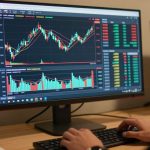
Visualizing price movements is super important. Heatmaps show you at a glance which coins are up or down, using color intensity to represent the change. It’s a quick way to spot trends. Then there are price charts, which let you see how a coin has performed over different time frames. You can zoom in on a day, a week, or even years to see patterns. Many platforms offer these, and they’re often customizable so you can add indicators that you find useful. For instance, you might want to see the moving averages or the Relative Strength Index (RSI) right on the chart. These visual tools make complex data much easier to digest.
Utilizing Automated Trading Bots
Automated trading bots, or crypto bots, can be a game-changer. They execute trades based on pre-set rules and strategies you define. This means you don’t have to be glued to your screen 24/7. Bots can monitor prices across multiple exchanges and react instantly to market changes, potentially catching opportunities you might miss. Some bots even allow for backtesting, where you can see how a strategy would have performed on historical data before you risk real money. It’s a way to test your ideas without the immediate financial risk. You can find many resources online to learn how to set them up, though it does take some effort to get them working just right for your needs. Learning to use crypto trading bots can really streamline your trading process.
Exploring Comprehensive Data Platforms
Beyond just charts and bots, there are platforms that offer a really wide range of data. These sites often aggregate information from many different sources, giving you a bird’s-eye view of the entire market. You can find data on market capitalization, trading volumes, developer activity, social media mentions, and much more. Some platforms even track NFT floor prices across various marketplaces, which is a whole other layer of the digital asset world. Having all this information in one place saves a ton of time and helps you make more informed decisions. Tools like CoinGecko are great examples of these comprehensive data hubs, providing a wealth of information for any crypto enthusiast.
Using these advanced tools isn’t about replacing your own judgment, but rather augmenting it. They help you process more information faster and identify potential opportunities or risks that might otherwise go unnoticed. It’s about working smarter, not just harder, in the fast-paced crypto space.
Staying Ahead With Crypto News And Insights
Staying on top of the crypto world means you can’t just look at prices. You really need to pay attention to what’s happening around the market, too. Think of it like this: if you only looked at a stock’s price without reading any news, you’d be missing a huge part of the story, right? Crypto is even more like that because things change so fast.
Monitoring Trending Crypto News
Keeping up with the latest crypto news is pretty important. You’ll want to see what’s being talked about a lot, especially on social media. Sometimes, a single tweet or a news report can really shake things up. It’s good to know what’s making waves so you’re not caught off guard. We try to bring you the most important updates so you’re always in the loop.
Understanding Coin Performance Drivers
So, why does one coin go up while another goes down? It’s not random. There are reasons behind it. Maybe a project just released a new feature, or perhaps a big company announced they’re using it. Sometimes it’s just general market mood. Looking at these specific reasons helps you figure out if a coin is likely to do well or not. It’s about understanding the ‘why’ behind the price.
Discovering Emerging Market Trends
This is where you try to spot what’s next. Are people suddenly talking about a new type of crypto technology? Is there a particular sector, like decentralized finance or NFTs, that’s getting a lot of attention? Spotting these trends early can give you an edge. It’s like knowing about a popular new restaurant before everyone else does. You want to be in the know about what’s coming up in the digital currency space.
Comprehensive Tracking Of Digital Assets
Keeping tabs on the vast universe of digital assets can feel like a full-time job, right? With over ten thousand cryptocurrencies out there, plus the whole NFT scene and all the different exchanges, it’s a lot to sort through. You really need a solid system to track what’s happening. It’s not just about Bitcoin or Ethereum anymore; the market is way bigger than that now.
Monitoring Over Ten Thousand Cryptocurrencies
Seriously, the sheer number of coins is mind-boggling. You can’t possibly watch them all individually. What you can do is focus on the ones that are getting attention or have solid fundamentals. Tools that let you filter by market cap, trading volume, or even developer activity can help narrow down the field. It’s about finding the signals in the noise, and that means using data to your advantage.
Tracking NFT Floor Prices Across Marketplaces
NFTs are a whole different ballgame. Instead of just coin prices, you’re looking at floor prices for collections on different marketplaces like OpenSea or Blur. This tells you the minimum price someone is willing to pay for an item in that collection. Watching these floor prices can give you a sense of demand for specific NFT projects. It’s a bit like checking the price of a rare collectible, but digital.
Evaluating Cryptocurrency Exchange Data
Exchanges are where the action happens, so their data is super important. This includes things like trading volumes on different platforms, which can show you where the most activity is. You also want to look at how prices differ slightly between exchanges, as this can sometimes signal opportunities. Understanding which exchanges are popular and how they handle trades gives you a better picture of the overall market health. For instance, seeing high trading volume on a particular exchange might mean it’s a go-to spot for many traders. Glassnode Insights often provides analysis on these kinds of trends.
The digital asset space is constantly evolving. What was popular last year might be old news today. Staying informed means looking beyond just the price charts and understanding the underlying activity and trends across the entire ecosystem.
Staying Ahead in the Crypto Game
So, keeping up with crypto prices and what’s happening in the market isn’t just for the pros anymore. It’s really about making smarter choices with your money in this wild digital world. By watching the trends, understanding what makes prices move, and using the tools available, you can get a better handle on things. Remember, the crypto space changes fast, so staying informed with the latest data and news is your best bet for navigating it all. It’s a bit like learning to ride a bike – takes practice, but you get the hang of it.
Frequently Asked Questions
How can I keep up with crypto prices and news?
Keeping up with crypto means watching things like price changes, how much people are trading, and what everyone is saying about it online. It’s like following the news, but for digital money. You can use apps and websites that show you live prices, charts, and news updates to stay in the loop.
Why do crypto prices change so much?
Crypto prices can change really fast, sometimes a lot in one day! This happens because of things like big news stories, what people are thinking (called market sentiment), or how much people are actually using the digital money. It’s important to know this can happen so you don’t get surprised.
What are the main things to look at to understand the crypto market?
You can look at things like how much money is being traded (trading volume) and the total value of a crypto (market cap). Charts that show prices over time are also super helpful. These numbers give you clues about what’s happening in the market.
What is market sentiment and how do I check it?
Market sentiment is basically how people are feeling about a certain crypto or the whole crypto market. You can check social media like Twitter or Reddit, and read news articles to see if people are excited or worried. This feeling can really affect prices.
Are there any special tools to help me understand crypto trends?
There are tools like heatmaps that show you price changes at a glance, and charts that let you zoom in on specific coins. Some people also use special computer programs called trading bots that can help them make trades automatically based on certain rules.
Can I track more than just popular cryptocurrencies?
Yes, you can track thousands of different cryptocurrencies, not just Bitcoin or Ethereum. You can also track prices for digital art like NFTs, and even see how different places where you can buy and sell crypto (exchanges) are doing.