So, you’re looking to get into day trading in 2026 and need a place to do it. Picking the right brokerage is a big deal, kind of like picking the right tool for a job. It’s not just about where you put your money; it’s about having the right setup to actually make trades happen quickly and without a ton of headaches. With so many options out there, figuring out which brokerage for day trading actually fits your style can feel overwhelming. This guide will help break down what really matters when you’re choosing a partner for your active trading journey.
Key Takeaways
- Your trading style and goals are the first things to figure out. Are you a beginner just starting out, or do you need super advanced tools? This will point you toward the right kind of brokerage for day trading.
- Look closely at the actual trading platform. Does it have good charts and tools for analyzing the market? How fast and reliable is it when you place a trade? Real-time data is also a must.
- Think about how you’ll use the platform. Is it easy to figure out and can you set it up how you like? Can you trade from your phone easily? These things matter a lot for active traders.
- Costs add up fast with day trading. Pay attention to commission fees, margin rates, and any account minimums. What seems cheap at first might cost you more in the long run.
- Don’t forget about the extras. Good research, educational materials to help you learn, and helpful customer support can make a big difference in your success as a day trader.
Understanding Your Brokerage Needs For Day Trading
Identifying Your Personal Trading Style and Goals
Before you even look at a single brokerage platform, you need to get honest with yourself about how you plan to trade. Day trading isn’t a one-size-fits-all deal. What works for someone else might be a total mess for you. Think about it like picking out tools for a project – you wouldn’t use a hammer to screw in a lightbulb, right? So, what kind of trader are you aiming to be? Are you looking to make lots of small wins throughout the day, or are you more interested in catching bigger price swings with fewer trades? Your goals are a big part of this too. Is this a side hustle to bring in a little extra cash, or are you dreaming of making it a full-time career?
- Scalping: Aiming for tiny profits on many trades, often in seconds or minutes.
- Day Trading: Entering and exiting positions within the same trading day.
- Swing Trading (Intraday): Holding positions for a few hours to capture larger intraday moves.
Knowing your style and what you want to achieve will really point you toward the right kind of brokerage. For instance, if you’re all about scalping, you’ll need a broker that can execute trades super fast. Someone focused on intraday swing trading might prioritize different features.
Assessing Your Risk Tolerance and Career Ambitions
How much risk are you comfortable taking on? Some traders are okay with a bit more risk for the chance of bigger rewards, while others prefer to play it safer. This is a personal thing, and it’s important to be realistic. If you’re just starting out and your risk tolerance is low, you might want to stick to less volatile assets or use smaller position sizes. On the other hand, if you have a higher risk tolerance and are aiming for significant growth, you might be looking at brokers that offer more advanced tools and potentially higher leverage (though leverage amplifies both gains and losses).
Your career ambitions also play a role. Are you looking to day trade as a hobby, or is this your main career path? If it’s the latter, you’ll likely need a more robust platform with better research tools, faster execution, and potentially more sophisticated order types. A broker that feels limiting now might become a major roadblock if your trading ambitions grow.
The brokerage you choose should feel like a partner in your trading journey, not an obstacle. It needs to support your current needs while also having the capacity to grow with you as your skills and ambitions develop.
Determining Your Preferred Trading Environment
Think about where and how you’ll be doing most of your trading. Are you someone who needs to trade from anywhere, anytime, maybe during your lunch break or while commuting? If that sounds like you, a really good, reliable mobile app is a must-have. You’ll want to check if the app is fast, easy to use, and lets you do everything you need – place trades, monitor your positions, and access market data without a hitch. Some traders find mobile apps great for quick checks, but they still prefer a desktop for serious analysis.
On the flip side, if you’re mostly at a desk all day, a powerful desktop platform with advanced charting and analysis tools might be your priority. You might not need the fanciest mobile app if you’re not planning on trading on the go. It’s about matching the platform’s capabilities to your daily routine and how you plan to interact with the market.
Evaluating Essential Day Trading Platform Features
When you’re day trading, the tools and services your brokerage provides can make or break your success. It’s not just about having an account; it’s about having a platform that keeps up with the fast pace of the market and gives you the edge you need. Think of it like a chef needing the right knives and pans – you need the right tech to execute your trades effectively.
Advanced Charting and Technical Analysis Capabilities
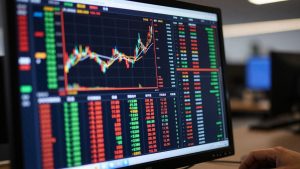
Charts are your eyes and ears in the market. For day traders, basic line graphs just won’t cut it. You need sophisticated charting tools that let you zoom in, add multiple indicators, and spot patterns quickly. Look for brokers that offer:
- Customizable chart types: Candlestick, Heikin Ashi, Renko, and more.
- A wide range of technical indicators: Moving averages, RSI, MACD, Bollinger Bands, and custom indicators.
- Drawing tools: Trendlines, Fibonacci retracements, and support/resistance levels.
- Multi-chart layouts: To view several assets or timeframes simultaneously.
The ability to quickly apply and adjust technical indicators is non-negotiable for identifying potential entry and exit points. Some platforms even allow you to backtest strategies directly on the charts, which is a huge time-saver.
Execution Speed and Platform Reliability
In day trading, milliseconds matter. A slow order execution can mean the difference between a profitable trade and a losing one, especially when you’re trying to capture small price movements. You need a broker that offers:
- Fast order routing: Orders should reach the exchange with minimal delay.
- High uptime: The platform needs to be stable, especially during volatile market hours.
- Direct market access (DMA): For more advanced traders, this can provide better control and speed.
A broker’s infrastructure is paramount. Even the best trading strategy can fail if your orders are consistently delayed or if the platform crashes at a critical moment. Always check reviews regarding platform stability and execution speed.
The platform is your cockpit. Whether you’re scalping futures, trading options, or flipping momentum stocks, the best day trading platforms offer low-latency execution, dynamic charting tools, and streamlined interfaces that support split-second decisions. Cost and reliability are key, but so is the learning curve.
Access to Real-Time Market Data and News Feeds
Staying informed is key. Day traders need access to up-to-the-minute market data, including Level 2 quotes (which show bid and ask depth) and real-time news. This helps you understand market sentiment and react to breaking events. Key features to look for include:
- Live stock quotes: Not delayed by 15 minutes.
- Level 2 data: Shows the order book for a security.
- Integrated news feeds: From reputable financial news sources.
- Economic calendars: To track important economic releases.
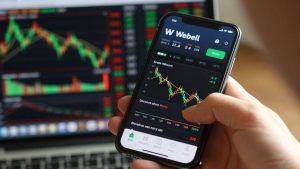
Some brokers, like Webull, offer integrated news digests that can quickly summarize market-moving information, helping you cut through the noise.
Comparing Brokerage Costs and Account Requirements
When you’re looking at brokers for day trading, the money stuff is pretty important. It’s not just about the trades themselves, but all the little (and sometimes not so little) costs that come with it. These expenses can really chip away at your profits if you’re not careful.
Analyzing Commission Fees and Margin Rates
Most brokers today offer commission-free trades for stocks and ETFs, which is a big plus for day traders. However, watch out for per-contract fees on options trades, as these can add up quickly. Some brokers might also charge small fees for things like account transfers or if your account is inactive for a while. It’s a good idea to see if there are any volume discounts available, especially if you plan on making a ton of trades.
Margin trading lets you control more stock than you could with just your own cash, but it costs money. Brokers charge interest on the money you borrow, and these rates can differ a lot between platforms. For active traders who use margin often, these interest charges can become a significant expense. Always check the margin rates and understand the requirements. A lower margin rate means less interest paid, leaving more profit in your pocket.
Here’s a general idea of how some brokers handle common trading costs:
| Broker Type | Stock/ETF Trades | Options (Per Contract) | Margin Rate (Example) |
|---|---|---|---|
| Major Online Broker | $0 | ~$0.65 | 3.5% – 8% |
| Discount Broker | $0 | ~$0.50 – $0.75 | 4% – 9% |
| Active Trader Pro | $0 | ~$0.50 – $0.65 | 2% – 6% |
Note: Rates are illustrative and can change. Always verify current pricing with the broker.
Understanding Account Minimums and Hidden Charges
Some brokers don’t require a minimum deposit to open an account, which is great if you’re just starting out. But if you plan on day trading frequently, you need to know about the "pattern day trader" rule. In the US, this generally means you need to keep at least $25,000 in your account to make four or more day trades within a five-business-day period. If your balance dips below this, you might face trading restrictions until you bring it back up. So, while a low or no minimum is nice for getting started, having enough capital to meet regulatory requirements is key for consistent day trading.
Beyond the obvious fees, look out for less obvious charges. These can include:
- Account transfer fees (if you decide to switch brokers later).
- Inactivity fees (if you don’t trade for a certain period).
- Data feed fees (though many brokers include this with active trading).
- Fees for specific order types or advanced tools.
Evaluating the Impact of Costs on Profitability
It’s easy to get caught up in the excitement of trading, but the costs are a real factor in your success. Even small fees, when multiplied by hundreds or thousands of trades, can make a big difference to your bottom line. You need to calculate how these expenses will affect your potential profits before you even start trading. For example, if you make 100 trades a day and each trade has a small hidden cost, that adds up fast. Always factor in commissions, margin interest, and any other fees when estimating your potential returns. It’s better to be realistic about these costs upfront than to be surprised later.
When you’re day trading, every dollar counts. The difference between a small fee and no fee can be the difference between a profitable day and a losing one. Make sure you understand the full cost structure of any brokerage you consider.
Assessing Brokerage Support and Educational Resources

When you’re day trading, things can get hectic fast. Sometimes, you’ll hit a snag, whether it’s a platform hiccup, a question about your account, or just needing clarification on a trade. That’s where good customer support and solid educational materials come into play. You don’t want to be left hanging when the market’s moving.
Evaluating the Quality of Customer Support
Think about what happens when you need help. Is the support team available when you actually need them? For day traders, this usually means during market hours, and ideally, beyond. Check what channels they use: phone, live chat, email? Live chat or phone support is often best for quick questions that pop up during a trading session. It’s worth seeing if you can test their responsiveness before you commit. A broker that takes a long time to answer or doesn’t have the right contact methods can be a real pain.
Here’s a quick rundown of what to look for:
- Availability: Are they there during peak trading times?
- Responsiveness: How fast do they actually get back to you?
- Channels: Do they offer phone, chat, or just email?
- Knowledge: Can the support staff actually answer your trading-related questions?
Sometimes, a simple question can become a big problem if you can’t get a clear answer quickly. It’s like trying to fix something with the wrong tool – frustrating and often makes things worse.
Exploring Available Research and Educational Materials
Nobody starts day trading as an expert. You’re going to need to learn, and a good broker makes that easier. Look for places that offer:
- Webinars and Videos: These can break down complex trading ideas into something more digestible.
- Articles and Guides: From basic order types to more involved strategies, good written content is key.
- Glossaries: Trading has its own language, and a glossary helps you keep up.
- Paper Trading Accounts: Practicing with fake money is a smart way to test strategies without risking your actual cash.
Some brokers provide basic market news, while others have dedicated research teams putting out daily commentary. Think about what level of detail helps you most. Do you just need headlines, or do you prefer detailed reports on specific industries?
Considering Community Features and User Reviews
What are other traders saying about the broker? Online reviews and forums can give you a real sense of what it’s like to use a platform day in and day out. Look for patterns in feedback, especially regarding support and platform stability. Some brokers also have community forums where traders can share ideas and ask questions. While you shouldn’t base your entire decision on what others say, it’s a good way to get a feel for potential issues or highlights you might not find elsewhere.
Matching Brokerage Features to Your Trading Strategy
Okay, so you’ve figured out what you need in a brokerage. Now comes the part where you actually match those needs to what different brokers are good at. It’s like picking the right tool for a specific job, you know? You wouldn’t use a hammer to screw in a bolt, right? Same idea here.
Prioritizing Speed and Advanced Order Types
If you’re the type of trader who lives and dies by milliseconds, then execution speed is your absolute top priority. We’re talking about scalpers or anyone trying to catch tiny price swings. You need a broker that’s built for speed. This usually means looking at platforms known for their robust technology and direct market access. They often have advanced order types that let you set up complex entry and exit conditions all at once, like bracket orders or OCO (one-cancels-the-other) orders. These can save you a ton of time and help you manage risk better when you’re in the middle of fast-moving markets.
- Direct Market Access (DMA): This gets your orders straight to the exchange, cutting out middlemen and potentially speeding things up.
- Advanced Order Types: Think OCO, trailing stops, and bracket orders. They automate your exit strategy.
- Low Latency: Brokers that invest heavily in their tech infrastructure to minimize delays.
- Customizable Hotkeys: For traders who want to execute trades with keyboard shortcuts.
For traders focused on high-frequency strategies or capturing fleeting opportunities, the platform’s ability to process orders with minimal delay is not just a feature; it’s the bedrock of their entire operation. A fraction of a second can mean the difference between a win and a loss.
Seeking Simplicity and User-Friendly Design
On the flip side, maybe you’re just getting started, or perhaps you prefer a more straightforward approach to trading. If that’s you, then a platform that’s easy to learn and use is way more important than having a million fancy features you’ll never touch. You want something intuitive, where you can find what you need without a struggle. Look for brokers that offer clean interfaces, clear navigation, and maybe even guided tutorials or educational walkthroughs. A platform that feels overwhelming can really kill your motivation when you’re trying to learn the ropes.
- Intuitive Interface: Easy to find charts, order entry, and account information.
- Clear Navigation: Logical menus and straightforward workflows.
- Educational Resources: Built-in guides, tutorials, or demo accounts.
- Simplified Order Entry: Basic order types that are easy to understand and place.
Ensuring Robust Mobile Trading Capabilities
What if you can’t always be at your desk? Maybe you trade during your lunch break, or you just like the flexibility of checking in from your phone. If that sounds like you, then a solid mobile app is a must-have. Don’t just glance at the app store rating; actually download it and play around. Can you place trades easily? Is the charting good enough on a small screen? Can you monitor your positions and get alerts without a hassle? Some mobile apps are pretty basic, while others are almost as powerful as their desktop counterparts. Make sure the mobile experience actually works for your trading style, not against it.
- Full Trading Functionality: Ability to place all order types and manage positions.
- Real-time Data Access: Charts and market data that update quickly.
- User-Friendly Interface: Easy to navigate and use on a smaller screen.
- Push Notifications: For important price alerts or account updates.
Making the Final Brokerage Decision

So, you’ve done your homework. You know your trading style, you’ve checked out the platform features, and you’ve crunched the numbers on costs. Now comes the part where you actually pick a place to trade. It can feel like a big commitment, and honestly, it is. But it doesn’t have to be a stressful one if you approach it the right way.
Creating a List of Must-Have and Nice-to-Have Features
Before you even look at specific brokers, sit down and make a list. What absolutely has to be there for you to trade effectively? Think about things like execution speed – if you’re scalping, you can’t afford delays. Maybe advanced charting tools are a must, or perhaps a really solid mobile app is your priority. After you’ve got your "must-haves," jot down a list of "nice-to-haves." These are features that would be great but aren’t deal-breakers. This list acts as your personal checklist.
Here’s a quick way to organize it:
- Must-Haves:
- Platform reliability (e.g., minimal downtime)
- Specific order types (e.g., bracket orders)
- Low commission fees for frequent trades
- Nice-to-Haves:
- Extensive educational video library
- Active trading community forum
- Advanced screeners
Utilizing Demo Accounts for Test Drives
Most brokers worth their salt will offer a demo or paper trading account. This is your chance to try before you buy, so to speak. Don’t skip this step! It’s like test-driving a car before you sign the papers. You get to play around with the platform, place fake trades, and see if the interface actually works for you. Does it feel intuitive? Can you find what you need quickly? Pay attention to how easy it is to set up watchlists and execute trades. This hands-on experience is invaluable for spotting potential frustrations before they impact your real trading capital.
Trying out a demo account is probably the single best way to get a feel for a brokerage’s platform without risking any actual money. It lets you see if the tools they advertise actually work the way you expect them to in real-time, or at least a simulated version of it. You can test out different order types, see how fast the charts update, and generally get a sense of the user experience.
Being Prepared to Switch if Necessary
Look, no brokerage is perfect, and your needs might change over time. Maybe you start out with a simpler platform and then decide you need more advanced tools. Or perhaps a broker changes its fee structure, making it less attractive. Don’t feel locked into a decision forever. If your current brokerage isn’t cutting it anymore, or if you discover a better fit, be ready to make a move. The cost of switching is usually just the time it takes to transfer funds and set up your new account. It’s better to switch and pay a small hassle fee than to continue trading with a platform that hinders your progress or eats into your profits.
Wrapping Up Your Broker Choice
So, picking the right place to trade is a pretty big deal for anyone looking to day trade. It’s not just about finding the cheapest option anymore, since most places offer free trades these days. What really matters now are the tools and features they give you. Think about what you actually need – are you just starting out and need lots of help, or are you looking for super advanced stuff? Does trading on your phone matter most, or do you need solid research tools? Take your time, look at what different brokers offer, and match it up with your own trading style and what you want to achieve. Getting this right from the start can make a huge difference in your journey. Don’t overthink it too much, though; the most important thing is to just get started.
Frequently Asked Questions
What’s the most important thing to think about when picking a stock broker?
The most important thing is to figure out what *you* need. Are you just starting out and need lots of help, or are you a pro looking for super-fast trades? Think about how you like to trade – on your phone, computer, or both? Once you know what you want, you can find a broker that offers it.
Do I need a lot of money to start day trading?
Not always! Many brokers have lowered the amount of money you need to open an account. However, day trading can be risky, and it’s wise to only trade with money you can afford to lose. Some brokers might suggest a higher starting amount for day trading because it’s more active.
Are there special tools day traders need?
Yes! Day traders often need really fast ways to buy and sell stocks, so the broker’s system needs to be super quick and reliable. Advanced charts and real-time news are also super helpful for making quick decisions.
Can I use more than one brokerage account?
Absolutely! It’s common for day traders to have multiple brokerage accounts and use several trading platforms at the same time. A trader might like the chart tools of one broker but prefer to trade options at another. It’s also smart to have a backup account ready in case your main broker has a problem.
What is the fastest day trading platform?
The fastest platforms are usually desktop-based, like TradeStation or Interactive Brokers’ Trader Workstation. These run right on your computer, making them super speedy. However, newer web-based platforms can be just as fast. Just remember, your internet connection is often the biggest factor in speed!
What’s the best day trading app for beginners?
For beginners, Fidelity is a great choice. Its platform is easy to understand, you can change it to fit how you like to see things, and it’s built to help new traders get the hang of active trading without feeling too lost.